It’s Not Too Late to Grow Your Own Vegetables. Here’s What You Can Plant Now for a Fall Harvest
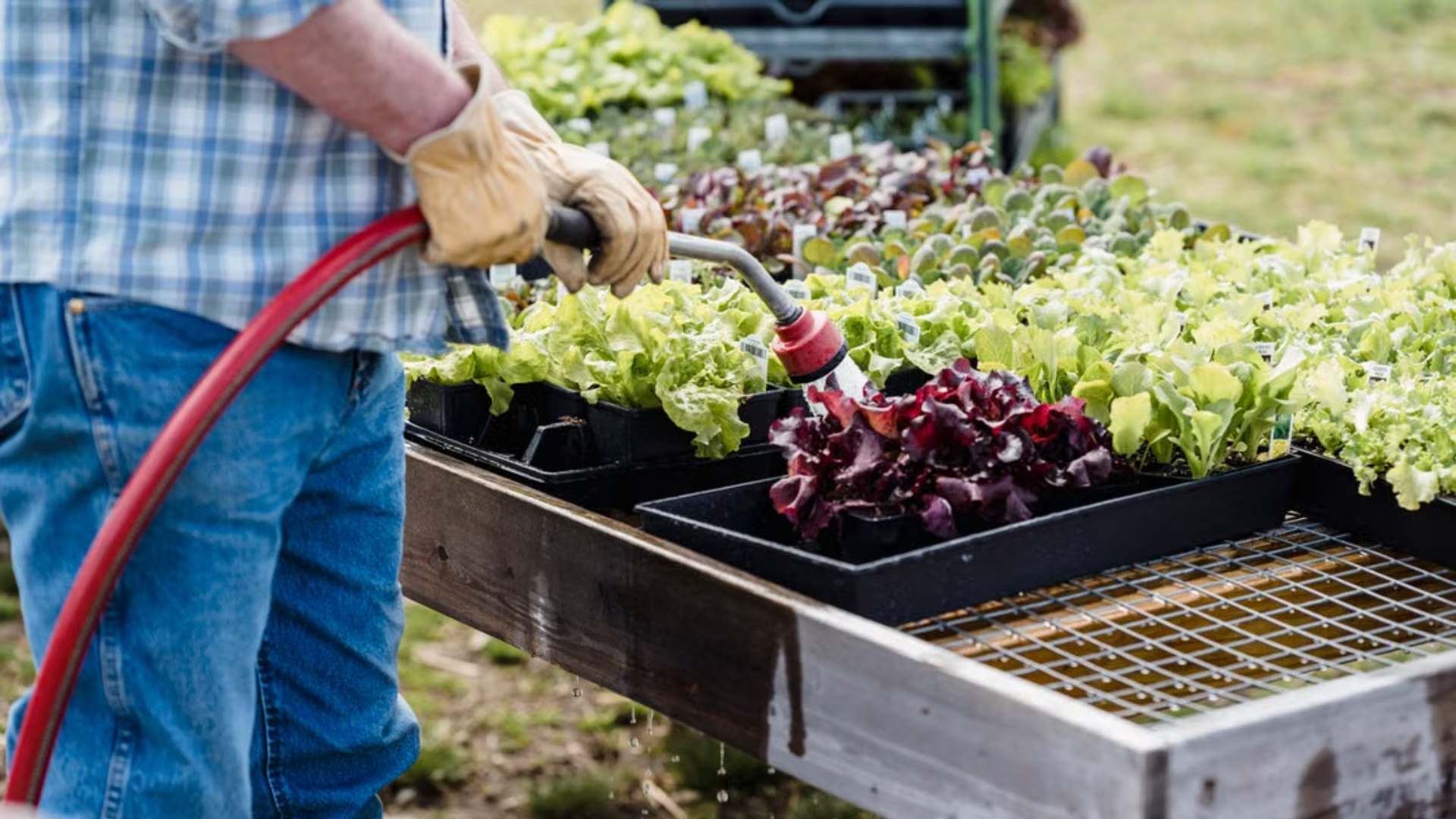

Summer may be winding down, but that does not mean the gardening season is over. Many vegetables can still be planted now for a fall harvest, especially fast-growing greens, root vegetables and cold-hardy crops. The key is choosing plants that can mature before the first frost in your area and adjusting planting dates based on your local climate.
Start With Your First Frost Date
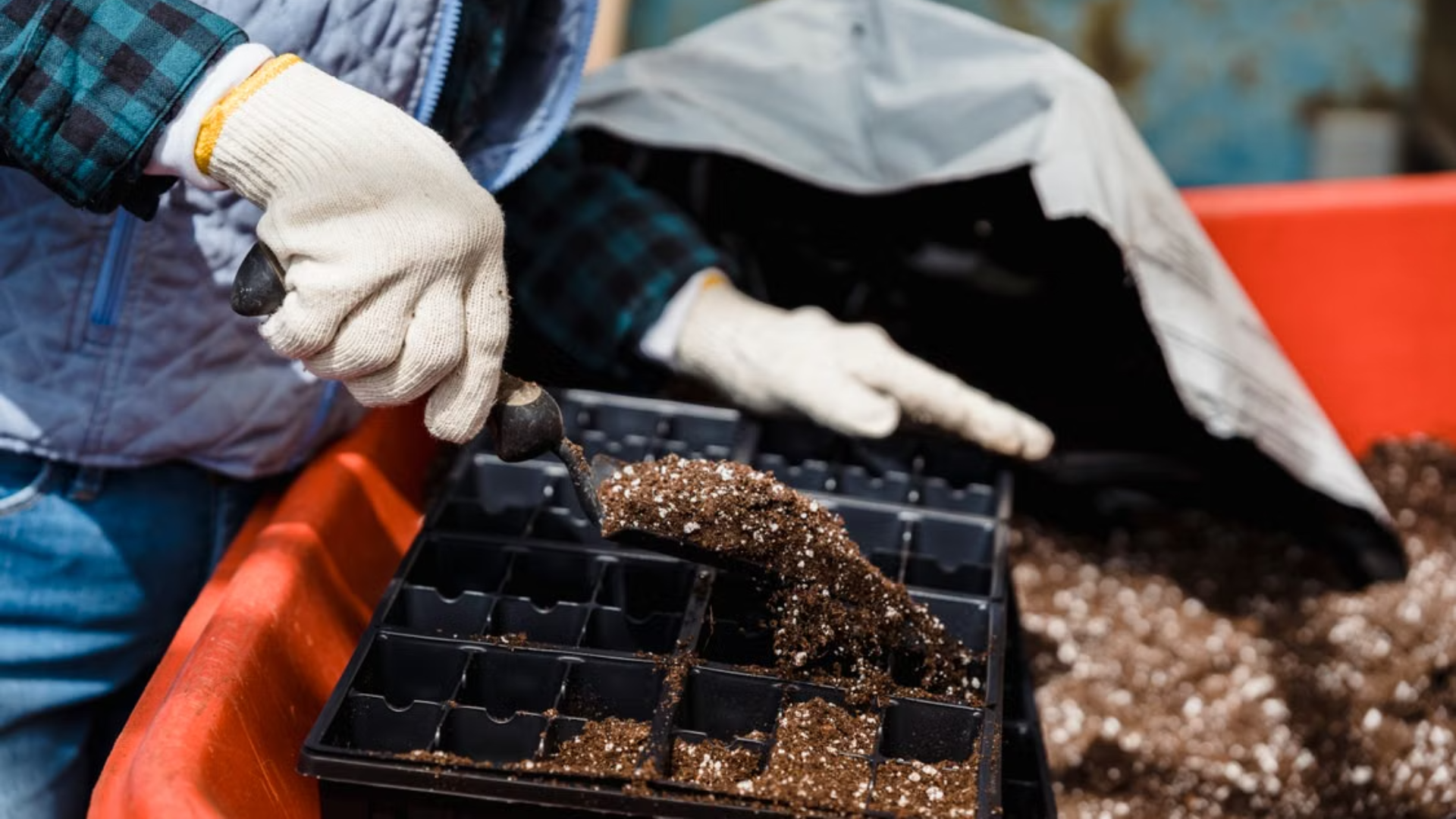
Your expected first frost date is one of the most useful tools for planning a fall garden. Check how many days a vegetable needs to mature, then count backward from the expected frost date to determine when it should be planted. A crop that takes 60 days to mature, for example, needs to be planted roughly two months before the first expected frost.
Tomatoes May Still Have Time in Warmer Areas
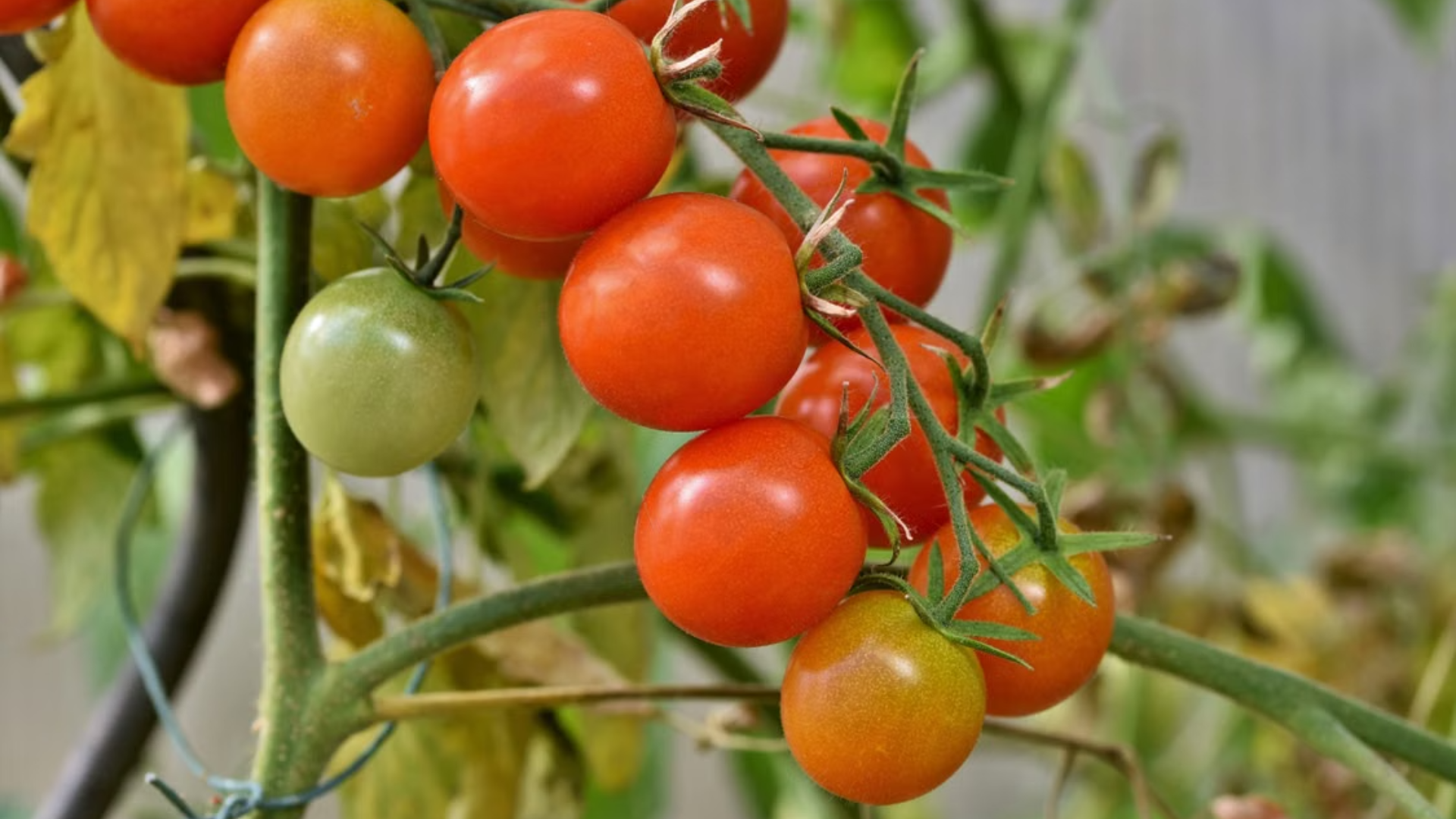
Gardeners in warmer parts of the country may still be able to grow another crop of tomatoes. As extreme summer heat begins to ease, tomato plants can benefit from more moderate temperatures. Using established transplants rather than starting from seed can also give gardeners a better chance of producing tomatoes before colder weather arrives.
Squash and Beans Can Provide Another Harvest
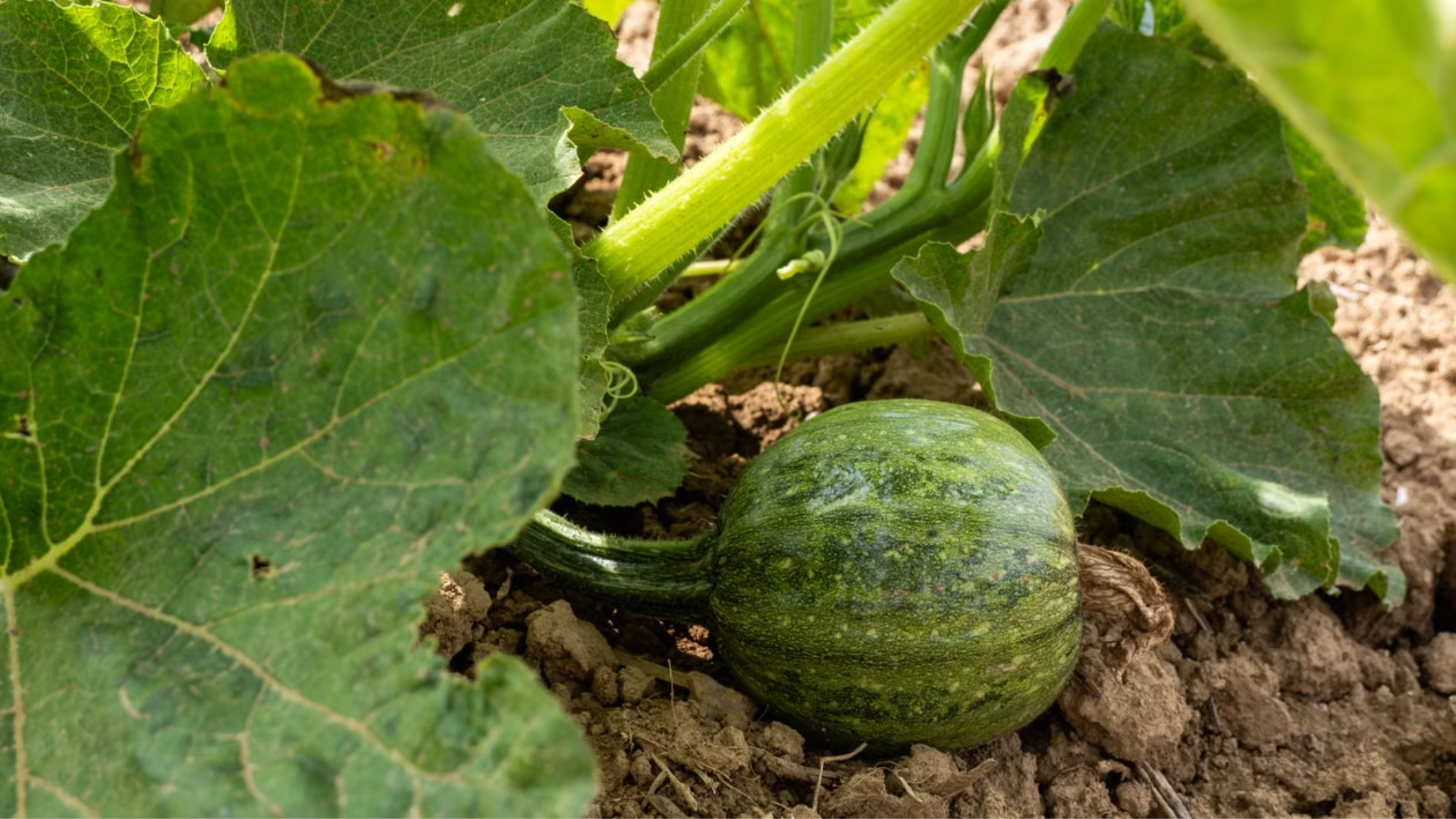
Warm-weather gardeners may also have enough time for another planting of summer squash and beans. Removing old, unproductive plants can make room for new ones, while certain winter squash varieties may also mature before frost in regions with longer growing seasons. The amount of time available depends on the local climate and the variety being planted.
Cucumbers Are a Fast-Growing Choice
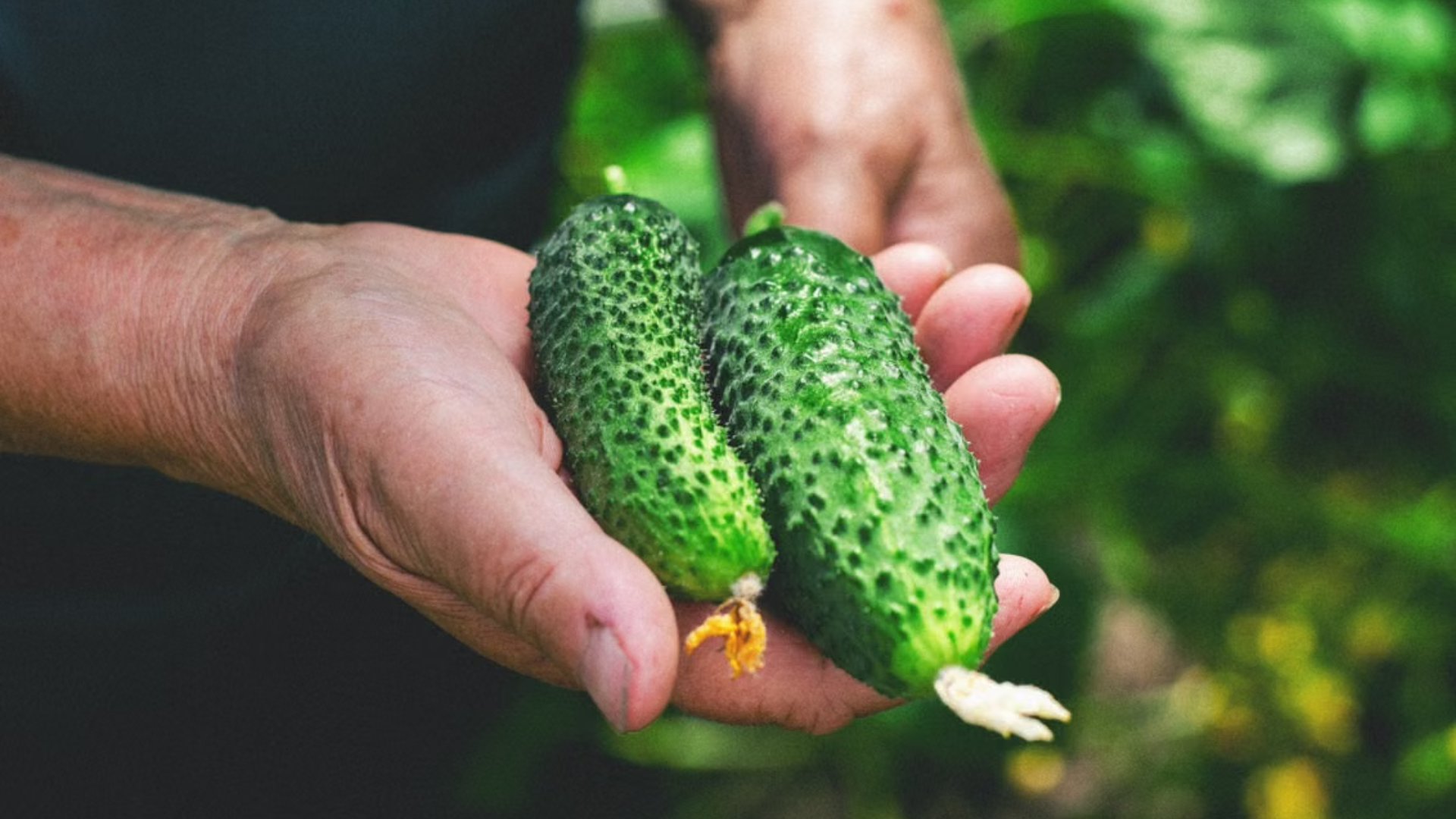
Cucumbers can be especially useful for a late-season garden because some varieties mature in about 50 days. That relatively short growing period gives gardeners a chance to squeeze in another crop while temperatures remain warm enough for the plants to grow.
Radishes and Arugula Can Produce Quickly
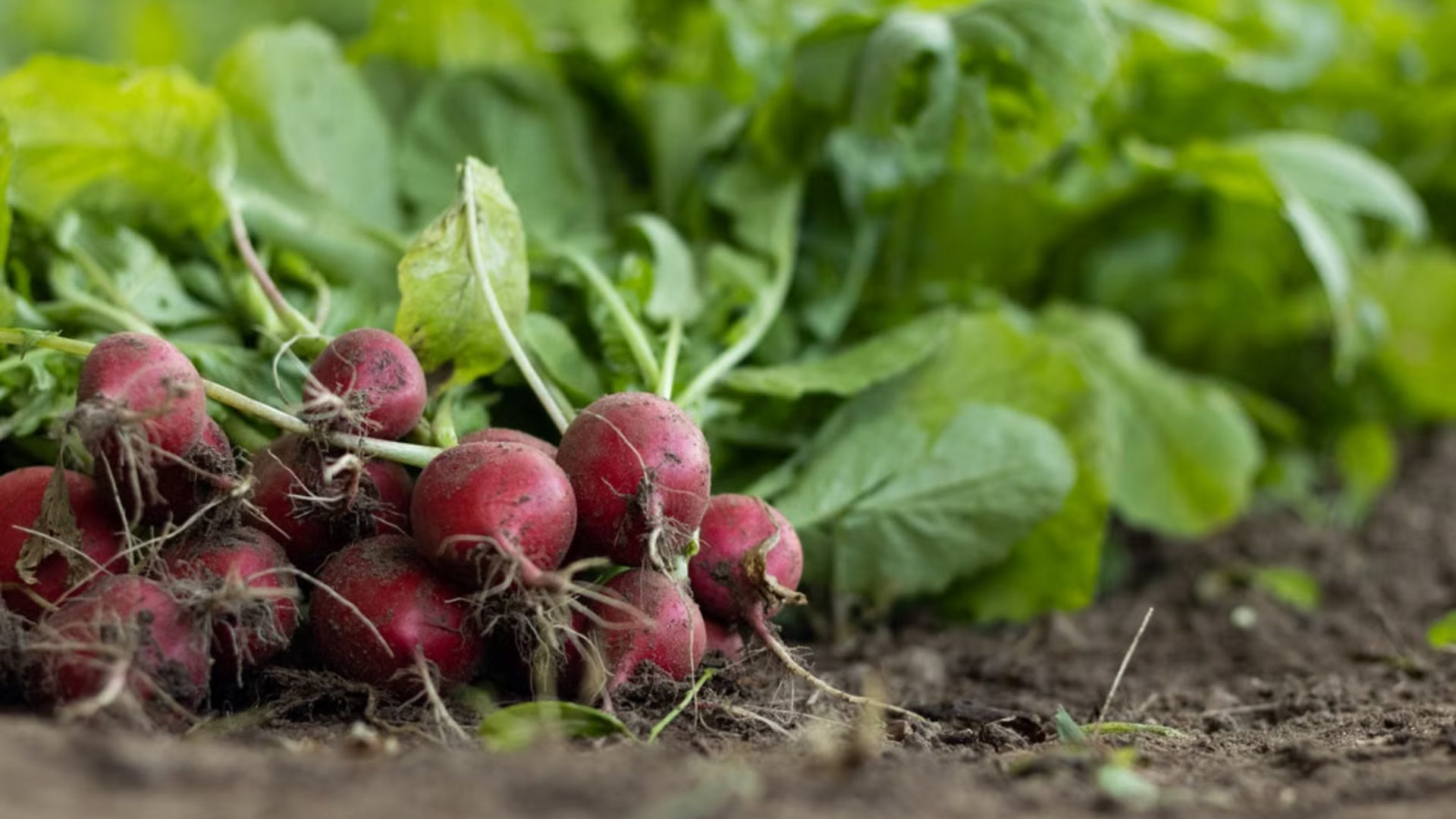
For gardeners who are short on time, radishes and arugula are among the quickest options. Radishes can mature in roughly 25 to 30 days, while some arugula varieties can be harvested in about 25 days. Their short growing periods make them practical choices when there are only a few weeks left before colder weather arrives.
Kale and Lettuce Can Handle Cooler Weather
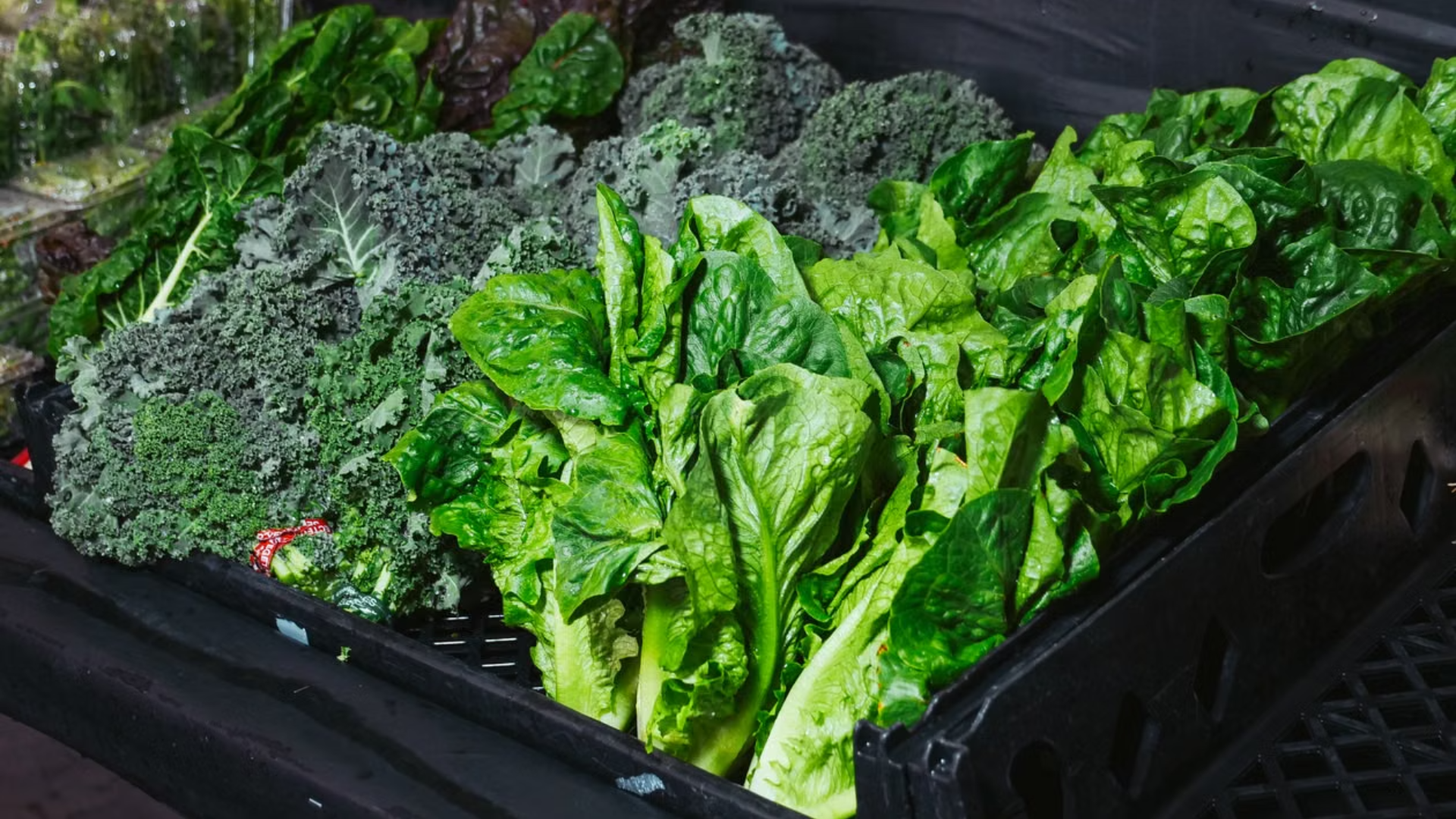
Leafy greens are particularly well suited to fall gardening. Kale is highly cold-hardy and can tolerate frost, allowing gardeners in many regions to continue harvesting well into the colder months. Lettuce is another useful option because it grows relatively quickly and can be planted in garden beds, containers or even window boxes.
Herbs Can Extend the Garden Season
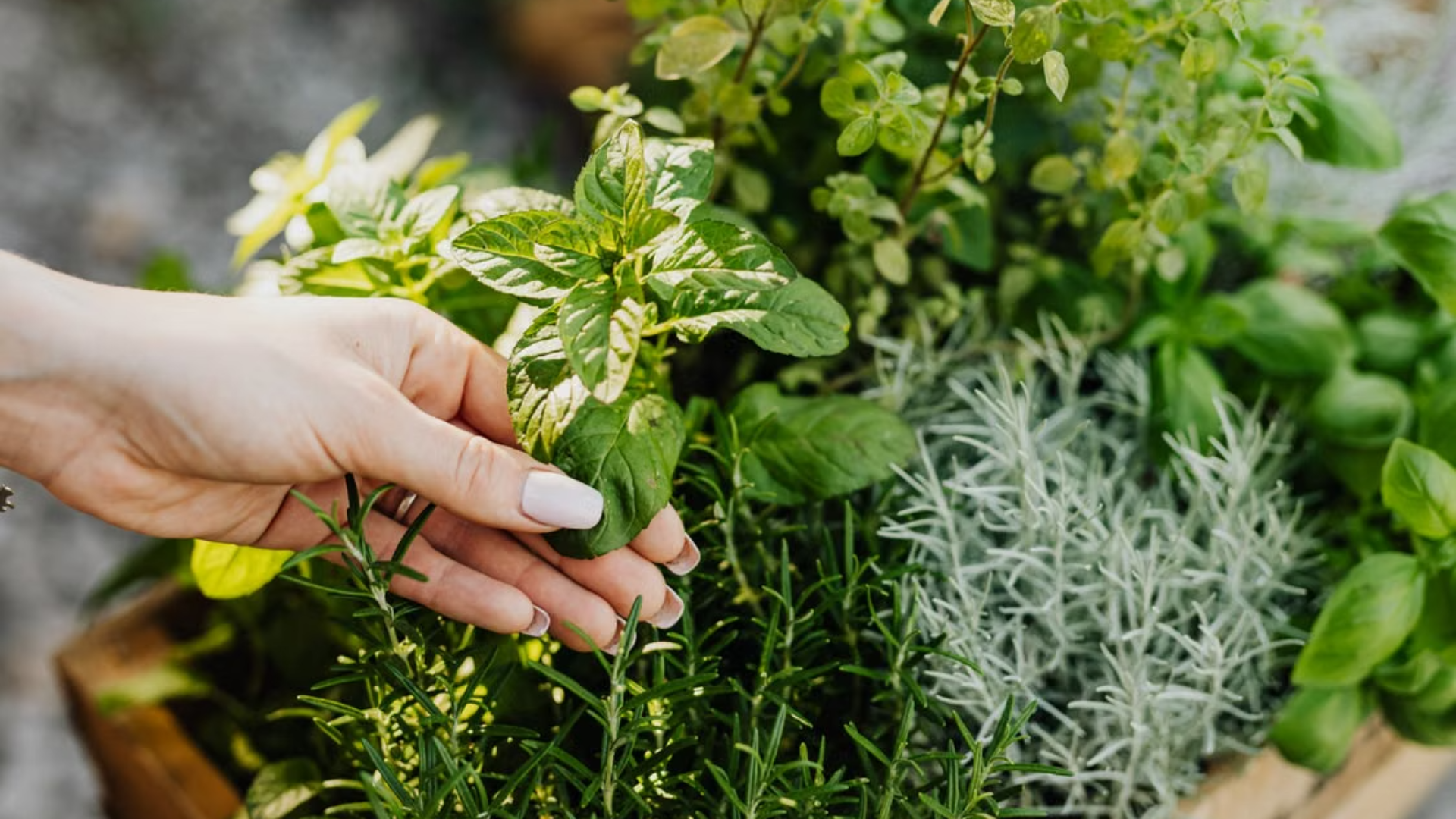
A fall garden does not have to be limited to vegetables. Herbs such as thyme, oregano and sage can continue producing as temperatures cool, while rosemary can remain outdoors in warmer climates. In colder regions, some herbs can be moved indoors before freezing temperatures arrive, allowing gardeners to continue using fresh herbs through the winter.
Choose Crops Based on Your Climate
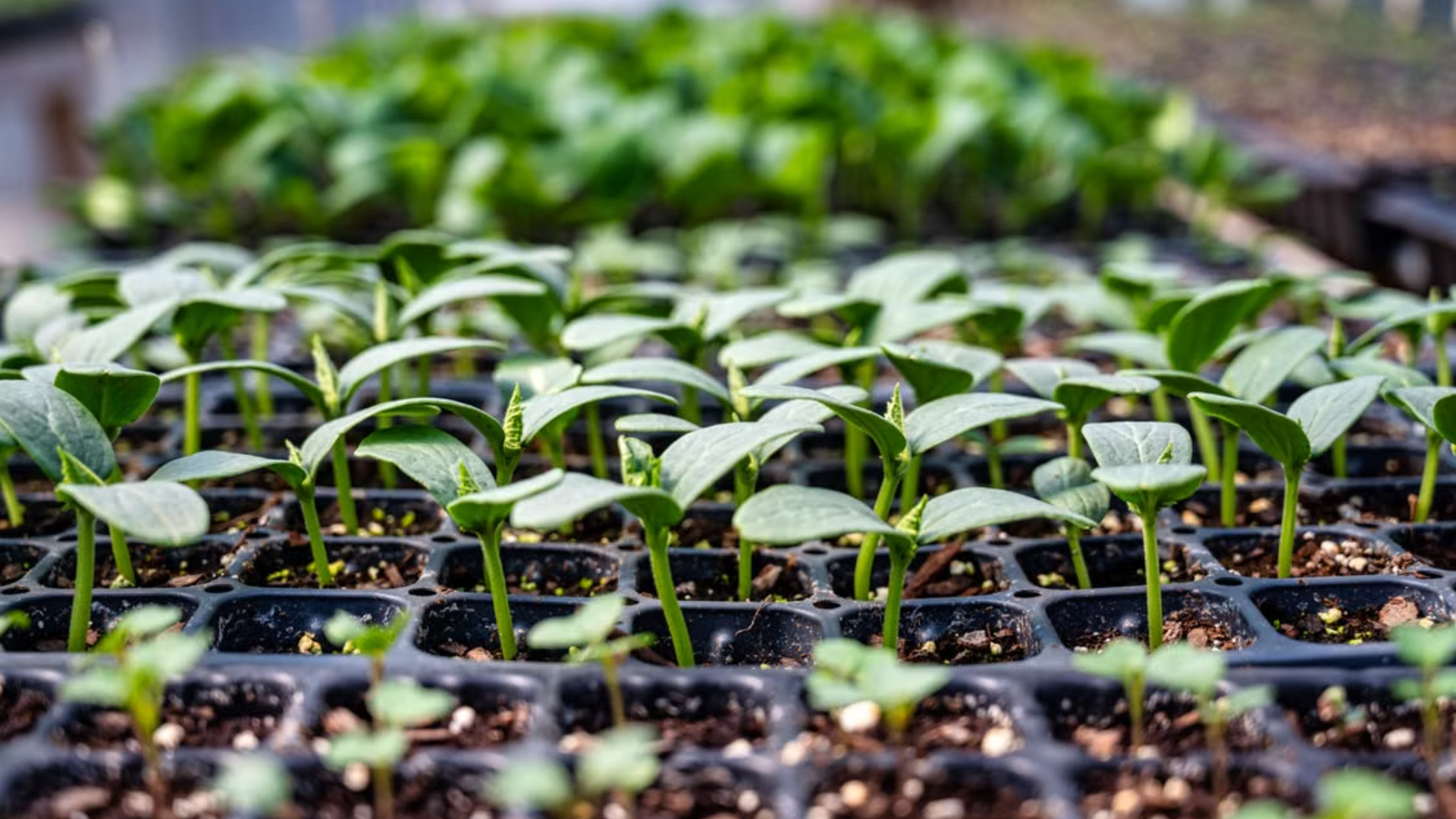
The best fall crops vary considerably across the United States. Gardeners in northern areas may need to focus on fast-growing and cold-tolerant vegetables, while those in warmer regions may still have enough time for tomatoes, cucumbers, squash and beans. Checking local frost dates and the maturity time listed for each variety can help prevent planting crops too late in the season.
A Fall Harvest Can Still Be Within Reach
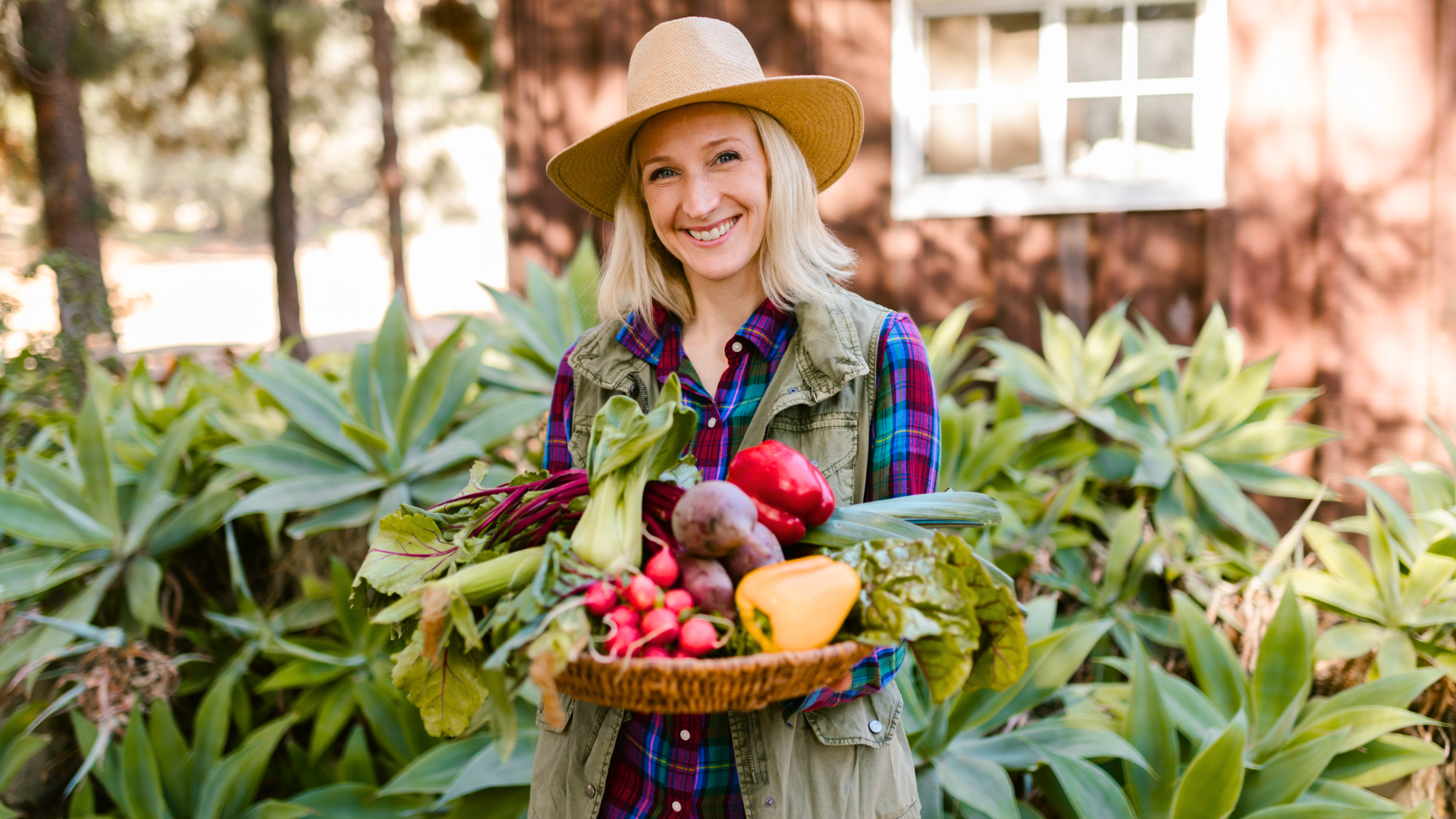
There is still an opportunity to grow fresh food even if the summer gardening season is nearly over. Fast-growing crops such as radishes and arugula can provide relatively quick results, while kale, lettuce and herbs can continue producing as temperatures fall. By choosing varieties suited to the local climate and planting according to the first frost date, gardeners can turn the remaining weeks of the season into another productive harvest.