A ‘99% Germ-Killing’ Label May Be Doing More Harm Than the Germs Themselves
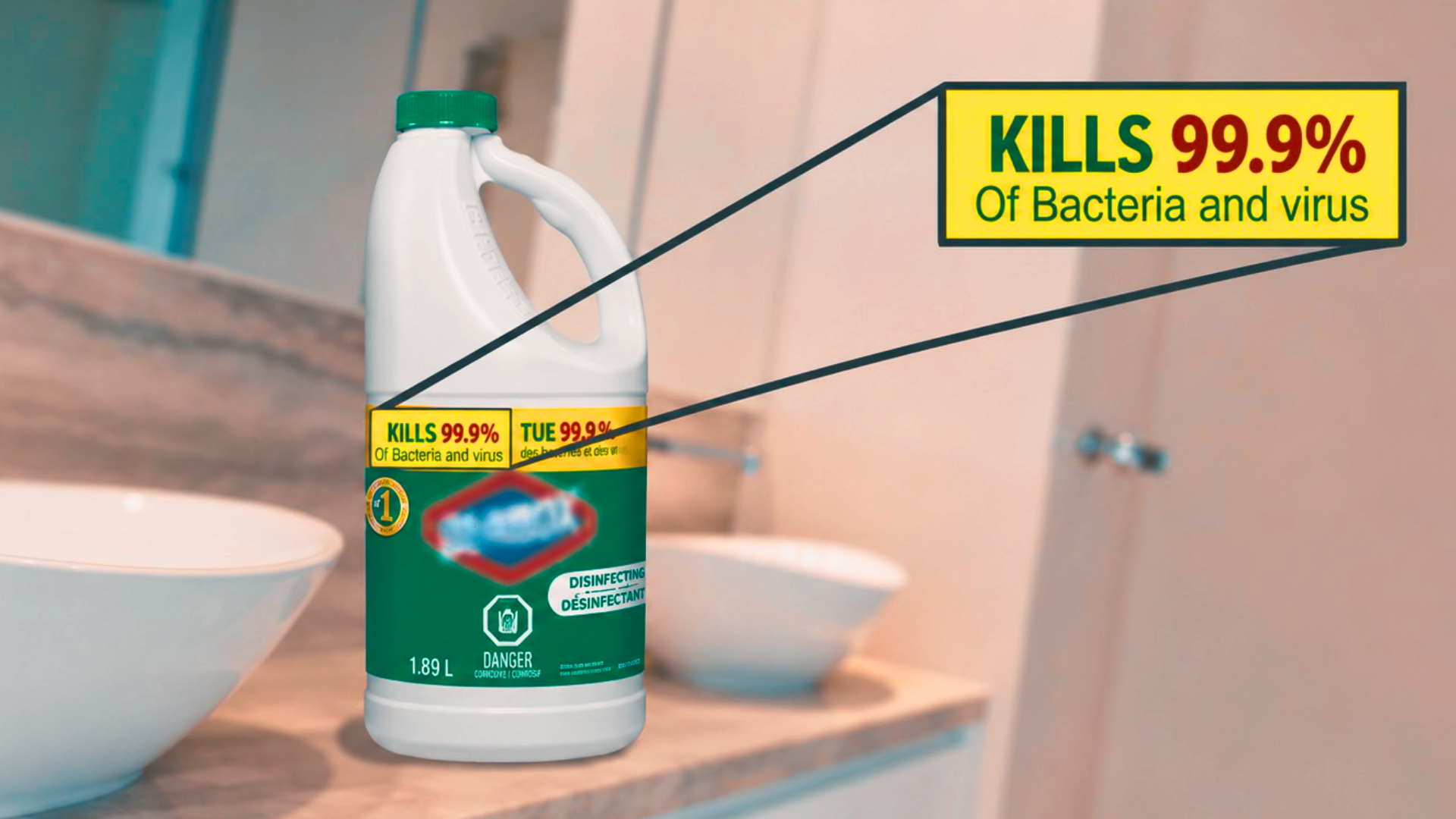

A label promising to kill “99% of germs” sounds like exactly what a worried household needs. That promise, though, has quietly pushed millions of people toward chemicals scientists are only now starting to understand. Researchers first stumbled onto the problem by accident, tracing strange reproductive failures in lab mice back to common disinfectant chemicals. What they found suggests the drive to sanitize everything in sight may be doing more harm than the germs it targets.
This article was created with the assistance of AI and reviewed by our editorial team for accuracy and clarity.
These Chemicals Are Hiding in Far More Than Just Disinfectant Spray
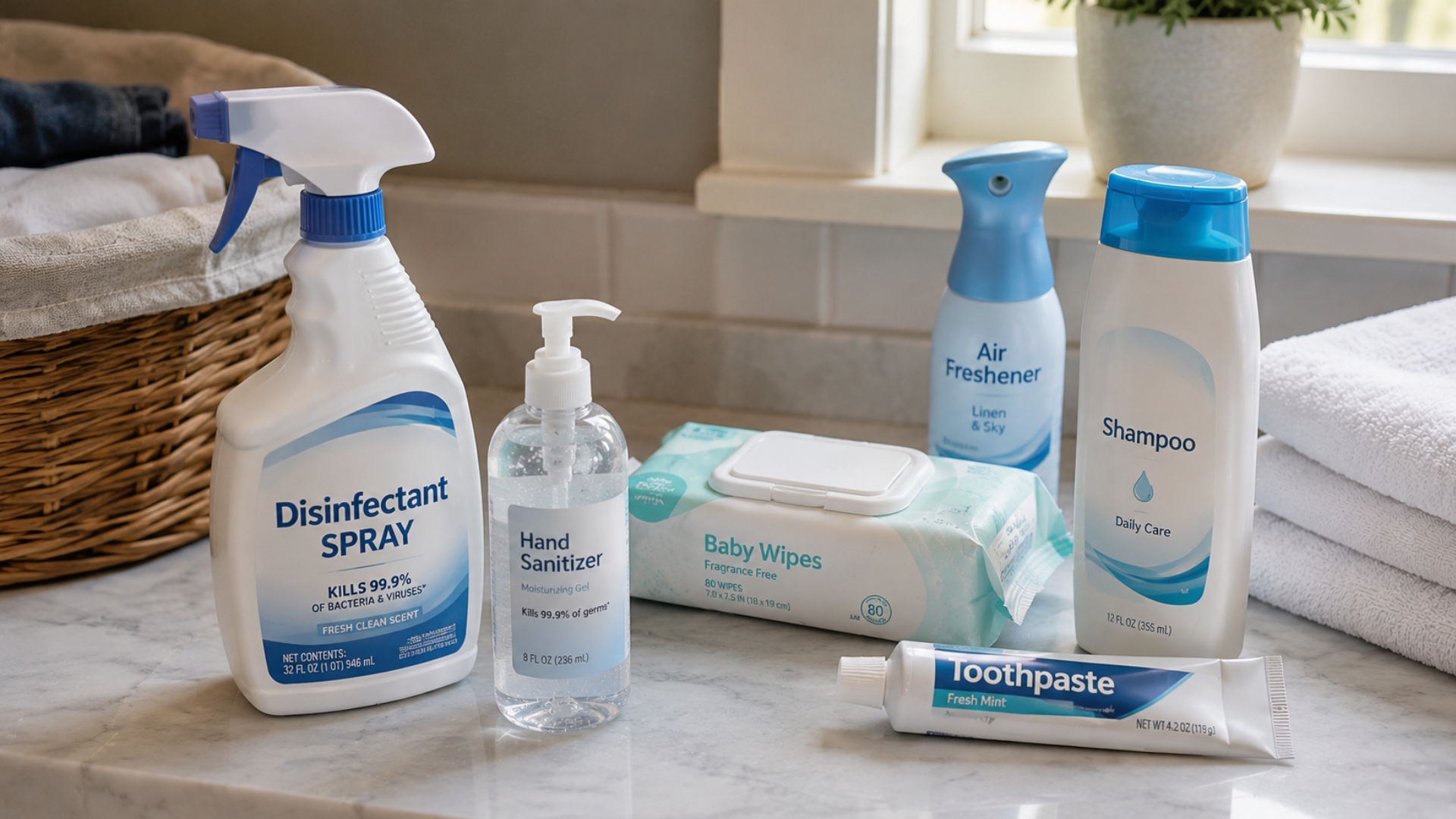
These chemicals, called quaternary ammonium compounds or QACs, are far more common than most people realize. Classified as pesticides, QACs are the active ingredients in many hand sanitizers and disinfectants used in homes, schools, daycare centers, and hospitals. They also turn up in baby wipes, air fresheners, laundry products, eye drops, and personal care items like shampoo and toothpaste. Developed in 1916, QACs were assumed harmless for decades before recent research began challenging that assumption.
The Scientist Who Found This Had Already Cracked One Chemical Mystery Before
The scientist who first raised alarms about QACs had already uncovered a different chemical danger years earlier. Patricia Hunt, a regents professor at Washington State University, previously traced strange chromosome errors in her lab mice to bisphenol A, or BPA, leaching from plastic cages. Nearly a decade later, Hunt found herself investigating another reproductive mystery in her lab, one that eventually led her straight back to QACs.
A Decade of Lab Research Has Linked QACs to Several Health Effects
Laboratory research over the past decade has connected QAC exposure to a range of health effects. “We now know QACs can be detected in human blood. There’s also a growing infertility problem, and based on studies in mice, I would expect that QACs are contributing,” Hunt said. Separate research has linked the compounds to inflammation, respiratory problems, and disruptions in reproductive hormones across multiple animal and human cell studies.
One Study Found QACs May Damage Cells That Protect Your Nerves
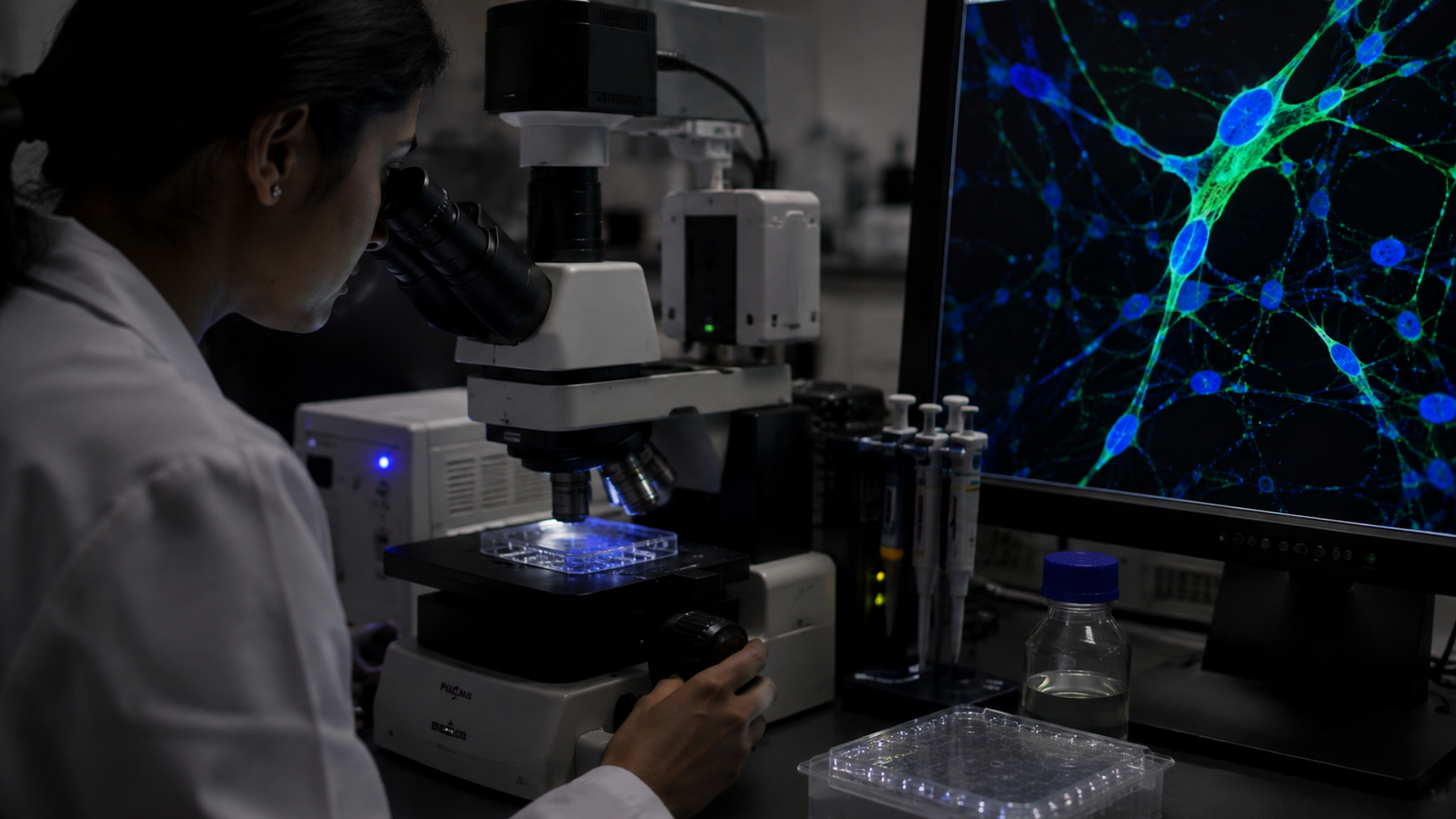
Some of the most concerning findings involve the nervous system directly. A 2024 study found QACs may damage cells that produce myelin, the protective coating around nerve fibers. “Without that protective myelin coating, nerve cells will degenerate and ultimately die. That leads to progressive neurodegeneration in conditions like multiple sclerosis,” said Paul Tesar, the study’s senior author and a professor at Case Western Reserve University.
The Cleaning Industry Says the Alarm Is Getting Ahead of the Science
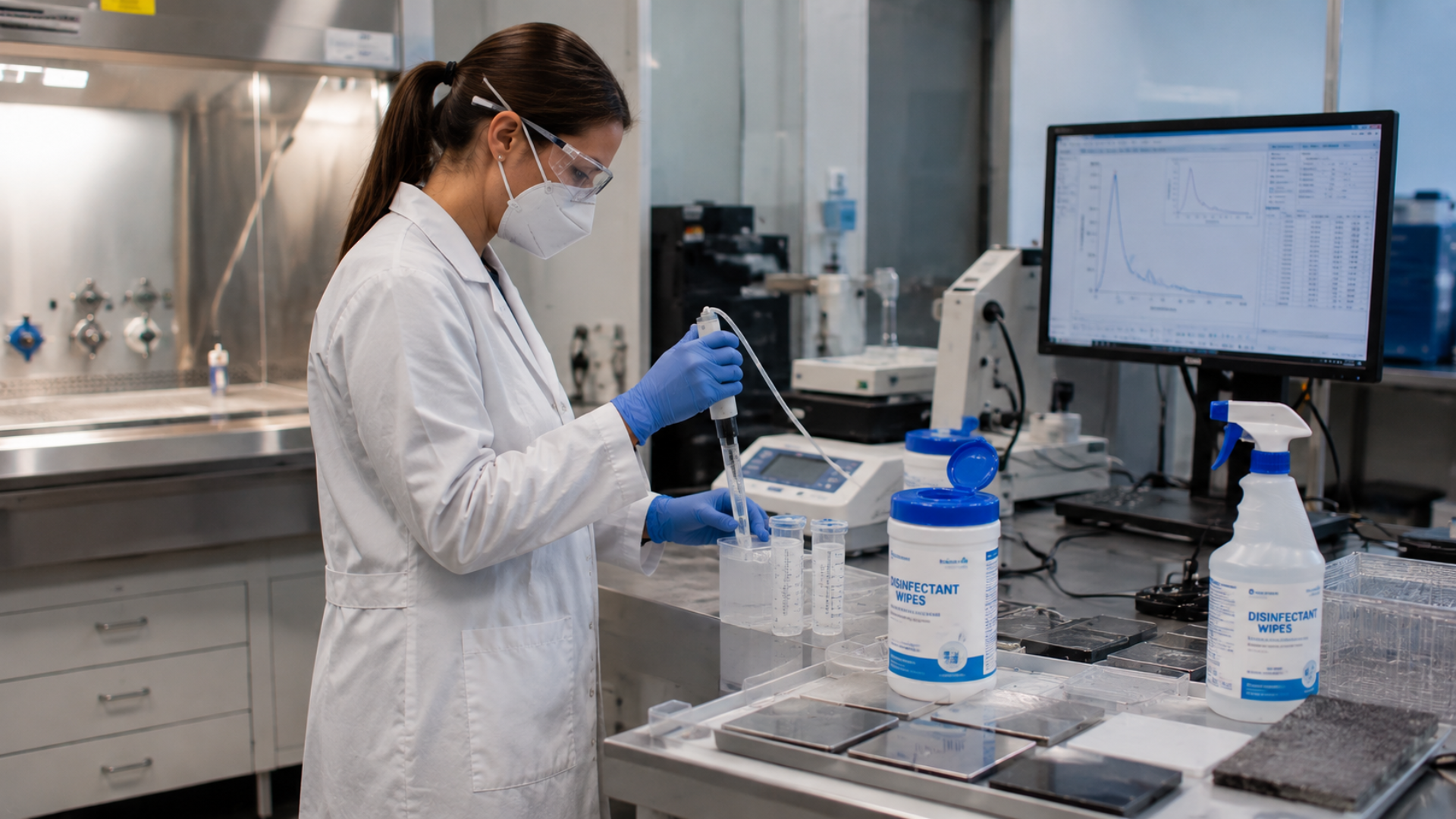
Not everyone studying this issue agrees on how alarmed people should be right now. Rebecca Fuoco of the Green Science Policy Institute warned that QACs are “on track to be the next major toxic chemical story.” Industry representatives pushed back directly. “The fact that a substance can be detected in blood, breast milk, urine or other samples does not, by itself, prove an adverse health effect,” said Dan Selechnik of the American Cleaning Institute.
A Second Lab Found the Exact Same Alarming Pattern Independently
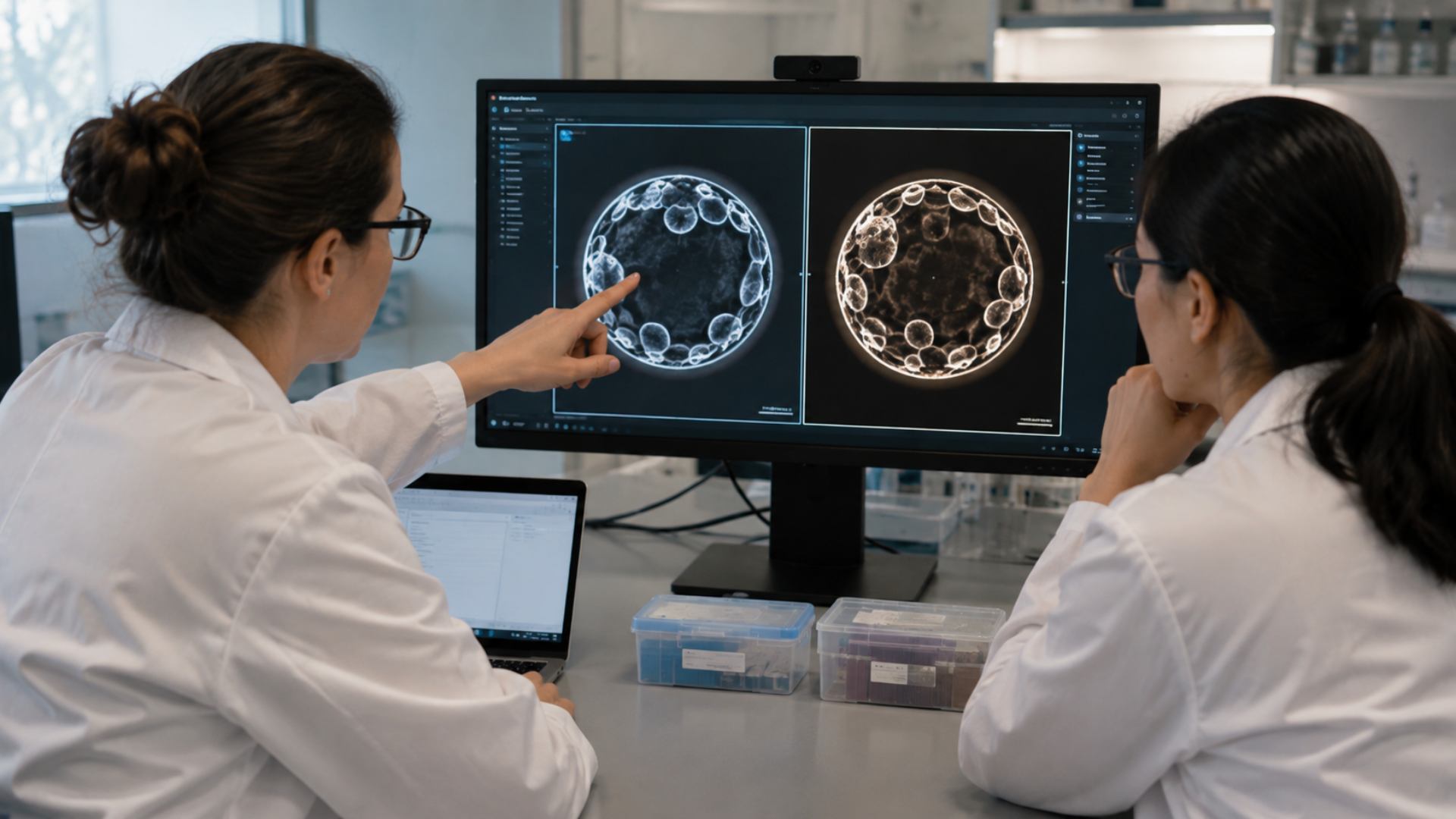
Reproductive researcher Terry Hrubec independently discovered similar problems in her own lab mice back in 2008. “Many of the mice carried fetuses with partial brains, brain tissue growing out of the skull, or no brains at all. They also had openings in their spinal columns,” she said. Hrubec and Hunt eventually began collaborating, confirming the pattern was not limited to one laboratory or one research team.
Soap and Water Already Do What the “99%” Claim Promises
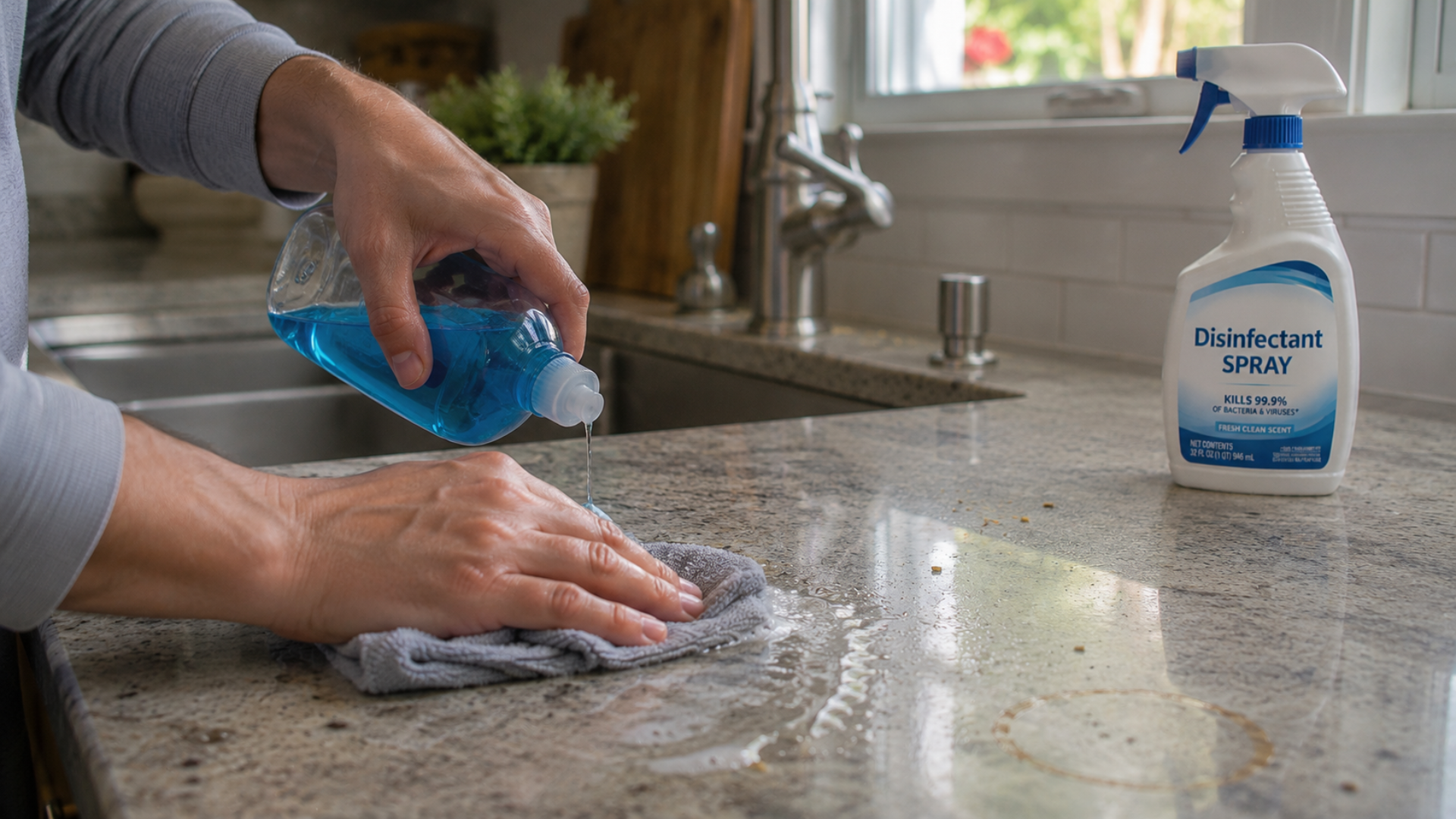
The irony at the center of this research involves the very claim printed on cleaning product labels. “Manufacturers advertise that these chemicals kill 99% of germs. But soap and water wash away 99% of germs, when you rinse, the bacteria and germs are gone,” Hrubec said. In many everyday situations, she explained, ordinary soap and water accomplish the same practical result without the added chemical exposure.
Disinfectant Use Never Actually Slowed Down After the Pandemic Ended
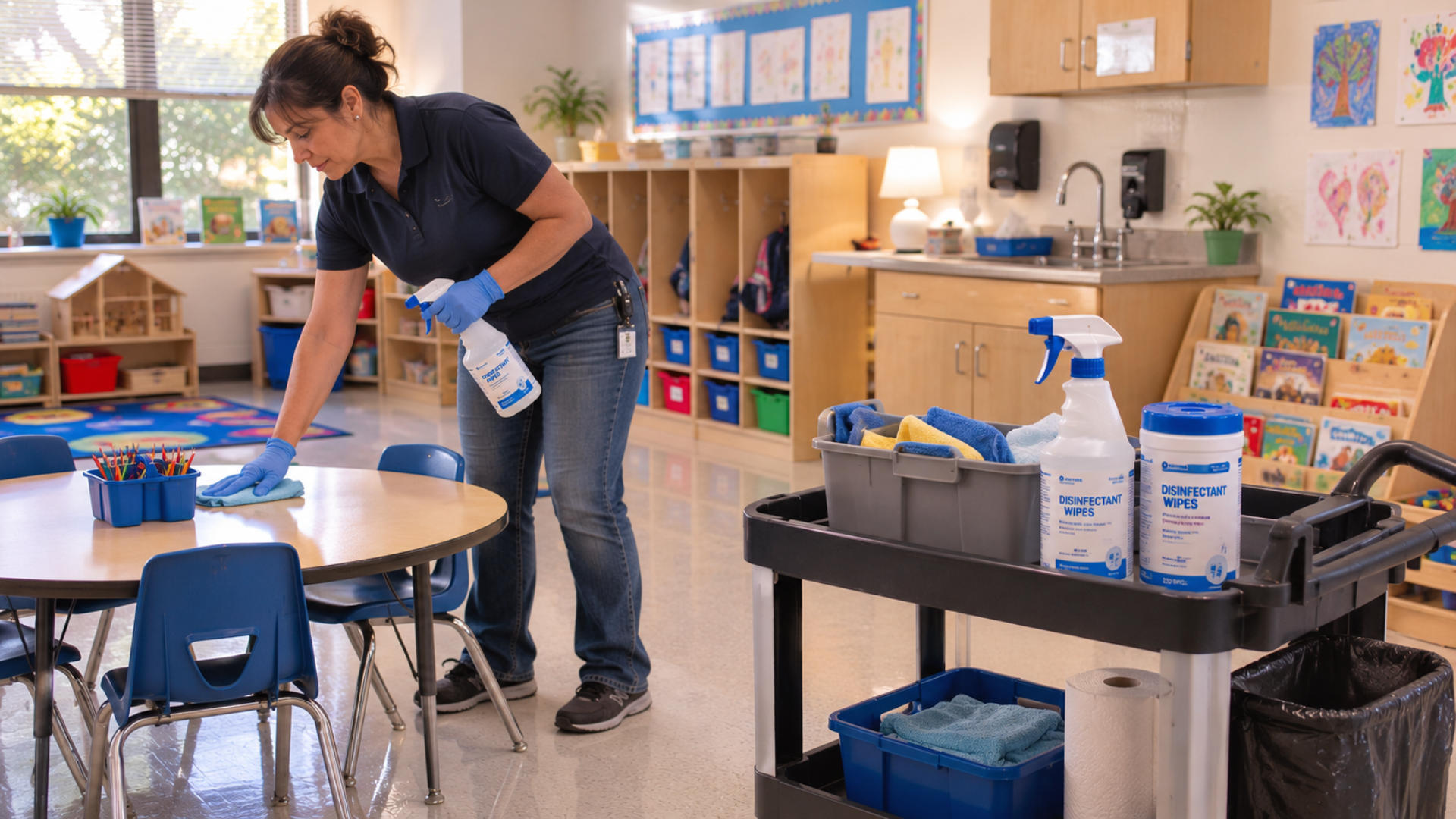
Disinfectant use did not slow down once the immediate pandemic emergency passed. One study found QAC levels in household dust rose 62% during the pandemic, while levels detected in human blood rose 77% in a single year. The global QAC market is now estimated at $1.17 billion in 2026, more than 21% higher than in 2019, even as daily infection risk for most healthy people has dropped substantially since 2020.
Experts Say the Fix Is Knowing When to Clean Versus Disinfect
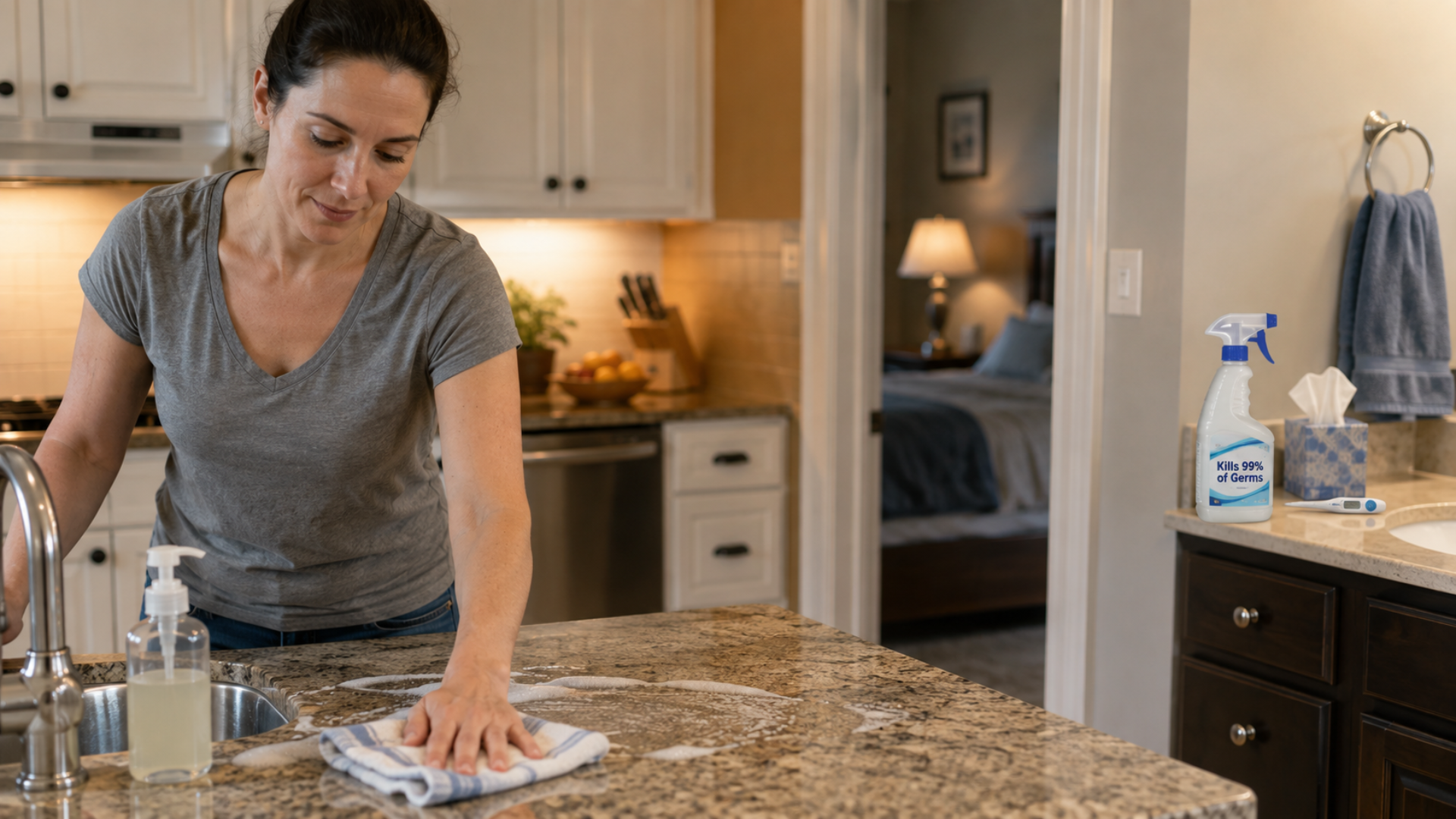
Experts studying QACs are not telling people to stop cleaning altogether. “Our message is to understand when you can just clean versus when you actually need to disinfect. If someone is sick with an infectious disease, that’s a time to disinfect. But you don’t need to disinfect each time you clean,” said Amina Salamova of Emory University. For everyday surfaces, researchers say, plain soap and water often do the job just as well.