A Longer Fall Allergy Season Is Coming. Here’s How You Can Prepare, According to Specialists
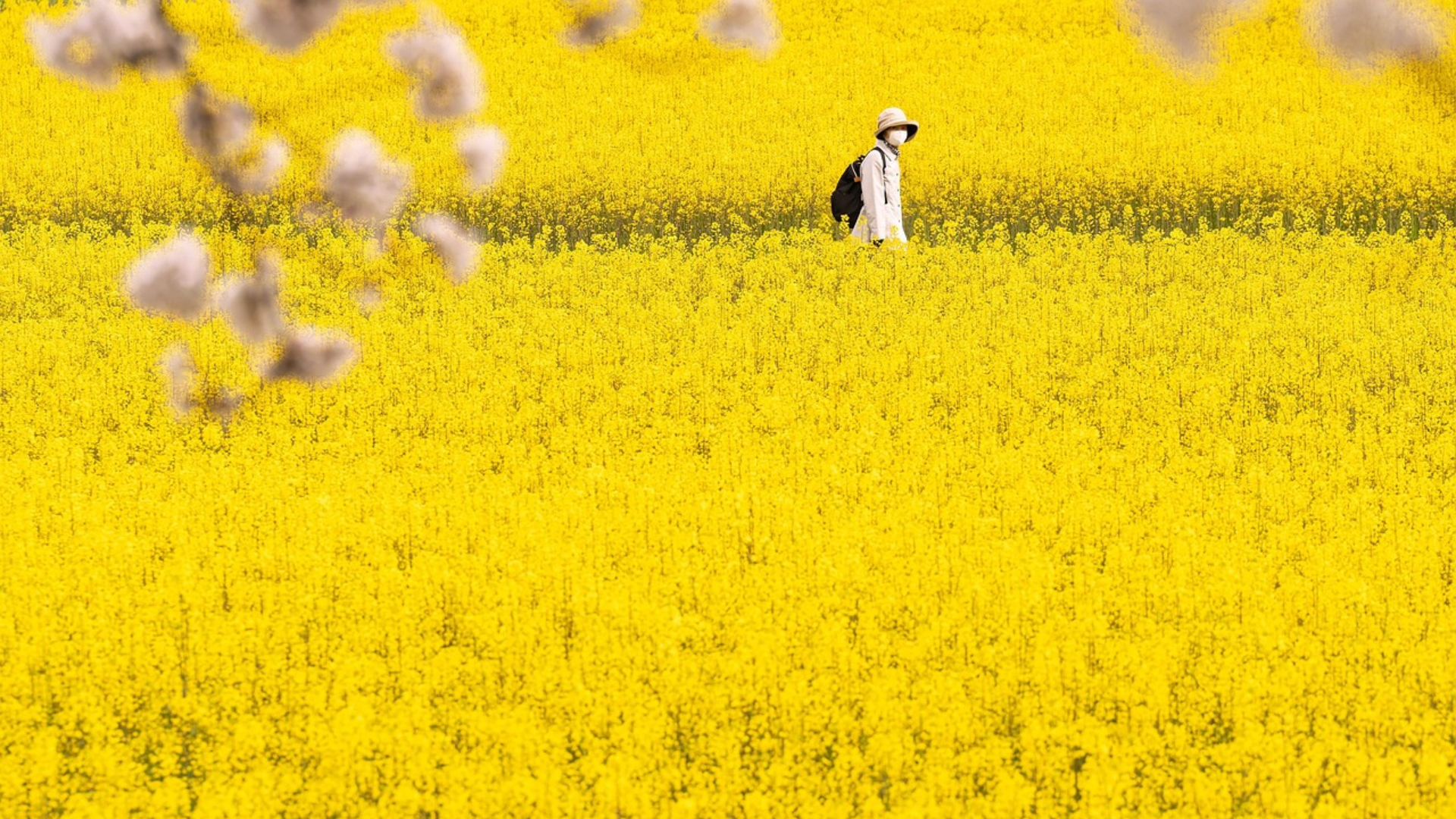

Ragweed used to fade quietly after the first frost. That timeline is stretching out. The American frost-free season has grown by more than two weeks on average nationwide, according to the U.S. Environmental Protection Agency. “The prolonged warm weather means that plants bloom earlier, stay around longer and produce more pollen,” says allergist James Tracy, DO, president of the American College of Allergy, Asthma and Immunology. For the millions who suffer every fall, that shift means real changes to how they prepare.
One Weed Produces a Billion Grains of Pollen Per Season
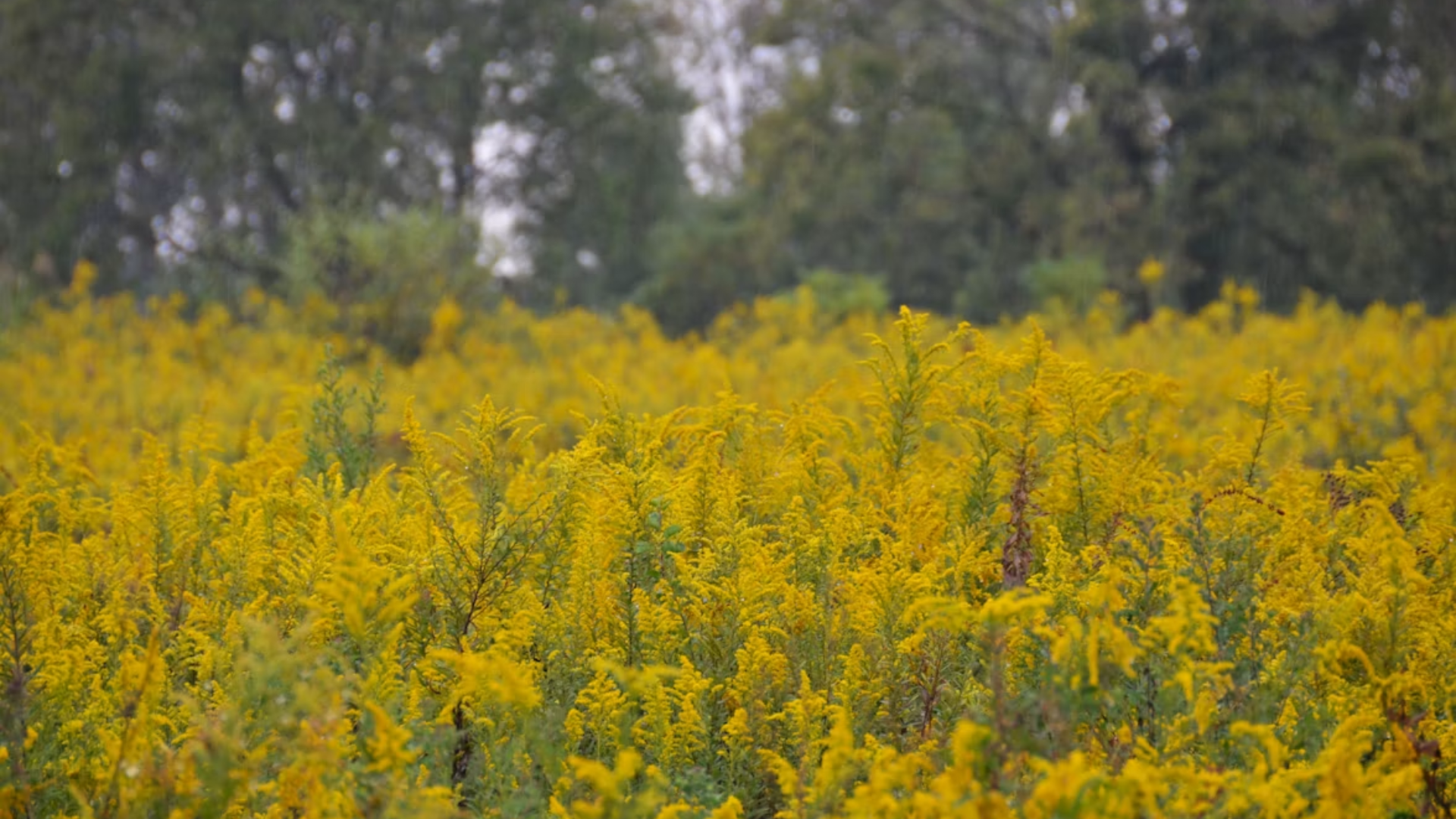
Ragweed sits at the center of nearly every fall allergy conversation, and for good reason. The plant typically peaks from late August through September and can linger until the first hard frost, according to VCU Health allergist Darshana Alle, MD. A single ragweed plant can produce up to 1 billion grains of pollen in one season. Its reach is also striking. According to Sanford Health allergist Kranthi Nomula, MD, ragweed pollen can travel thousands of miles from the plant that released it.
Decomposing Leaves Create a Second Major Trigger
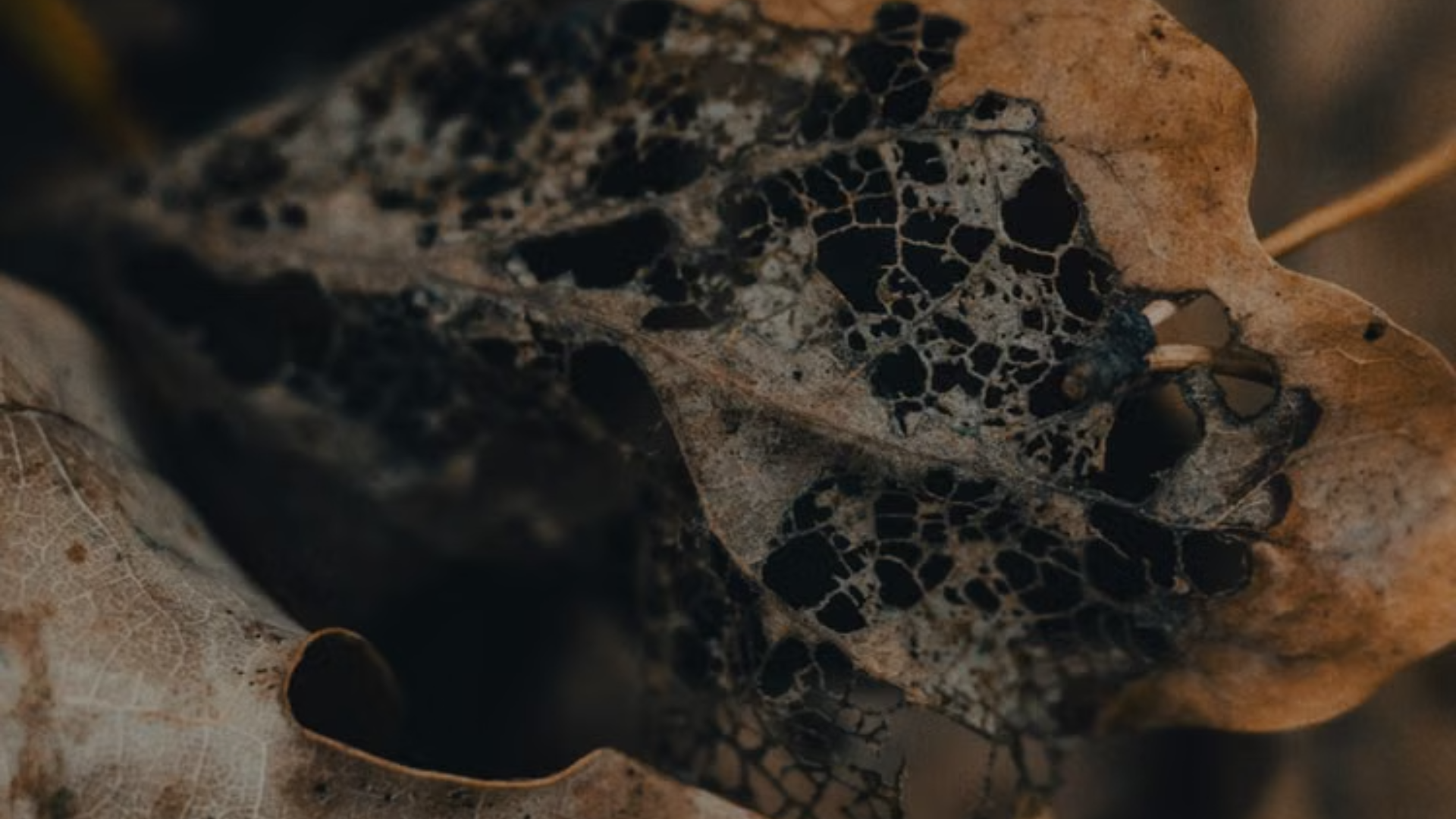
Pollen isn’t the only fall culprit. As leaves and other plant matter break down, they create ideal conditions for mold spore growth. One early warning sign is discoloration. Leaves that begin turning black or white may already be harboring mold, according to the EPA. Dr. Alle notes that people with an underlying dust mite allergy may also notice worse symptoms in fall, largely because more time gets spent indoors as the weather cools.
Rain Can Make the Season Worse, Not Better
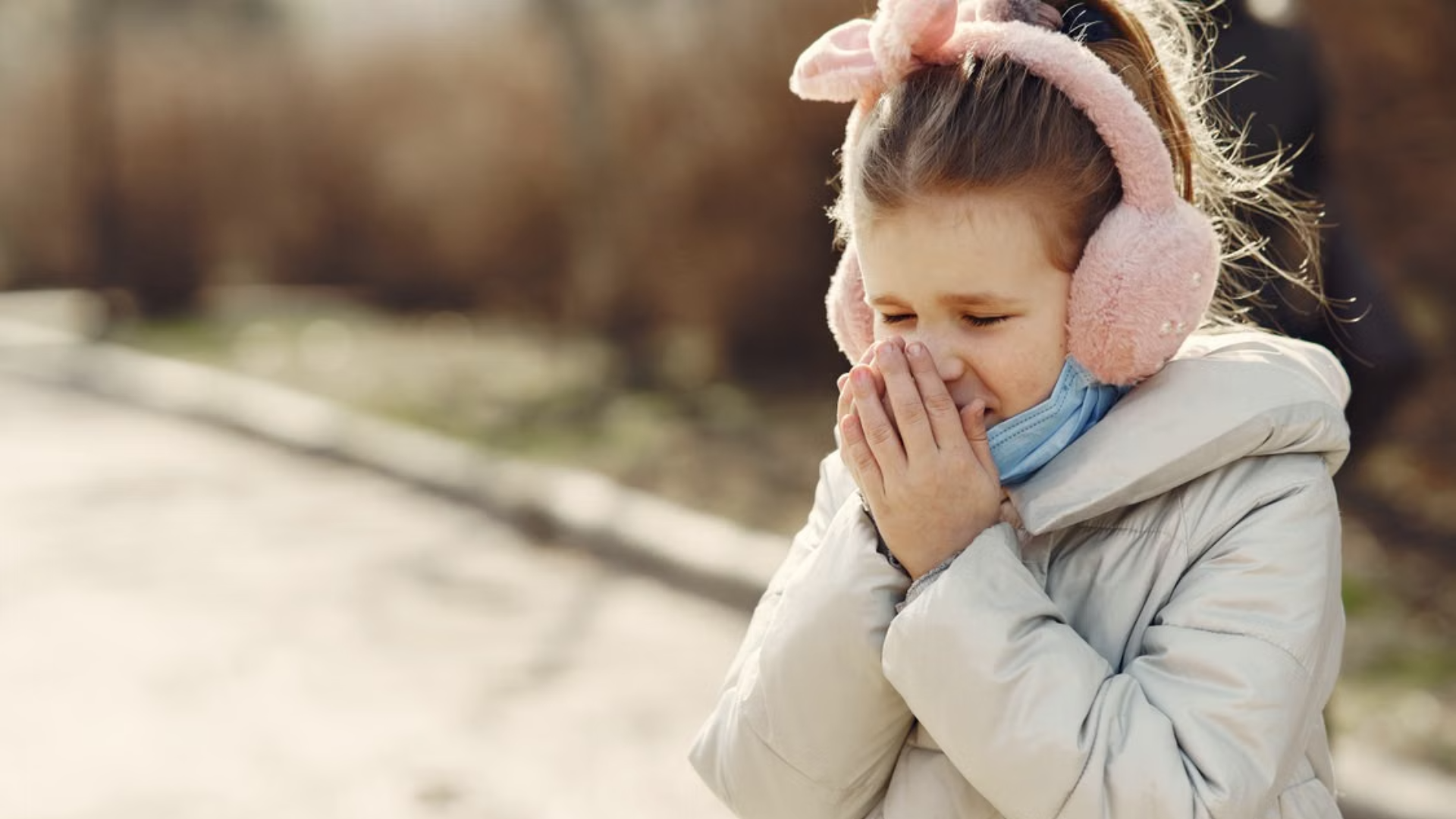
It seems logical that rain would wash pollen out of the air, and temporarily, it does. But the relief doesn’t last. “When you think about it, when we have more rain, you have more plant growth and more mold,” Dr. Nomula explains. Warm, dry, windy days scatter ragweed pollen widely, while rain combined with heat and humidity extends conditions that let mold spores thrive, according to Dr. Alle. Neither weather pattern offers lasting relief on its own.
Starting Medication Early Beats Waiting Until You’re Miserable
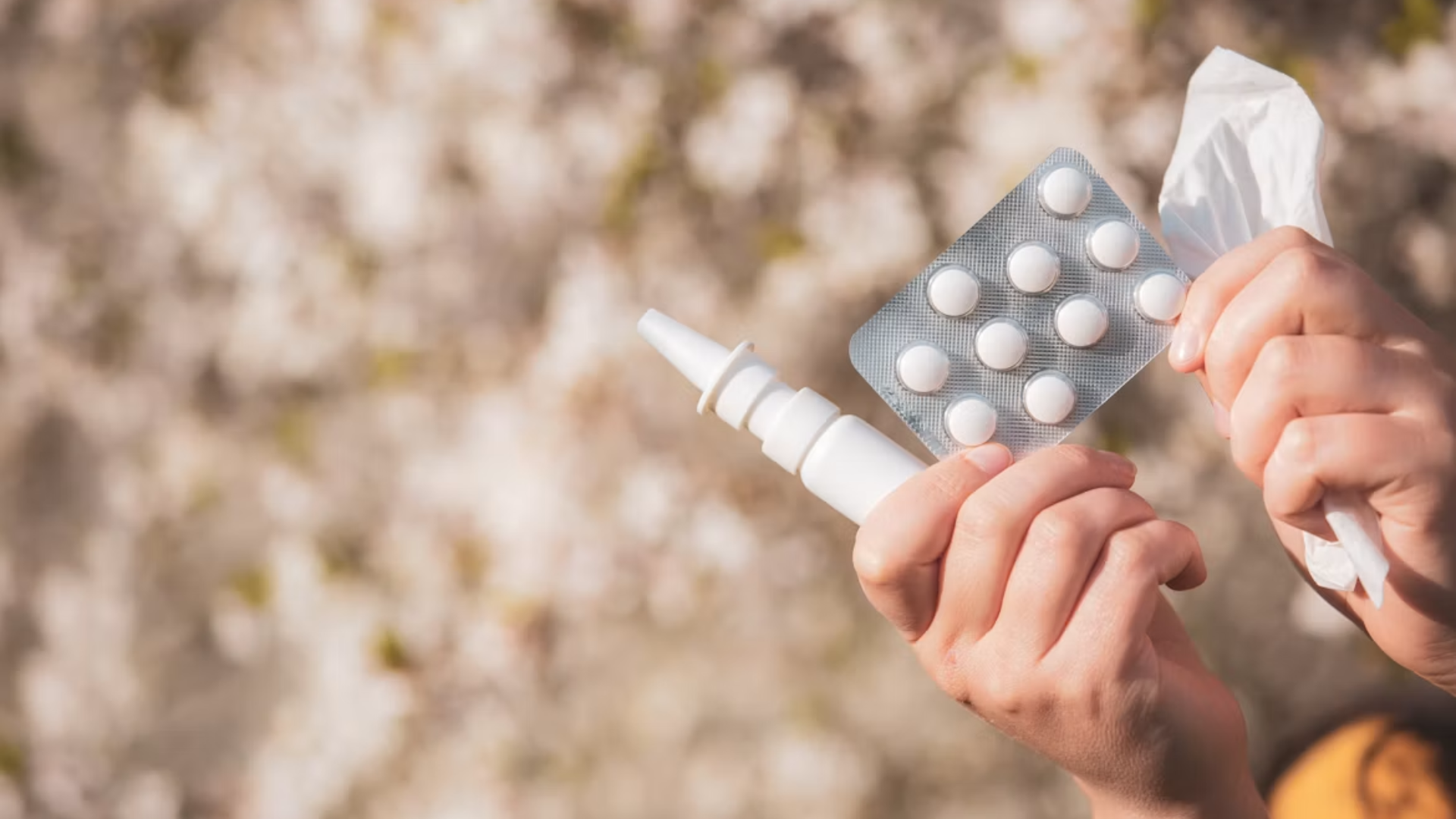
Every source consulted agrees on this point: timing matters more than most people realize. “Don’t wait until you’re miserable,” Dr. Nomula says. “Stay on top of your medication.” The ACAAI recommends starting allergy medication about two weeks before symptoms typically begin, and continuing for two weeks after the first hard frost, since nasal and eye symptoms can linger even after pollen clears from the air.
Newer Antihistamines Won’t Make You Drowsy

Not all allergy medications work the same way. First-generation antihistamines like diphenhydramine, sold as Benadryl, tend to cause drowsiness and are best taken close to bedtime. Second and third-generation options like cetirizine and fexofenadine, sold as Zyrtec and Allegra, cause fewer sedative effects and can be taken any time during the day, according to Dr. Alle. Dr. Nomula adds that steroid nasal sprays like Flonase and Nasacort can also help significantly, though they may take a few days of consistent use to show full effect.
A Simple Mucus Check Can Help You Tell Allergies From a Cold
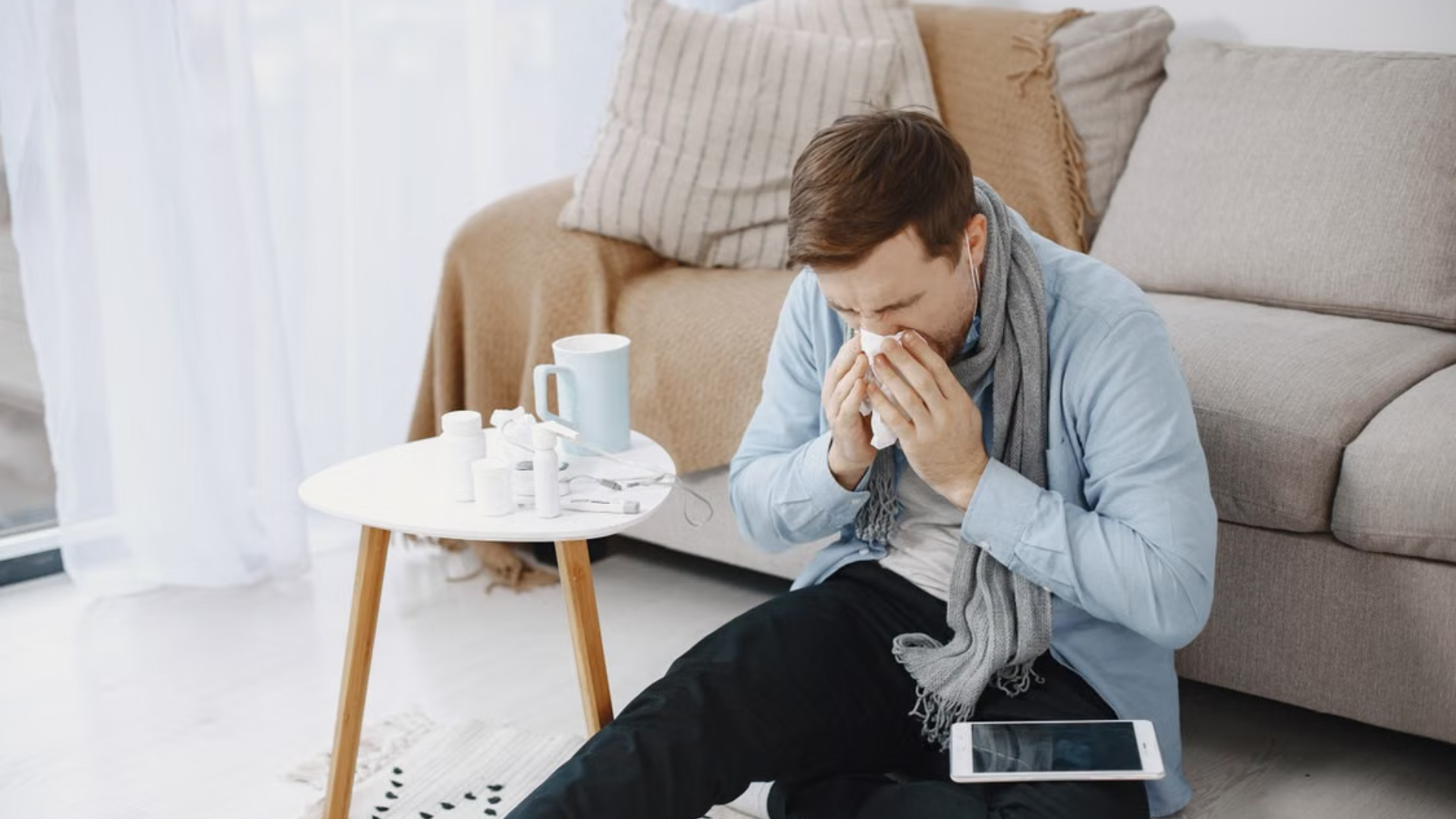
Allergies and colds share several symptoms, including sneezing, congestion, and a runny nose, but they stem from very different causes. Allergies are triggered by an immune response, while colds and flu come from viruses. Dr. Alle offers one practical way to tell them apart: clear, watery mucus usually points to allergies, while green, yellow, or brown mucus suggests a cold or flu. Allergy symptoms also tend to linger for weeks or months, unlike a cold, which typically resolves within one to two weeks.
Changing Clothes at the Door Can Cut Down Exposure Significantly

Pollen doesn’t stay outside once you walk through the front door, it travels with you. The ACAAI recommends removing shoes at the door, immediately washing clothing worn outdoors, and showering with special attention to hair, where pollen tends to linger. Dr. Jose Arias, an allergist and clinical immunologist cited by the American Lung Association, suggests showering and washing hair before bed specifically to keep pollen off pillows and bedding overnight.
Running a Ceiling Fan Might Be Spreading Allergens Around Your Room
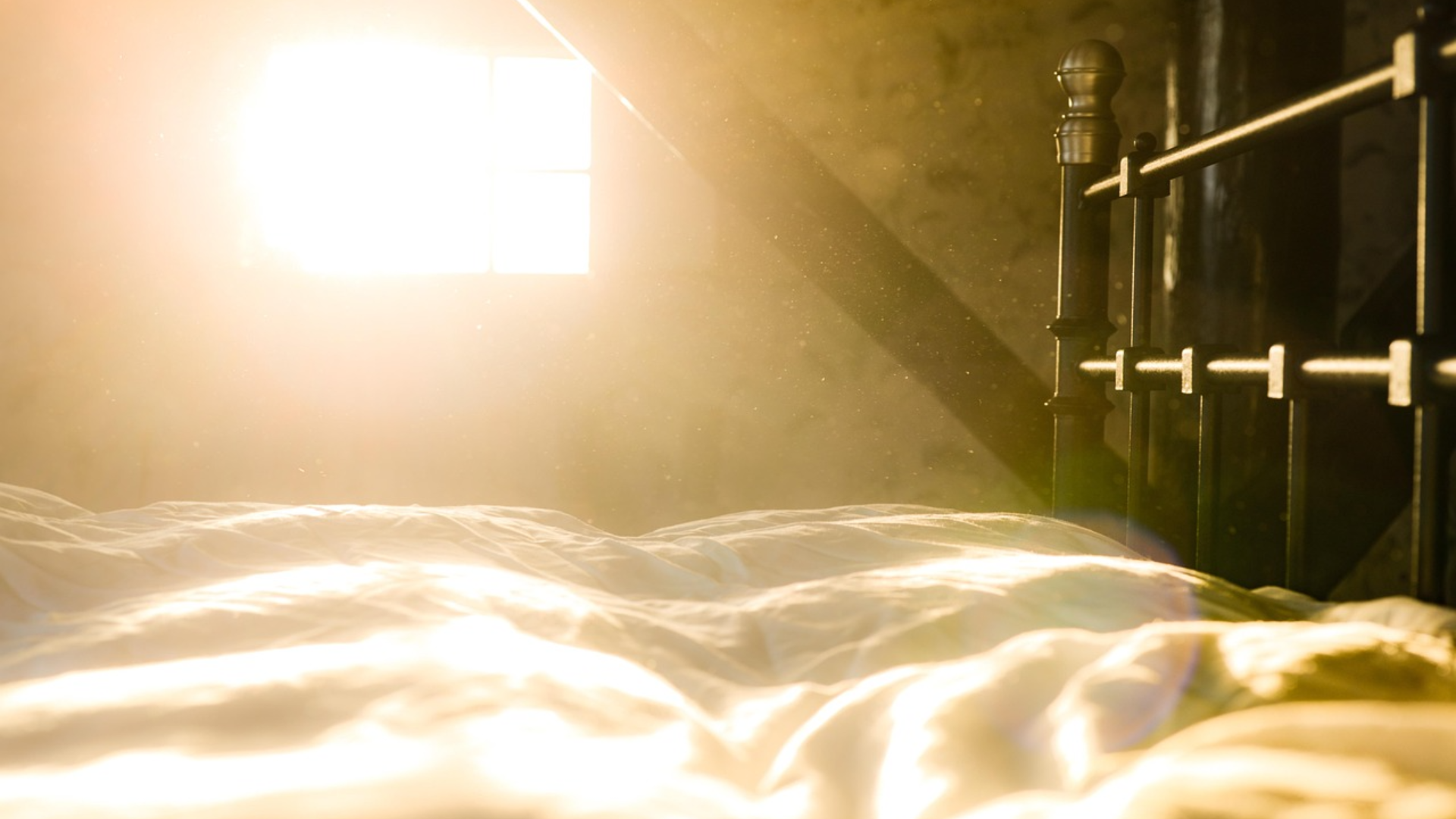
Some everyday habits can quietly work against allergy sufferers. Dr. Arias points to fans as a common, overlooked culprit, since they can stir up dust and pollen that then get inhaled during sleep. He suggests a simple test: shine a flashlight across a room while a fan runs, and the particles moving through the air become visible. Running an air conditioner with a HEPA filter, or a portable air cleaner, offers a better alternative for controlling indoor allergens.
Allergy Shots Can Retrain Your Immune System Over Time

For people whose symptoms don’t respond well to medication alone, allergen immunotherapy offers a longer-term option. The treatment involves regular injections over three to five years, gradually increasing concentrations of the specific allergens causing symptoms, according to Dr. Alle. Dr. Nomula describes it as a way to “retrain certain cells in your immune system to be less reactive,” a approach that can be especially valuable for people who face the same fall allergies year after year without lasting relief from medication alone.