Scientists Fear a Chain Reaction Could Push Civilization Toward Collapse
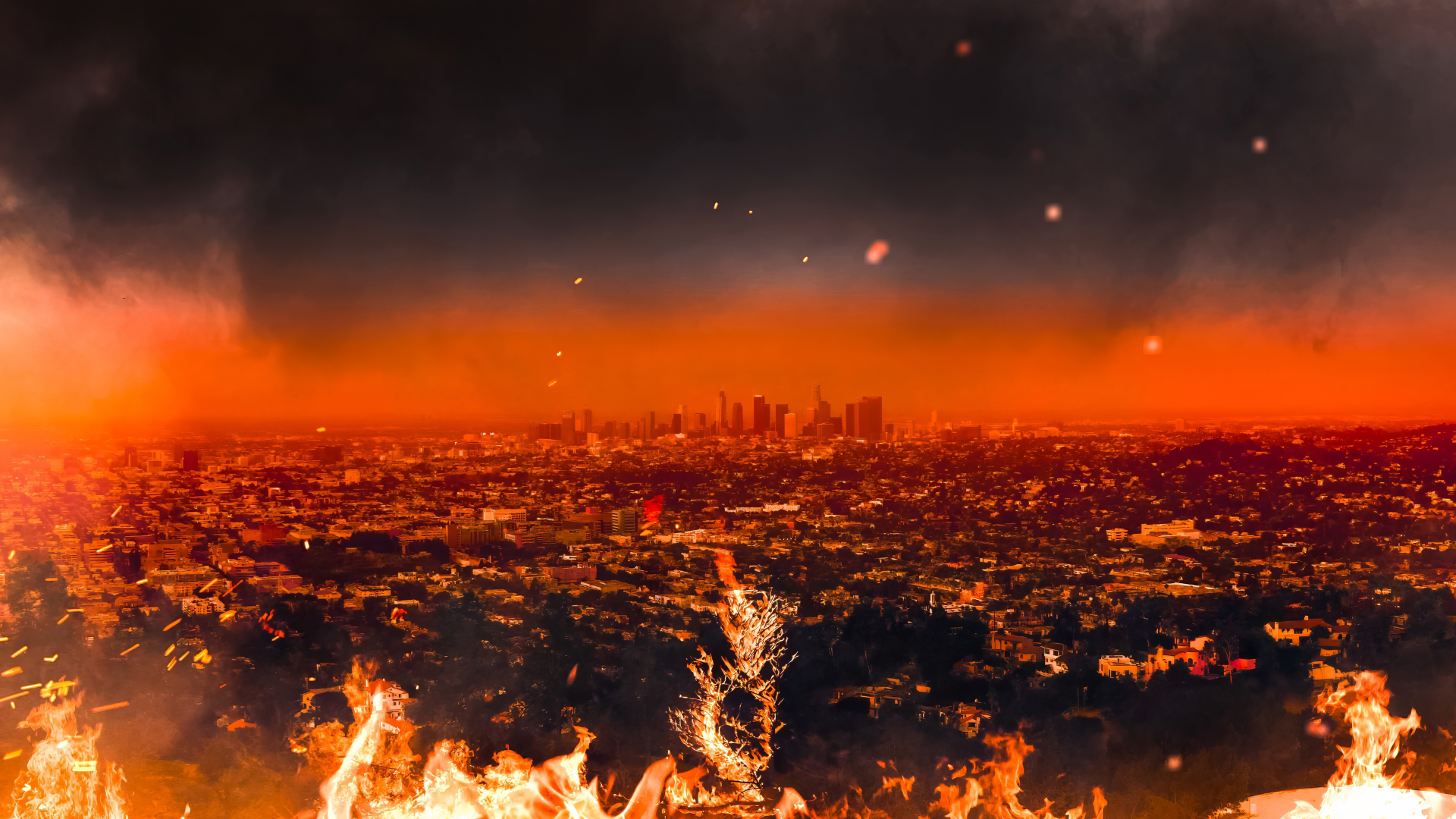

Scientists have warned that a combination of climate change, ecosystem damage and social pressures could create a chain reaction that becomes increasingly difficult to reverse. The concern centers on climate tipping points, where changes in one part of the Earth system can amplify warming or destabilize other natural systems. The claim that civilization could ultimately collapse is far more severe than saying climate change will cause serious disruption, and it is important to understand that this warning is based on a scientific debate about long-term risks rather than a prediction that civilization is certain to end.
What Is a Climate Tipping Point?
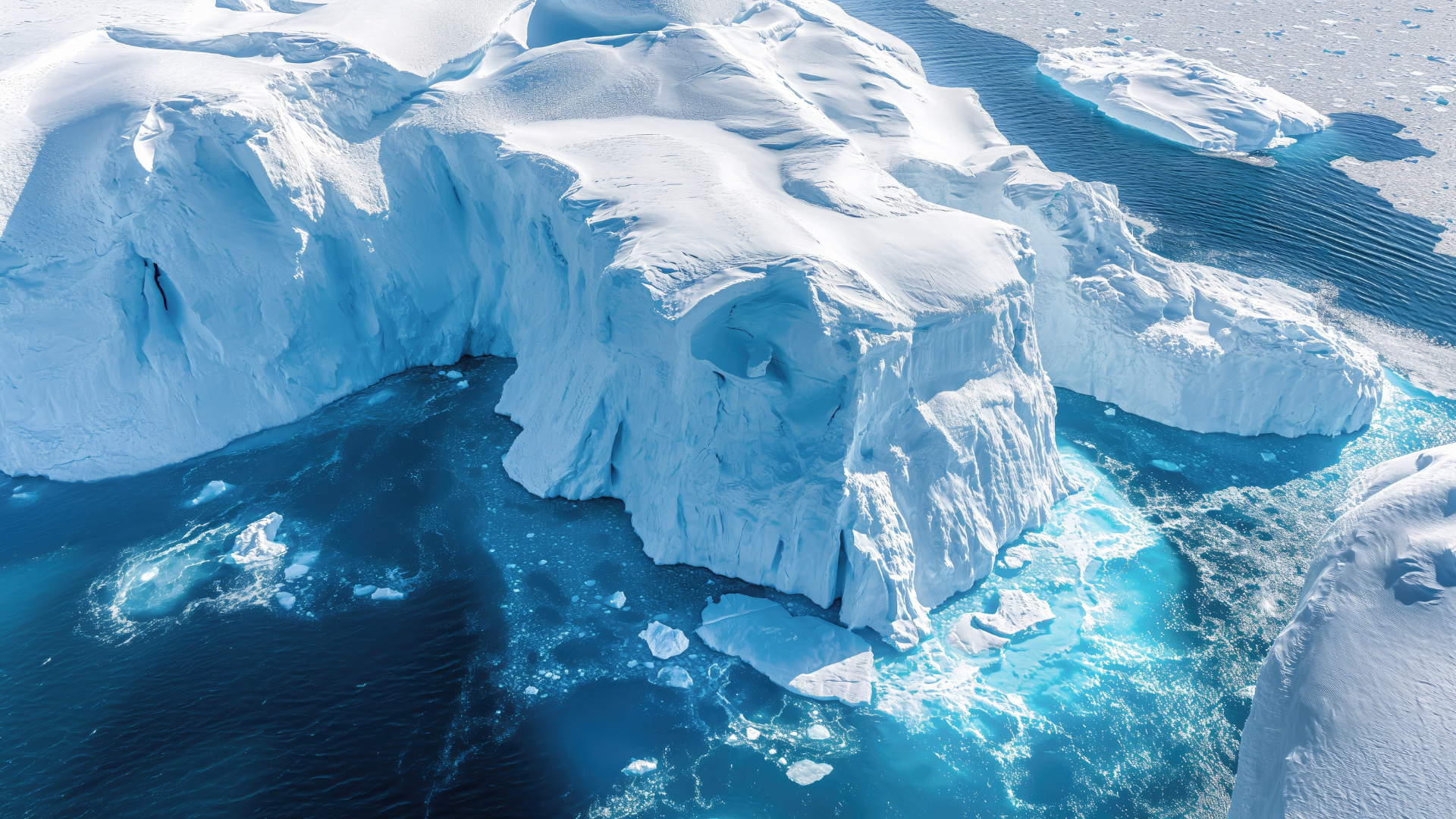
A climate tipping point occurs when an environmental system changes enough that it can move toward a new state, potentially making the original conditions difficult or impossible to restore. Examples discussed by scientists include the Greenland and West Antarctic ice sheets, the Amazon rainforest, Arctic sea ice and thawing permafrost. Once several systems begin changing together, researchers have raised concerns that feedback loops could make global warming more difficult to control.
Nine of 15 Major Tipping Elements Had Already Been Activated
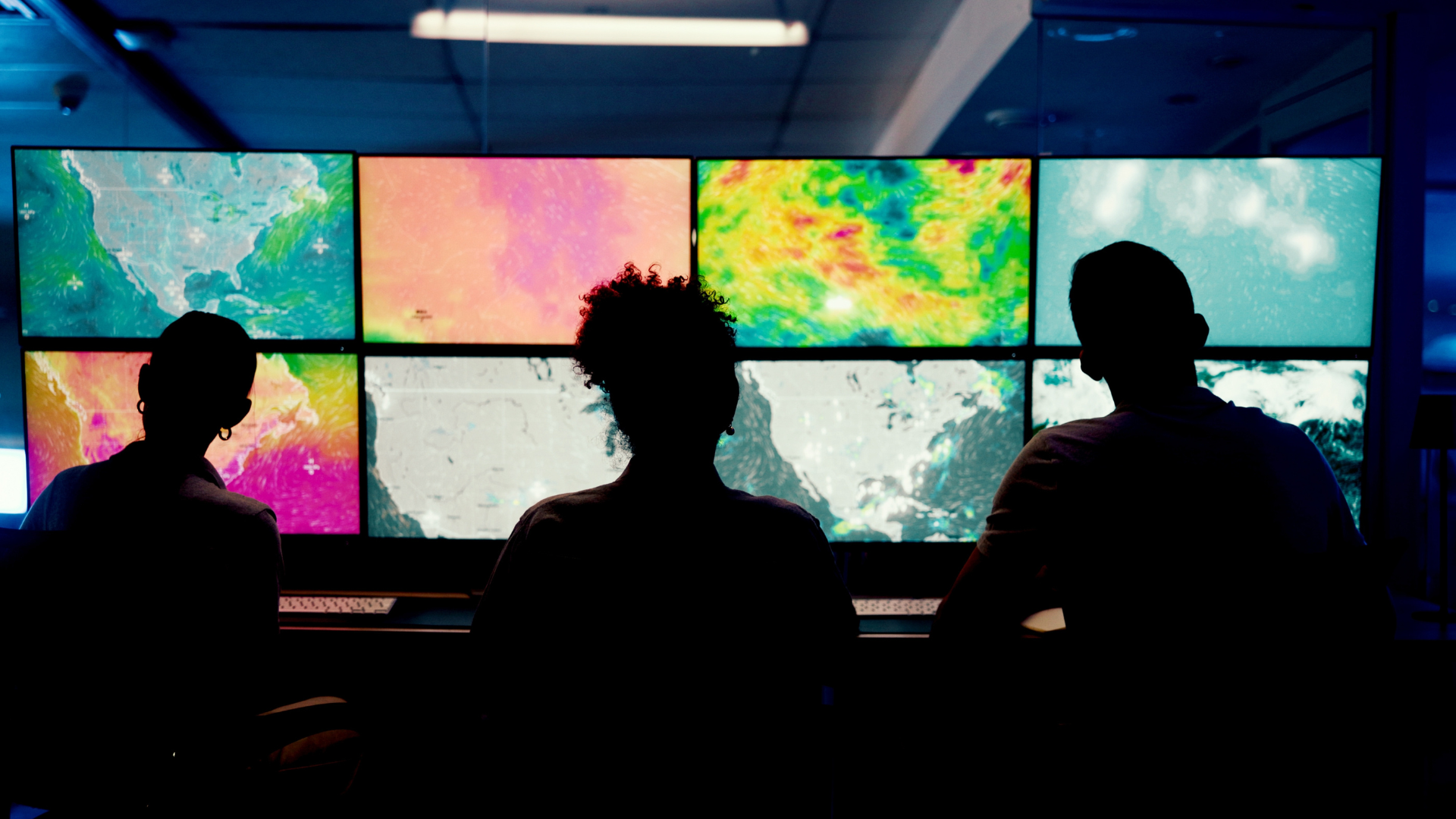
One of the most striking figures behind the warning is that scientists identified 15 major Earth-system tipping elements and concluded that nine had already been activated or were showing evidence of being pushed toward tipping behavior. These included changes involving Arctic sea ice, coral reefs, permafrost, ocean circulation and major ice sheets. The researchers warned that interactions between tipping elements could create a “tipping cascade,” in which one destabilized system increases pressure on another.
How One Environmental Crisis Could Make Another Worse
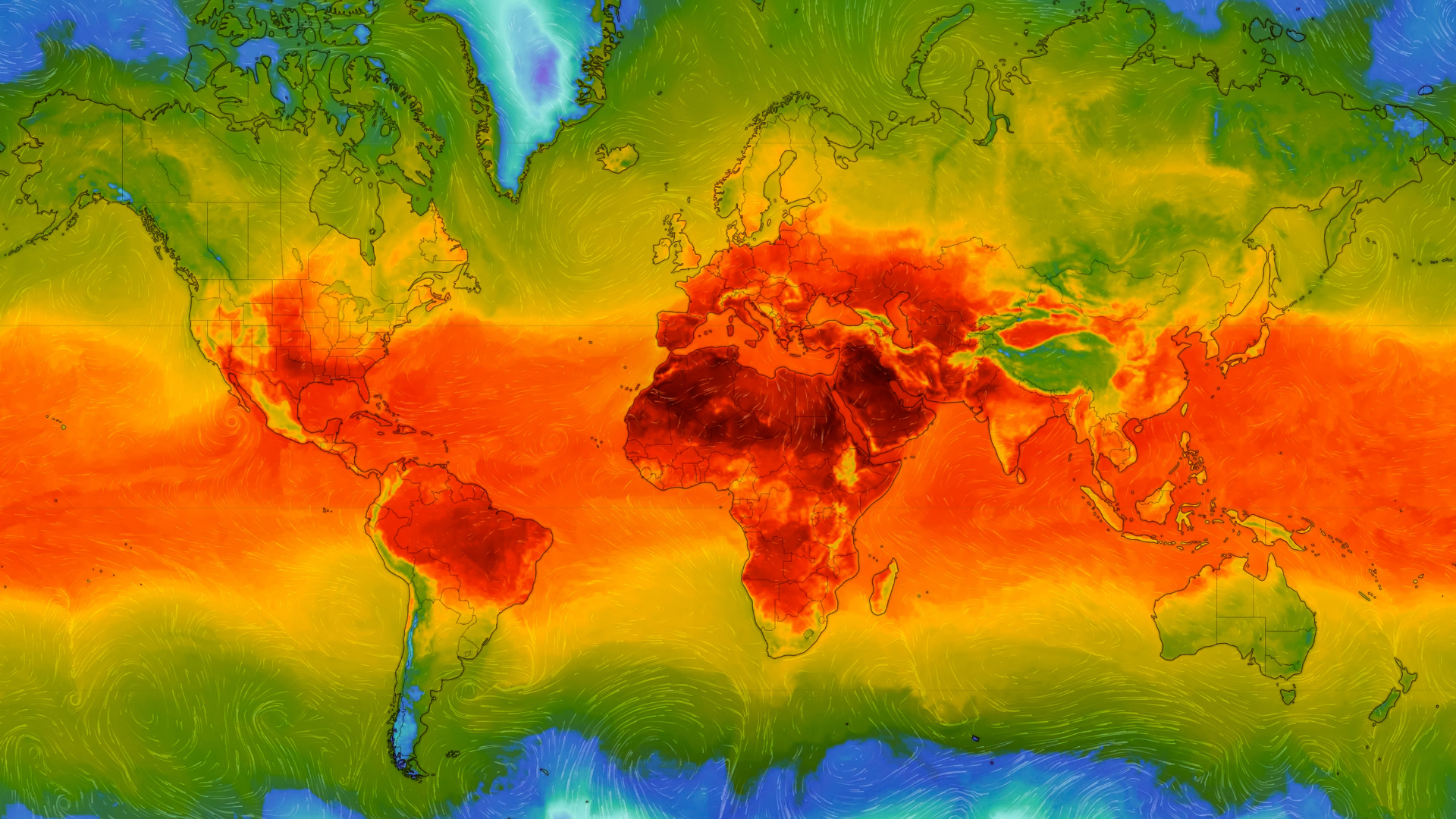
The danger is not simply that individual environmental problems happen separately. For example, thawing permafrost can release additional greenhouse gases, while the loss of forests can reduce the planet’s ability to absorb carbon dioxide. Melting ice also reduces the amount of sunlight reflected back into space, allowing more heat to be absorbed. These feedback mechanisms could reinforce one another and accelerate changes that would otherwise occur more slowly.
The Amazon and Major Ice Sheets Are Part of the Concern
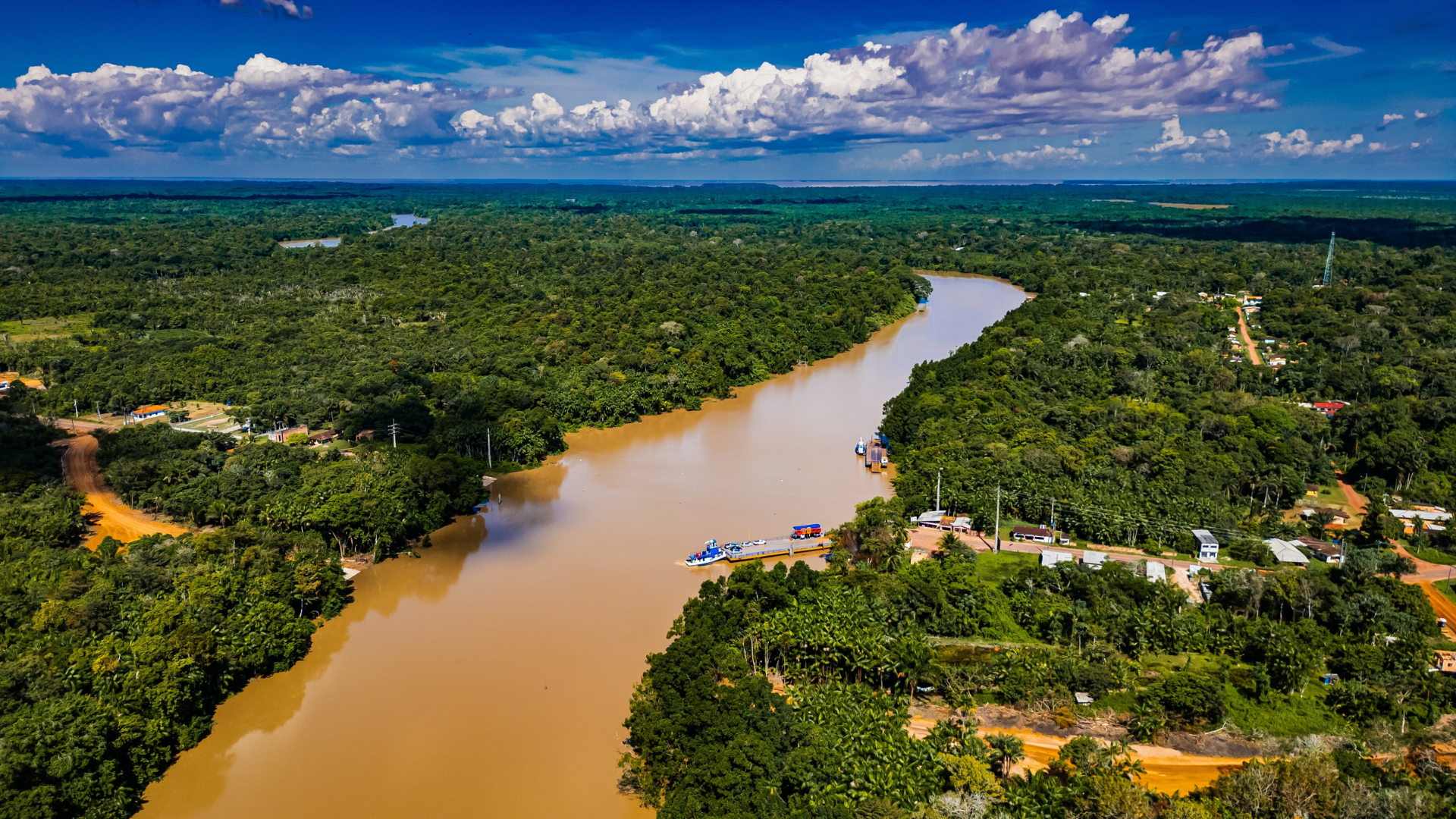
Scientists have paid particular attention to the Amazon rainforest and the Greenland and West Antarctic ice sheets because major changes in these systems could have consequences far beyond the regions where they occur. Forest degradation can affect carbon storage and regional rainfall, while ice-sheet loss contributes to rising sea levels. Steffen warned that some tipping elements could be pushed beyond dangerous thresholds faster than the world could transition away from fossil fuels under then-current policies.
A Warmer World Could Put More Pressure on Food and Water

Climate disruption can affect the basic systems modern societies depend upon, including agriculture, freshwater supplies and stable coastal communities. More extreme heat, changing rainfall patterns, drought and rising seas can make food production and infrastructure more difficult in vulnerable areas. The concern is that multiple stresses occurring at the same time could increase migration, economic instability and competition for resources.
Scientists Also Point to Biodiversity Loss and Inequality
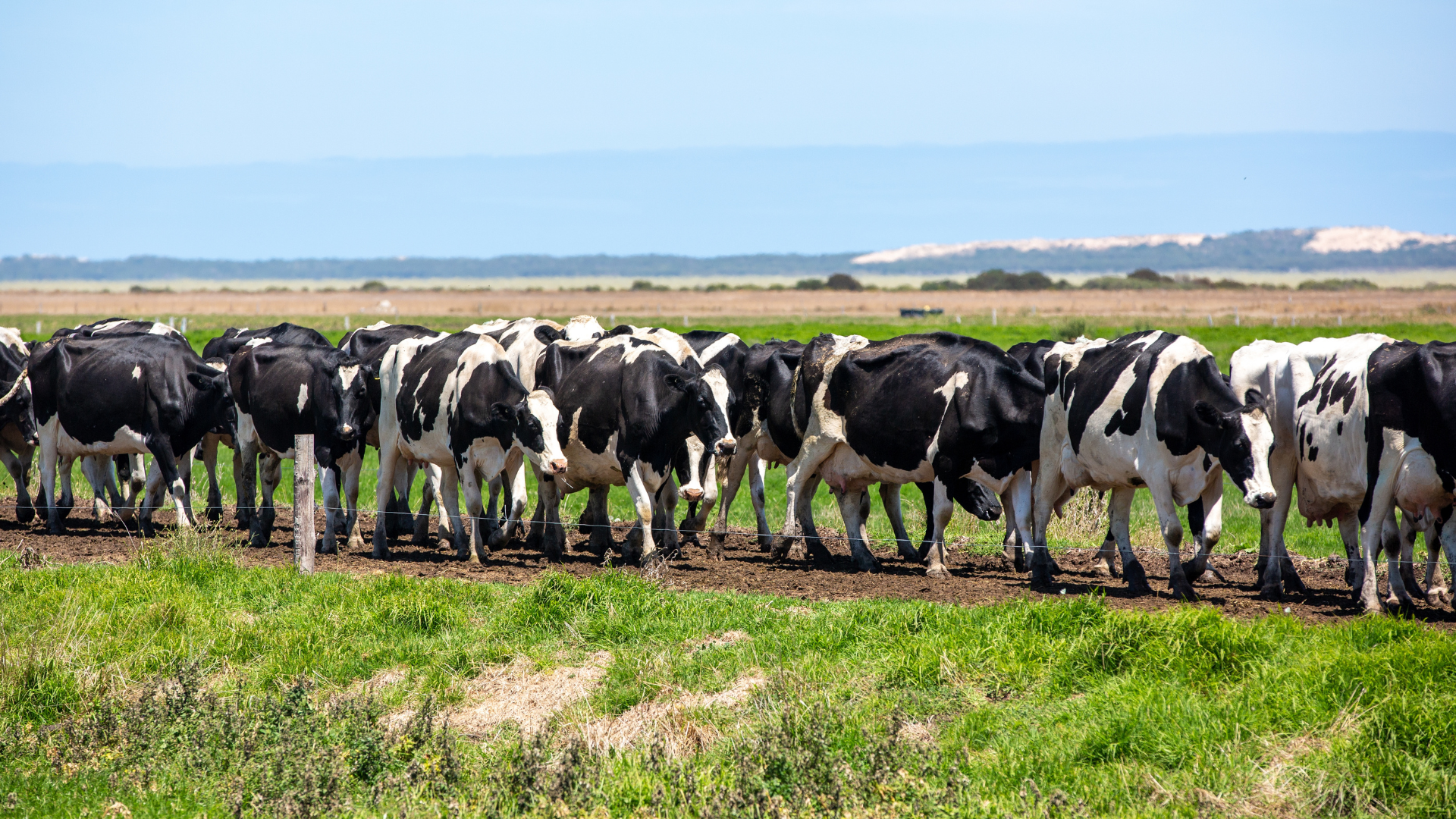
The warning is broader than atmospheric warming alone. Steffen identified climate change, degradation of the biosphere and growing inequality as interconnected parts of a larger problem, arguing that the modern economic system places heavy pressure on natural resources while distributing its benefits and risks unevenly. When environmental shocks hit communities with fewer resources, their ability to adapt can be substantially weaker.
Why the Phrase “Civilization Collapse” Needs Context
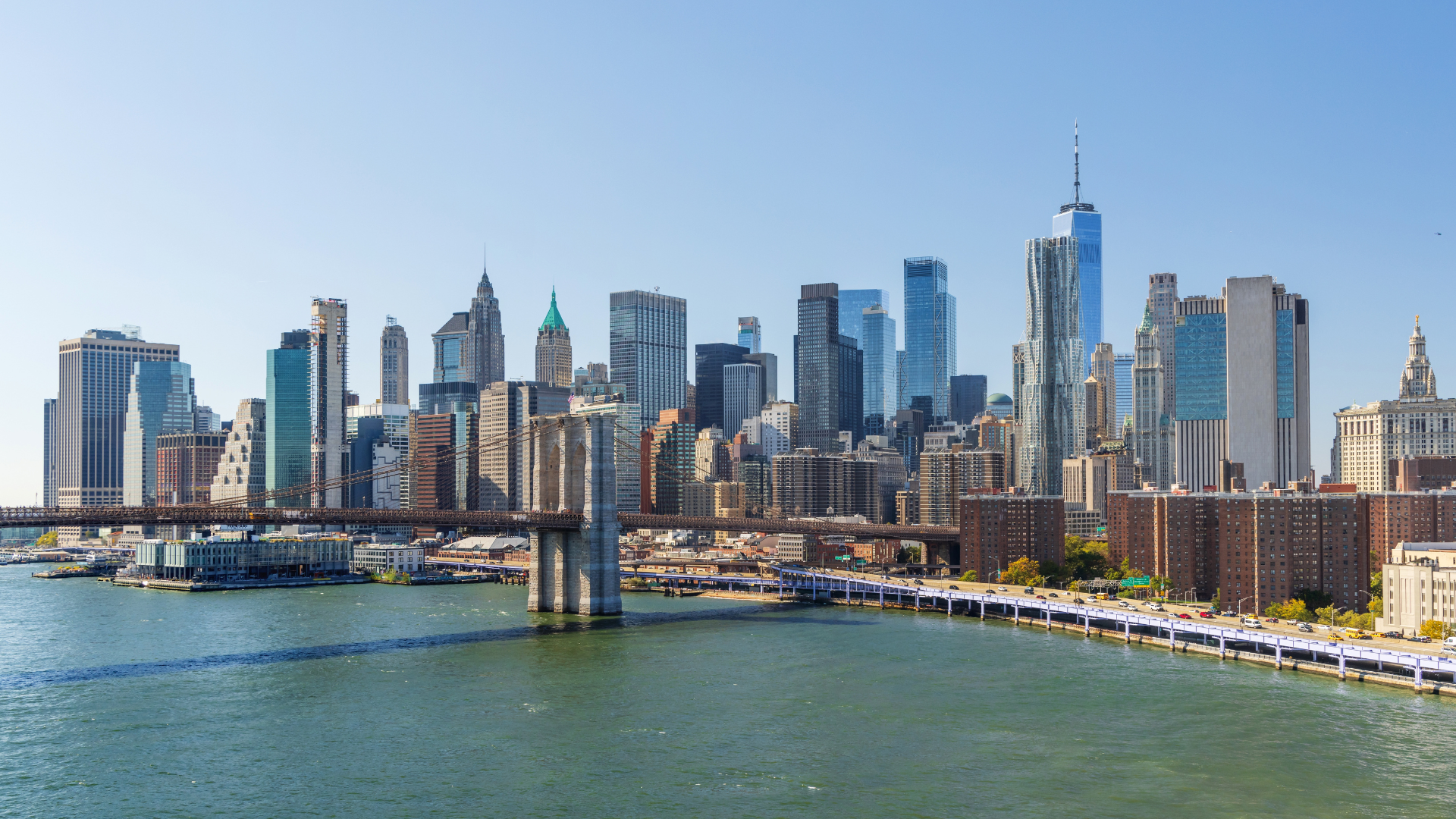
The phrase “civilization collapse” can make the scientific warning sound like researchers have determined that humanity is destined to disappear. That is not what the evidence establishes. Steffen’s comments described collapse as the most likely outcome of the trajectory he was discussing if fundamental environmental and economic problems remained unaddressed, while other scientists have emphasized that humanity could still change course and avoid the worst outcomes.
What Could Prevent a Chain Reaction?
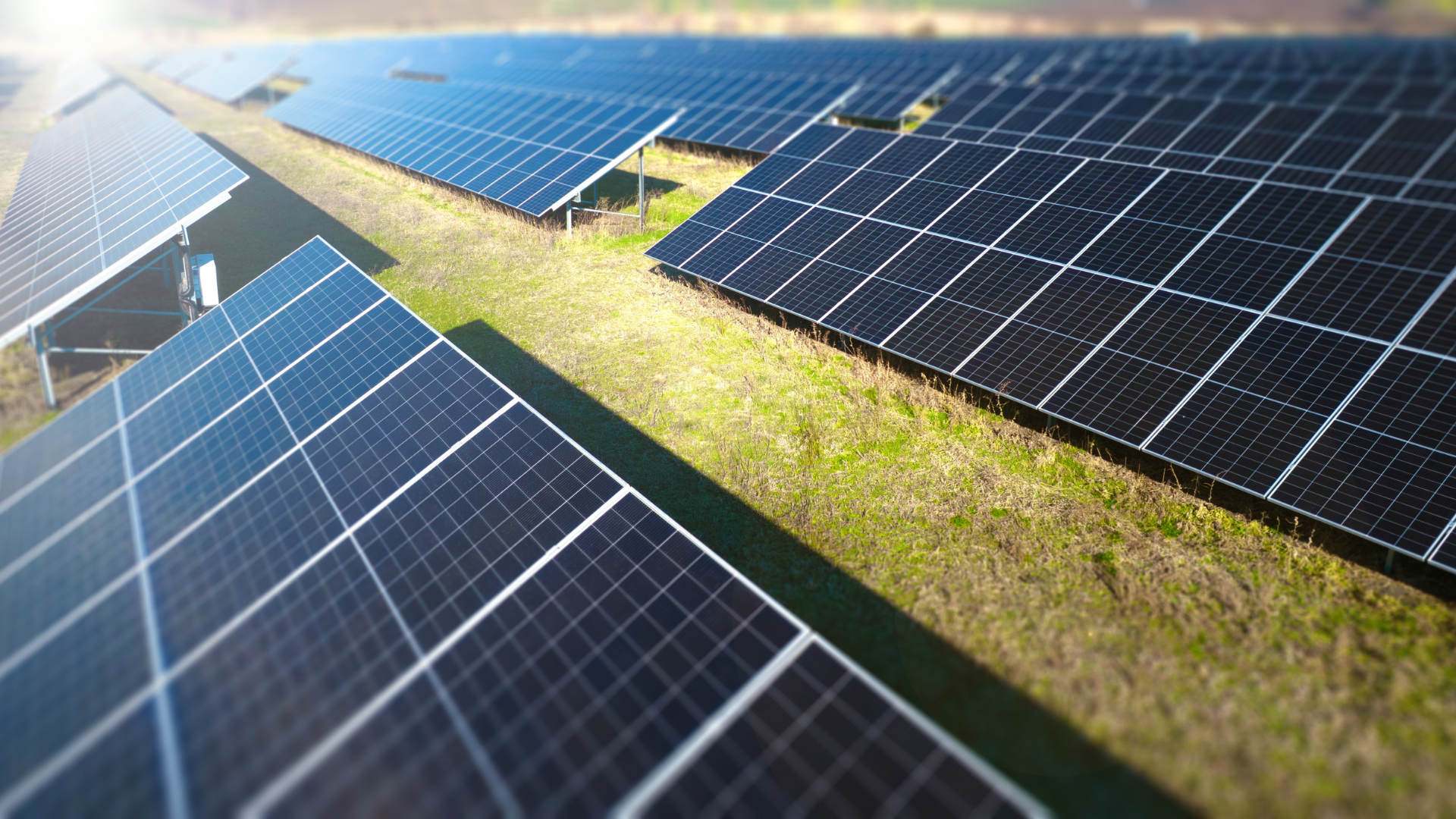
The scientists behind these warnings have argued that reducing greenhouse-gas emissions, protecting ecosystems and rapidly changing energy and economic systems could reduce the risk of triggering dangerous tipping cascades. Steffen and other researchers stressed the importance of keeping warming as low as possible rather than assuming that technological fixes later in the century would automatically reverse every environmental change. The exact future remains uncertain, but the central message is that decisions made now can influence how severe future climate risks become.
The Biggest Risk May Be a Cascade of Problems
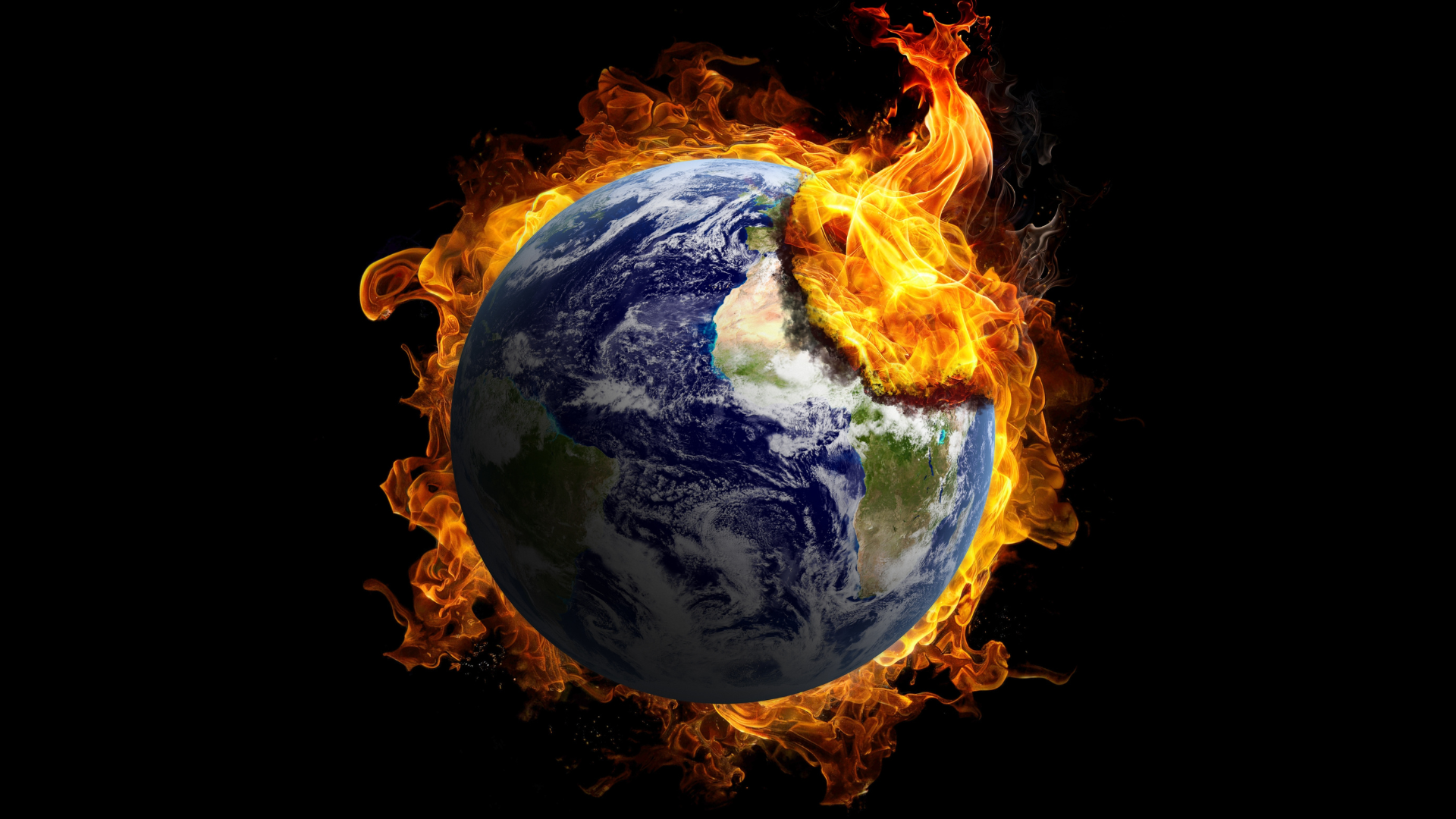
The warning about civilization collapse is best understood as a caution about what could happen if several environmental pressures reinforce one another over time, not as proof that humanity is destined to collapse. Climate tipping points, biodiversity loss, resource pressures and inequality can interact in complicated ways, making the consequences of continued environmental damage potentially much larger than any single crisis. While the original “collapse” warning dates back to 2020, its underlying argument continues to raise an important question: how much can societies reduce these risks before individual problems begin feeding into one another?