What’s Driving Baby Boomers to Buy Bigger Homes as They Retire?


Empty-nesters are supposed to trade the family house for something smaller when they retire. Angela and Victor Martino skipped that step entirely. The Denair, California couple, who run a farm and dried-fruit business, raised two daughters decades ago in a ranch house under 2,000 square feet, then bought the 5,000-square-foot home next door and spent a year renovating it into a home built for holidays with their grandchildren.
The Martinos aren’t alone. About 7% of buyers ages 61 to 70 said more space was the main reason they chose their new home, up from 4% in 2016, according to the National Association of Realtors. Empty-nest boomers owned 28% of U.S. homes with three or more bedrooms in 2024, compared with 16% for millennials raising children, according to Redfin. Boomers account for about 42% of home buyers overall, often paying in cash, NAR found.
April Tardiff, a Merrill Lynch financial adviser in Portland, Maine, is seeing it firsthand. Eight of her clients retired this year, and every single one chose to upsize; only one client has downsized in the past five years. “The historic retirement play of sell your home and buy a smaller one just isn’t happening,” Tardiff said, noting that postretirement financial planning has reversed course entirely.
Wealth Is Changing the Retirement Playbook
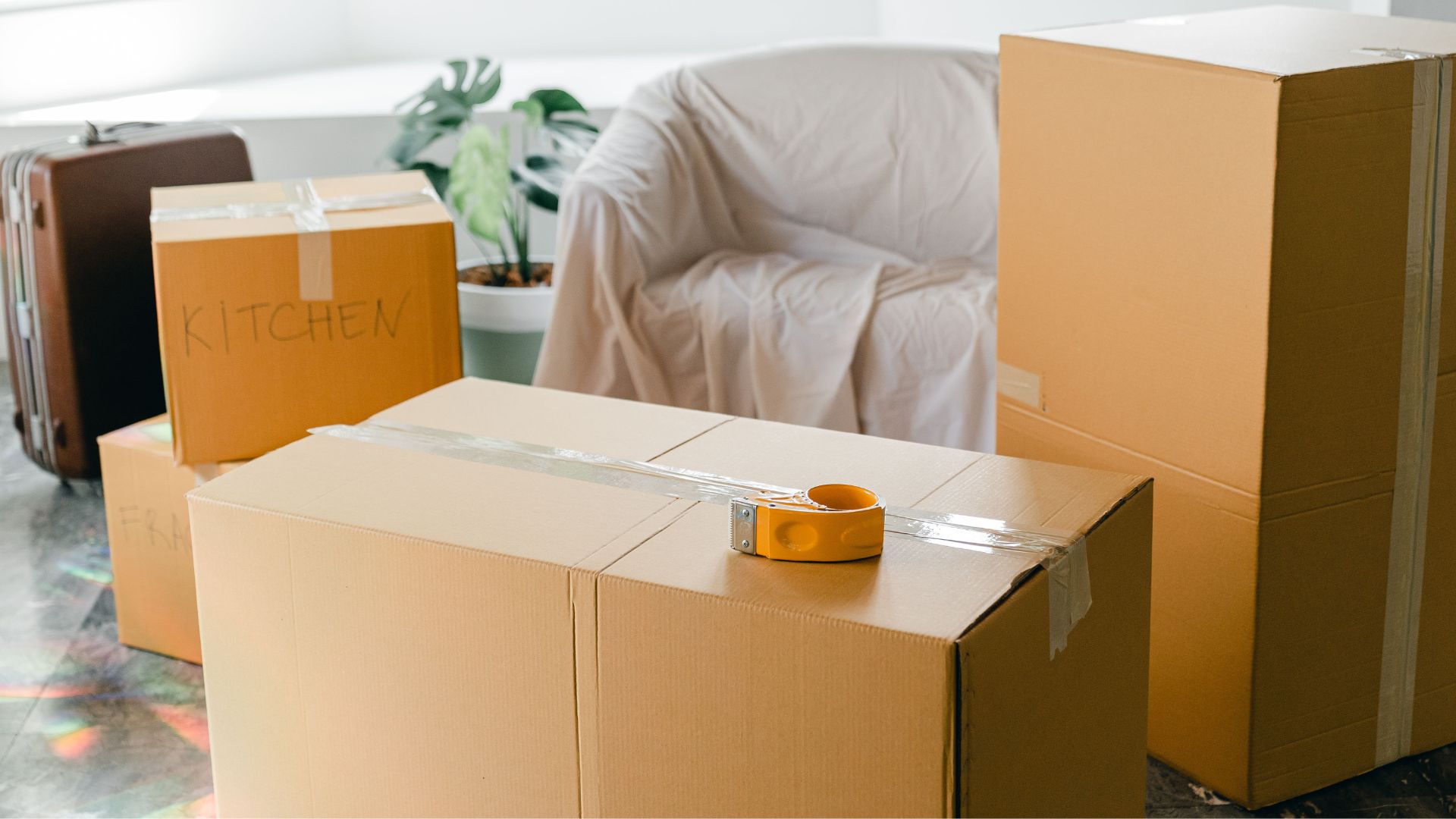
Wall Street Journal reporter Rachel Ensign, who covered the trend, said the number one factor is money. Boomers and older generations hold around $110 trillion in total wealth, and boomers have more wealth than any other generation currently alive, according to the Pew Research Center. “If you don’t need that money and you in fact just have lots of extra money, why not build a bigger home?” Ensign told Marketplace’s Nova Safo.
For the Martinos, that meant designing a home around how they actually live. The new kitchen has room for the commercial meat slicer Victor uses to carve prosciutto at family events, and the couple often hosts extended family and business associates there. A playroom has polished concrete floors built to survive their seven grandchildren, and the primary bathroom tub was chosen to make it easier to get in and out as they age.
Ed and Mary Smith made a similar calculation. Their three adult children settled near Boston, a five-hour drive from the couple’s New Jersey home, so in 2022 they bought a 4,000-square-foot house in Falmouth, Massachusetts, about 500 square feet bigger than the home they sold. Proceeds from that sale and a smaller Cape Cod vacation home covered the nearly $2 million purchase price. In summer, at least one child visits nearly every other weekend.
Family Time Is Driving the Floor Plans

Interior designer Wendy Glaister, who worked on the Martinos’ home, said she noticed empty-nest clients upsizing after the COVID-19 pandemic. Lockdowns made families value time together, and remote work let adult children stay longer. Glaister recalled one former client who downsized and struggled to fit a lifelong art collection into the smaller home. “It is a celebration of their life and achievements,” she said, describing why clients now choose bigger over downsizing.
Not everyone is buying a bigger main house. Designer Samara Goodman, based in the Washington, D.C. area, said some clients want backyard accessory dwelling units, or ADUs, for visiting children instead. Kit Stolz and Valerie Levett, who moved into their rural home outside Ojai, California, in 1991 with two young daughters, spent $200,000 four years ago converting a backyard office into an ADU with a kitchenette, bedroom and bathroom.
There’s a flip side for younger families. Ensign told Marketplace that boomers staying in three-bedroom-plus homes, rather than selling to move somewhere smaller, is a factor behind low housing inventory in many areas. Downsizers still account for a slightly larger share of older buyers, but upsizers are quickly gaining ground. Some also want to avoid capital-gains taxes on long-held homes that have appreciated, and many find smaller homes scarce and relatively expensive.
Comfort and Connection, Not Compromise
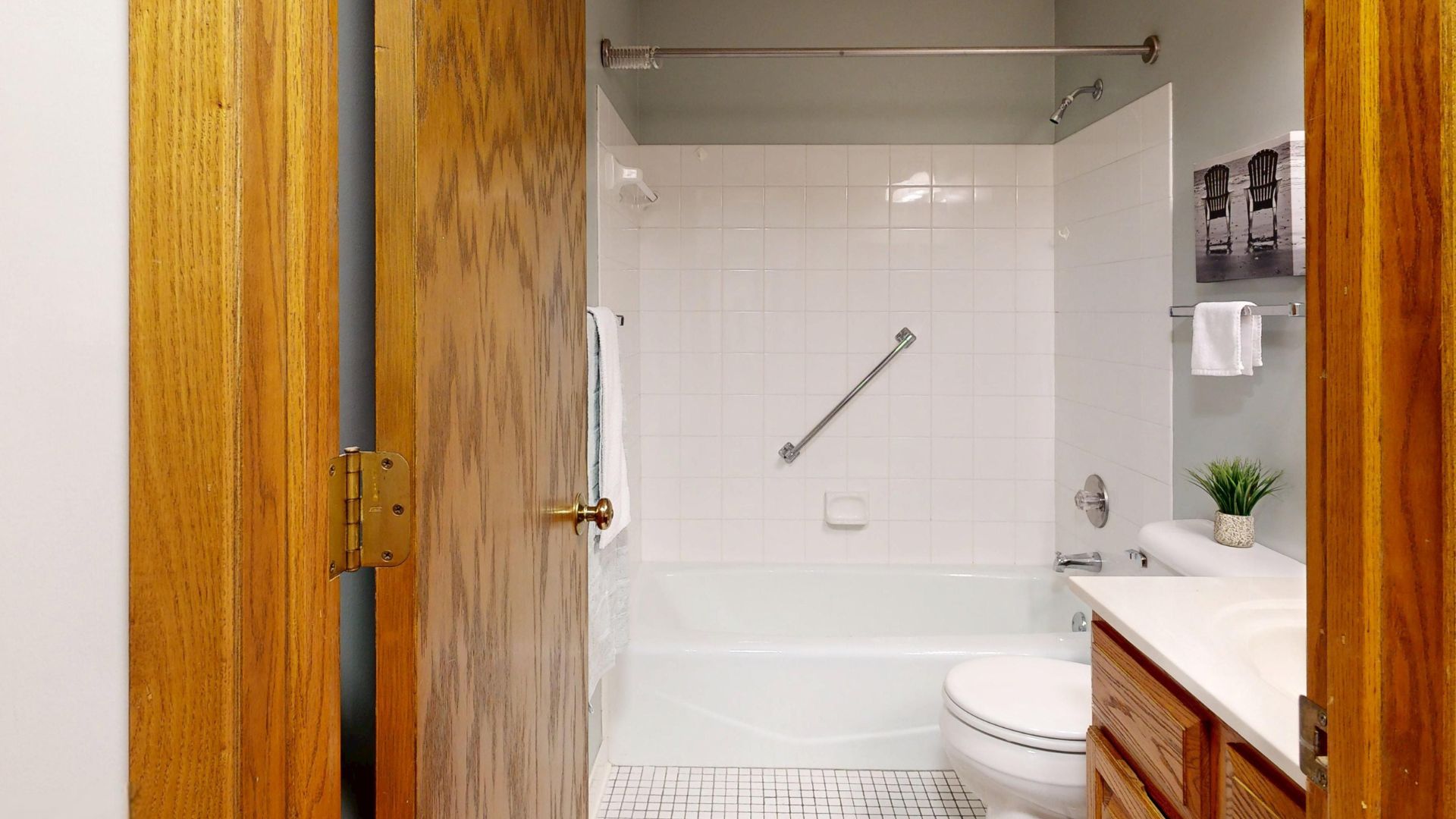
Comfort is part of the plan, not an afterthought. Ed and Mary Smith built their primary bedroom suite on the first floor of their Falmouth home, reserving the second floor for their three children and six grandchildren. Designer Samara Goodman said clients are installing bathroom grab bars to match other fixtures, with suites set apart from common areas. Some are also making room for elderly parents or grown children still at home.
Stolz, 71, and Levett, 75, funded their renovations, including a $200,000 overhaul of a kitchen untouched since the 1970s, using an inheritance from Stolz’s parents and an insurance payout for wildfire damage. “We’ve got this whole generation of people who are not going to want to move,” Stolz said, noting that friends near their local retirement community have chosen to stay in their own homes too.
“We’ll downsize when they plant me 6 feet into the ground,” said Victor Martino, 64. His wife, Angela, 63, said the couple is “high on life,” though she admits to sometimes wondering how long they can keep it up. For Ed Smith, an 81-year-old retired accounting-firm partner whose home fills with family most summer weekends, it comes down to one thing: “We live in a place they want to come to. That’s a big draw.”