Study of 10 Million Couples Found Zodiac Signs Have No Impact on Marriage
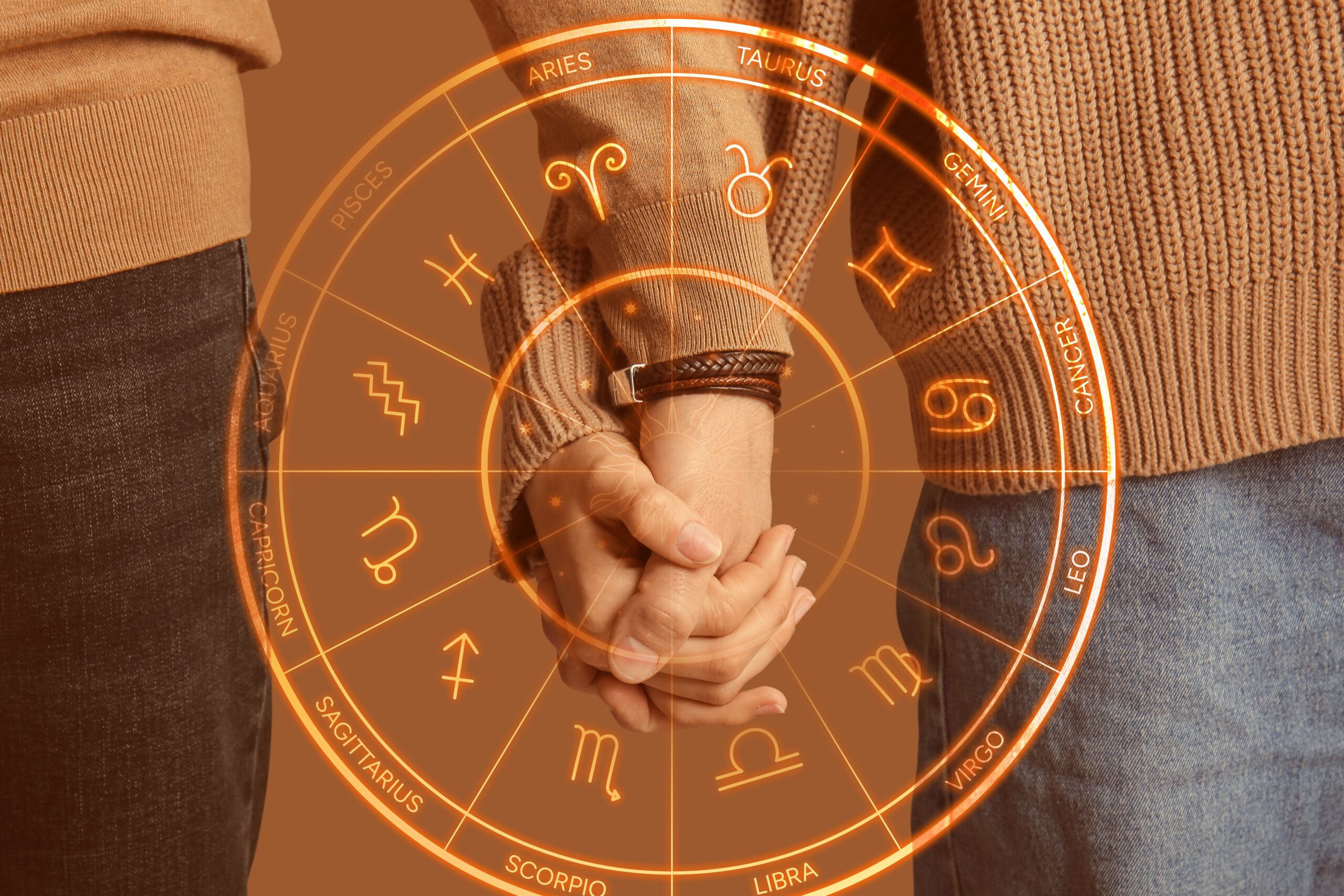

Astrology is a massive global business, built on promises of clarity about your love life, career, and personality. But does it actually predict who you’ll marry? Researcher David Voas set out to answer that using real world data instead of personal belief. He analyzed marriage records for more than 10 million couples in England and Wales. What he found challenges one of astrology’s most popular claims, and the story behind the numbers gets more interesting the deeper you dig.
This article was created with the assistance of AI and reviewed by our editorial team for accuracy and clarity.
At First, the Data Seemed to Support Astrology
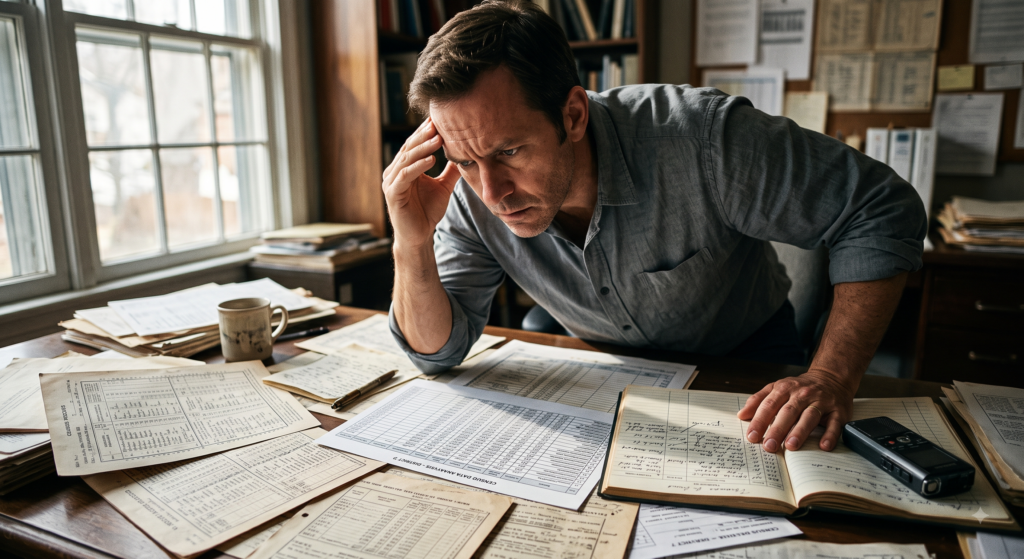
Using 2001 census data covering more than 20 million husbands and wives, Voas initially found something curious. There was a small but statistically significant tendency for people to marry within their own zodiac sign, plus a modest “spillover” effect with neighboring signs. About 22,100 more same sign couples showed up than chance alone would predict. It looked like evidence. But the effect was oddly concentrated, and one detail in particular didn’t add up.
One Sign Stood Out for a Strange Reason
The apparent pattern was strongest among Capricorns born in January, with no clear astrological explanation for why. Traditional horoscope compatibility charts didn’t even predict this particular result. Voas noted the pattern didn’t resemble typical astrological expectations at all. That inconsistency was the first clue that something other than the stars was driving the numbers, and it sent him back to the data for a closer look.
The Real Culprit Turned Out to Be Shared Birthdays
Voas built a more detailed table covering nearly 670,000 birthday combinations. Couples were 41 percent more likely than expected to share the exact same birthday, far more than zodiac sign alone could explain. The most common shared date was January 1st, often used as a placeholder when someone’s exact birthday wasn’t known. Census workers had seen this happen repeatedly in care homes and incomplete records, hinting the mystery wasn’t cosmic at all.
People Were Filling Out Forms Wrong, Not Following Fate

The census had already caught similar errors elsewhere. Around 10,900 couples were mistakenly recorded as same sex partnerships because one spouse accidentally entered their own details for the other person. That same kind of mix-up explained the birthday overlap too. Once Voas excluded couples with placeholder birthdays and adjusted for people copying their own birth date into their spouse’s section, the entire “zodiac effect” essentially disappeared into statistical noise.
After Correcting the Data, There Was Nothing Left
Once the errors were removed, the largest gap between observed and expected marriage counts was barely one percent, far too small to fit any astrological explanation. Voas deliberately cast the widest possible net, testing every sun sign combination rather than one narrow prediction. If astrology influenced marriage in any broad, consistent way, a sample this large should have caught it. It didn’t, and the researchers called this one of the most thorough tests ever conducted.
This Wasn’t the Only Study to Reach the Same Conclusion

Voas’s findings echo earlier astrology research. A 1985 double-blind test published in Nature had astrologers match birth charts to personality profiles, and they performed no better than chance. A 2020 Swedish study using data from 1968 to 2001 also found that astrologically “favorable” couples were no more likely to marry, and compatible signs didn’t protect anyone from divorce either. The pattern across decades of research stays remarkably consistent.
Belief in Astrology Doesn’t Even Change Behavior Much
Interestingly, even people who take horoscopes seriously don’t necessarily act on them. One 2001 study found that while 72 percent of women didn’t dismiss astrology as mere superstition, only 15 percent said they’d actually change their behavior based on a reading. That gap matters. Even widespread cultural belief in astrology doesn’t appear to translate into different marriage choices, reinforcing that the numbers reflect statistics, not genuine cosmic influence on real-world decisions.
Real Couples Have Their Own Stories About Horoscope Matching

Beyond the research, personal experiences echo the same conclusion. In online discussions about horoscope-based matchmaking, people describe wildly mixed outcomes. Some couples with “perfect” horoscope matches ended in disaster, while others with severe mismatches built decades long, happy marriages. As one commenter put it, people still marry only one person out of many possible compatible matches, suggesting personal choice and effort matter more than any chart ever could.
What This Means If You’re Planning Your Future
None of this means astrology is going away anytime soon. Researchers themselves acknowledge that its cultural and emotional pull remains strong regardless of the evidence. But if you’re weighing a relationship based on compatible signs, the science suggests looking elsewhere. Shared values, communication styles, and daily habits are far better predictors of a lasting marriage than birth charts ever were. The stars might be beautiful, but they don’t seem to be picking your partner.