Radioactive Waste Near a Florida Community Is Raising Fears for 11,000 Residents After a Potential Cancer Risk
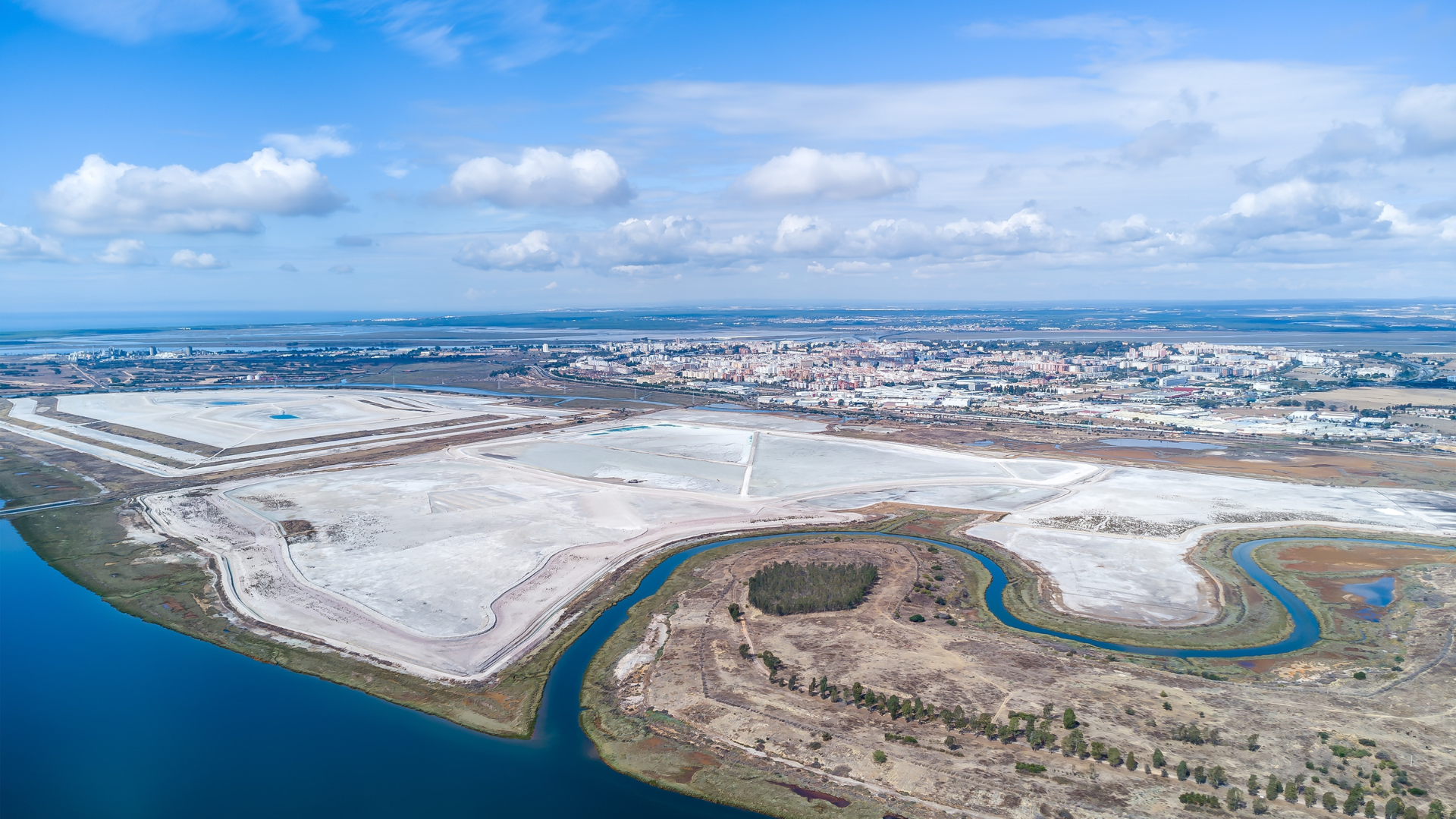

Residents of Progress Village, a historically Black community near Tampa, Florida, are facing renewed concerns about the massive industrial waste piles located close to their homes. The material at the center of the controversy is phosphogypsum, a byproduct of phosphate fertilizer production that contains naturally occurring radioactive elements including uranium, thorium and radium and can release radon, a known carcinogen. The community has roughly 11,000 residents, making questions about how the waste is stored and managed particularly significant.
What Exactly Is Phosphogypsum?
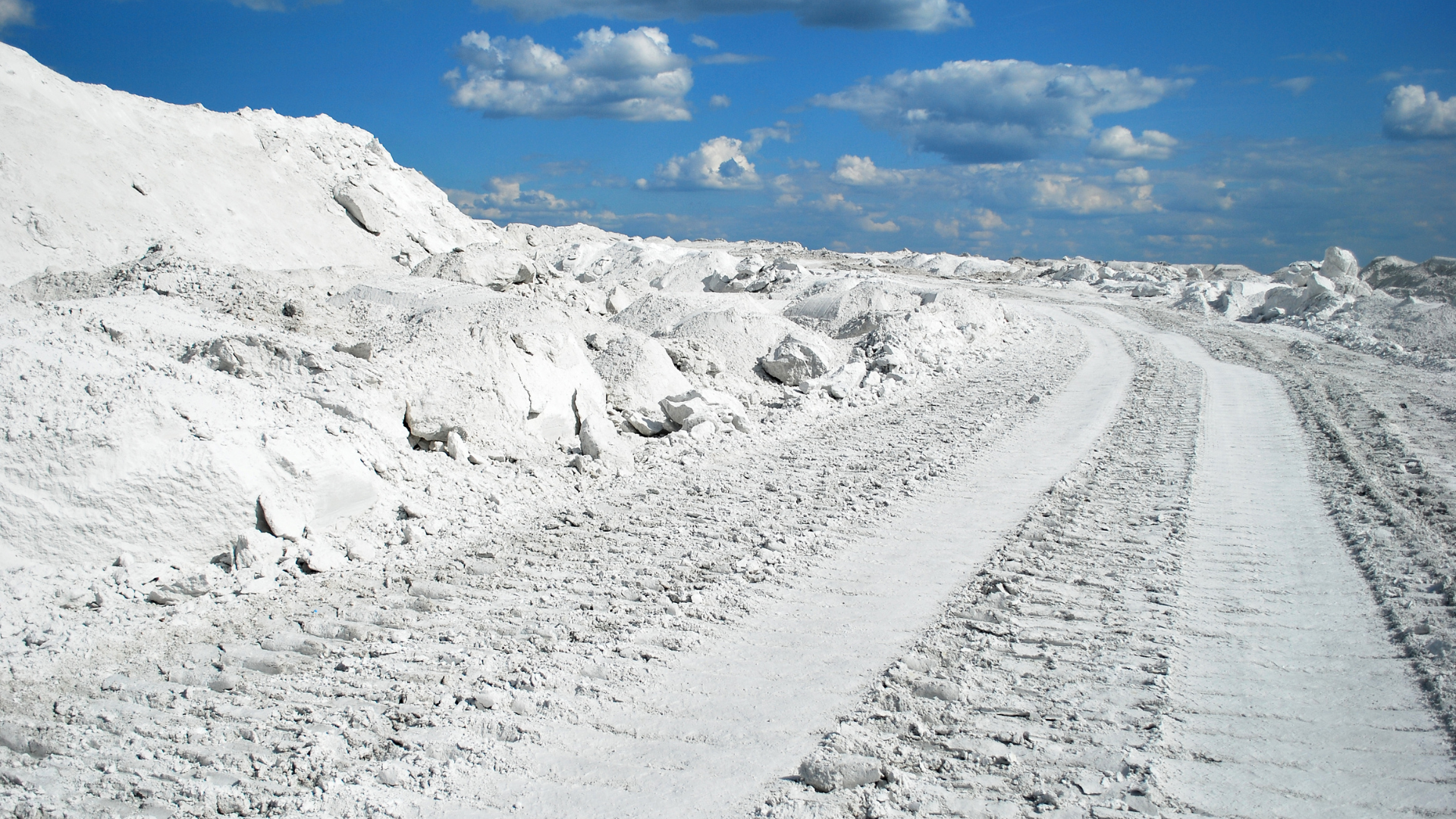
Phosphogypsum is created when phosphate rock is processed to produce phosphoric acid, a key ingredient in fertilizer. The process leaves behind enormous quantities of gypsum-like waste that must generally be stored in specially managed stacks because of its radioactive content. The material can contain uranium, thorium and radium, while radioactive decay can produce radon gas, adding another potential exposure concern.
The Waste Stack Towers Over the Florida Landscape
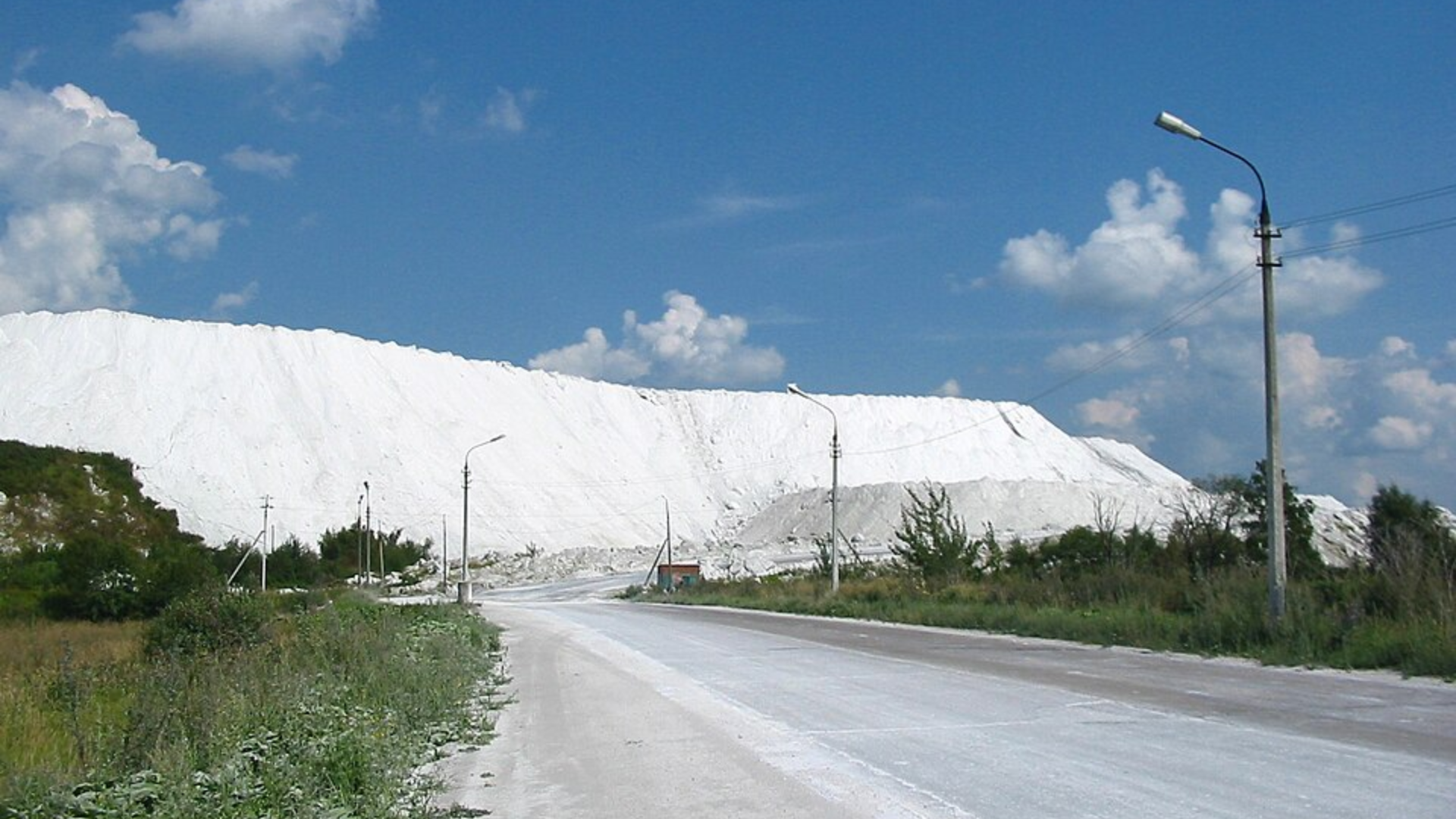
The scale of these waste piles is one reason the issue has attracted attention in Progress Village. The Miami Herald reported that one phosphogypsum stack near the community covers about 367 acres, making it larger than the Busch Gardens amusement park in Tampa. The industrial structure sits close enough to the community that residents can see it from nearby homes, while another stack is located roughly a mile away along Hillsborough Bay.
Progress Village Has a Long History With the Industry
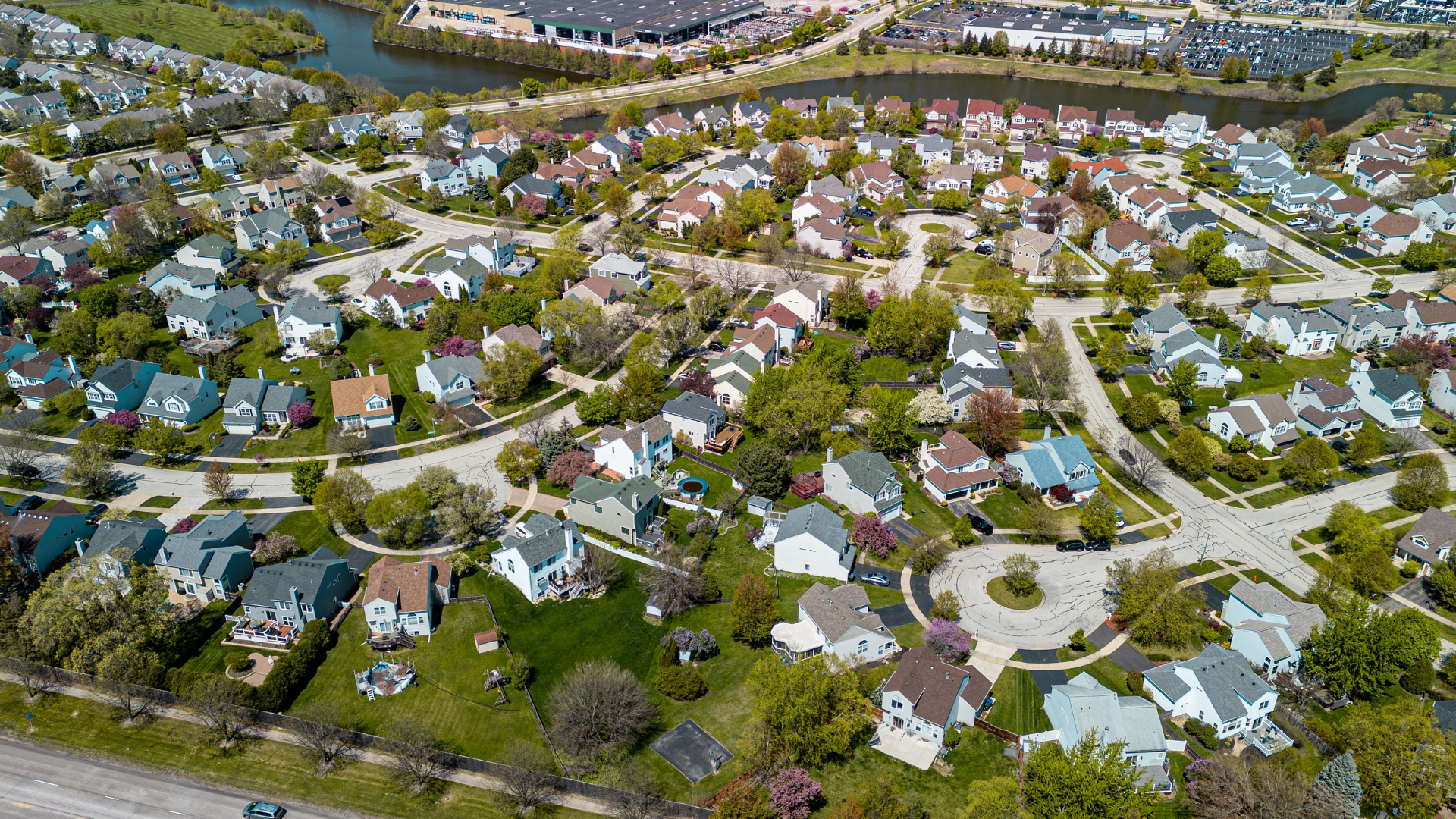
Progress Village was established as a community for Black residents during the era of segregation and has developed a strong sense of identity over generations. Residents have previously raised concerns about industrial activity surrounding the community, including phosphate processing, waste stacks and other pollution sources. Environmental advocates say the location of these facilities raises broader questions about whether historically disadvantaged communities have carried a disproportionate share of industrial risks.
Why Cancer Is Part of the Concern

The cancer concern is connected primarily to the radioactive materials associated with phosphogypsum and the radon that can be produced as radioactive elements decay. Long-term exposure to elevated levels of ionizing radiation can increase cancer risk, and radon exposure is an established lung-cancer hazard. That does not mean every person living near a phosphogypsum stack will develop cancer, however, and a potential exposure pathway is not the same thing as proof that the waste has caused cancer among Progress Village residents.
A Proposed Expansion Has Added to the Concern
The controversy is gaining renewed attention because Mosaic has sought federal approval to expand its Riverview manufacturing operation outside Tampa. The company’s existing site includes two phosphogypsum stacks, with one closed and the other reported to have about six years of remaining storage capacity. Under the company’s proposal, construction of an expanded stack could begin in January 2028 and take about two and a half years.
The Site Has a Troubling History of Wastewater Problems
Florida’s experience with phosphogypsum stacks has also included serious wastewater emergencies. In 2021, a separate facility at Piney Point experienced a major leak that threatened to overwhelm its containment system, prompting evacuations and the eventual release of about 215 million gallons of contaminated water into Tampa Bay. That incident became a major example of the potential consequences when large quantities of water are stored alongside radioactive industrial waste.
Climate and Storms Could Add Another Layer of Risk

Environmental researchers and advocates have also raised concerns about how Florida’s increasingly intense rainfall and flooding could complicate the management of fertilizer waste. Heavy rain can increase the amount of water that must be contained and managed around these facilities, while flooding can create additional pressure on industrial infrastructure. The risks do not automatically mean a release will occur, but they make the design, monitoring and long-term maintenance of waste storage especially important.
Residents Want Stronger Protections and More Accountability

Community advocates have called for greater attention to the health and environmental risks associated with living near phosphate facilities. The debate is not simply about whether fertilizer production should continue, but about how radioactive waste should be stored, how facilities should be monitored and who bears the consequences if containment systems fail. For residents of Progress Village, the issue is also tied to a longer history of environmental concerns surrounding their community.
A Community Is Watching What Happens Next
The controversy surrounding Progress Village illustrates the difficult balance between Florida’s fertilizer industry and the responsibility to protect nearby communities from industrial and radioactive waste risks. Phosphogypsum contains radioactive elements and can generate radon, which explains why health experts and residents take the material seriously, but concerns about potential cancer risk should not be confused with proof that the waste is currently causing cancer in the community. With Mosaic seeking to expand its Riverview waste-storage capacity and construction potentially beginning in 2028, residents will be watching closely as regulators weigh the project’s environmental and public-health implications.