Elon Musk Fires Back at Mamdani’s Grocery Discount Plan: ‘This Won’t Work’
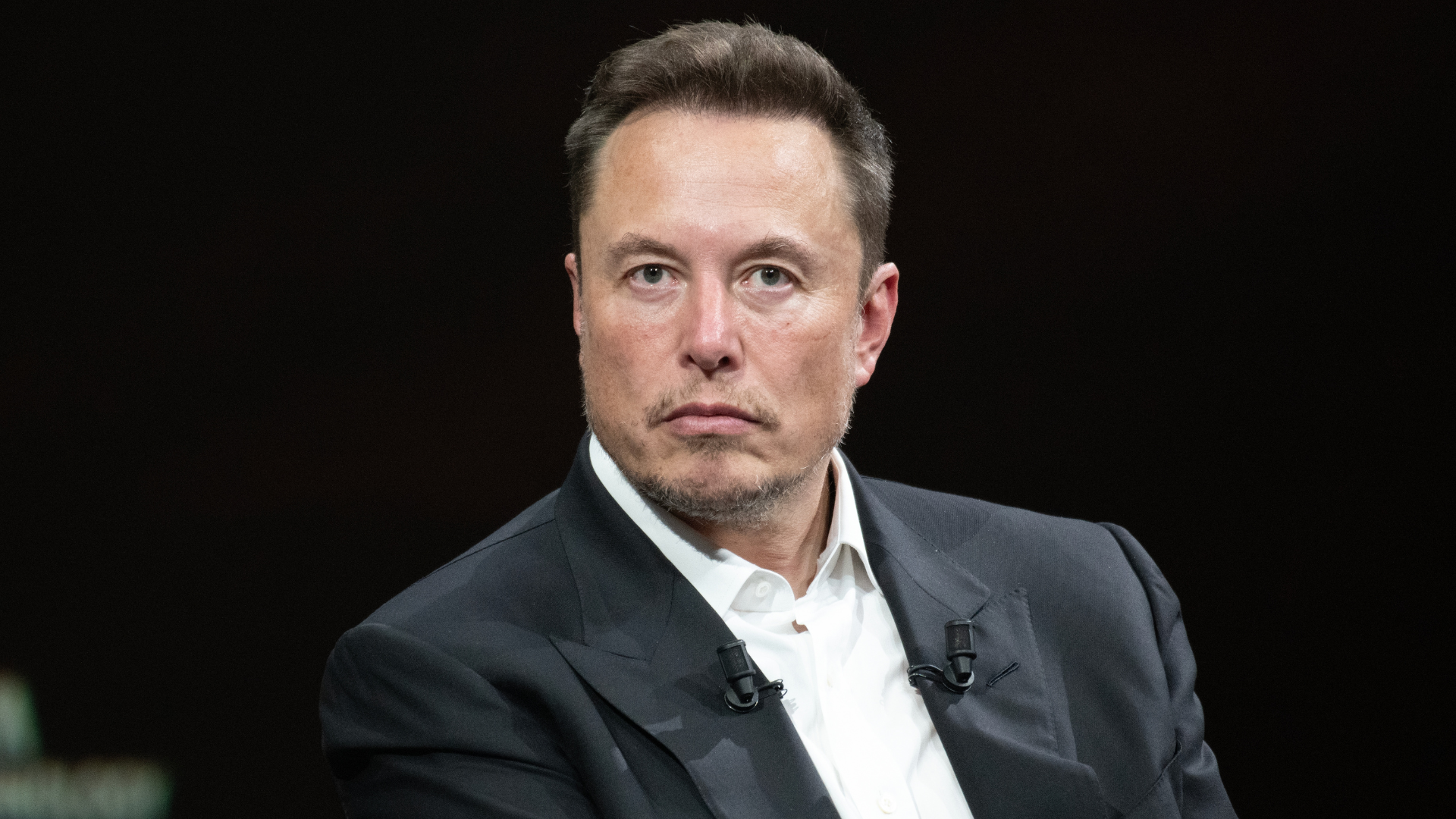

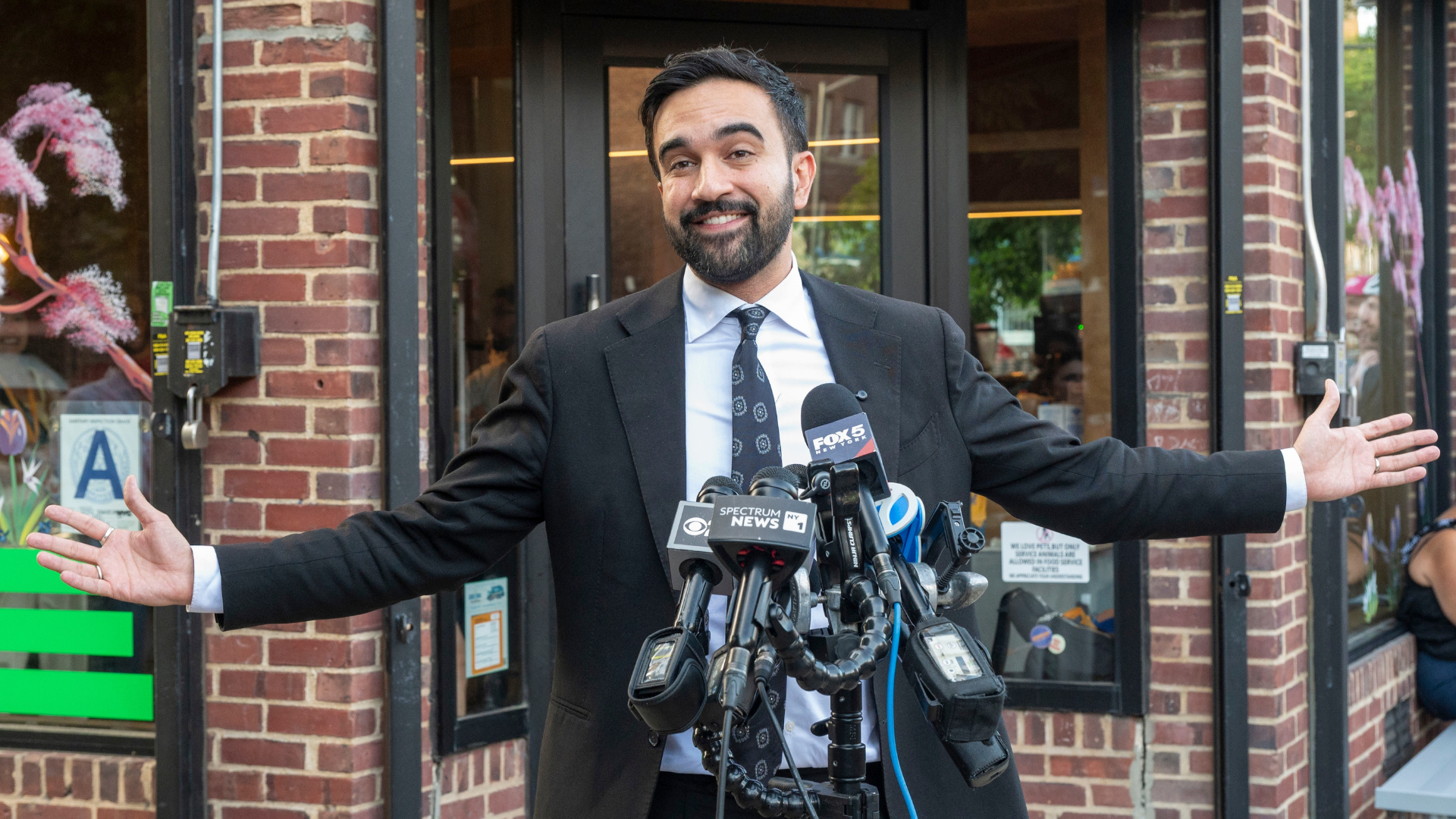
A proposal by New York City mayoral candidate Zohran Mamdani to lower grocery costs has sparked a high-profile debate after Elon Musk publicly criticized the plan, saying it “won’t work.” The exchange has drawn national attention as Americans continue to grapple with elevated food prices and policymakers search for ways to make essential goods more affordable.
Mamdani has argued that the city should establish publicly owned grocery stores in underserved neighborhoods to increase competition and provide affordable food options. He says the initiative is intended to address rising grocery costs while expanding access to fresh and healthy foods in communities that have long struggled with limited retail options.
Musk rejected the proposal, arguing that government-operated grocery stores would be inefficient and unlikely to reduce costs over the long term. His comments have fueled a broader discussion about whether public or private approaches are better suited to addressing food affordability and inflation.
What Mamdani’s Grocery Proposal Would Do
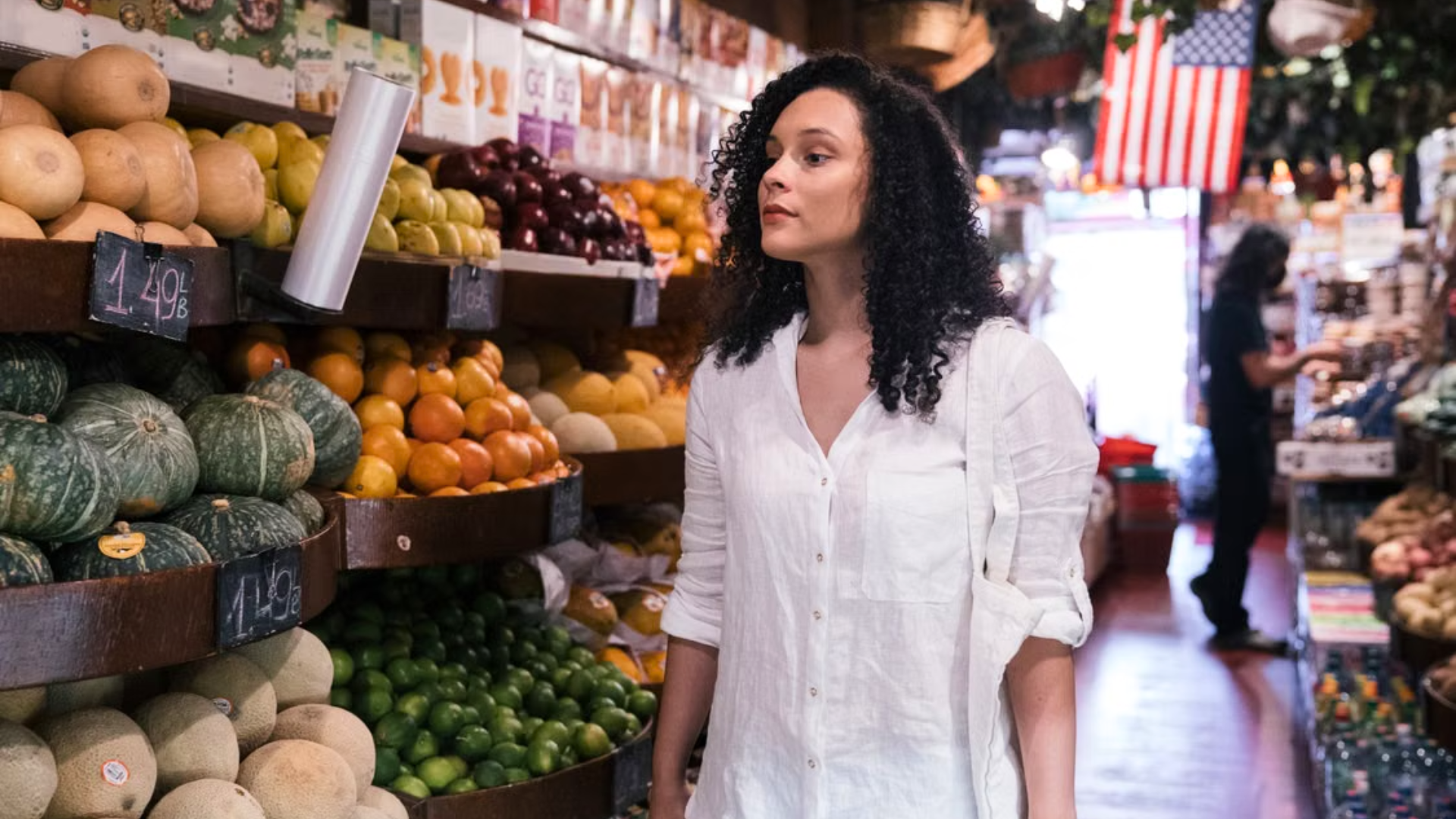
Mamdani’s proposal calls for creating a network of city-owned grocery stores that would operate on a nonprofit basis rather than maximizing profits. Supporters believe the stores could offer lower prices by reducing overhead costs, negotiating directly with suppliers, and reinvesting revenue into operations instead of distributing profits to shareholders.
The plan is also designed to address food deserts, areas where residents have limited access to full-service grocery stores offering affordable fresh produce, dairy, meat, and other essential foods. Advocates argue that increasing access to nutritious food could improve public health while easing financial pressure on families facing high grocery bills.
However, critics question whether municipal governments have the expertise and financial resources needed to operate grocery stores successfully. Opponents also warn that public stores could struggle with long-term operating costs, supply chain challenges, and competition from established private retailers, potentially requiring ongoing taxpayer support.
Why Elon Musk Opposes the Idea
Elon Musk responded to the proposal by stating that government-run grocery stores “won’t work,” reflecting his long-standing preference for market-driven solutions over expanded public ownership. Although he did not provide a detailed policy analysis, his criticism echoes broader concerns raised by economists and business groups who argue that government involvement in retail markets may create inefficiencies rather than lowering prices.
Supporters of Musk’s position contend that encouraging greater private-sector competition, reducing regulatory burdens, and improving supply chain efficiency would be more effective ways to lower grocery costs. They argue that private businesses are generally better equipped to respond to changing consumer demand, control operating expenses, and innovate in ways that keep prices competitive.
Meanwhile, supporters of Mamdani argue that rising grocery prices and persistent food insecurity demonstrate that traditional market forces alone have not solved affordability problems for many families. They point to successful public or nonprofit grocery initiatives in some communities as evidence that alternative retail models can complement, rather than replace, private supermarkets.
Grocery Affordability Debate Reflects Broader Economic Questions
The exchange between Elon Musk and Zohran Mamdani has highlighted two very different approaches to addressing one of the country’s most pressing economic concerns: the rising cost of food. While Musk argues that government-operated grocery stores would likely fail to deliver meaningful savings, Mamdani maintains that public ownership could improve affordability and expand access in underserved neighborhoods.
As grocery prices continue to strain household budgets, policymakers across the country are exploring a wide range of solutions, including tax incentives, expanded nutrition assistance programs, stronger competition policies, and new retail models. Whether public grocery stores become part of that conversation remains uncertain, but the proposal has already sparked significant national debate.
Ultimately, the discussion reflects a larger question about the role the government should play in ensuring affordable access to essential goods. As voters and policymakers weigh competing ideas, the outcome could influence future efforts to tackle food insecurity, inflation, and the cost of living in major cities across the United States.