More Charges Are Dropped After Questions Emerge About What Damaged the Reflecting Pool
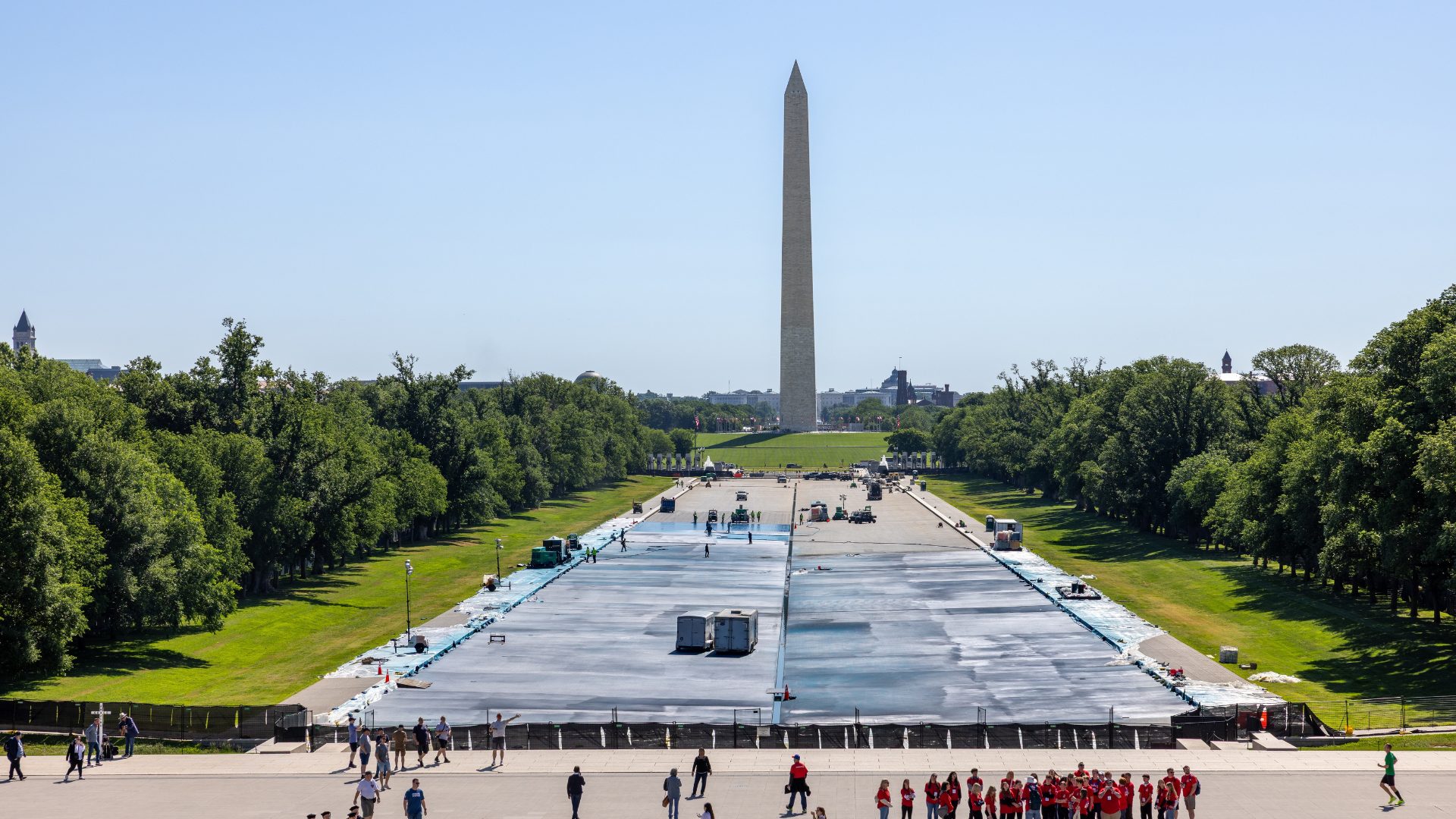

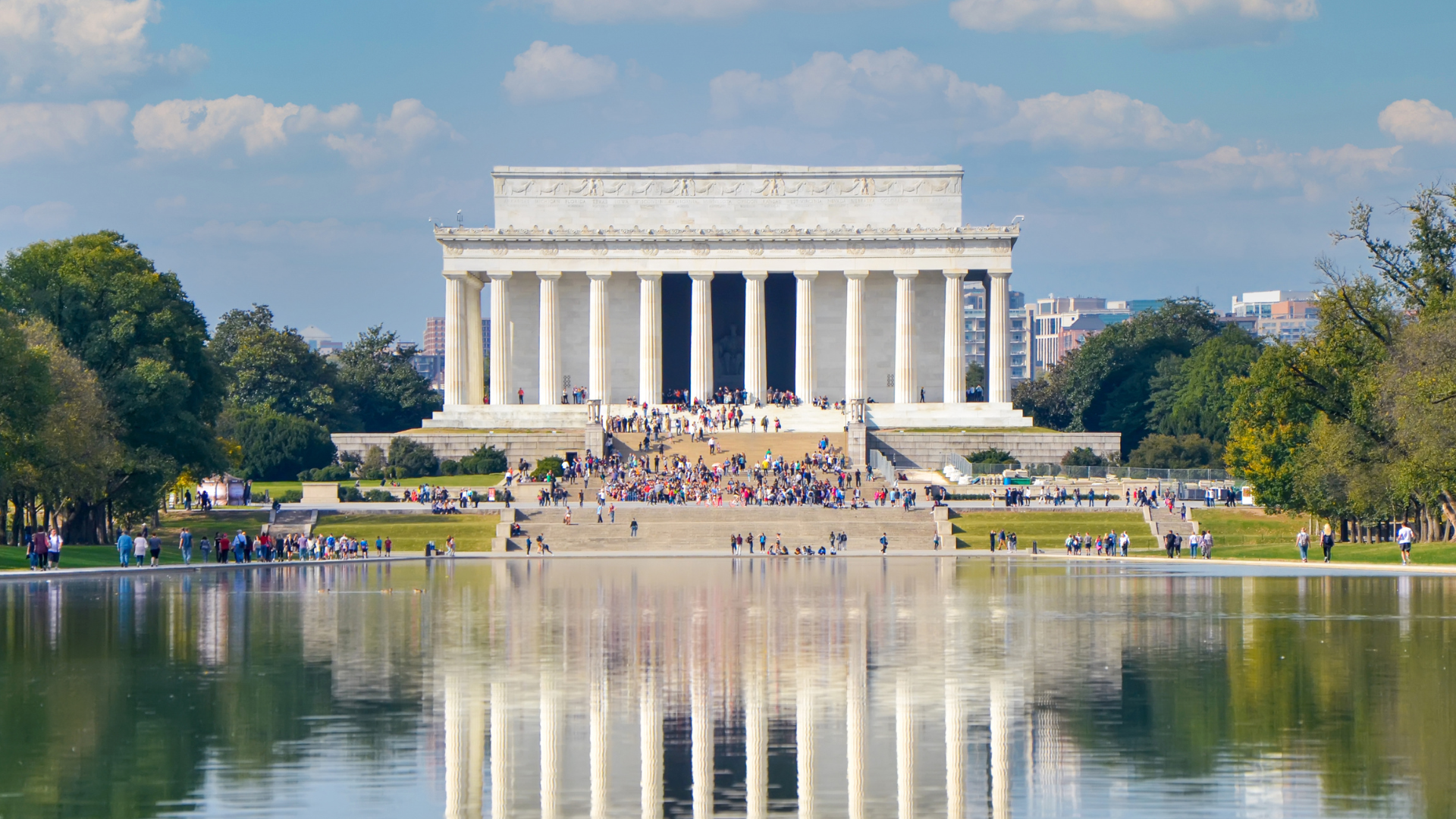
Federal prosecutors have dropped additional criminal cases tied to alleged vandalism at the Lincoln Memorial Reflecting Pool after new evidence suggested the damage may not have been caused by visitors after all. The surprising reversal follows an Interior Department review indicating that flaws in the pool’s recent renovation and rushed construction work likely played a significant role in the deterioration. The decision has raised questions about how the investigation unfolded and whether the accused individuals should have been charged in the first place.
The Case Began With Claims of Vandalism
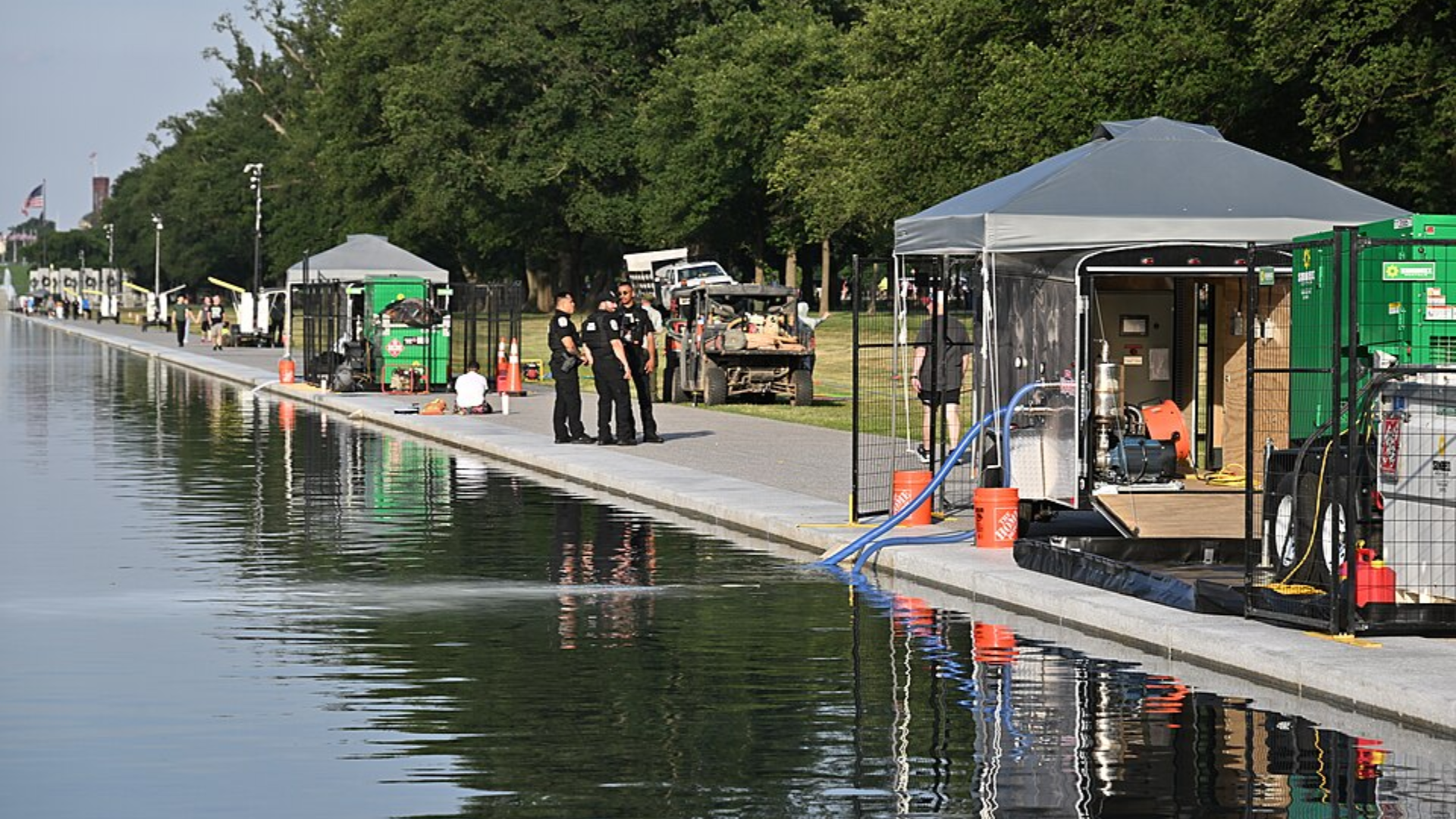
The controversy began after sections of the Reflecting Pool’s newly installed blue liner were found damaged in June 2026. Authorities initially accused several individuals of intentionally pulling up portions of the liner, leading to felony and misdemeanor vandalism charges. The most serious case involved former Olympic canoeist David Hearn, who faced a felony property destruction charge that carried the possibility of years in prison.
New Evidence Changed the Investigation
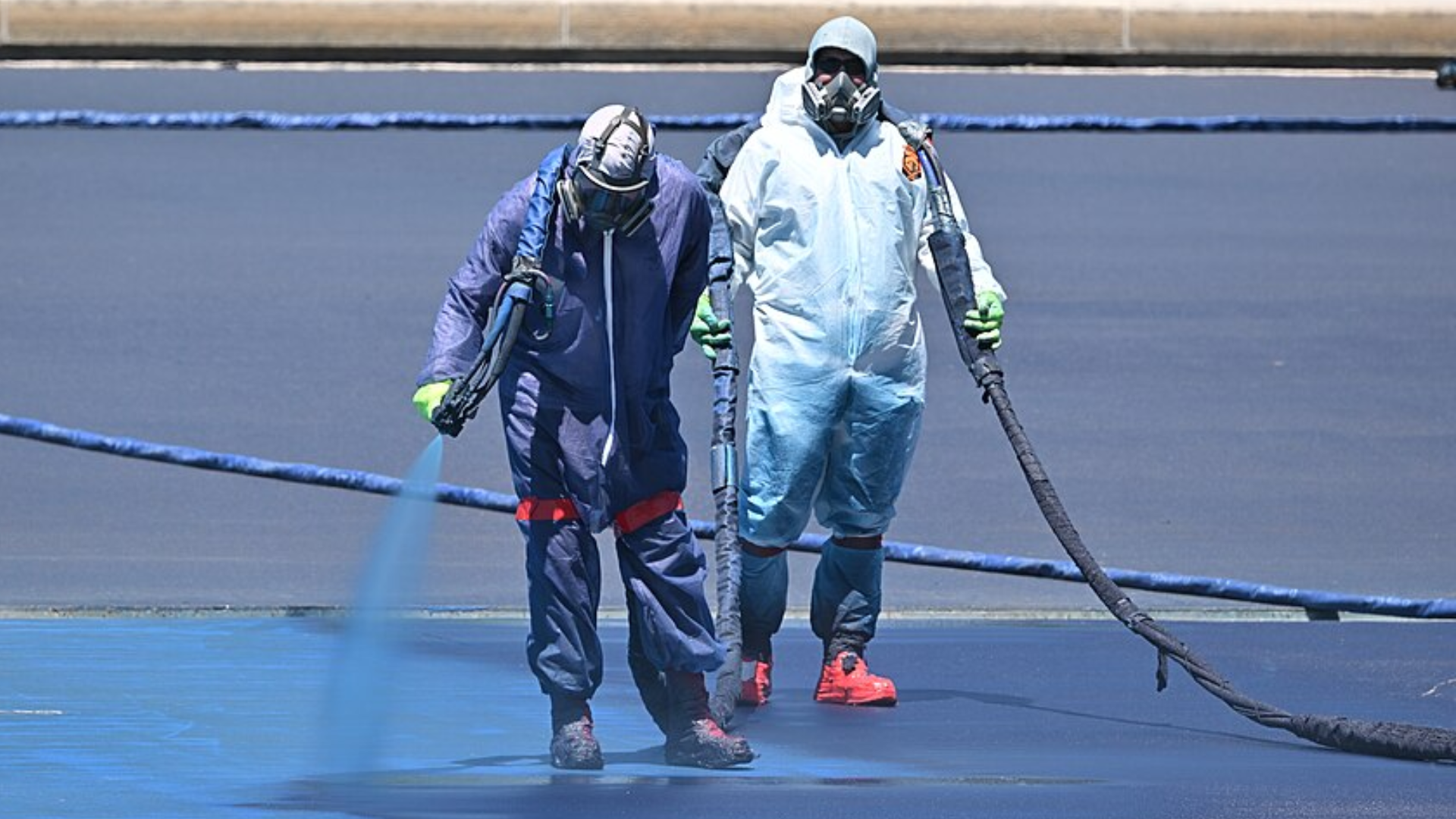
After prosecutors obtained additional records from the Department of the Interior, investigators concluded that much of the damage stemmed from problems with the contractor’s installation rather than criminal acts. Court filings stated that the liner had been improperly installed and that the project had been rushed to finish before America 250 celebrations. Those findings significantly weakened the government’s original theory that vandalism caused the widespread damage.
More Charges Were Dismissed

Following the dismissal of Hearn’s felony case, prosecutors also moved to dismiss misdemeanor charges against Justin Carreno, Sophie Dennison-Gibby, and Cameron Thiers. All four defendants had previously denied wrongdoing. The dismissals effectively ended every criminal case connected to the Reflecting Pool investigation after prosecutors acknowledged that the evidence no longer supported the allegations.
Witness Testimony Raised Early Questions
Defense attorneys argued throughout the proceedings that key witnesses had already indicated the liner showed signs of damage before the defendants allegedly touched it. One witness reportedly testified that repairs would have been necessary regardless of the accused individuals’ actions. Lawyers later argued that this information should have prevented criminal charges from being filed in the first place.
The Renovation Project Came Under Scrutiny
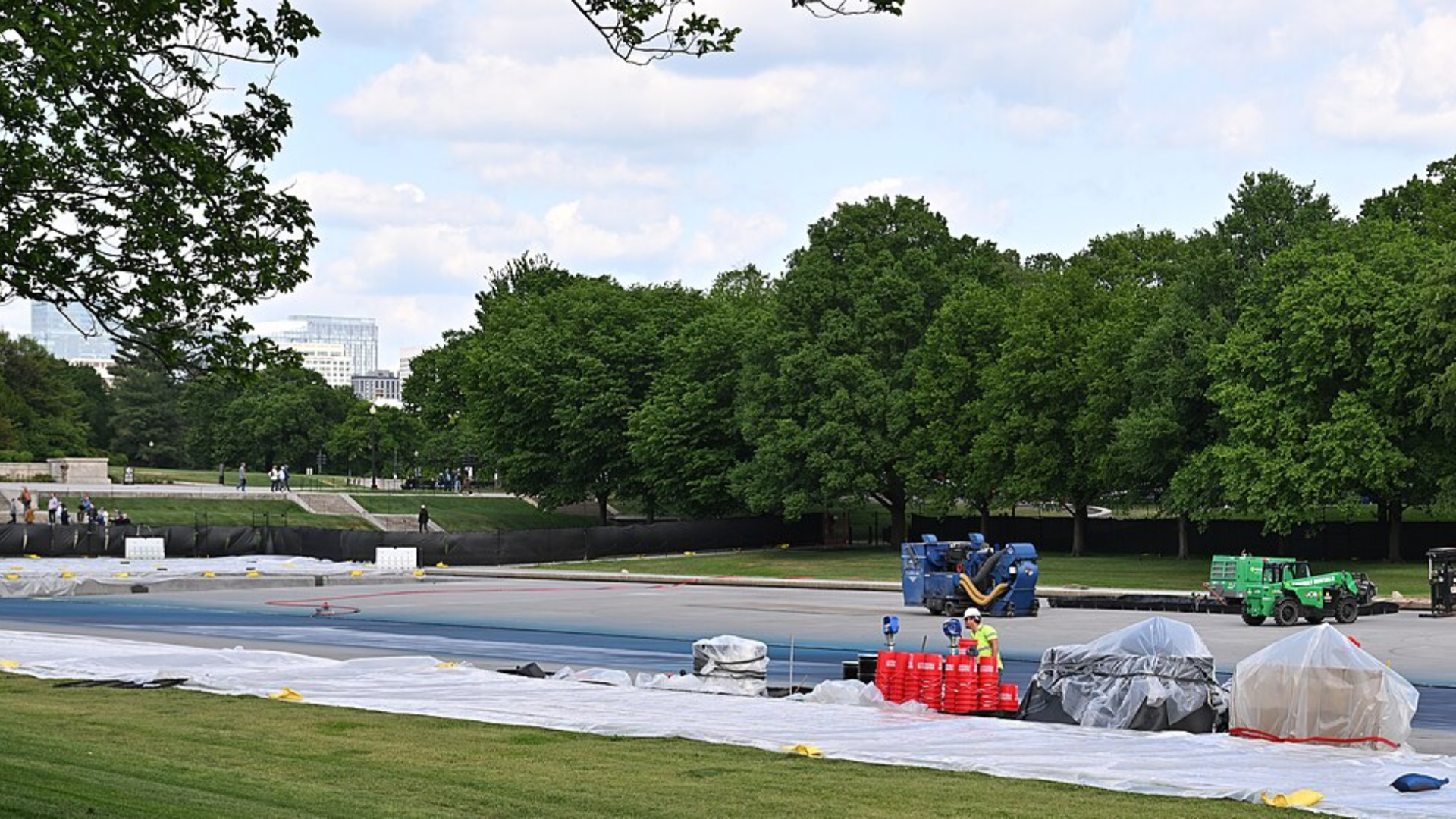
The Reflecting Pool had recently undergone a renovation costing roughly $14 million to $16 million as part of broader restoration efforts ahead of America’s 250th anniversary celebrations. Investigators later pointed to flaws in the contractor’s installation and the accelerated construction schedule as contributing factors behind the deteriorating liner. The contractor’s work has now become a central focus of the controversy.
Political Debate Followed the Reversal
The dismissal of the cases quickly became a political flashpoint. President Donald Trump continued to argue that vandalism was responsible for the damage, while court filings from the U.S. Attorney’s Office cited newly discovered evidence indicating contractor errors were primarily to blame. The conflicting accounts have fueled broader debate over how the investigation was handled.
The Defendants May Pursue Further Action
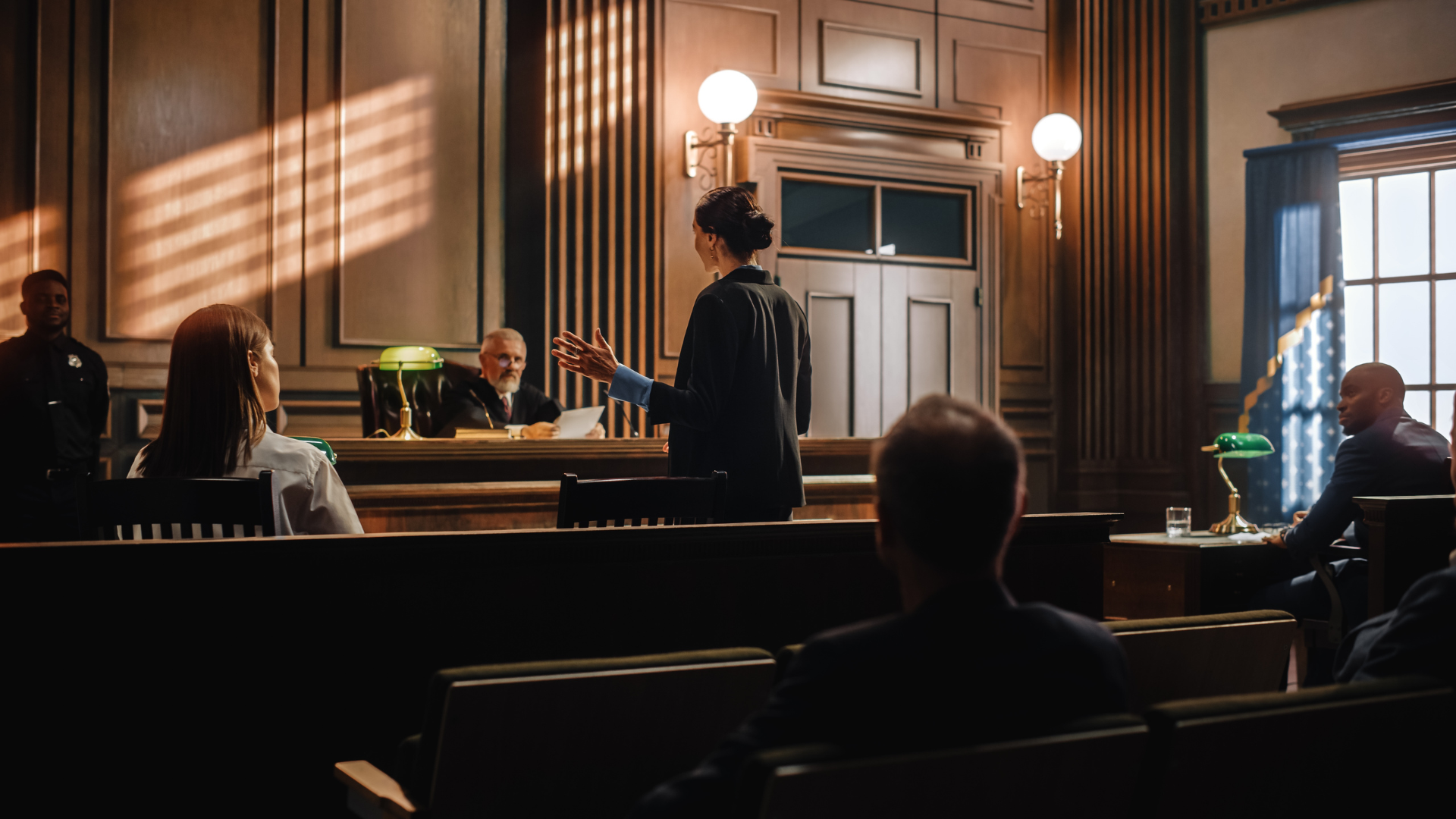
With the criminal charges dismissed, some defendants are now considering legal action against the government. David Hearn’s attorneys have said they are evaluating options that could include civil litigation, reimbursement of legal expenses, and additional reviews of how prosecutors handled the case. They argue that the prosecution caused significant personal and professional harm.
The Reflecting Pool Remains an Important National Landmark
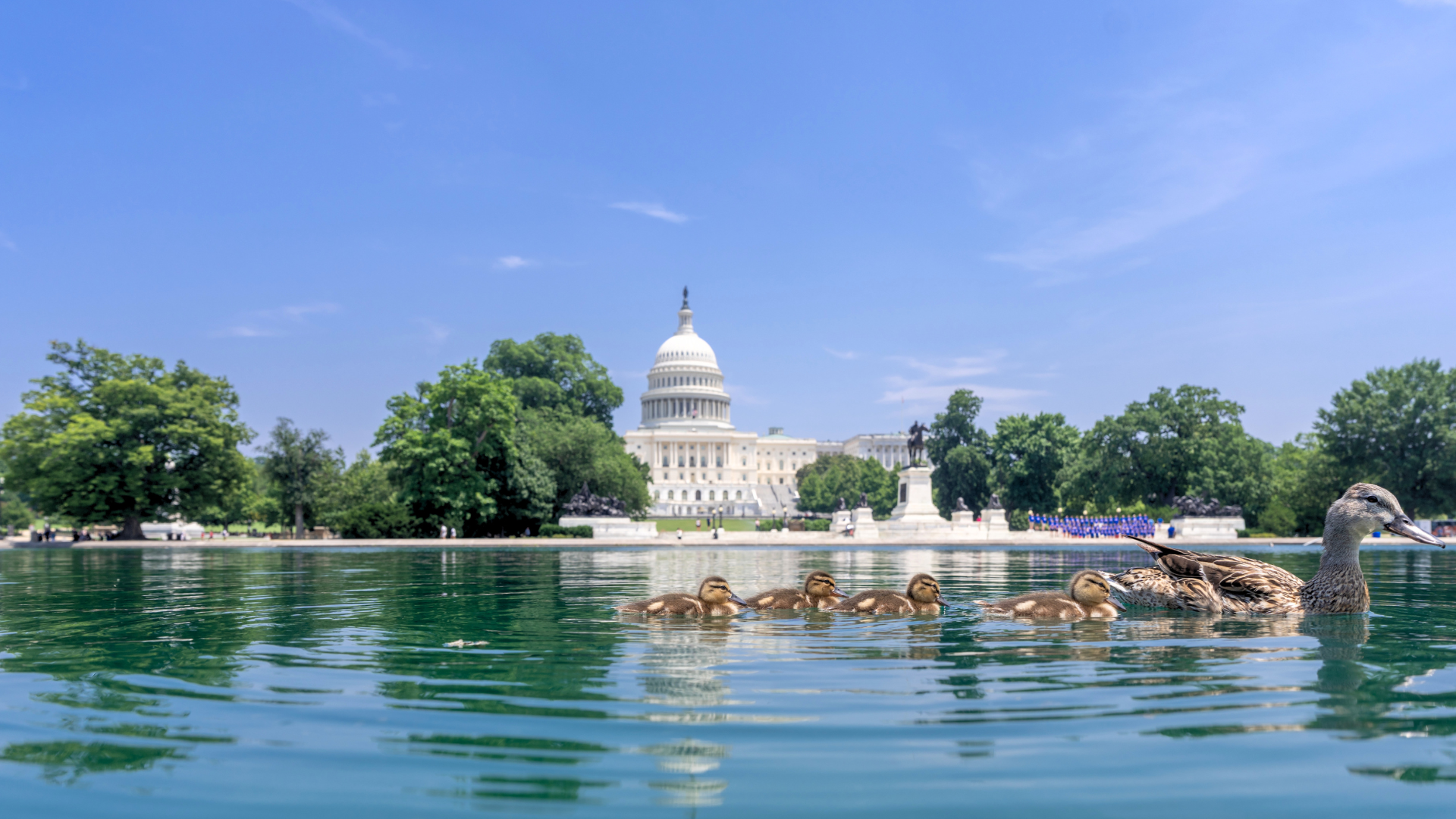
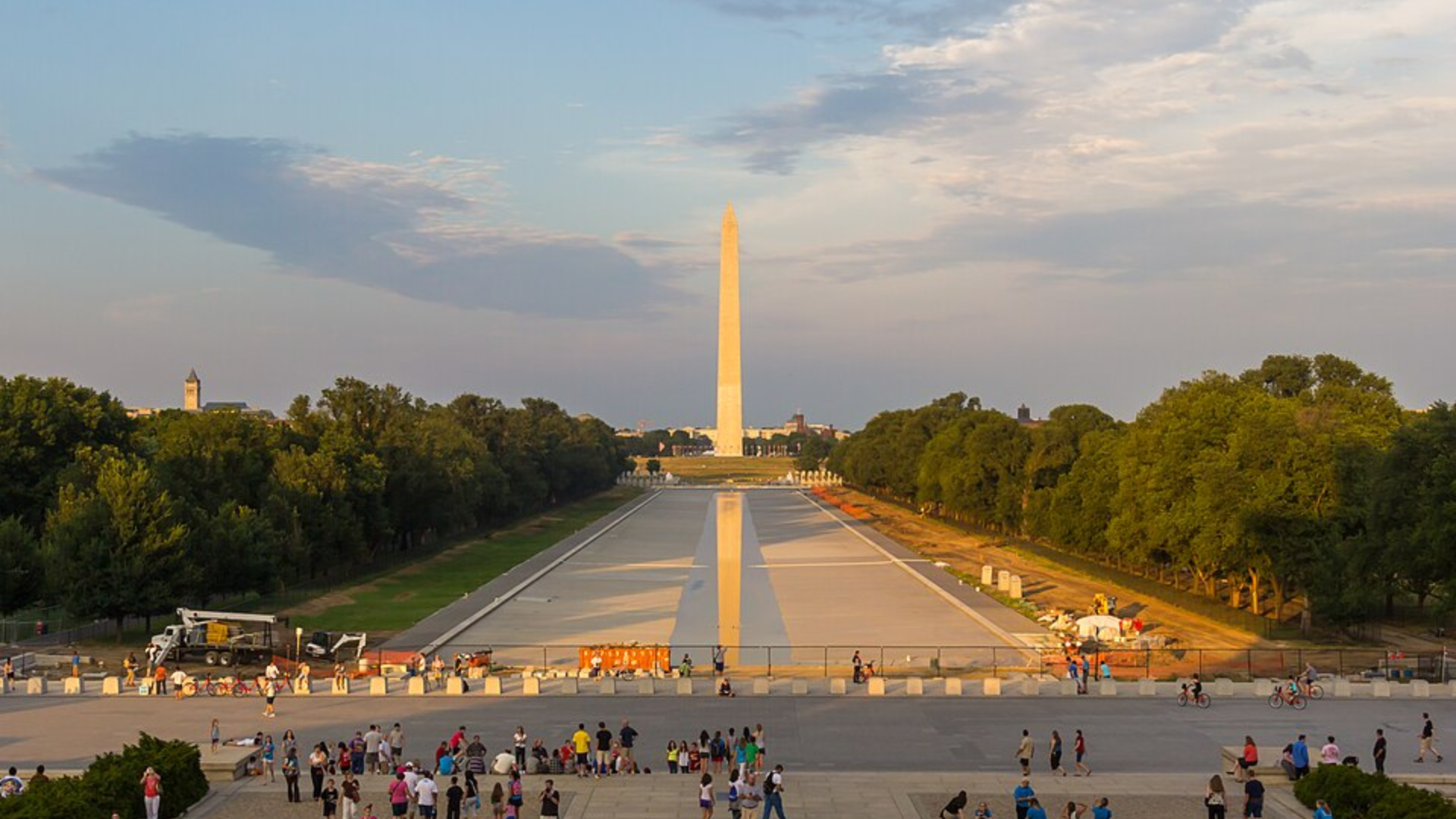
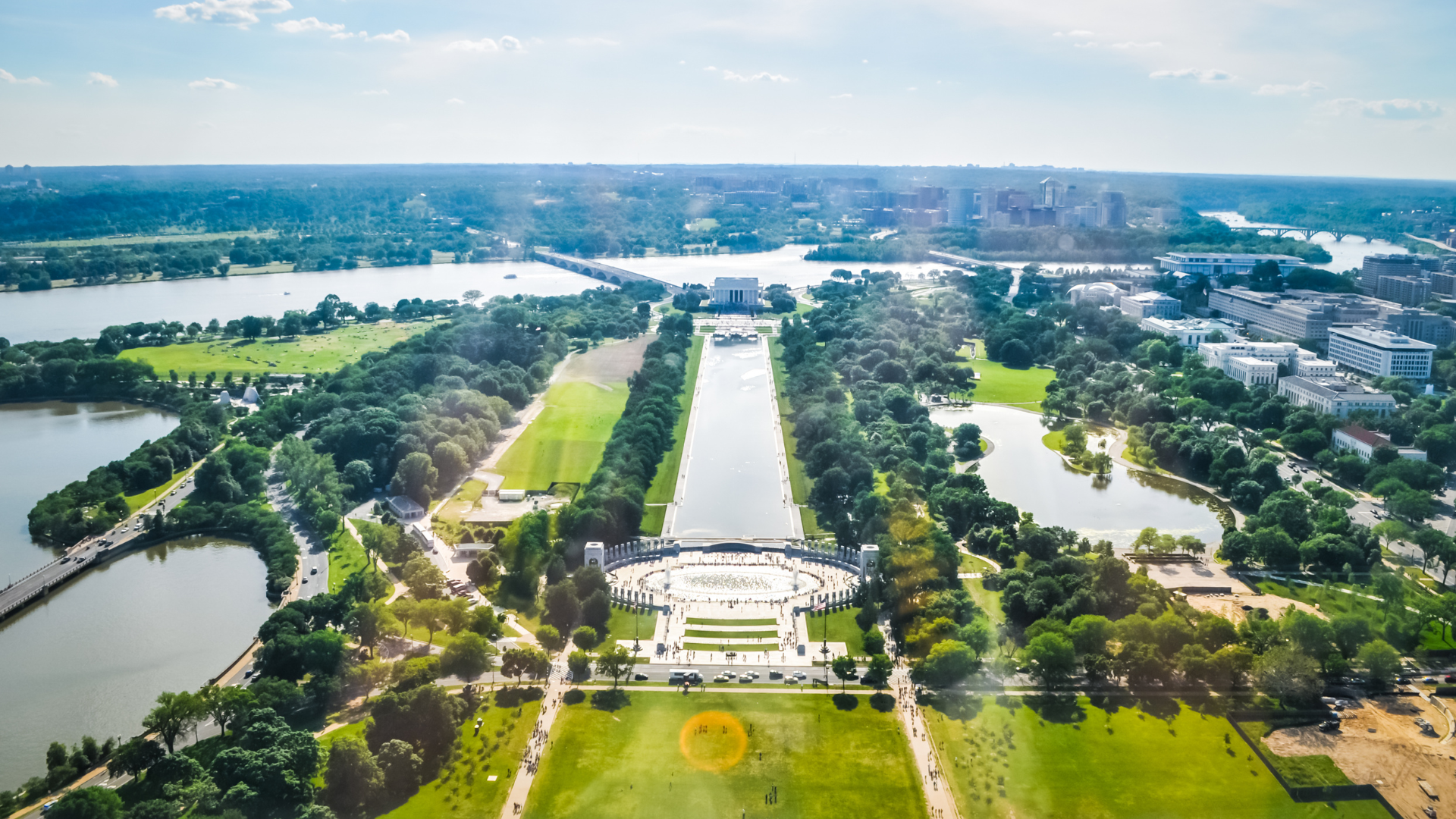
The Lincoln Memorial Reflecting Pool remains one of Washington’s most recognizable landmarks, attracting millions of visitors every year. Officials are expected to continue evaluating the renovation work to ensure the landmark can withstand heavy public use while preserving its historic appearance. The episode has highlighted the importance of thorough investigations before criminal responsibility is assigned.
Questions Remain Even as the Cases Come to an End
The dismissal of all remaining Reflecting Pool vandalism cases marks a dramatic reversal from the government’s initial allegations. As evidence increasingly pointed toward construction defects rather than deliberate destruction, prosecutors concluded they could no longer pursue the cases. The controversy is likely to influence future investigations involving public infrastructure projects while raising broader questions about accountability, evidence gathering, and the protection of historic landmarks.