Millions Could Feel the Impact of Proposed Colorado River Water Cuts
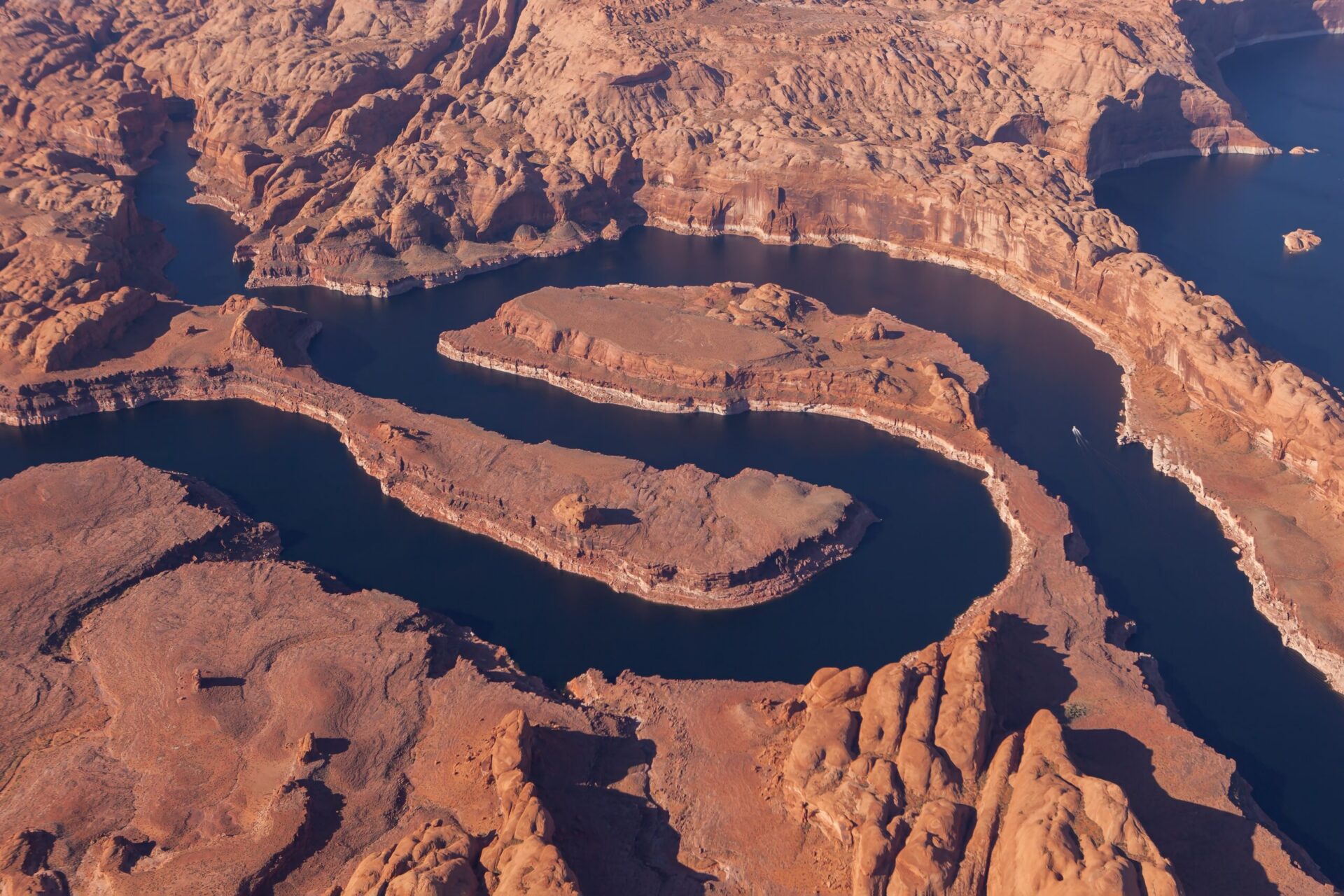

The Colorado River supplies drinking water, irrigation, and electricity across the American West, but years of drought, overuse, and rising temperatures have pushed the system to its limits. Now, a new federal proposal could require some of the largest water reductions in decades, affecting states, farms, cities, and millions of people who depend on the river every day.
Why Federal Officials Are Proposing Major Cuts
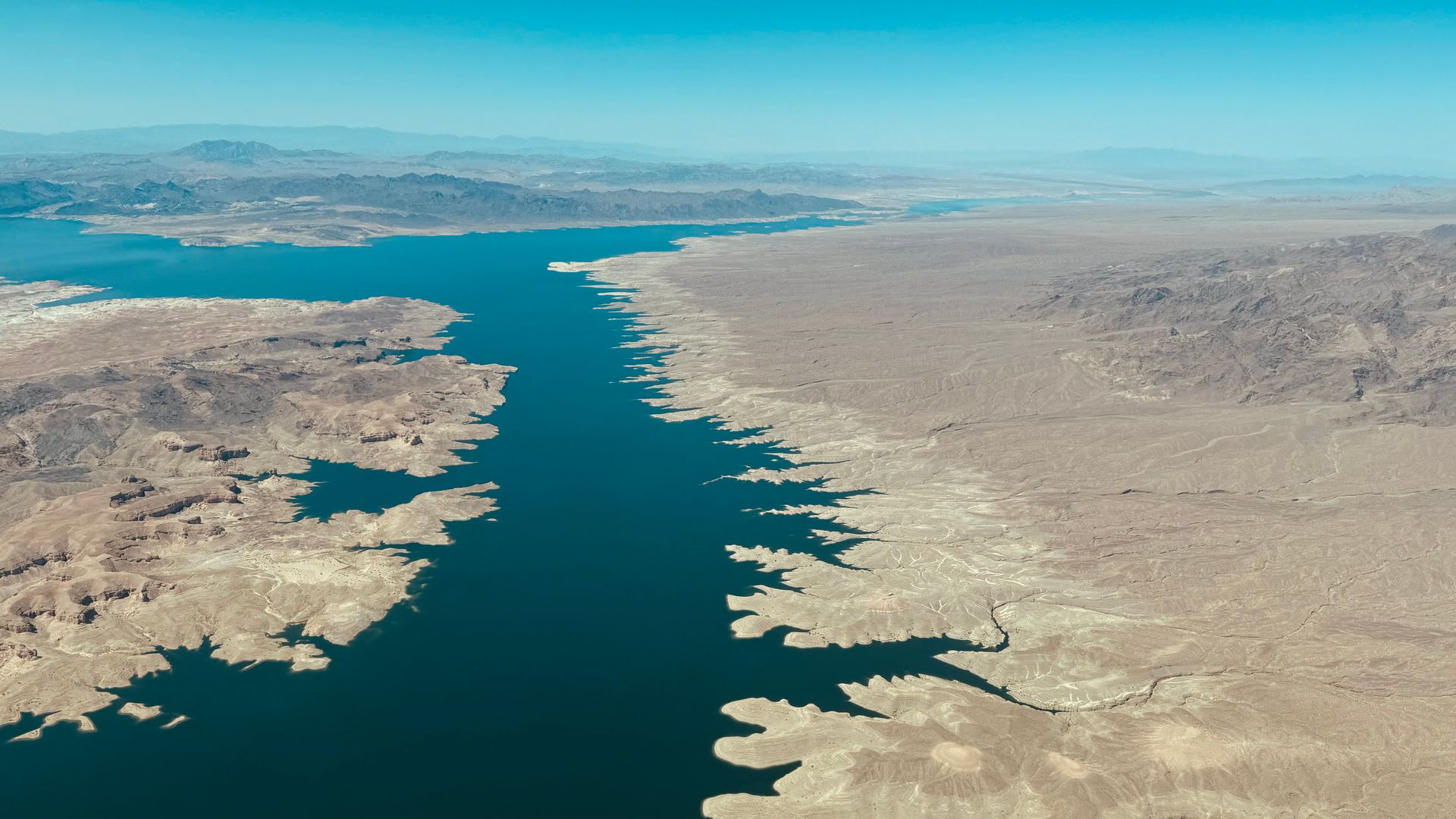
The U.S. Bureau of Reclamation has released a proposed framework to guide Colorado River operations through 2036 after years of stalled negotiations among the seven basin states. The proposal would require Arizona, California, and Nevada, known as the Lower Basin states, to reduce their water use by as much as 3 million acre-feet annually depending on reservoir conditions, while Upper Basin states would initially rely on voluntary conservation efforts.
What Has Driven the Crisis
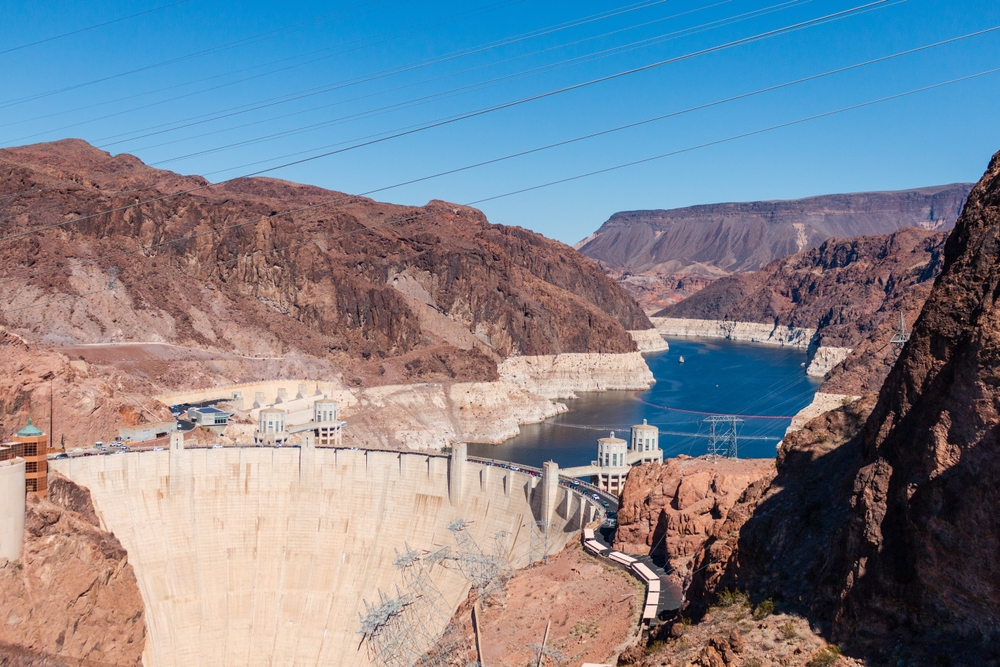
The Colorado River provides water to roughly 40 million people, irrigates about 5.5 million acres of farmland, and supports major hydropower facilities at Hoover Dam and Glen Canyon Dam. Yet the river’s average flow has declined significantly over the past century because of prolonged drought, higher temperatures linked to climate change, and decades of water use that exceeded the river’s long-term supply. Reservoirs such as Lake Mead and Lake Powell have repeatedly fallen to historically low levels.
Which States Would Bear the Largest Burden
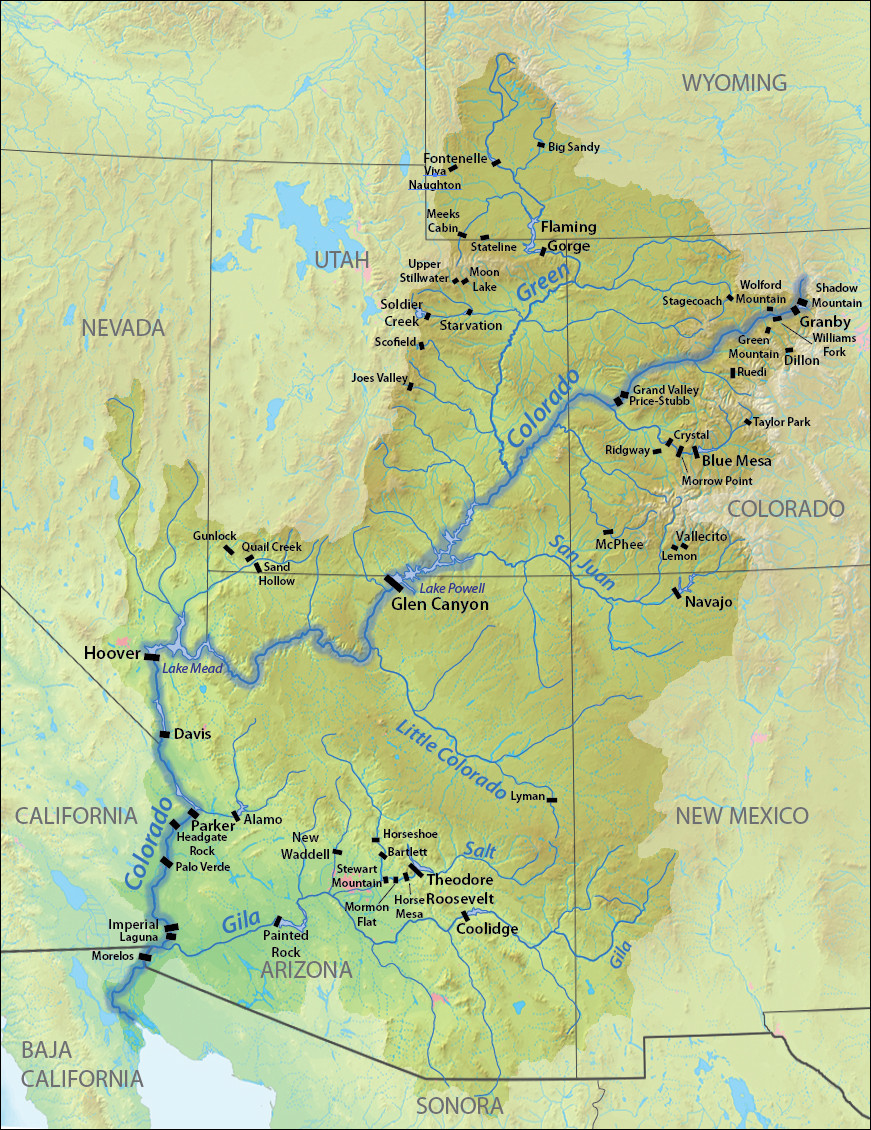
The proposal places the heaviest mandatory reductions on Arizona, California, and Nevada because they draw directly from the Lower Basin, where shortages are most immediately felt. Arizona is expected to shoulder some of the deepest reductions because its Colorado River allocation has a lower legal priority than many California users. Upper Basin states, including Colorado, Utah, Wyoming, and New Mexico, argue that they should not face identical obligations because they generally do not consume their full allocations.
Why States Still Disagree
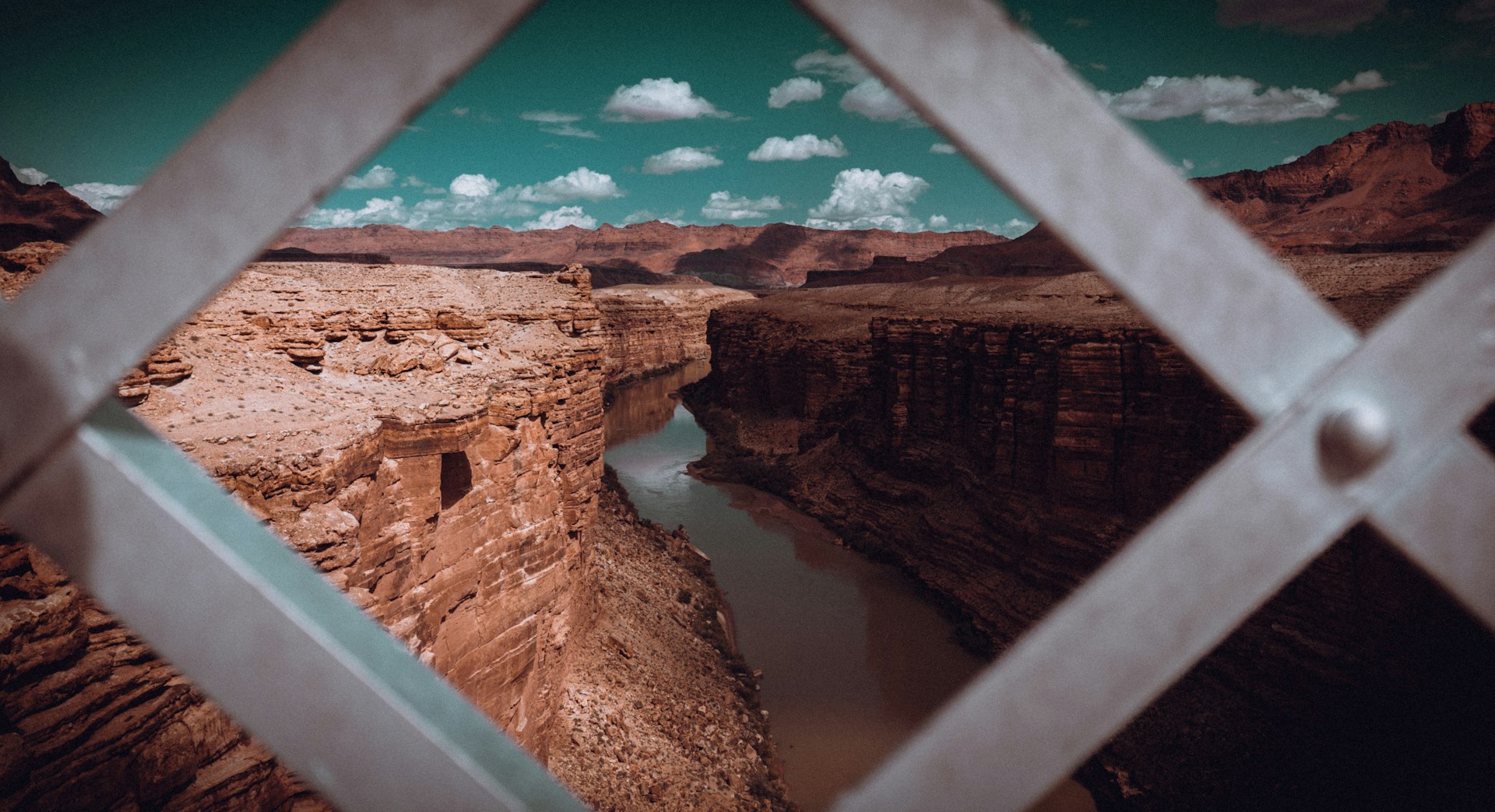
Negotiations have repeatedly stalled because the seven basin states disagree over how the shrinking river should be shared. Lower Basin officials argue that all states must contribute measurable conservation, while Upper Basin leaders contend they should not be required to make mandatory cuts comparable to those imposed downstream. The competing legal interpretations of the century-old Colorado River Compact have complicated efforts to reach a unified agreement.
What the Proposal Could Mean for Communities
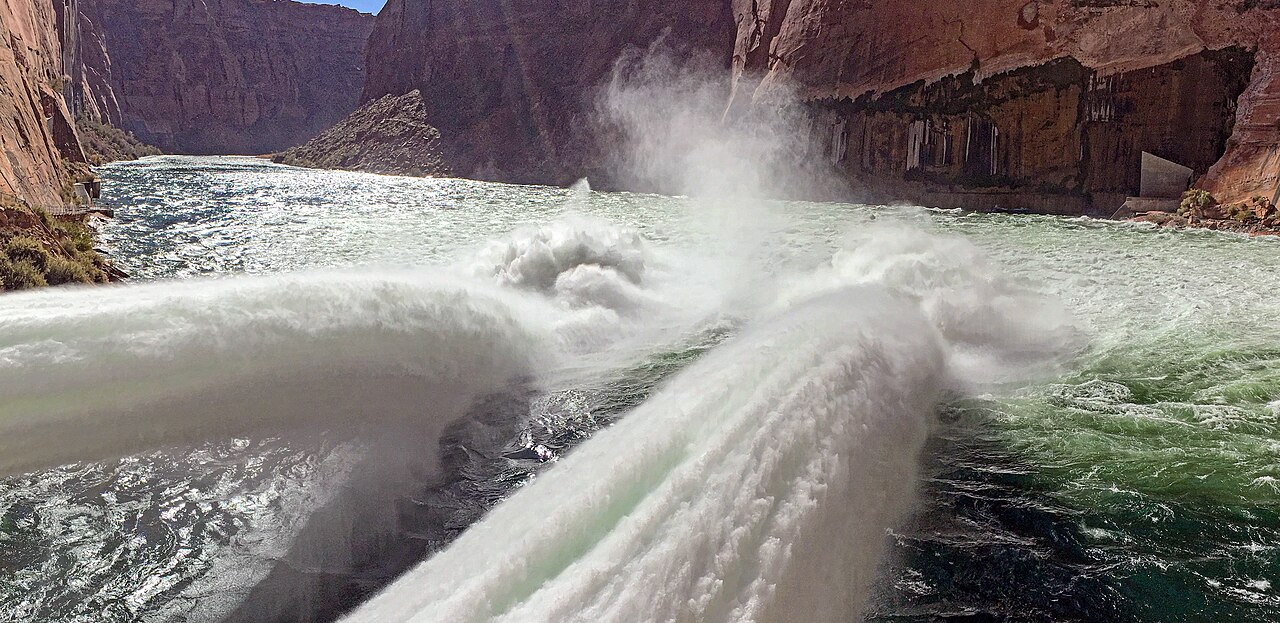
Although the proposal does not immediately dictate household water restrictions, it could influence how cities, irrigation districts, and water agencies manage supplies over the coming decade. Communities may expand conservation programs, invest in recycled water, adjust water pricing, or seek alternative sources. Agricultural users, who consume the largest share of Colorado River water, could also face pressure to fallow fields or switch to less water-intensive crops if reductions deepen.
The Stakes Extend Beyond Drinking Water

The Colorado River supports far more than municipal water systems. It powers hydroelectric facilities that provide electricity across the Southwest and sustains one of the nation’s most productive agricultural regions. Continued declines in reservoir levels threaten both reliable power generation and food production, making the debate about far more than residential water use alone.
Flexible Rules Reflect an Uncertain Future
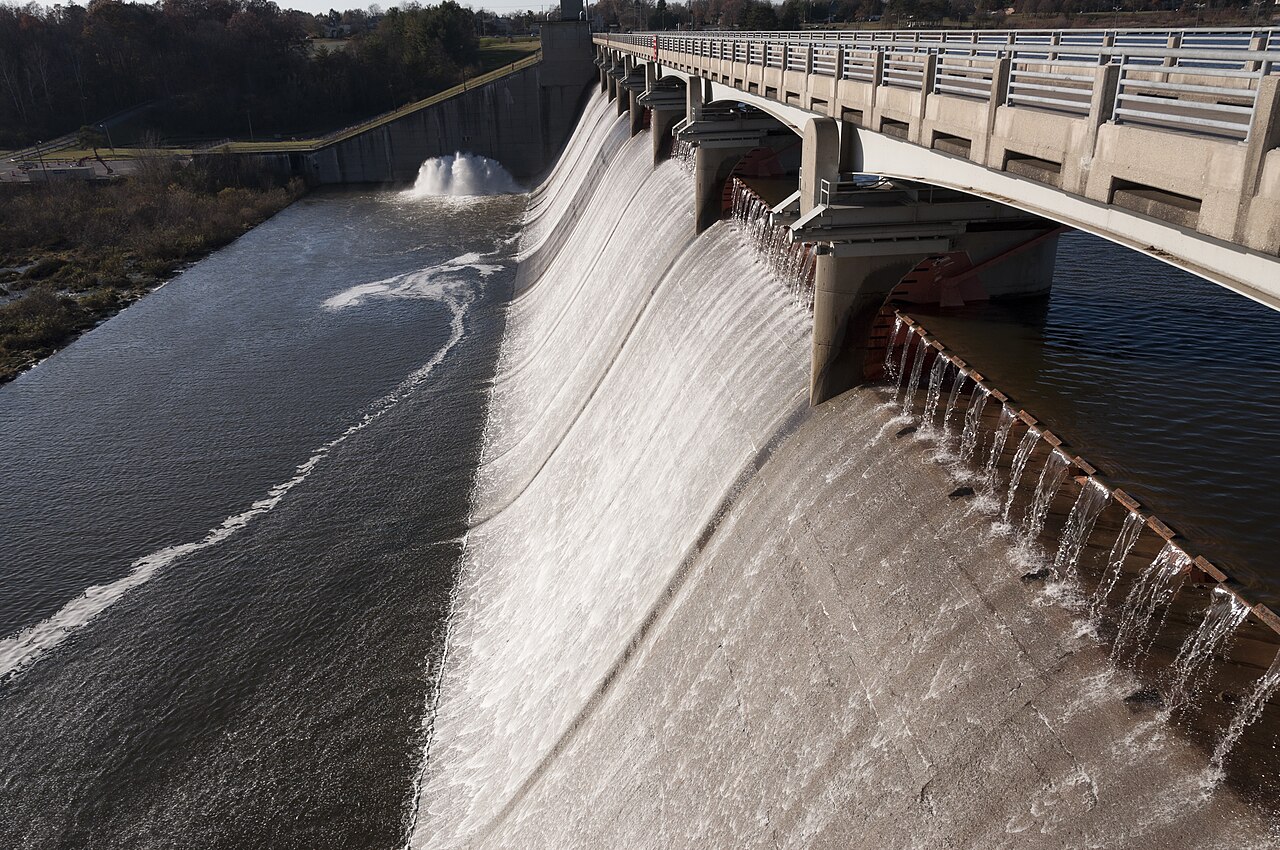
Rather than locking in fixed reductions for an entire decade, the Bureau of Reclamation’s proposal would allow operating plans to be updated every two years based on changing hydrological conditions. Supporters say the approach provides flexibility as climate conditions evolve, while critics worry it could leave states facing repeated uncertainty and difficult negotiations instead of providing long-term stability.
The Proposal Is Only the Beginning
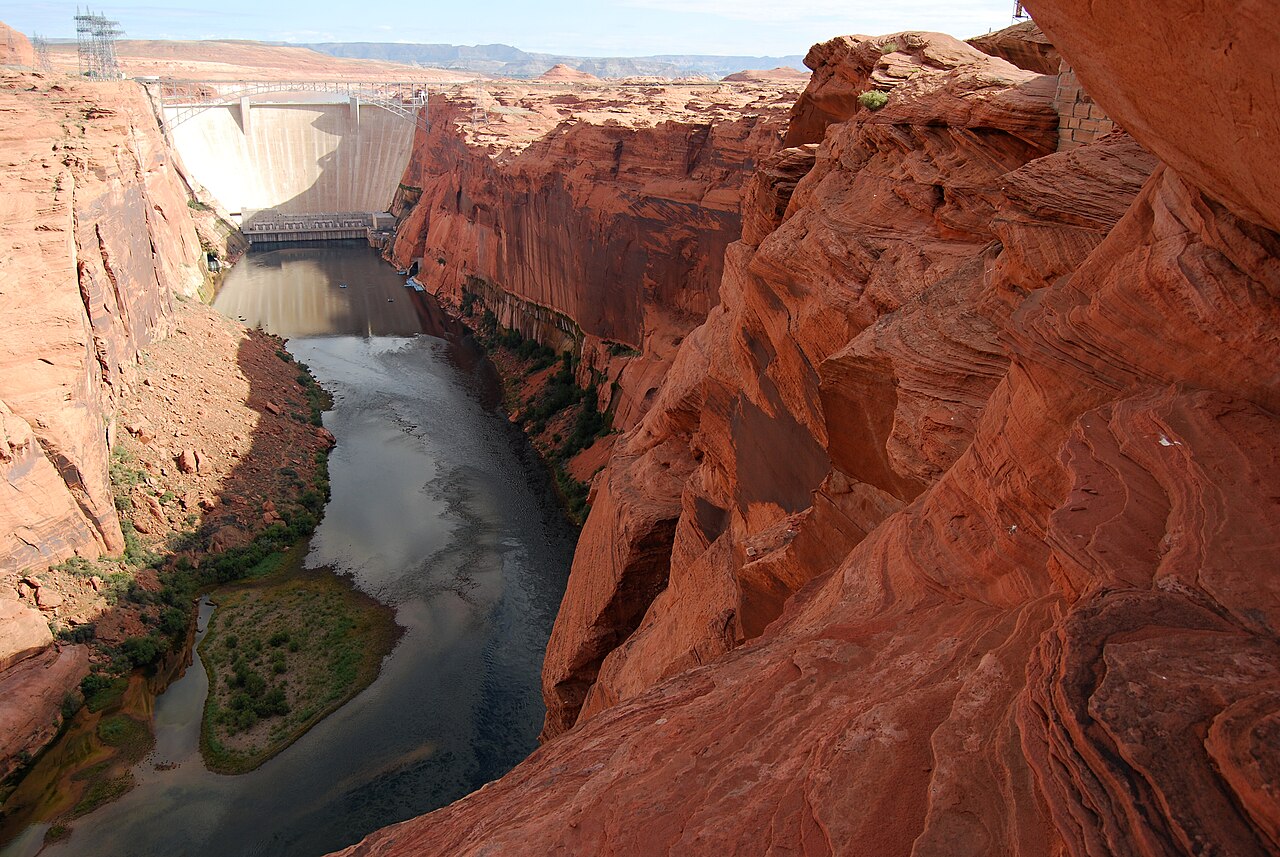
The draft framework is not yet final. Federal officials will gather public input and continue working with the seven basin states before adopting new operating rules to replace the current guidelines, which expire later this year. Legal challenges remain possible if states believe the final plan unfairly shifts the burden of conservation.
The River’s Future Will Depend on Cooperation
The Colorado River has supported rapid growth across the Southwest for generations, but today’s water supply no longer matches the assumptions made when its allocations were established. Whether the proposed cuts are ultimately adopted or revised, the coming decisions will shape how millions of people, farms, businesses, and ecosystems share one of North America’s most important rivers in an increasingly dry future.