More Than 20 States Just Sued to Stop the Feds From Sharing Personal Data of Millions on Low-Income Benefits
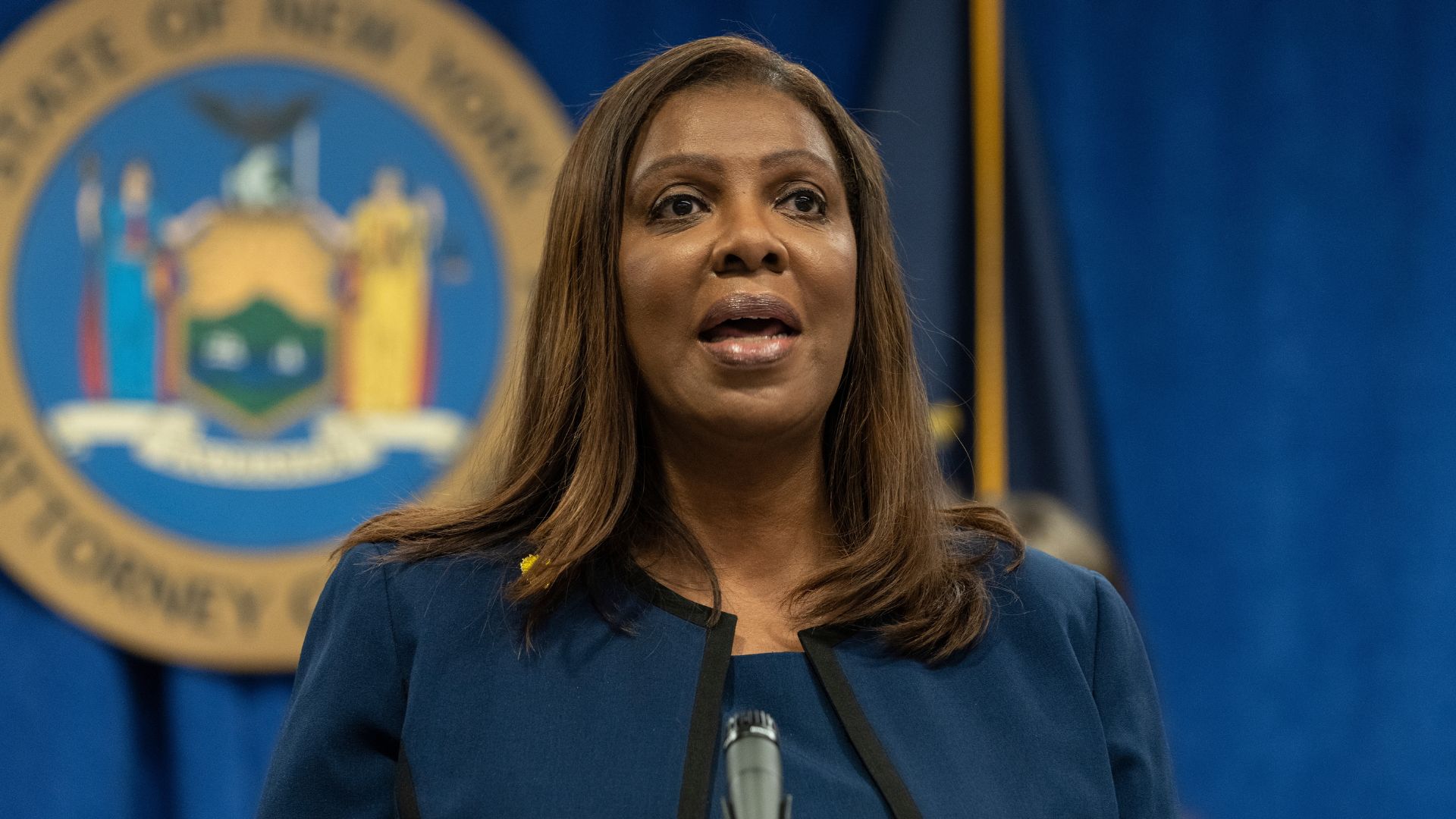

Millions of families who rely on a safety-net program for low-income households could soon have their personal information shared across the federal government. Twenty-four states and the District of Columbia, co-led by New York Attorney General Letitia James, are heading to court to stop it before it takes hold. The lawsuit, filed Monday, argues the Trump administration is reaching further into state-run assistance programs than the law allows.
At the center of the dispute is the Temporary Assistance for Needy Families program, known as TANF, which sends more than $16 billion a year to states, territories and tribal governments. Local agencies use the money for cash assistance, job training, childcare subsidies and other support for families raising children on limited income. State officials say determining who qualifies has always been their call, not Washington’s.
The coalition filed its case in federal court in Washington, challenging a policy change first announced in June, part of what AP called ongoing TANF battles. A second, related lawsuit was brought separately by privacy and civil rights groups in federal court in Brooklyn. Both challenges center on the same question: whether federal health officials can now collect and pass along private data on TANF recipients without violating existing law.
What the New Policy Would Actually Allow
The policy comes from the Administration for Children and Families, part of the U.S. Department of Health and Human Services. According to the lawsuits, the agency notified states in June that it intended to expand its oversight of TANF programs nationwide, including by collecting detailed records on recipients and sharing them with other federal agencies. Reuters reported the rule is scheduled to take effect on August 11.
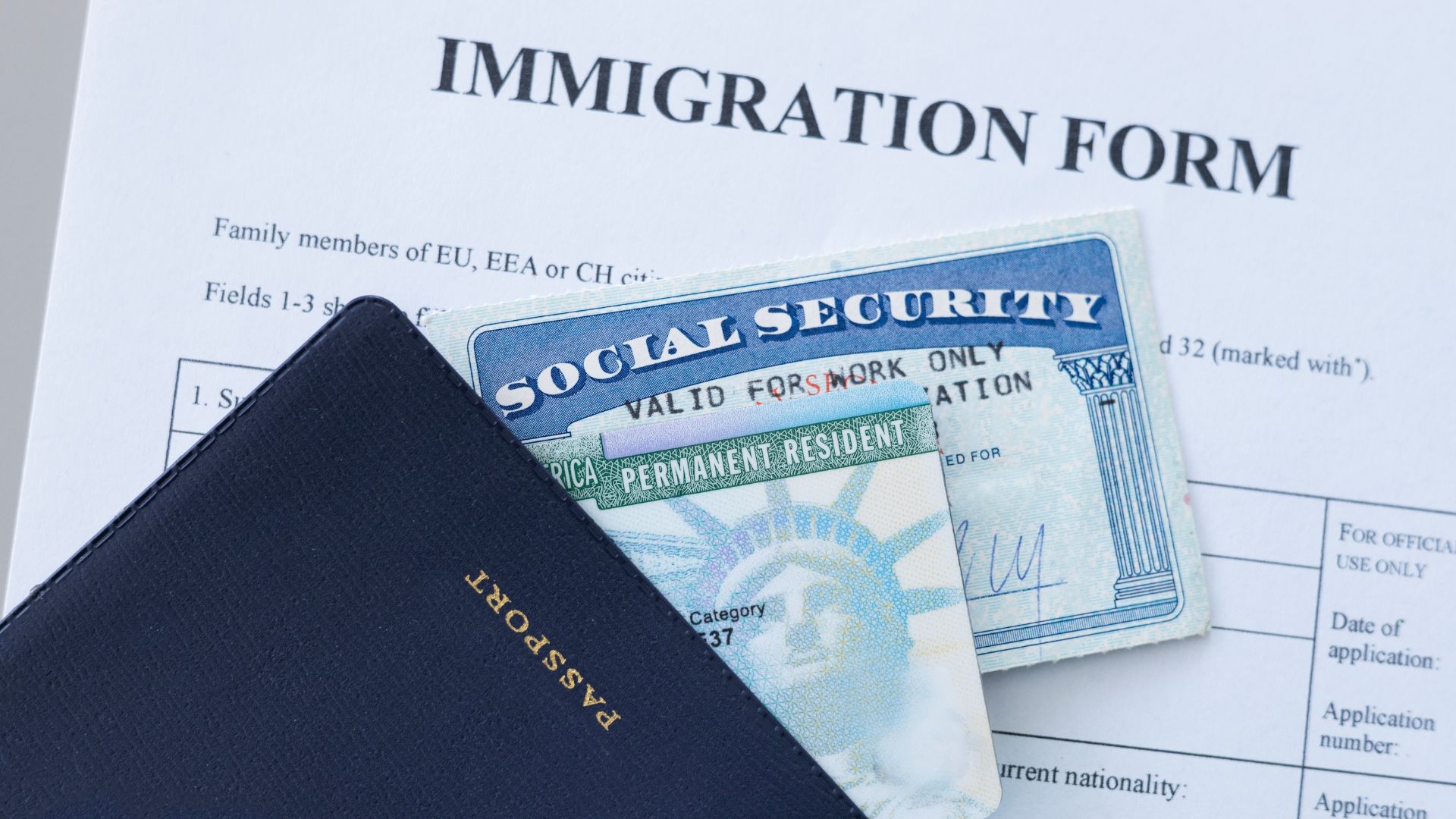
Under the change, recipients’ Social Security numbers, home addresses and immigration status could be shared beyond the agency that currently holds them, including with the Department of Homeland Security. The states say the data could also potentially reach private organizations. For a program that families rely on to cover food, housing and childcare costs, the states argue that the scope of access goes well beyond current legal limits.
California Attorney General Rob Bonta, whose state joined the lawsuit, told Reuters the administration is using a program meant to keep children fed to fuel a wider effort at mass surveillance. The states point to an earlier episode as context: officials tried to freeze more than $10 billion in TANF and related funding to several states this year, before a judge blocked that move.
States Say the Risk Falls on Families Who Qualify

The states argue the law that created TANF puts them, not federal regulators, in charge of confirming who qualifies for benefits. They say the Administration for Children and Families is now claiming authority it was never granted, allowing it to monitor state programs and cross-check recipients’ immigration status through shared data. The lawsuit contends that step was never approved through the proper federal process.
Beyond the legal question, the states warn of a practical one: trust. Immigrant communities that rely on TANF for cash assistance, emergency housing and food support may hesitate to apply if they fear their information could reach immigration authorities. Families who qualify legally, the states argue, could go without help simply because they no longer feel safe coming forward to seek support they are entitled to receive.
A separate case filed in Brooklyn by the groups Make the Road States, Common Cause and the Electronic Frontier Foundation argues the policy violates the Privacy Act and other federal protections. The states’ lawsuit, filed separately, argues the new data-sharing rule violates the Administrative Procedure Act and constitutional limits on how the federal government can attach conditions to funding it sends to states.
What the States Are Asking the Court to Do
The lawsuits ask a federal court to declare the new policy unlawful and stop it from taking effect before the August 11 deadline arrives. New York Attorney General Letitia James, who helped lead the coalition, said the administration is turning a program meant to help struggling families into a tool aimed squarely against the very people it was built to serve.
“TANF funds provide critical assistance to help families put food on the table, find safe housing, and make ends meet, but this administration is weaponizing TANF to illegally use millions of people’s most private personal information,” James said in a press release, adding that she won’t allow an assistance program New York families depend on to become a weapon aimed at the very people it protects.
Joining New York in the case are Arizona, California, Colorado, Connecticut, Delaware, Hawaii, Illinois, Maine, Maryland, Massachusetts, Michigan, Minnesota, Nevada, New Jersey, New Mexico, Oregon, Rhode Island, Vermont, Virginia, Washington and Wisconsin, along with the governors of Kentucky and Pennsylvania. For now, it’s up to a federal judge to decide whether the families who depend on TANF will see their private information handed over, or kept where it’s always been.