Long Beach Spent Millions Fighting Homelessness, but the Number of People Without Housing Rose Again


Long Beach has spent hundreds of millions of dollars in recent years trying to reduce homelessness by expanding shelters, increasing outreach and investing in prevention programs. Yet the city’s latest annual count found that homelessness continued to rise. According to the 2026 Point in Time Count, 3,729 people were experiencing homelessness in Long Beach, up 3.7% from the previous year and marking the second straight annual increase. The findings highlight the challenge cities face when rising housing costs and economic pressures continue pushing more people into homelessness even as services expand.
The Annual Count Shows a Mixed Picture

The Point in Time Count is an annual survey conducted by hundreds of volunteers who count people staying in shelters as well as those living in vehicles, tents and other outdoor locations. While the total number of people experiencing homelessness increased by 134 compared with 2025, the city also reported that a larger share of people were staying in shelters or interim housing. Sheltered homelessness rose to 30.6% of the total, while the share of people living unsheltered declined to 69.4%, the lowest level Long Beach has recorded in the past four years.
The City Added More Shelter Beds

Long Beach officials point to significant investments made over the past year. The city’s shelter system grew from 1,357 beds to 1,521, a 12% increase, including new interim housing projects such as Homekey at 5950 and the Youth Shelter and Navigation Center. City officials also reported moving 1,702 people into permanent housing during 2025, while shelter occupancy remained above 95%, suggesting demand continues to outpace available space.
More People Are Becoming Homeless for the First Time
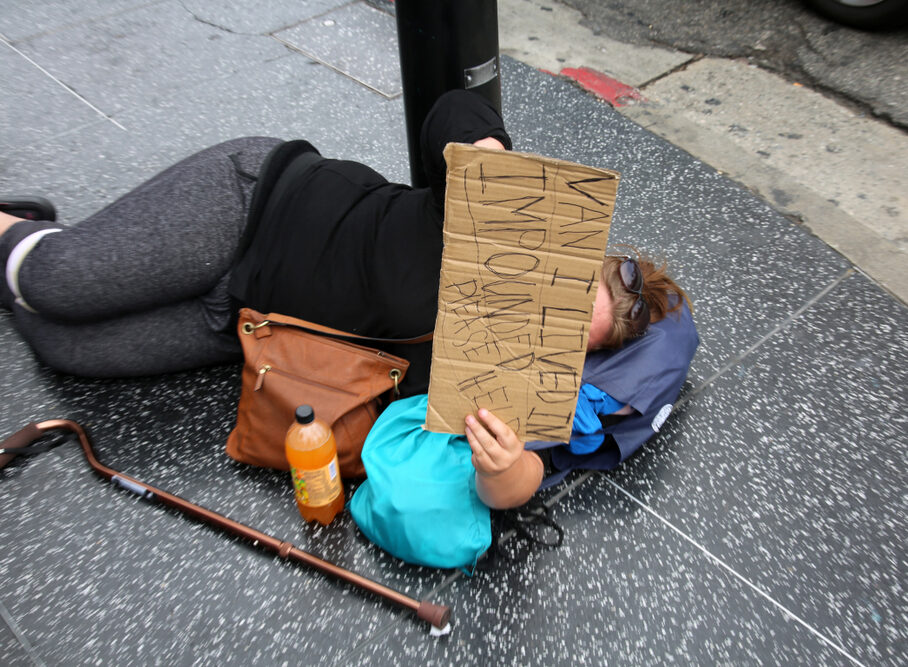
One trend that concerned officials was the increase in people newly entering homelessness. The share of people experiencing homelessness for less than a year rose from 10.9% to 12.4%. At the same time, chronic homelessness, which affects people who have experienced prolonged or repeated homelessness while living with disabling conditions, increased sharply from 46.7% to 58%. City officials said those figures point to the need for more long-term housing and supportive services, not just emergency shelter.
Housing Costs Remain a Major Challenge

Officials and researchers say the biggest obstacle may be one that cities cannot solve alone: the cost of housing. Financial hardship and unemployment remained the leading reason people reported losing their housing, followed by family disruption and mental health challenges. Long Beach also noted that nearly six in 10 renter households across Los Angeles County are considered cost-burdened, meaning they spend more than 30% of their income on housing.
Federal Funding Is Adding More Pressure

Long Beach officials also warned that outside funding challenges could make the situation worse. The city says the federal Emergency Housing Voucher program, which currently helps hundreds of local households remain housed, is expected to lose funding sooner than anticipated. At the same time, demand for local rental assistance has surged, with thousands of applications submitted for programs that can assist only a fraction of eligible households.
Officials Say Prevention Is Becoming Just as Important

Rather than focusing only on helping people after they lose housing, Long Beach has expanded programs designed to prevent homelessness in the first place. New initiatives include rental assistance, legal services for tenants facing eviction, subsidies for older adults struggling with rent, and a Youth Homelessness Prevention Unit scheduled to launch later this year. City leaders describe these efforts as the largest homelessness prevention investment in Long Beach’s history.
Spending Has Also Faced Questions About Oversight

As Long Beach continues investing in homelessness programs, some of that spending has come under increased scrutiny. A city audit is examining millions of dollars paid to nonprofit contractors that operated homeless services after auditors identified missing documentation and concerns about oversight. Auditor Laura Doud said the review is still ongoing, and city officials have since announced additional safeguards, including stricter invoice reviews and payment verification procedures.
Long Beach Is Not the Only Community Seeing a Reversal
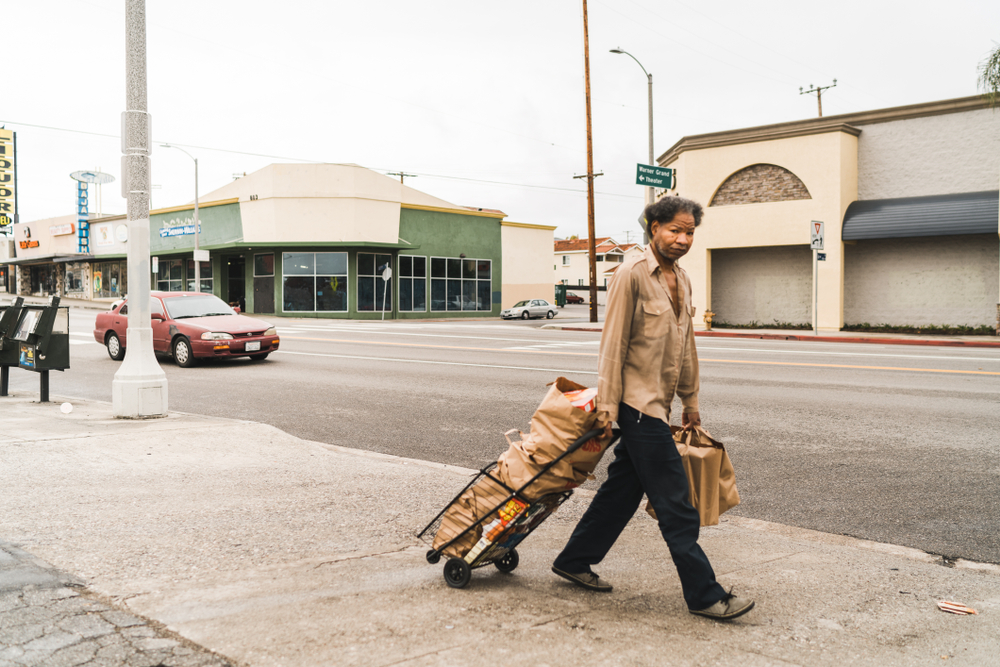
The latest figures also reflect a broader regional trend. After two years of declines, homelessness increased again across Los Angeles County and the city of Los Angeles in 2026. Regional officials have linked the slowdown in progress to reduced rental subsidy funding, rising housing costs and fewer people moving from temporary housing into permanent homes, creating bottlenecks throughout the homelessness response system.
The Next Test Will Be Whether Prevention Can Slow the Trend
Long Beach’s latest report shows that expanding shelters and moving more people into housing can produce measurable progress, even while overall homelessness continues to rise. The city’s next challenge will be determining whether its growing investment in prevention, affordable housing and rental assistance can reduce the number of people falling into homelessness in the first place, particularly as housing costs remain high and future funding becomes less certain.