Apple’s New Plan Now Wants Customers to Lease, Not Buy, Their Next iPhone or Mac
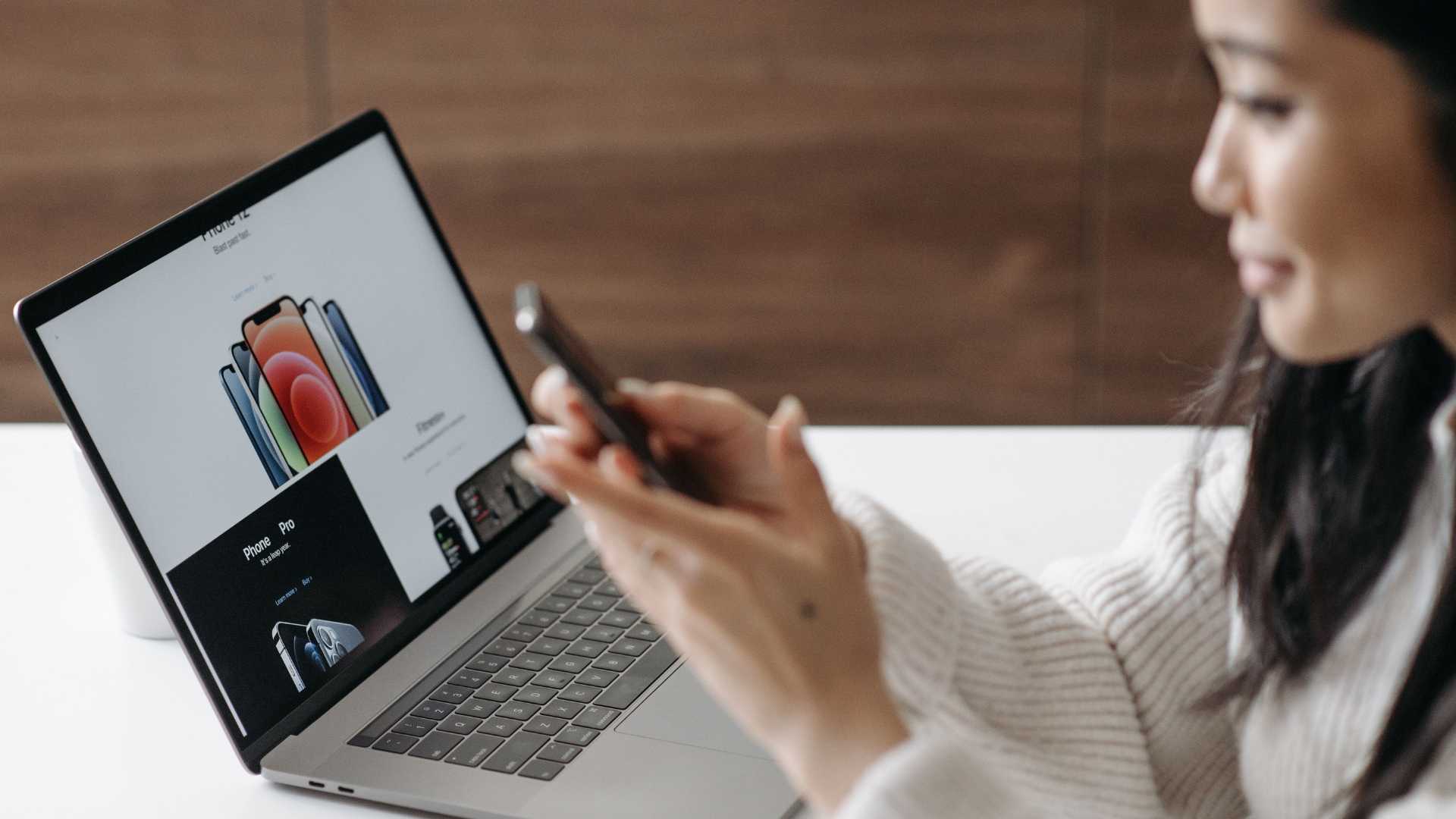

Apple is introducing a new way for customers to get its latest products without buying them outright. The company recently announced Apple Upgrade, a leasing program that lets eligible U.S. customers lease iPhones, iPads, Macs, and Apple Watches for a monthly payment instead of purchasing them. At the end of the lease, customers can return the device, buy it, or upgrade to a newer model. The move marks a major shift in how Apple hopes customers will keep up with its newest technology.
How the New Apple Upgrade Program Works
The Apple Upgrade program is available through Apple in partnership with Klarna. Customers choose an eligible device, complete a soft credit check, and make monthly payments over a lease term that ranges from one to three years depending on the product. At the end of the agreement, they can upgrade to a newer model, purchase the device with a final payment, or simply return it.
It’s No Longer Just for iPhones

Unlike Apple’s previous iPhone Upgrade Program, the new leasing option includes multiple product categories. Customers can now lease iPhones, Macs, iPads, and Apple Watches under one program, giving people more flexibility if they regularly upgrade several Apple devices.
Lower Monthly Payments Could Appeal to More Buyers
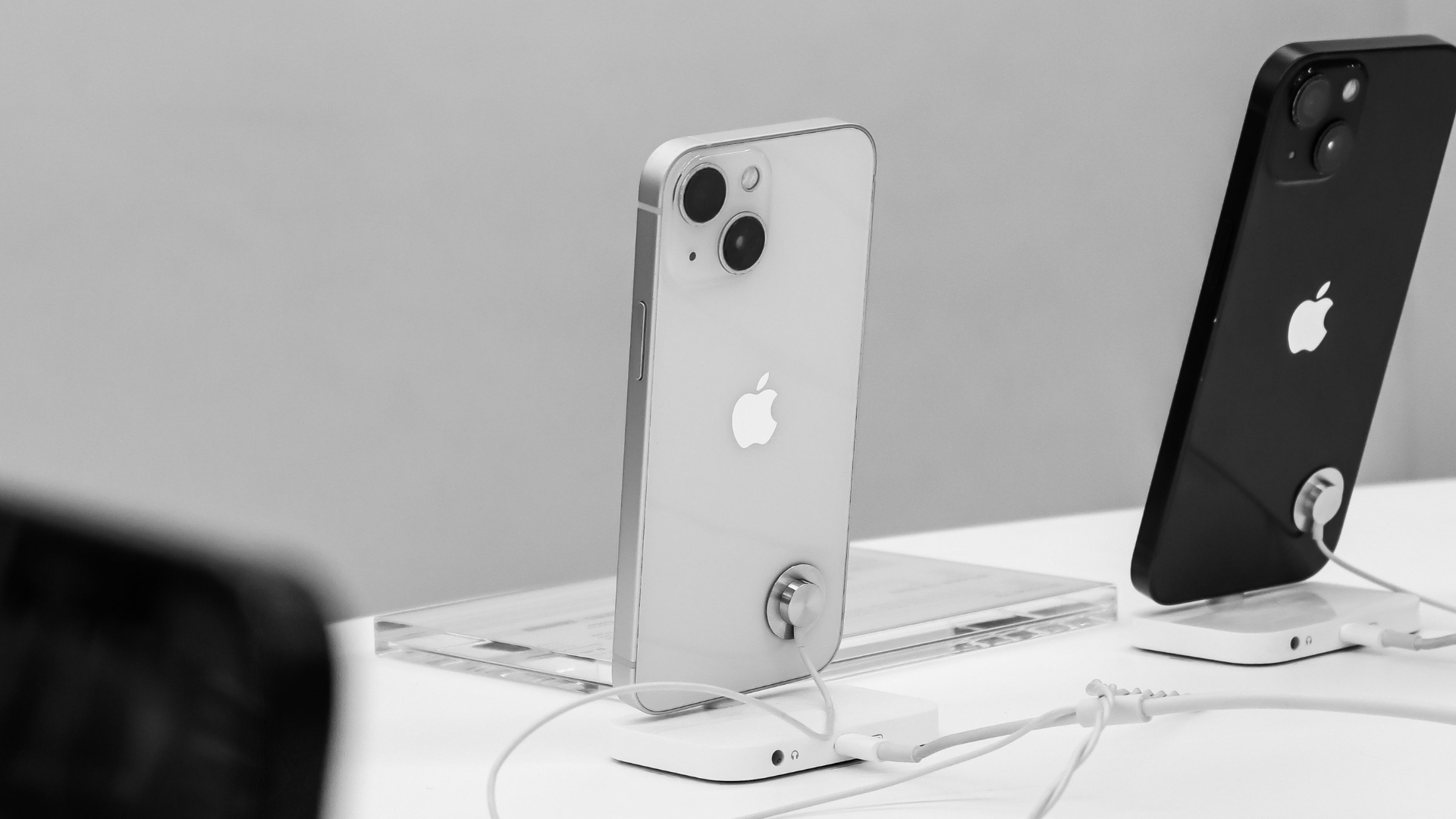
Apple says lease payments start as low as $11.99 per month for some Apple Watches and iPads, $17.99 for eligible iPhones, and $24.99 for Macs. Lower monthly payments could make premium Apple products more accessible, particularly as device prices continue to rise.
You Don’t Automatically Own the Device
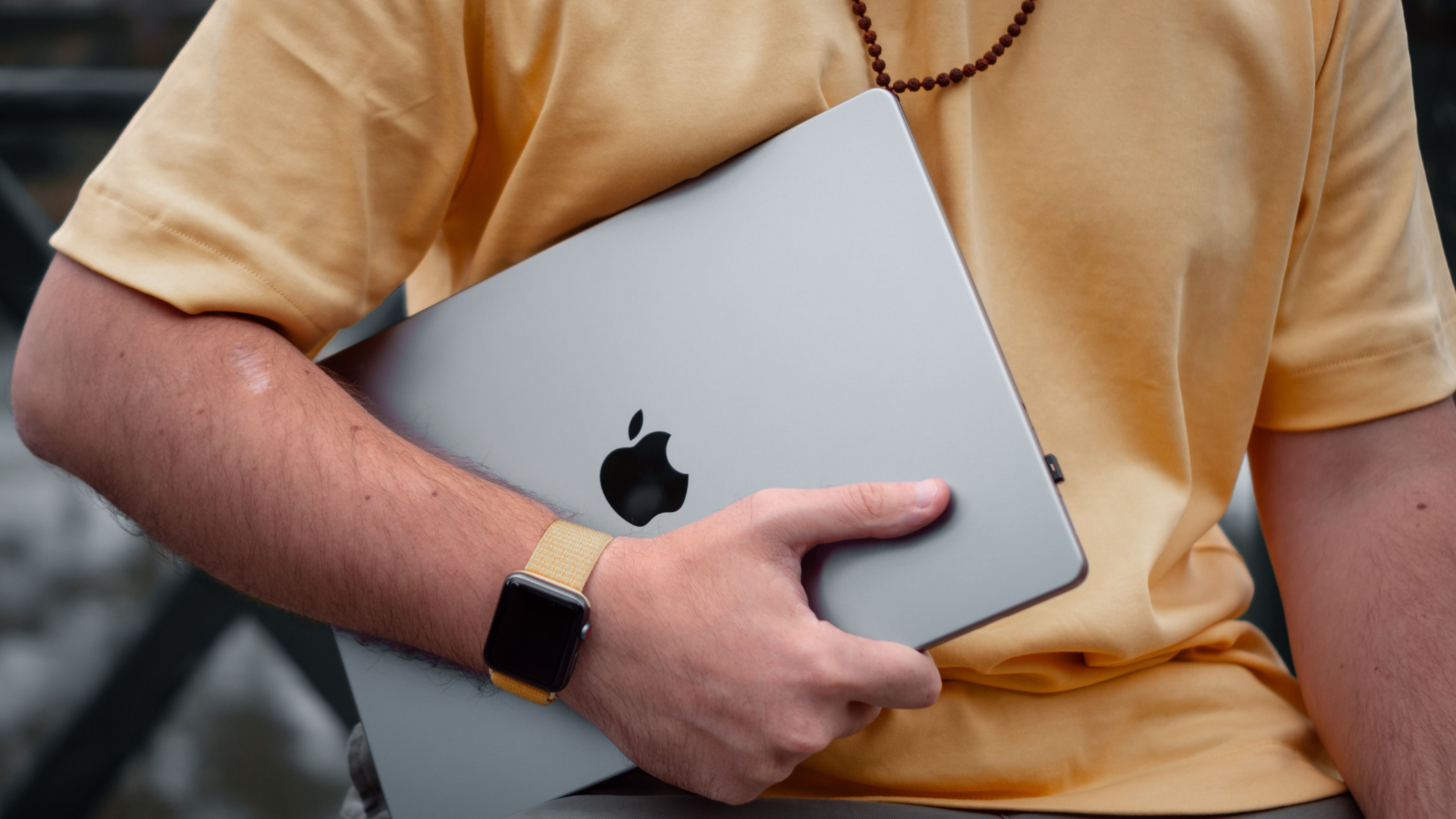
One of the biggest differences between leasing and financing is ownership. During the lease, the device belongs to the leasing provider rather than the customer. When the lease ends, users must decide whether to return the device, pay the remaining amount to keep it, or begin a lease on a newer model.
Frequent Upgraders May Benefit the Most
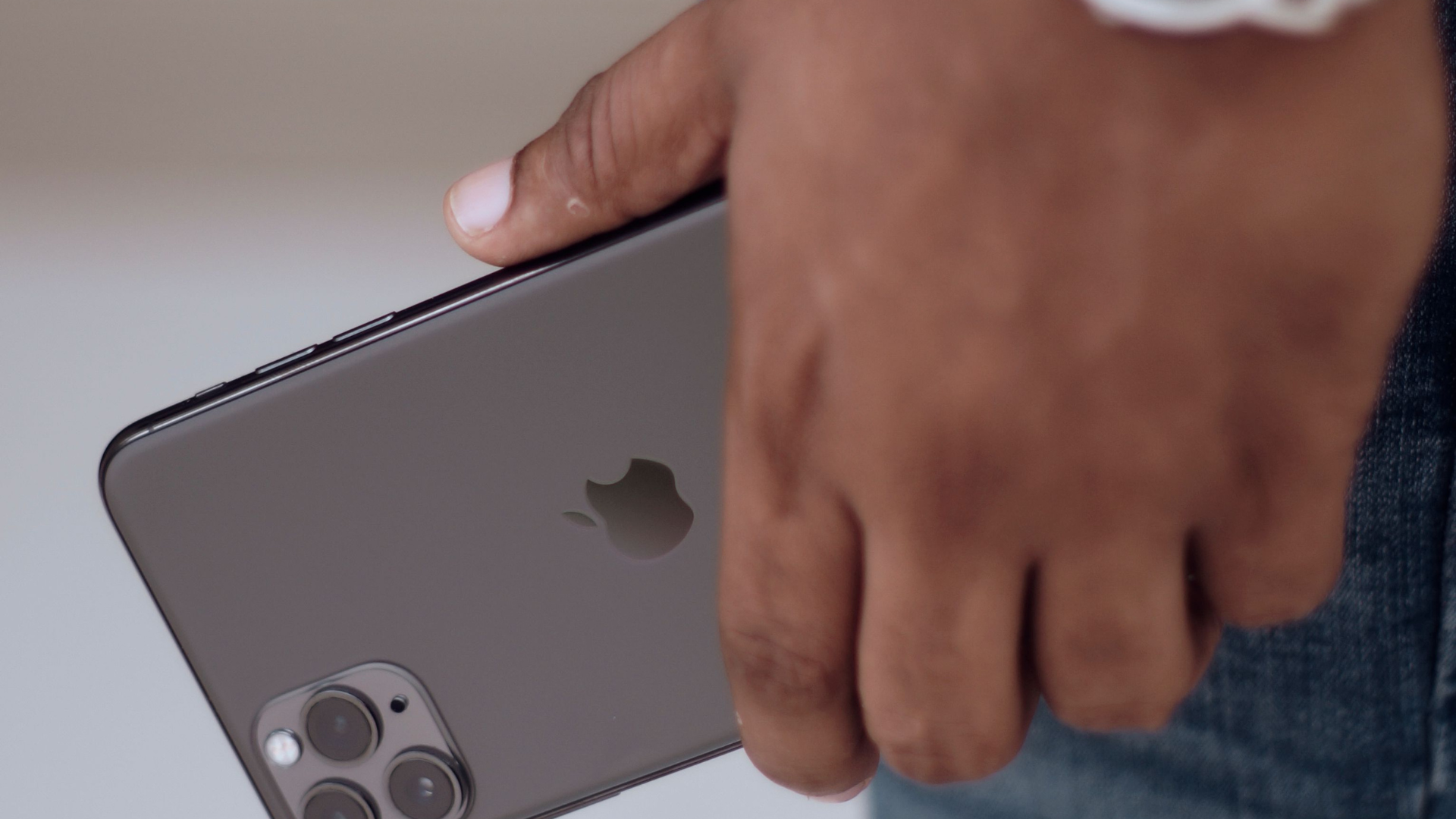
For people who enjoy having the newest Apple products every year or two, leasing may provide a more convenient upgrade path. Rather than selling an old device or arranging a trade-in, eligible customers can simply transition into another lease when their current agreement ends. However, those who typically keep their devices for many years may find purchasing remains the more economical option.
There Are Important Costs to Consider
While the monthly payments may seem attractive, shoppers should read the terms carefully. AppleCare+ is generally not included in the base lease price, and customers may be responsible for damage beyond normal wear. Ending a lease early or missing payments may also result in additional costs depending on the agreement.
Why Apple Is Making This Change
Industry analysts say the new program could help Apple encourage more frequent upgrades while making its products feel more affordable through lower monthly payments. It also comes as hardware prices have increased due to rising component costs, making flexible payment options more attractive for some consumers.
Should You Lease or Buy?

The right choice depends on your habits. Leasing may make sense if you enjoy upgrading often and prefer predictable monthly payments. Buying may be the better value if you typically keep your devices for several years, plan to resell them later, or simply prefer owning your technology outright. Comparing the total long-term cost can help determine which option fits your budget.
Apple Is Rethinking How Customers Get New Devices
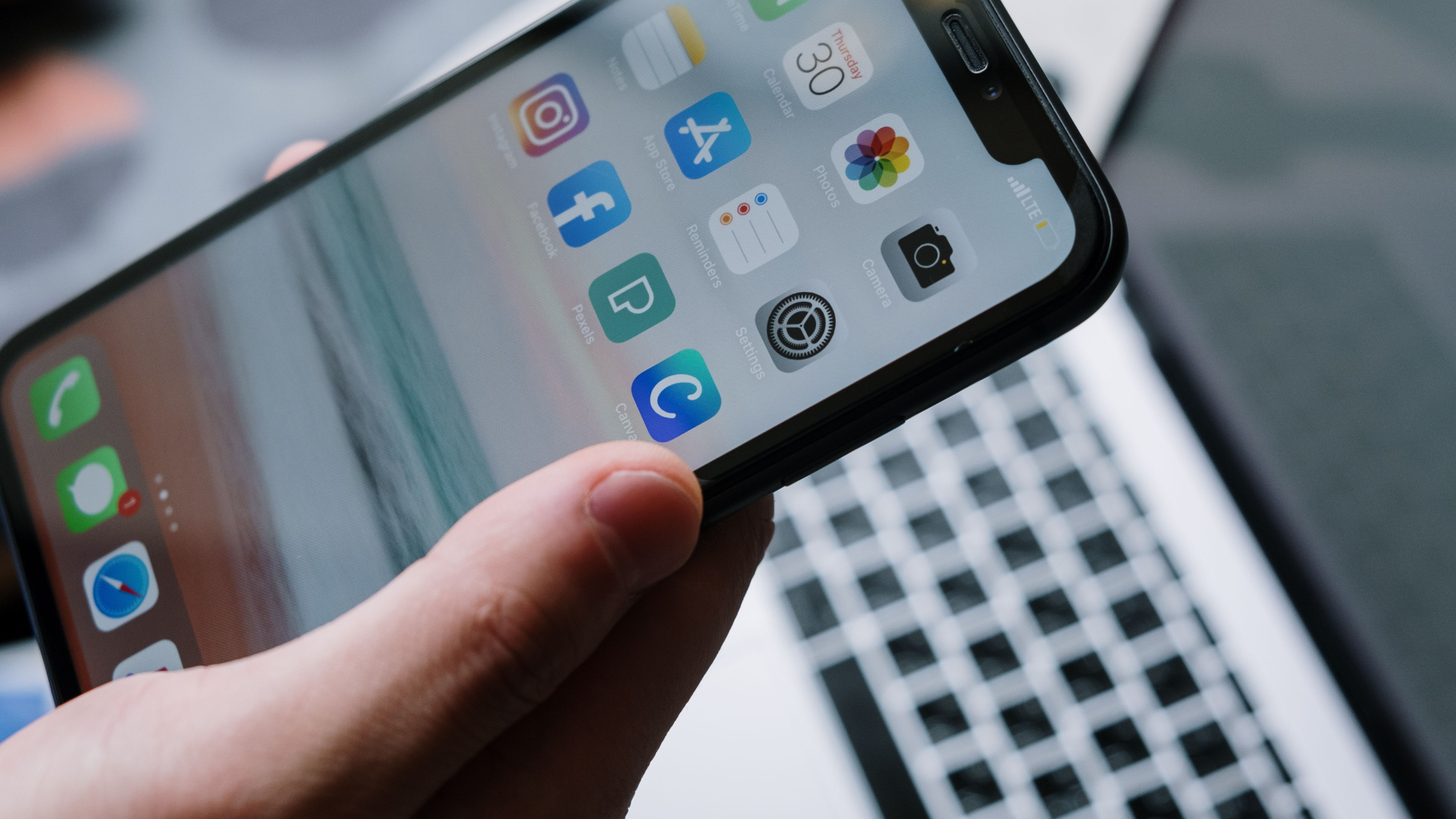
Apple’s new leasing program represents a significant shift from traditional ownership toward a subscription-like model for hardware. By offering lower monthly payments and easier upgrades across multiple product categories, the company hopes to make staying current with the latest technology more convenient. Whether the program is the right choice will depend on how often you upgrade, your budget, and whether you value flexibility more than ownership.