Wealthy Residents Are Leaving California, but the State May Still Come After Their Taxes


Six of California’s wealthiest residents packed up before New Year’s Day, chasing a deadline that could cost them billions. Proposition 40, headed to voters on Nov. 3, 2026, would impose a one-time 5% tax on residents worth more than $1 billion, using Jan. 1, 2026, as the cutoff for who counts as a Californian. For those who left just before that date, the real question now is did the state ever agreed to let them go?
Proving Residency Now Matters More Than Owning a Mansion

The proposed tax applies only to people California still considers residents, which means proving where someone actually lives could matter more than the size of their fortune. State officials do not rely on a single document to settle that question. Instead, they examine dozens of details about a person’s daily life, from where they sleep most nights to where their children go to school, to decide if California remains a billionaire’s true home despite a change of address elsewhere.
Brin, Sacks and Kalanick Named in California’s Tax Reporting

Google co-founder Sergey Brin, venture capitalist David Sacks, and former Uber chief Travis Kalanick have all been named in reporting about wealthy Californians who said they left the state before Jan. 1, 2026. A new mailing address would not automatically settle their exposure. If Proposition 40 passes, each case would hinge on whether California determines the move was genuine and complete before that cutoff date, a finding no state agency has publicly reached for any of them yet.
A Mailing Address Alone Won’t Satisfy California Auditors

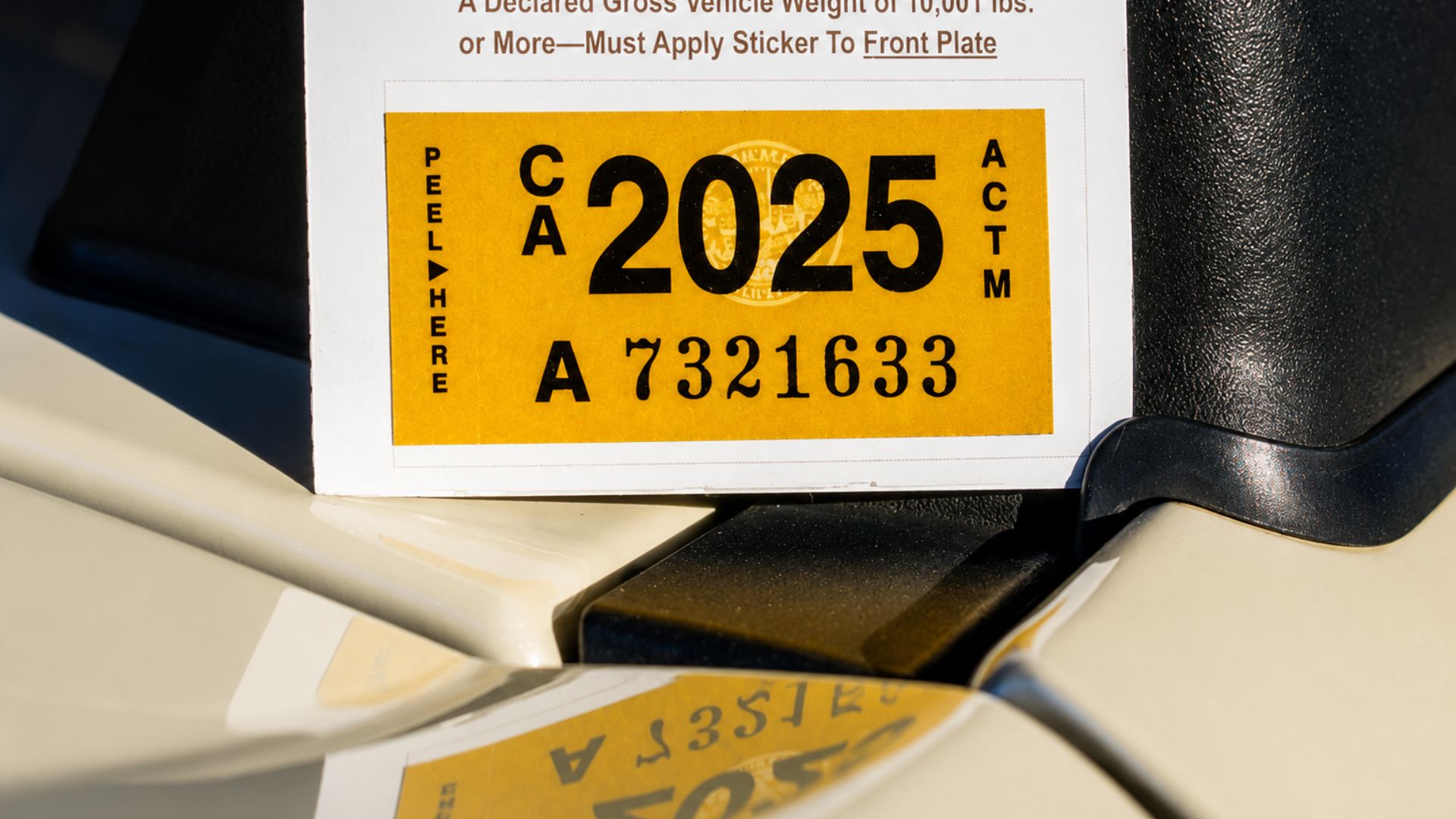
Changing a mailing address is rarely enough to escape a state’s tax reach. California’s review process looks for a broader pattern of daily life, not a single form. Investigators may check where a person’s vehicles are registered, where family members attend school, where medical care is received, and where the bulk of financial accounts sit. Each detail on its own means little. Stacked together, they can decide whether a billionaire’s move survives an audit.
California’s Franchise Tax Board Has a Manual Built for This

California’s Franchise Tax Board already has guidance for reviewing residency claims when high-income taxpayers leave the state, built around one core test: did someone genuinely cut ties, or simply keep a foothold while claiming distance for tax purposes? Auditors can examine travel records, property ownership, business activity, and family connections to answer that question. The agency even maintains a dedicated internal manual just for sorting real relocations from paper ones.
A 1993 Audit Took 11 Years to Resolve in Court

Legal challenges are widely expected if voters approve Proposition 40, particularly over its use of a Jan. 1, 2026, residency date set months before the election itself. Tax attorneys say that provision is likely to end up in court. California disputes over residency can also drag on for years. In the case of Gilbert Hyatt, the Franchise Tax Board opened its audit in 1993, and the fight continued through multiple courts for over a decade.
Nevada’s Zero Income Tax Draws California’s Wealthy West

Nevada has drawn a steady stream of wealthy Californians because it charges no state income tax at all, an appeal that only grows sharper as new taxes loom. But buying a house across the state line settles nothing on its own. To make a residency claim stick, a billionaire generally needs to show that daily routines, personal relationships, and true primary living arrangements have shifted away from California, not just a mailing label.
The 5% Tax Applies to a Billionaire’s Entire Net Worth
Proposition 40 would apply a one-time 5% tax to a covered billionaire’s full net worth once they cross the $1 billion threshold, not just the amount above it. Real estate held directly and certain retirement accounts would be excluded, and taxpayers could spread payments over five years for an added cost. Backers say 90% of the money raised would fund state health care programs, with the remainder split between food assistance, education, and administering the tax itself.
Brin Has Given Tens of Millions to Defeat Proposition 40

Prominent tech figures have poured money into fighting Proposition 40. Sergey Brin has contributed tens of millions of dollars to Building a Better California, joined by Eric Schmidt, Peter Thiel, and other Silicon Valley names. Opponents, including Gov. Gavin Newsom, argue the tax would push billionaires out of the state and shrink California’s income-tax base over time. Supporters counter that the ultra-wealthy can afford to fund the health programs millions of residents depend on.
November 3 Will Decide Who California Still Claims as Its Own

Proposition 40 has already cleared the signature and certification hurdles and will appear before California voters on Nov. 3, 2026. A yes vote triggers audits, appeals, and likely years of litigation over who counted as a resident on a single January morning. A no vote leaves the exodus intact but the underlying fight over taxing extreme wealth unresolved. Either outcome, California has turned the question of who truly lives there into a multi-billion-dollar dispute.