Flock Cameras May Know Where Your Car Has Been, and Communities Are Pushing Back
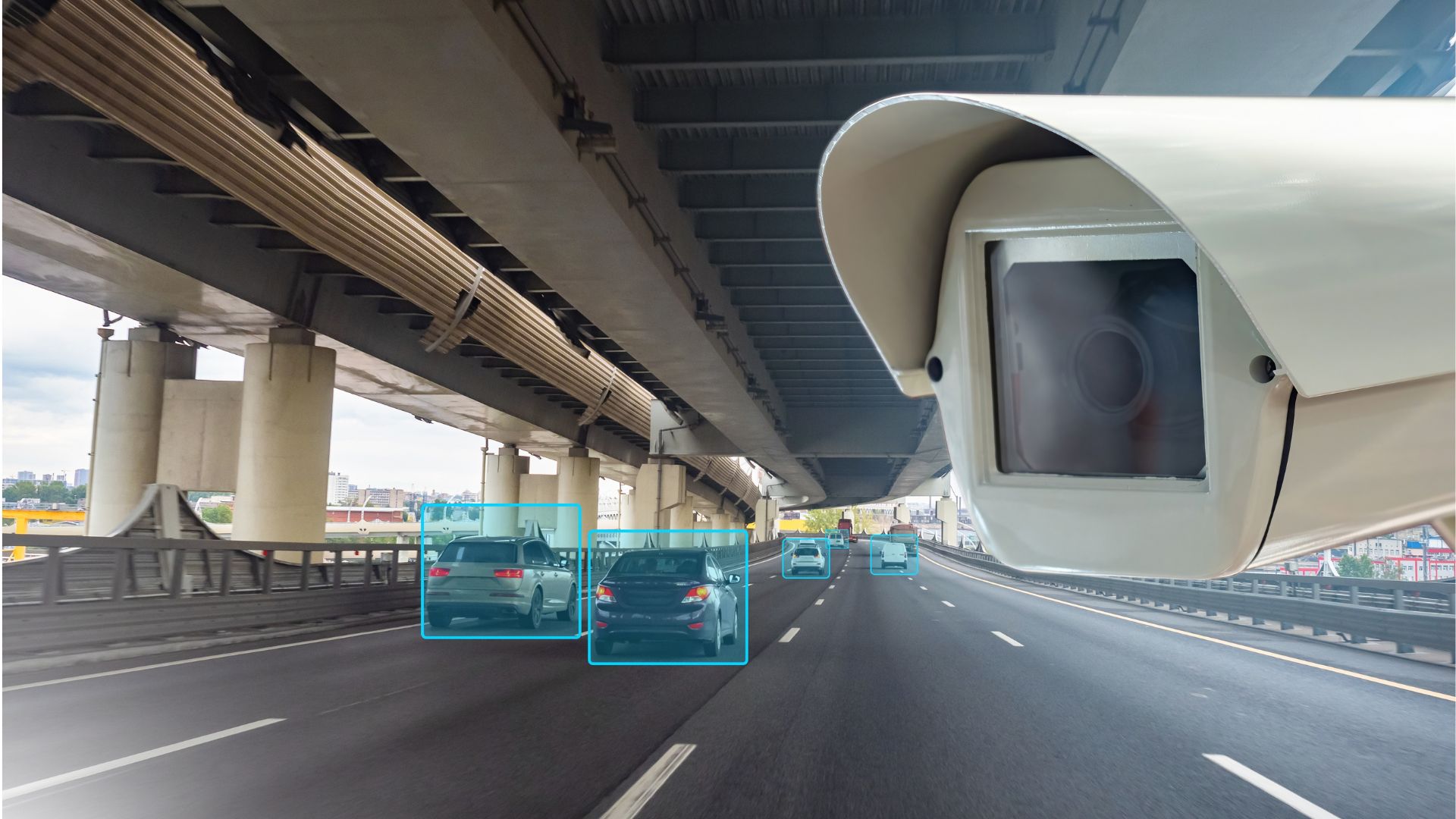

Across the country, small black cameras on roadside poles quietly scan millions of driving routes every single day. While police departments view this automated technology as an essential tool for fighting crime, many residents and privacy advocates feel that public monitoring has crossed a dangerous line.
Understanding Automated License Plate Recognition Technology
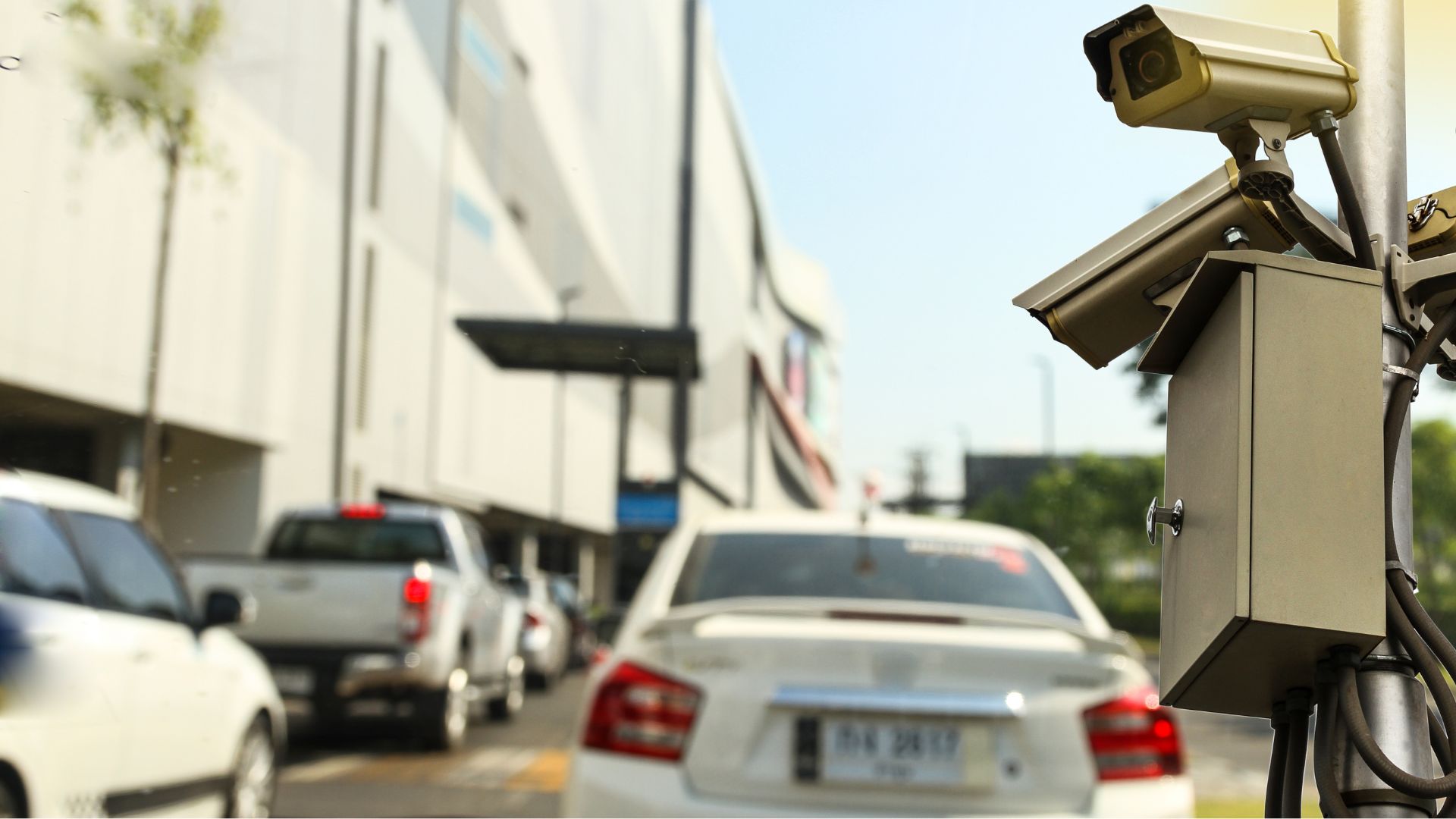
Automated license plate readers are high-speed cameras designed to photograph passing vehicles and extract text using advanced software. Rather than recording standard video, these devices capture quick images that record a vehicle’s plate number, make, model, and distinct features like bumper stickers or body damage. Each entry includes a precise timestamp and geographic location, creating a detailed digital log that law enforcement agencies can search during active investigations.
The Rapid Expansion of Surveillance Networks
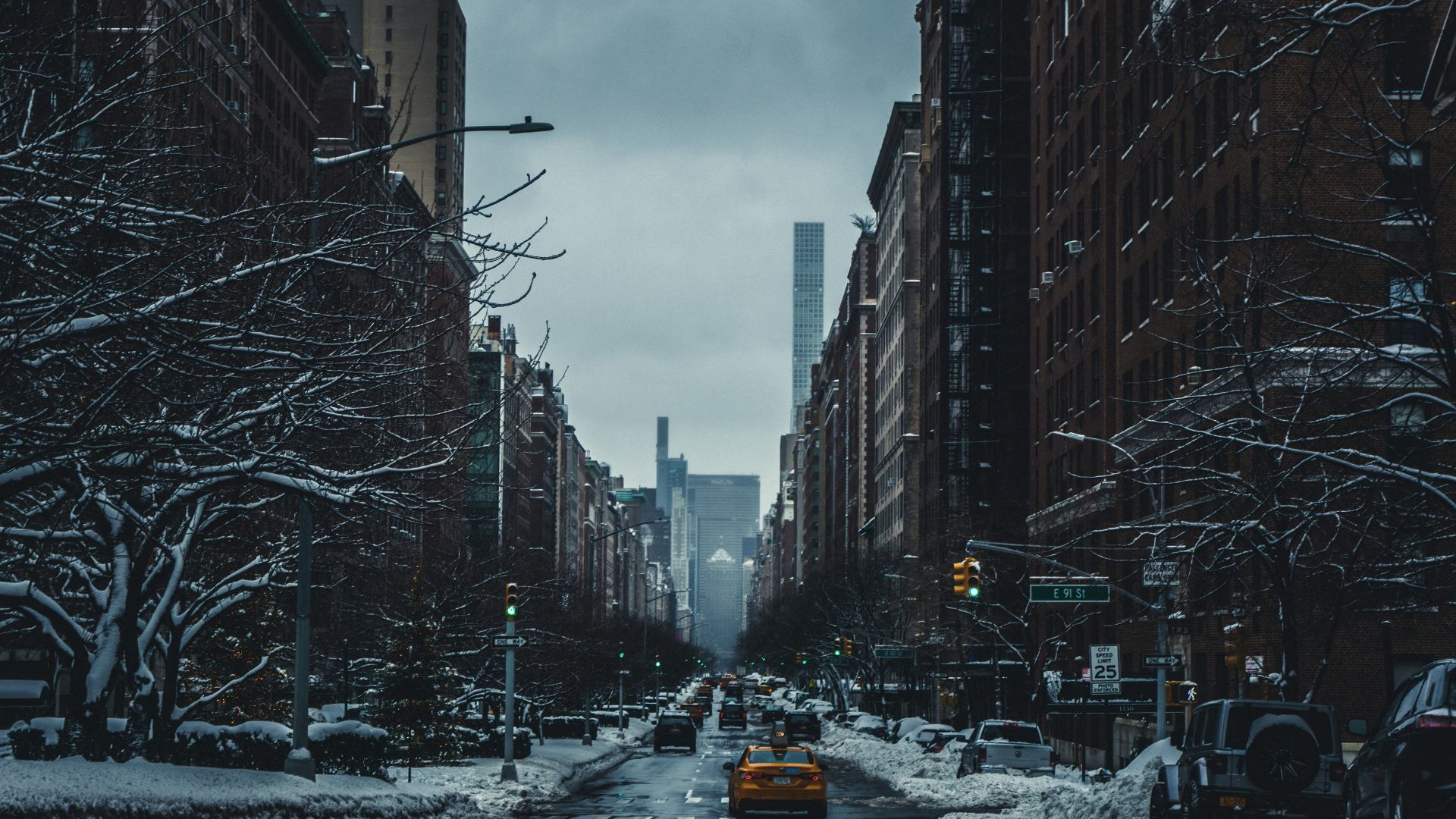
The footprint of these automated cameras has expanded dramatically across American neighborhoods in recent years. Independent tracking projects like FlockHopper have identified more than 120,000 active camera locations across the country, showing how widespread the technology has become. Thousands of local police departments and residential communities now rely on these networks to monitor daily traffic patterns in their areas.
How Flock Cameras Function on Public Roads
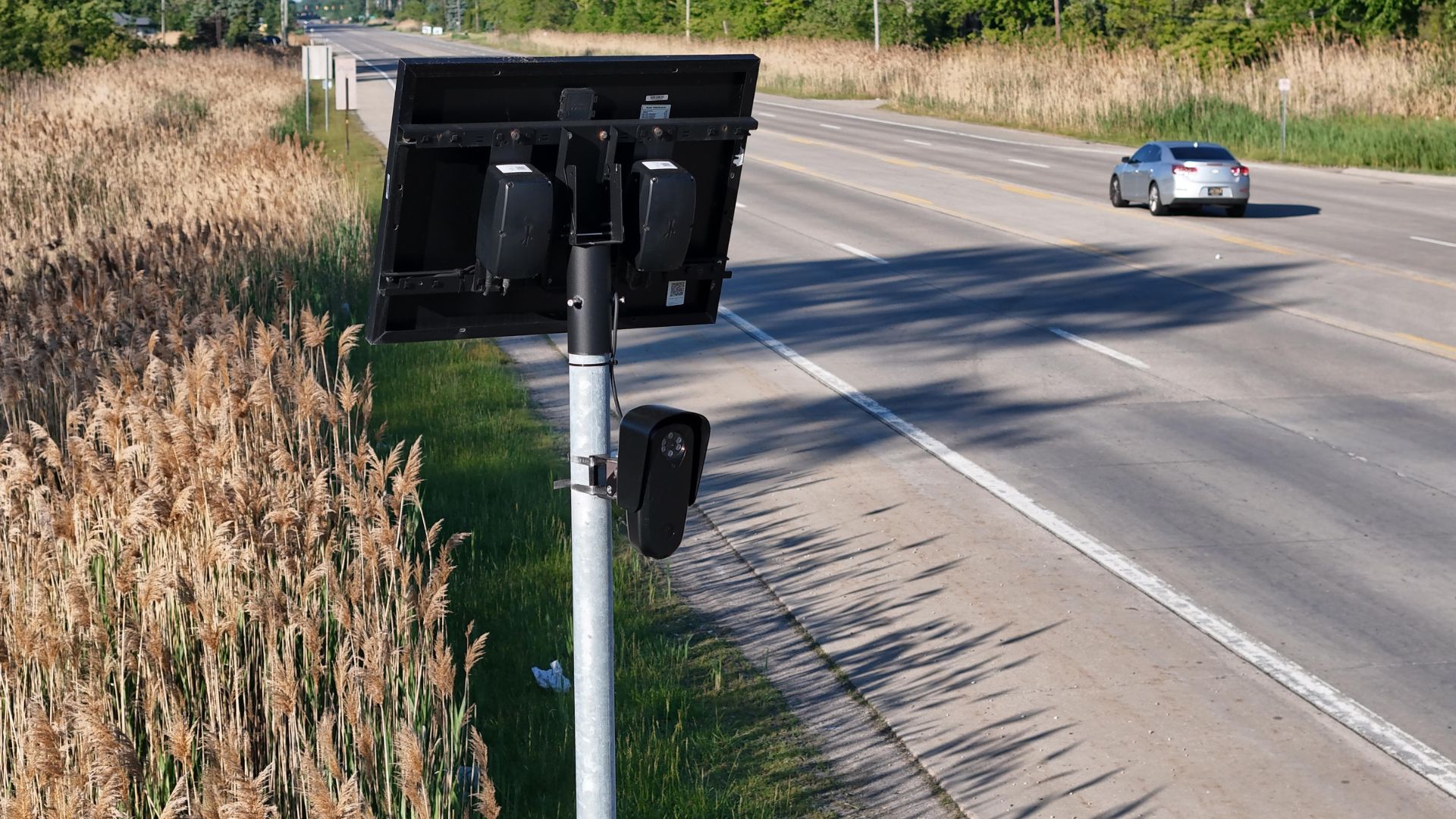
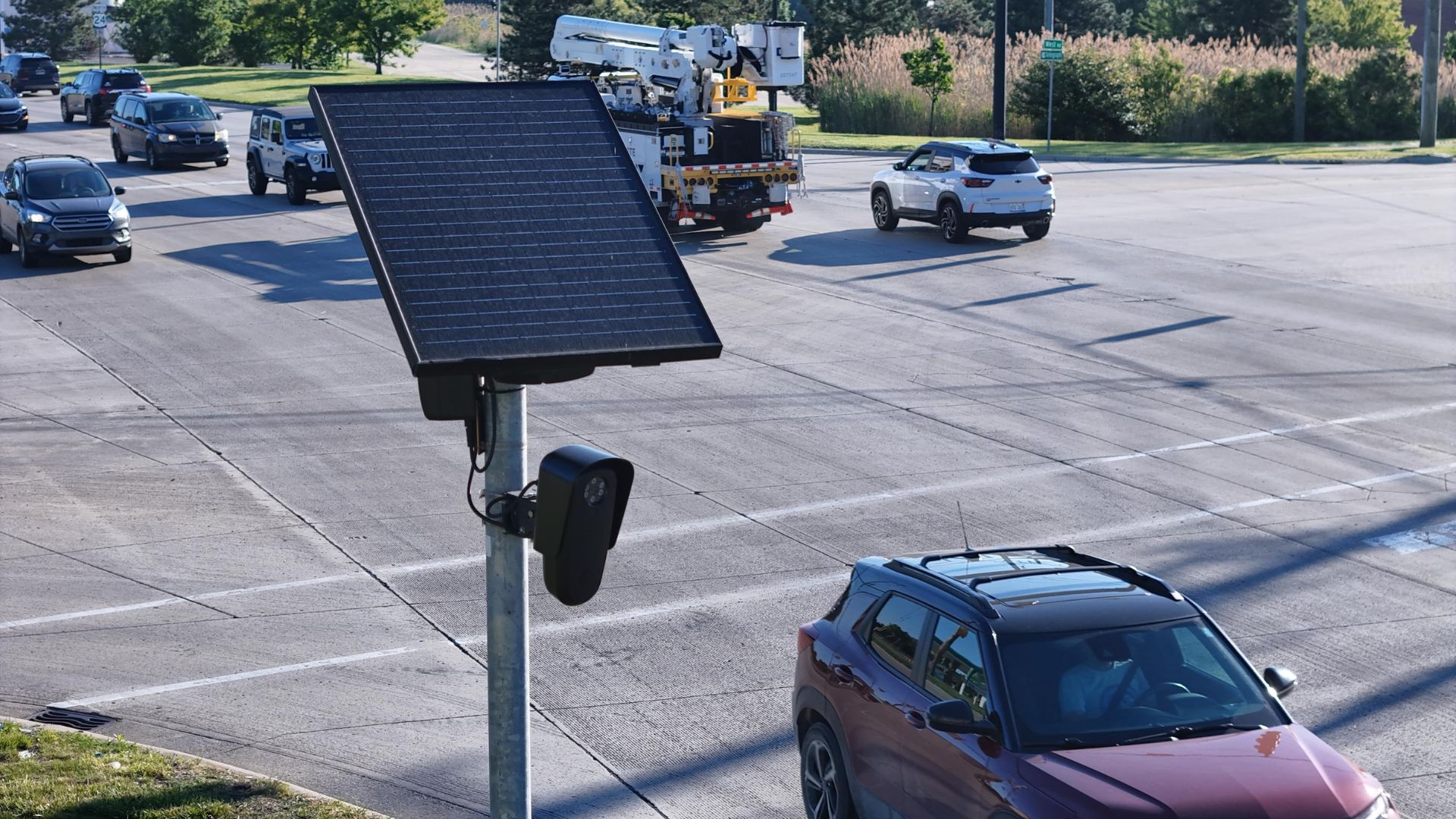
Most drivers recognize Flock cameras as small black boxes mounted on roadside poles, often paired with solar panels for continuous power. The manufacturer states that the systems take single photos on public streets rather than maintaining a constant video stream on individuals. While the company maintains that this design prevents full-route tracking, critics point out that placing many cameras close together effectively creates a comprehensive map of a driver’s daily journey.
The Argument for Enhanced Public Safety
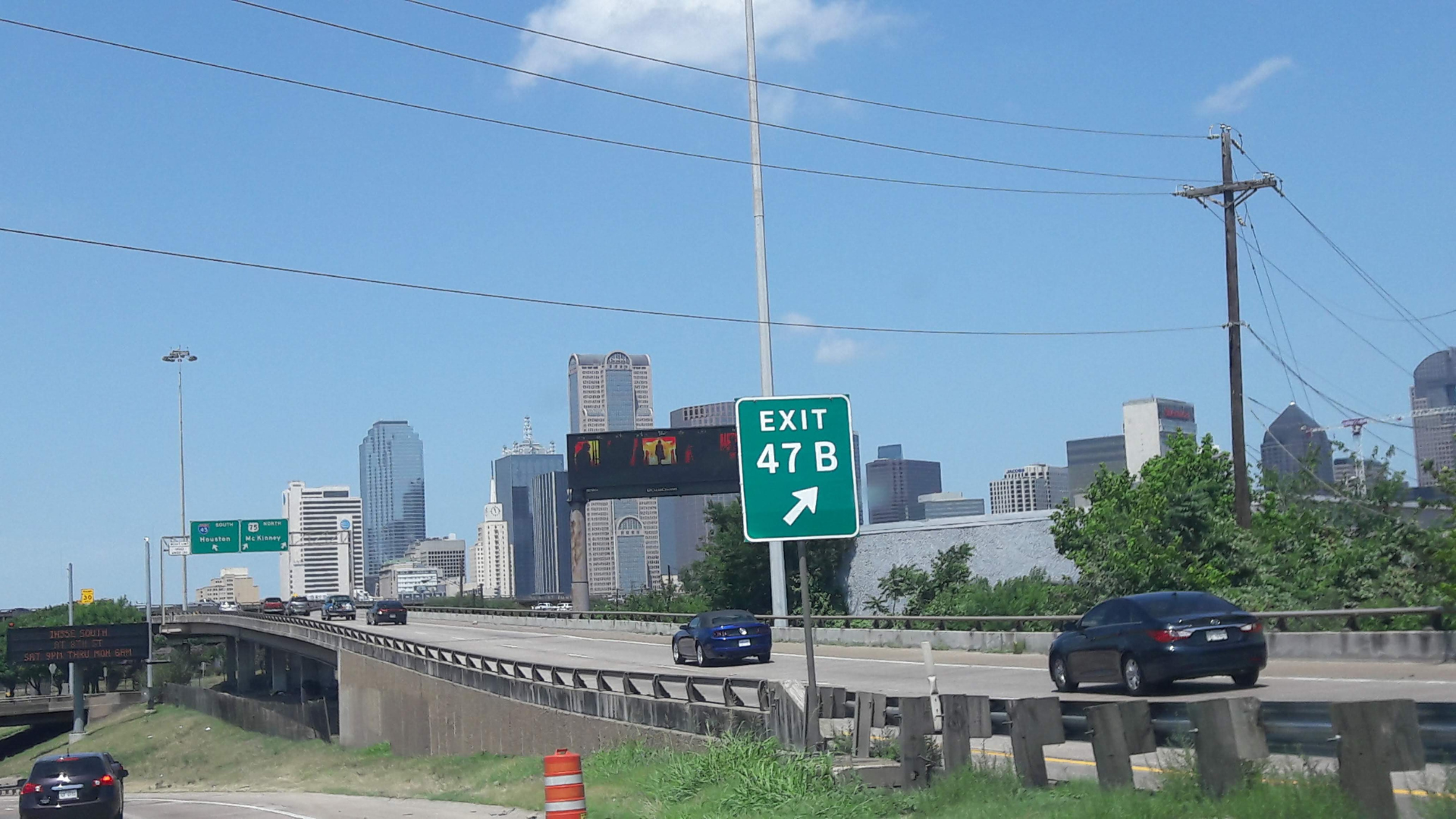
Supporters of license plate readers emphasize that the technology solves crimes that might otherwise remain cold. Police departments use real-time alerts from the cameras to recover stolen cars, trace suspects fleeing crime scenes, and locate missing individuals quickly. For many law enforcement officials, having instant access to vehicle activity near a crime scene serves as an invaluable asset for modern community safety.
Growing Privacy and Civil Liberties Concerns
Despite the security benefits, privacy groups like Deflock argue that widespread camera networks create an intrusive web of civilian surveillance. Critics warn that accumulating millions of location points allows authorities to build personal movement profiles without obtaining a search warrant. This continuous collection of data raises serious questions about potential misuse, improper identification, and unreasonable government oversight.
Legal Challenges and the Fourth Amendment
The rapid spread of plate readers has sparked major legal battles regarding constitutional privacy protections. In active cases such as Schmidt v. Norfolk, major advocacy organizations like the ACLU and the Electronic Frontier Foundation are challenging municipal camera usage. They argue that creating searchable databases of historical driving habits violates Fourth Amendment rights against unreasonable searches, especially for citizens who are not suspected of any wrongdoing.
Fears over Unrestricted Interagency Data Sharing
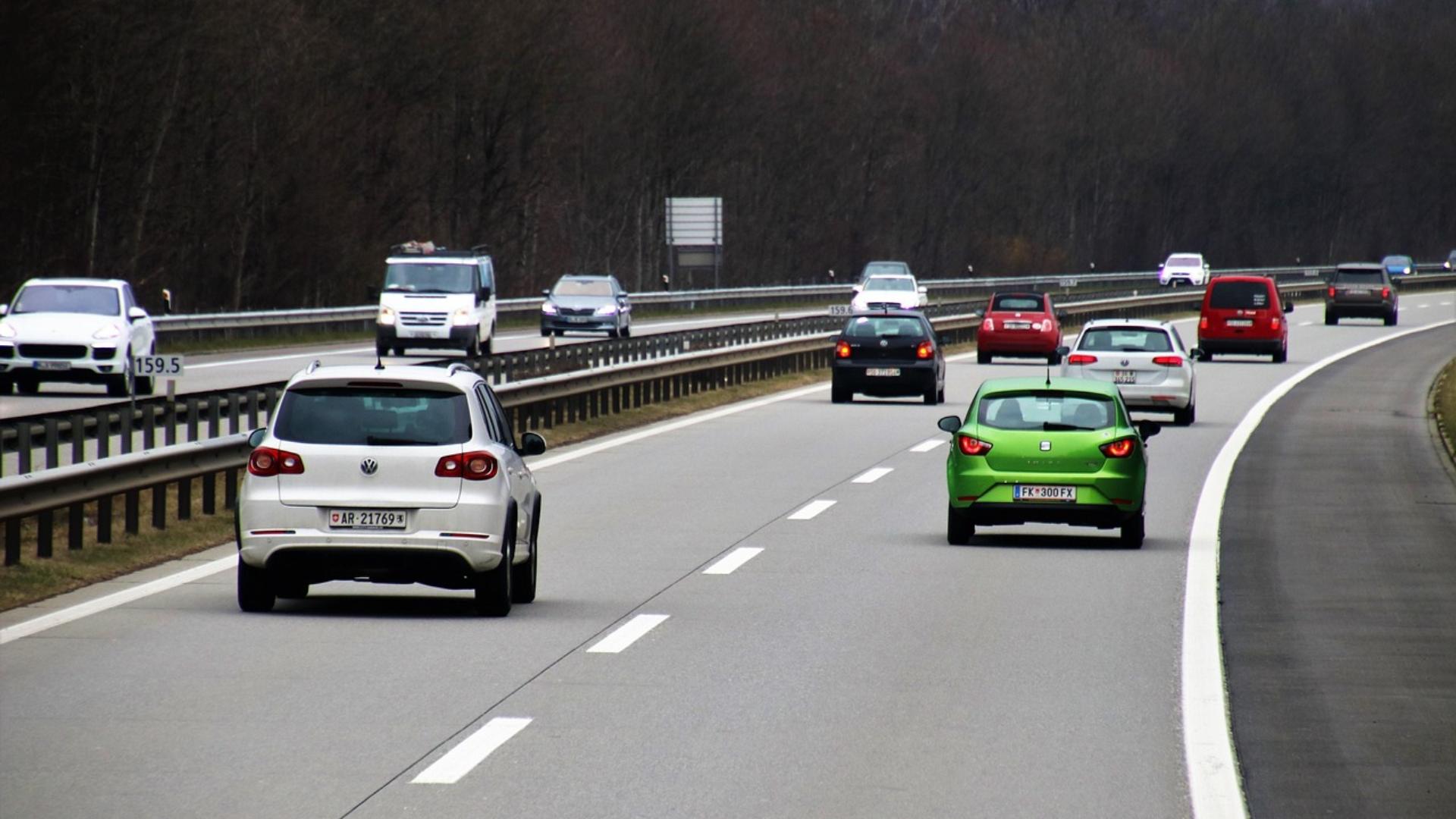
Another major worry involves how personal driving records are shared across different government organizations. Local police departments often share camera access with partner agencies, leading to fears that federal authorities, including immigration enforcement, could track residents. Because of these growing privacy concerns, several cities like Los Angeles, Mountain View, and Santa Cruz have chosen to pause or re-examine their municipal technology contracts.
Public Discontent Reaches Social Media Platforms

Frustration over road monitoring has spread rapidly across online communities on Reddit, TikTok, and X. Users regularly share concerns about technology errors, false arrests, and instances where camera data was misused for personal reasons like tracking ex-partners. Others point out strange installations, such as devices placed inside quiet public parks, arguing that such setups go far beyond basic road monitoring.
Offline Resistance and Physical Camera Destruction

Discontent has moved beyond online forums into direct physical action across multiple states. Reports from news outlets highlight a rising trend of activists disabling local hardware by cutting wires, spraying paint over lenses, covering solar panels, or tearing down entire poles. Incidents in states such as Oregon, Michigan, and Virginia highlight how strongly some residents feel about stopping what they consider excessive state surveillance.
The Future Balance of Safety and Personal Freedom
As automated road monitoring expands, communities face a difficult choice between collective security and individual liberty. Law enforcement agencies continue to praise the technology for stopping crime, yet growing public resistance shows that many citizens want strict boundaries on roadside monitoring. Finding a fair middle ground will require transparent policies, strong legal protections, and open public debate in the years ahead.