The Future of Permanent Daylight Saving Time Is Far From Certain


The US House passed a bill this month to make Daylight Saving Time permanent nationwide, and the vote crossed party lines by a wide margin. Despite that show of unity, the measure’s path through the Senate is anything but settled. Senate Republican leadership has yet to commit to bringing it to the floor, and the chamber’s internal politics could determine whether the country ever stops changing its clocks.
Known as the Sunshine Protection Act, the House bill would end the twice-yearly clock change for most of the country. It includes an option for states that prefer permanent standard time instead, a provision aimed at regions like Hawaii, most of Arizona, and other US territories, which already skip Daylight Saving Time altogether. That flexibility is meant to ease concerns from lawmakers representing northern and western states.
Getting the bill through the Senate means clearing a 60-vote threshold to avoid a filibuster, a bar that is far from guaranteed. Several senators have already voiced opposition, and past attempts at similar legislation have stalled in the chamber before. Whether the bill advances may come down to a handful of lawmakers who represent regions where sunrise timing carries real consequences for daily life.
Senate Leadership Isn’t Committing Either Way
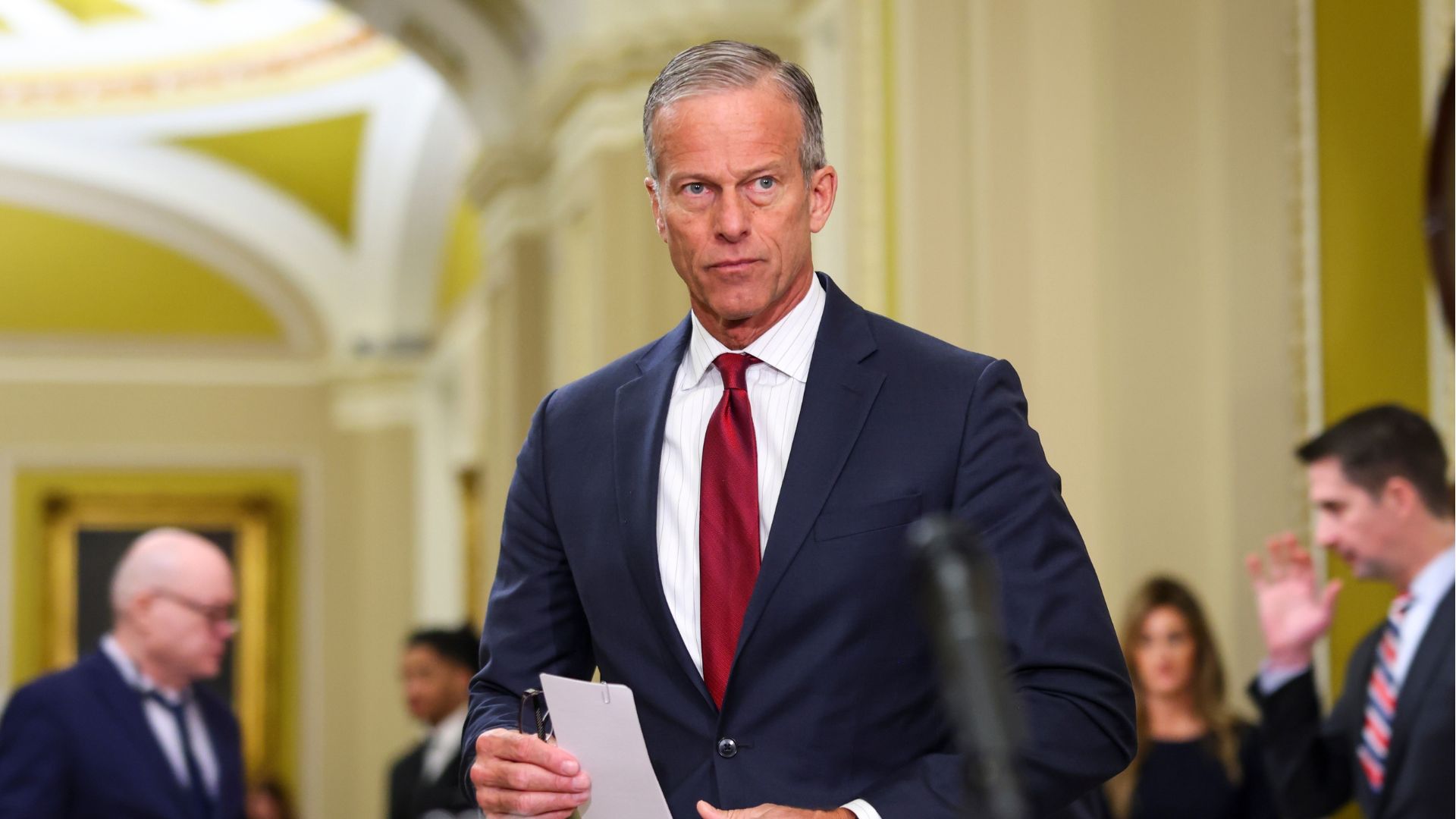
Senate Majority Leader John Thune has not ruled out a floor vote, even though he opposed a similar push when it came before the Senate Commerce Committee this past April. Thune, who represents South Dakota, told reporters he sees value in the optionality built into the House bill, which lets individual states opt for permanent standard time rather than mandating daylight saving nationwide.
Thune noted that a previous attempt at a single national time standard was tried decades ago and later repealed, and he said he does not want to see history repeat. He acknowledged there is real interest in the bill among Senate Republicans, both for and against, but stopped short of predicting how a vote might unfold, saying the outcome remains to be seen.
Whether the legislation can clear the Senate’s 60-vote threshold is still an open question, and Thune said the chamber has not closely examined that math yet. His own position remains unclear too. He would only say he represents a northern climate, a hint that later sunrises in winter may factor into his thinking without committing him to either side of the debate.
Congress Has Tried This Before, and It Didn’t Last

This is not the first time Congress has considered locking the clocks in place. In the 1970s, lawmakers adopted permanent Daylight Saving Time during an energy crisis, hoping to conserve fuel through longer evening daylight. The change proved deeply unpopular almost immediately, and Congress reversed course amid the backlash.
The Senate revisited the idea more recently. In 2022, senators passed a version of the bill by unanimous consent, with no objections raised on the floor at the time. The House never brought that version up for a vote, so it died without becoming law. Sen. Tom Cotton later said he would have blocked that 2022 effort had he chosen to object at the time.
In 2025, a bipartisan group of senators again sought unanimous consent to pass a permanent Daylight Saving Time bill, and Cotton blocked it. With the House’s latest vote putting the issue back in the spotlight, the same dynamics that sank earlier attempts remain in place, leaving the bill’s fate in the Senate genuinely uncertain for now.
One Senator Alone Could Block a Vote

Arkansas Sen. Tom Cotton has blocked the bill’s fast-track path twice, in 2022 and 2025. He used a process called unanimous consent, which lets the Senate expedite legislation only if no single senator objects. He has shown no sign of changing course, meaning proponents will likely need a full Senate floor vote and enough support to clear a filibuster instead.
Cotton and like-minded senators argue permanent Daylight Saving Time would force children to wait for school buses in darkness and put outdoor workers, including construction crews and farmhands, on the job before sunrise. In parts of the country, the sun would not rise until after 9 a.m. under the change, a detail opponents point to often.
Reactions among other senators vary. Montana’s Steve Daines told CNN he does not think the bill will “see the light of day” given western state concerns, while Iowa’s Chuck Grassley said he is personally irritated by the clock change but remains undecided on how he would vote. Florida’s Rick Scott, who signed a similar measure into state law as governor, said he is working to build support and remains optimistic it will pass.