Treasury Department Stops Nearly $99 Million in Federal Payments to Deceased Recipients Under Anti-Fraud Order


The U.S. Department of the Treasury has announced that it has blocked nearly $99 million in federal payments that were scheduled to be sent to individuals listed as deceased. The action follows the implementation of a new anti-fraud executive order aimed at strengthening oversight of federal spending and preventing taxpayer money from being distributed improperly. Treasury officials say the effort represents one of the largest recent steps to improve payment verification across multiple federal agencies.
According to the department, the blocked payments were identified through enhanced screening systems that compare federal payment records against the Social Security Administration’s Death Master File and other government databases. By identifying recipients who had already been reported as deceased, officials were able to stop millions of dollars before the payments were issued. The Treasury says the initiative is part of a broader campaign to reduce waste, fraud, and abuse throughout the federal government.
While most federal payments are processed accurately, officials acknowledge that outdated records, administrative delays, and identity fraud can sometimes result in payments being sent after a recipient has died. The Treasury believes that improving data sharing among agencies will help minimize these errors and better protect taxpayer funds moving forward.
New Anti-Fraud Measures Strengthen Payment Verification

The payment blocks were made possible through enhanced verification procedures introduced after a recent executive order directing federal agencies to improve fraud prevention. Under the updated process, payment systems perform additional checks before funds are released, allowing officials to identify recipients whose records indicate they are deceased. Treasury leaders say these safeguards are designed to prevent improper payments before they occur rather than attempting to recover money afterward.
The Treasury Department processes trillions of dollars in federal payments each year on behalf of agencies including the Social Security Administration, the Department of Veterans Affairs, Medicare, and the Internal Revenue Service. Because of the enormous volume of transactions, officials say even a very small error rate can result in substantial financial losses. Strengthening automated screening tools is intended to improve both accuracy and efficiency across the payment system.
Officials emphasized that the vast majority of beneficiaries will not experience any disruption because of the new verification procedures. The additional screening is focused on identifying payments that appear inconsistent with official government records while allowing legitimate benefits to continue reaching eligible recipients without delay.
Officials Say Preventing Improper Payments Saves Taxpayer Dollars

The Treasury says preventing improper payments before they are issued is generally far more effective than attempting to recover money after it has already been deposited. Recovering mistaken payments often requires lengthy investigations and legal proceedings, particularly when fraud or identity theft is involved. By stopping questionable transactions early, agencies can reduce administrative costs while protecting federal resources.
Experts note that improper payments do not always involve intentional fraud. In some cases, payments continue temporarily because agencies have not yet received updated death records or because of delays in processing information across multiple government databases. Improving communication between agencies is considered a key part of reducing these errors in the future.
The department plans to continue expanding data matching and fraud detection capabilities as part of its broader effort to modernize federal payment systems. Officials say advances in digital verification and data analytics will help identify suspicious transactions more quickly while maintaining timely delivery of benefits to eligible Americans.
Protecting Federal Payments Through Better Oversight
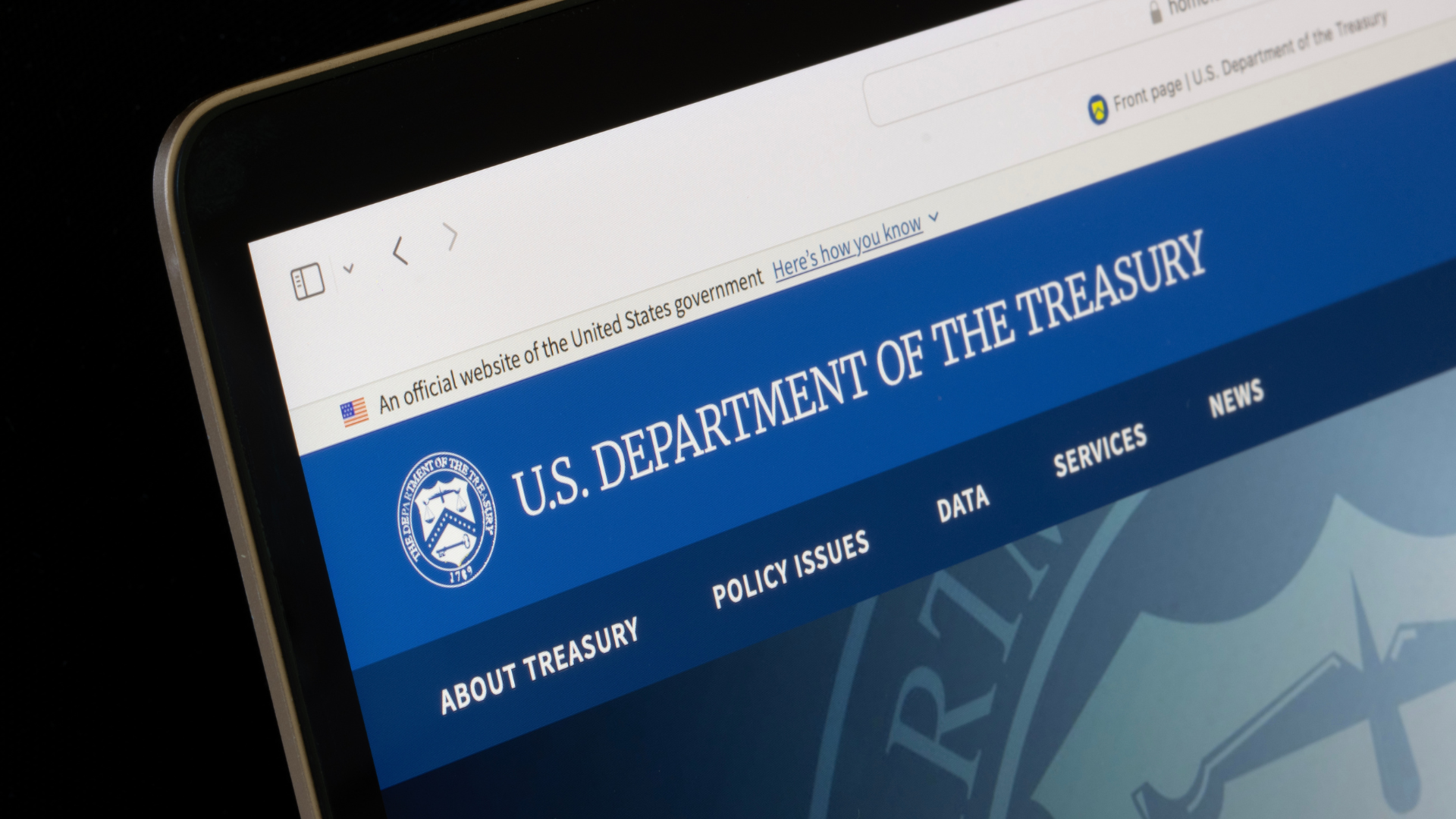
The Treasury Department’s decision to block nearly $99 million in payments to deceased individuals reflects a broader push to strengthen oversight of federal spending and improve fraud prevention. By expanding verification procedures and making greater use of government data, officials hope to reduce costly payment errors while increasing public confidence in how taxpayer money is managed.
Although improper payments represent only a small portion of the federal government’s overall payment activity, officials say preventing these errors can produce meaningful savings over time. Enhanced screening systems also help reduce opportunities for identity theft and other forms of financial fraud that target government benefit programs.
As federal agencies continue modernizing their payment systems, additional safeguards and data-sharing initiatives are expected to further improve payment accuracy. Treasury officials say protecting legitimate beneficiaries while preventing fraud will remain a central goal as these anti-fraud measures continue to expand across the government.