The Moon Is Drifting Farther Away From Earth. Should We Be Worried?
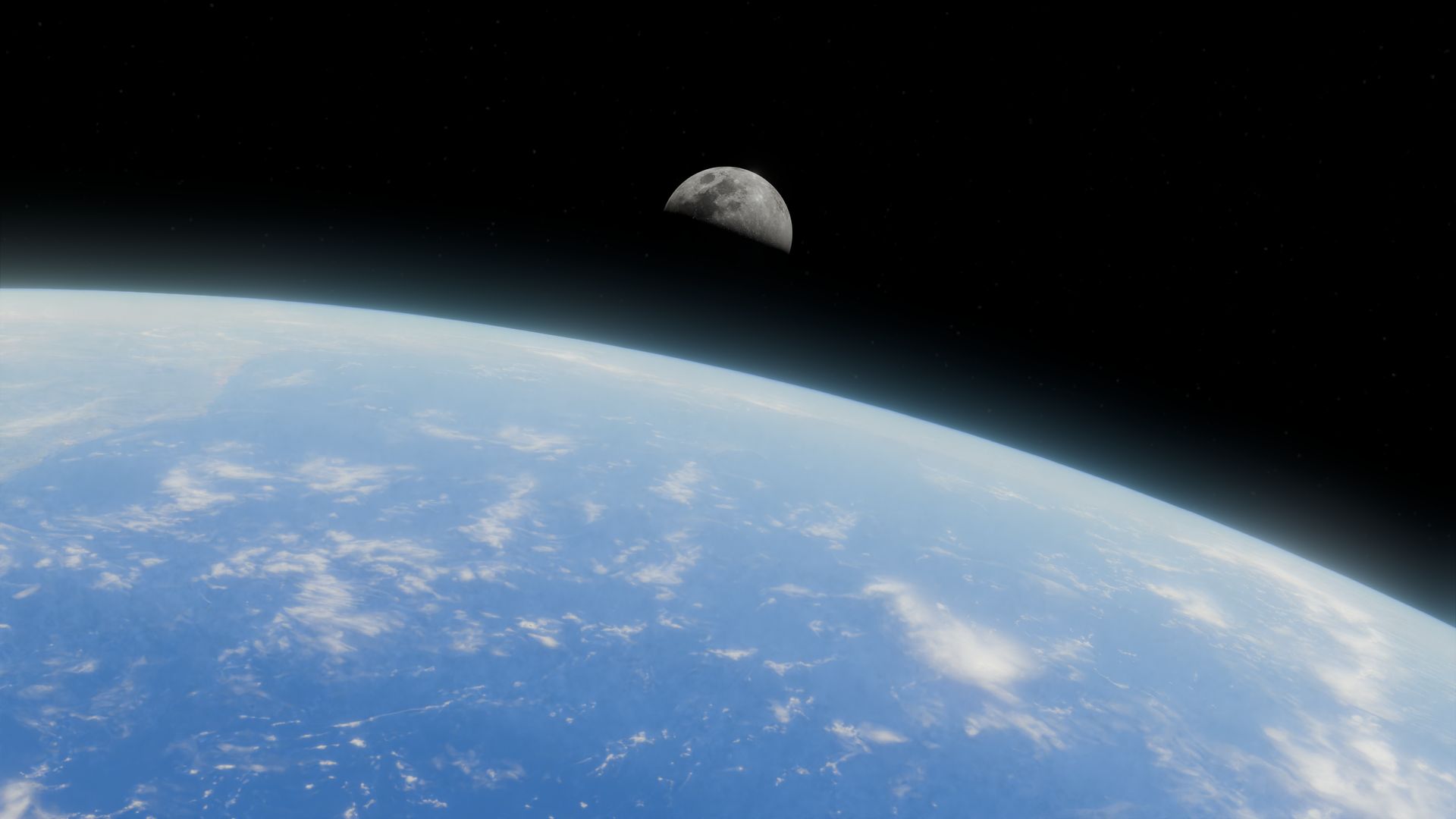

It sounds like the beginning of a science fiction movie, but it’s actually a well-established scientific fact: the Moon is slowly drifting away from Earth. Using laser reflectors left on the Moon by Apollo astronauts, scientists have measured that our natural satellite is receding by about 3.8 centimeters (1.5 inches) each year. While that may seem insignificant, the gradual separation has been quietly changing Earth for billions of years.
It’s All Connected to the Ocean
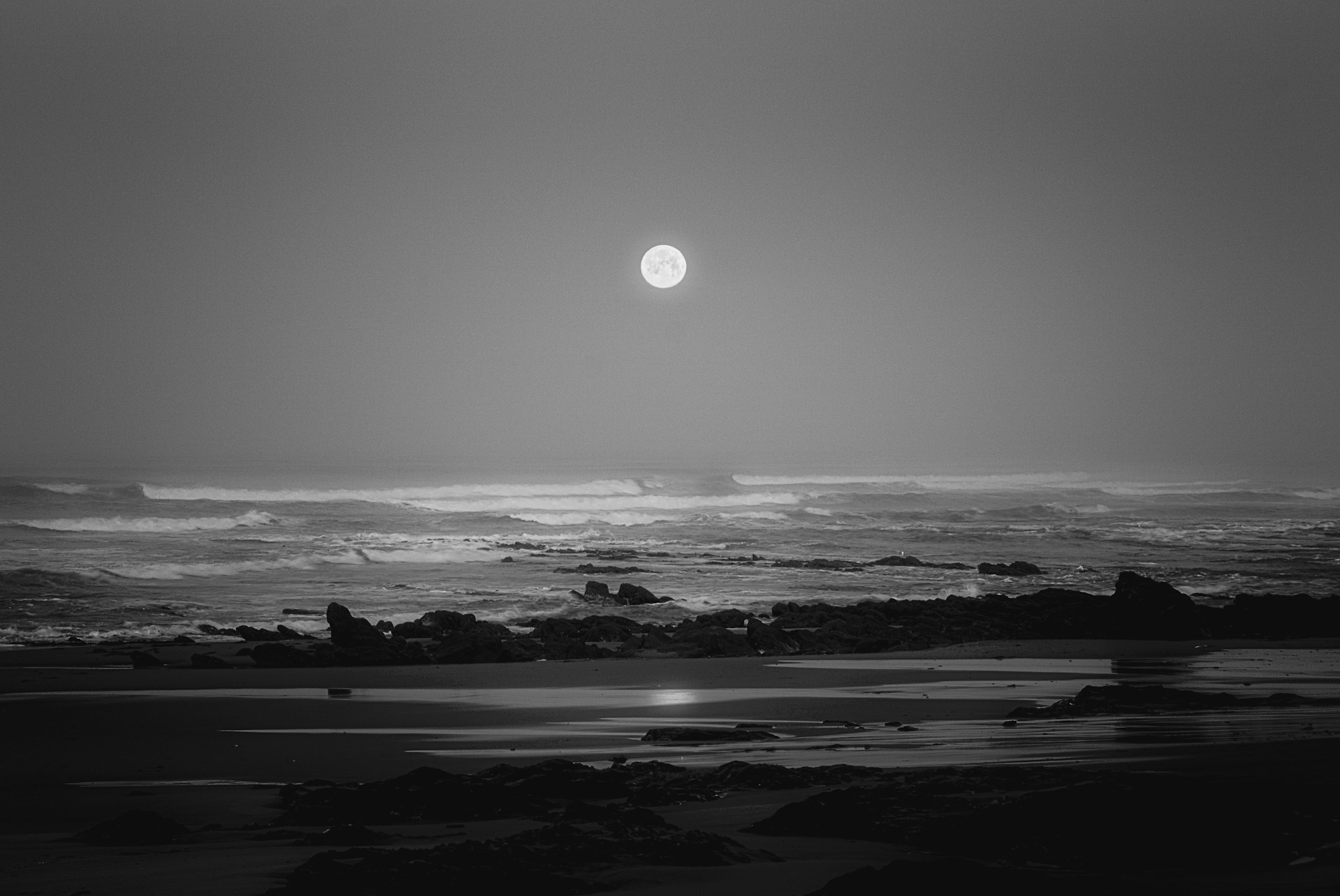
The Moon isn’t moving away because Earth’s gravity is weakening. Instead, the process is driven by the constant interaction between the Moon’s gravity, Earth’s rotation, and our oceans. As the Moon pulls on Earth’s oceans, it creates tides. Those tides don’t line up perfectly beneath the Moon because Earth rotates faster than the Moon orbits, creating friction that transfers a small amount of Earth’s rotational energy to the Moon and nudges it into a slightly higher orbit.
Earth’s Days Are Slowly Getting Longer
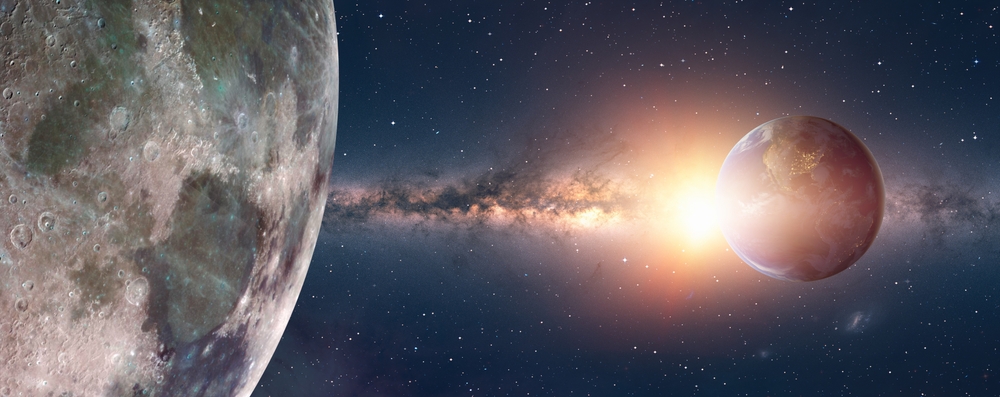
That transfer of energy comes with a trade-off. As the Moon gains orbital energy and moves farther away, Earth’s rotation gradually slows down. Scientists estimate that the average length of a day has increased by roughly 1.09 milliseconds per century since the late 1600s, although estimates vary slightly depending on the methods used. It’s an incredibly small change, but one that’s measurable with modern instruments.
Earth Used to Spin Much Faster
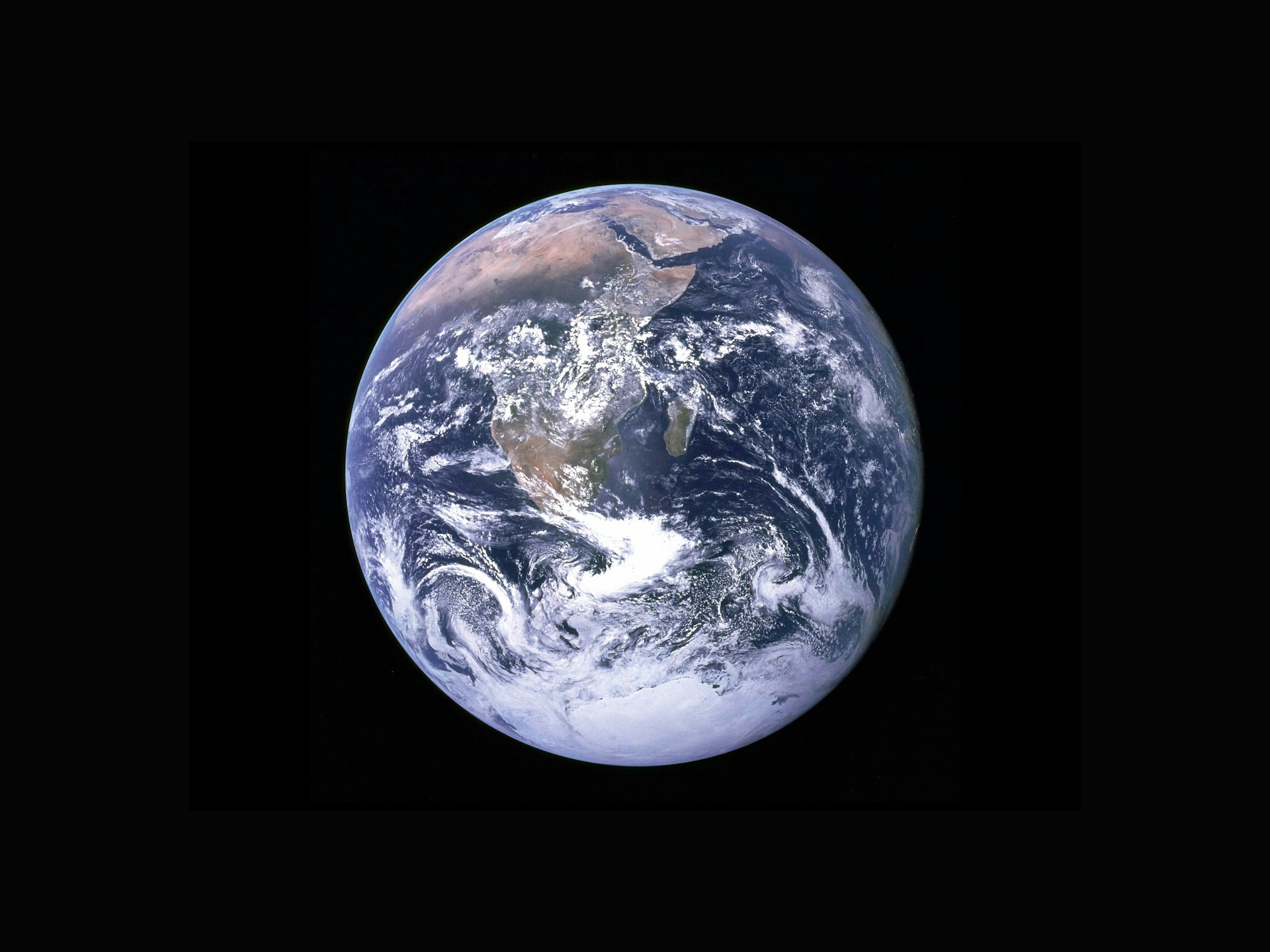
Billions of years ago, our planet looked very different. According to recent research highlighted by the BBC, Earth days once lasted less than 13 hours, meaning the planet completed nearly two rotations during what we now consider a single day. Researchers say those shorter days may even have influenced early climate conditions and the evolution of photosynthetic life.
You Won’t Notice the Difference
If Earth’s days are getting longer, why doesn’t anyone notice? The answer is simple: the changes happen far too slowly for humans to perceive. At today’s rate, it would take roughly 200 million years for Earth’s day to become just one hour longer. For everyone alive today, the Moon’s retreat has no noticeable effect on daily life.
Climate Change May Be Playing a Small Role

Scientists have also identified another factor that may be influencing Earth’s rotation: climate change. As glaciers and polar ice sheets melt, water redistributes across the oceans, subtly changing Earth’s mass and affecting how quickly the planet spins. According to researchers, these changes may even delay the need for a so-called “negative leap second,” a rare adjustment that could eventually be required to keep atomic clocks synchronized with Earth’s rotation.
The Moon Won’t Leave Earth Anytime Soon
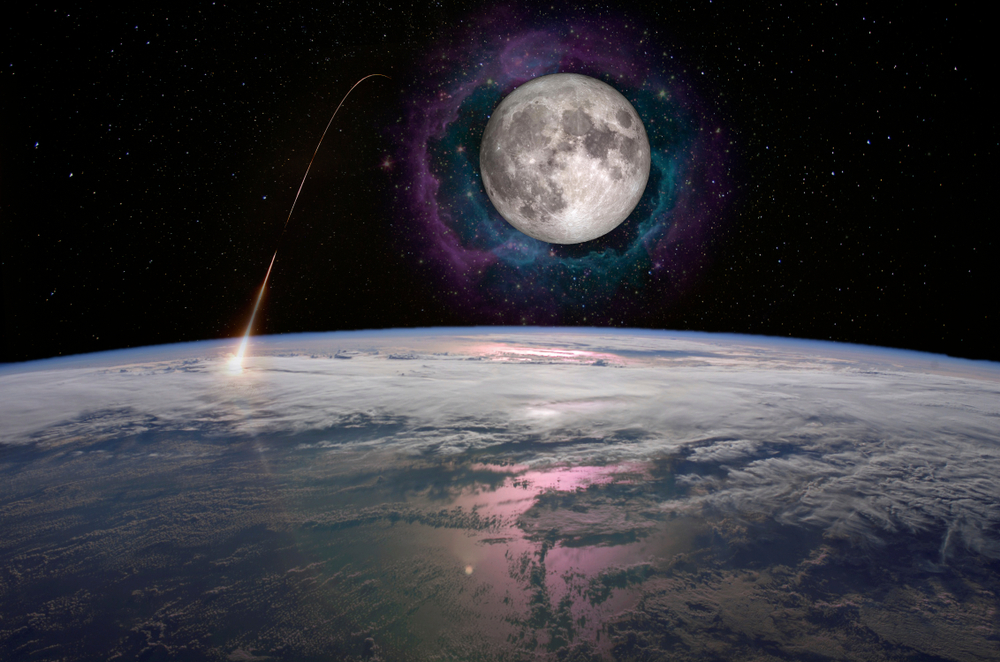
The idea of the Moon drifting away can sound alarming, but astronomers say there’s little reason to worry. Calculations suggest the Moon will continue moving away for billions of years, but the Sun is expected to enter its red giant phase in about 5 to 10 billion years, dramatically reshaping the solar system long before the Moon has any chance of escaping Earth’s gravitational influence.
Scientists Are Still Learning Why the Rate Changes
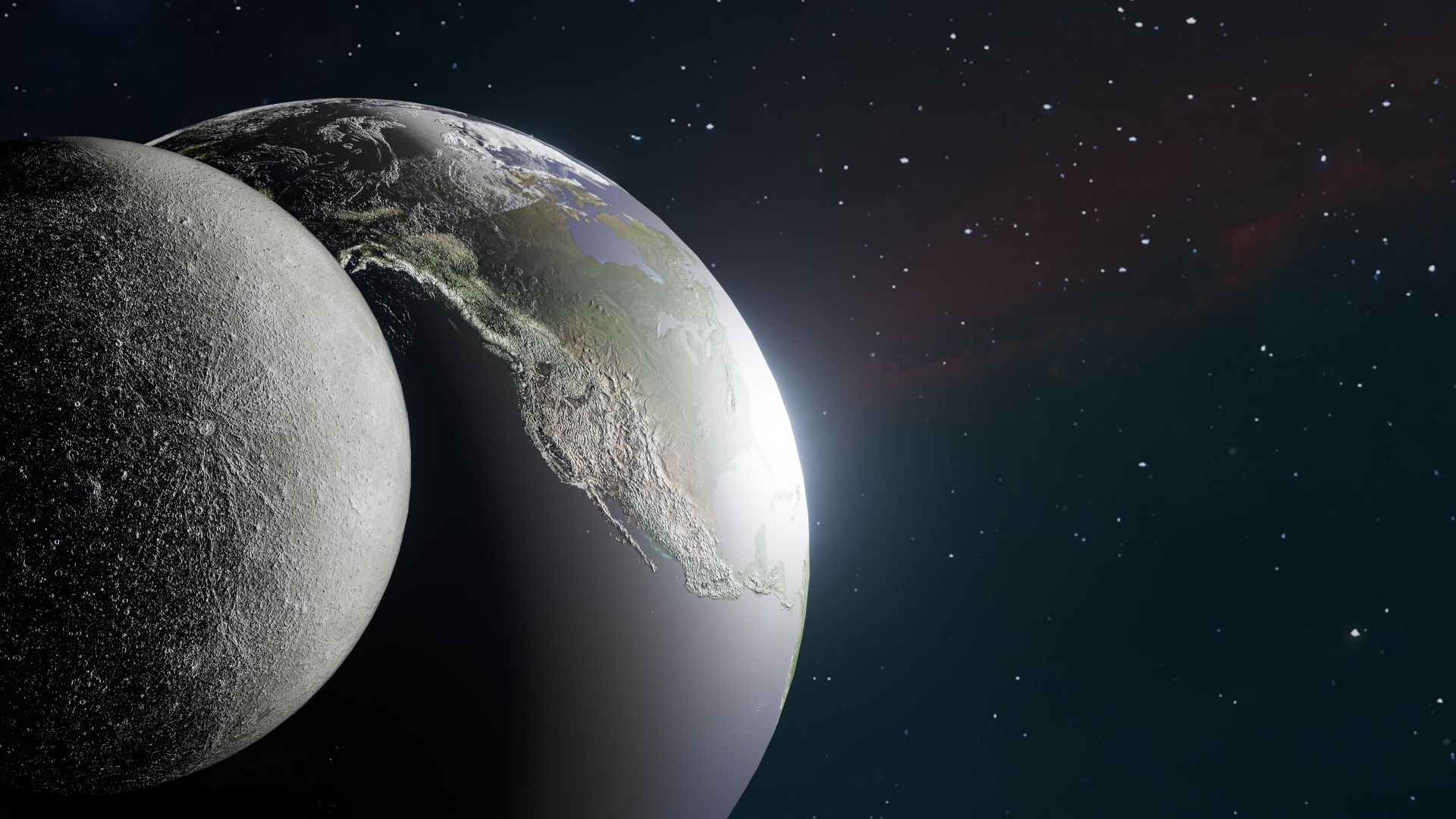
Although the Moon is steadily receding, it hasn’t always done so at the same speed. Geological evidence suggests the rate of lunar recession has accelerated and slowed at different points in Earth’s history, influenced by factors such as the arrangement of continents and the shape of ocean basins. Today, scientists believe Earth’s current geography, particularly the Atlantic Ocean, amplifies tidal effects and contributes to the Moon’s relatively fast retreat.
Tiny Changes Can Have Big Scientific Importance
Even though the changes are imperceptible in everyday life, measuring them helps scientists better understand Earth’s history and how our planet works. Tracking the Moon’s orbit improves models of Earth’s rotation, refines satellite navigation and timekeeping, and offers clues about how the Earth-Moon system has evolved over billions of years. Researchers are also studying changes in Earth’s inner core, which may produce additional, much smaller variations in the length of a day.
A Cosmic Change Happening in Slow Motion
The Moon has shaped life on Earth for billions of years by driving tides, influencing Earth’s rotation, and helping create the stable conditions our planet enjoys today. Its gradual retreat is simply the next chapter in that long relationship. While the distance between Earth and the Moon continues to grow by a few centimeters each year, the process is so slow that humanity will never experience its long-term consequences firsthand, making it one of the most fascinating examples of how the universe can change on timescales far beyond a human lifetime.