Stamp Prices Are Going Up Again and the Postmaster General Says It May Still Not Be Enough
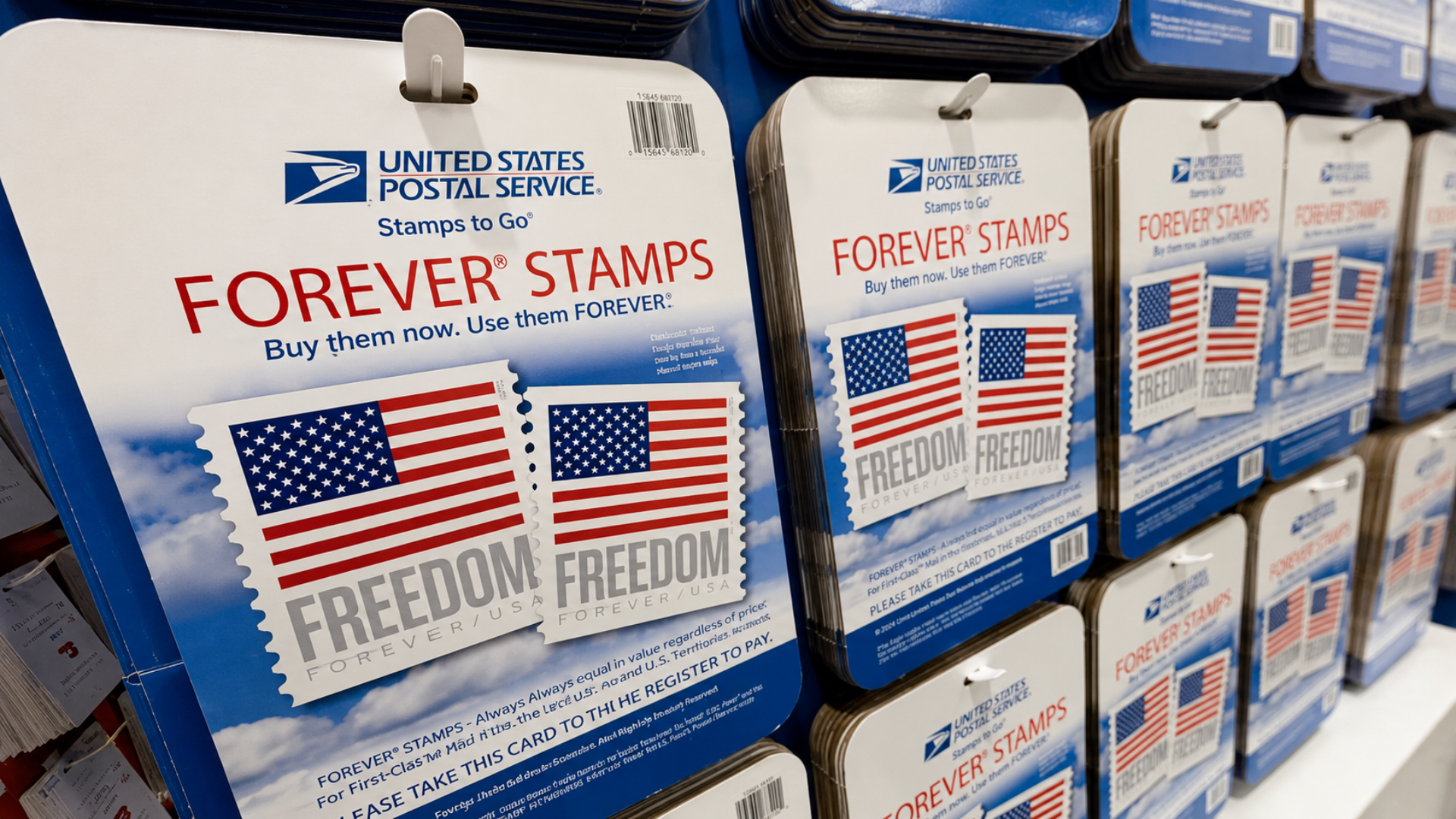

A single stamp now costs more than it did yesterday, and the person running the Postal Service says even that jump won’t solve the bigger problem. Starting Sunday, the price of a First-Class Forever stamp rises from 78 cents to 82 cents, according to a USPS newsroom announcement. It’s the sixth hike in five years. Postmaster General David Steiner has already hinted the agency needs far more than four cents to fix its finances.
The math behind the increase is straightforward. A Forever stamp cost 58 cents in 2021. By Sunday, that same stamp will cost 82 cents, a 34% climb across six separate price hikes, according to CBS News. Other mail gets pricier too. Domestic postcards jump to 65 cents, and international postcards and letters rise to $1.75. The Postal Regulatory Commission signed off on the changes in May, but its approval came with a warning attached.
That warning centered on money, delivery speed, and a shrinking customer base. Regulators flagged concerns about the agency’s financial health, its delivery performance, and falling mail volumes even as they let the price hike proceed. A USPS spokesperson insists the agency still offers a bargain, telling CBS News its rates remain among the most affordable in the world. Steiner and the numbers behind him tell a different story, one that started decades before this latest increase.
When a Law Meant to Help Ended Up Hurting
USPS didn’t stumble into its financial hole by accident. A 2025 report from the agency’s own inspector general points to a specific culprit: the Postal Accountability and Enhancement Act of 2006. The law forced USPS to prepay decades of retiree health benefits in advance, a burden few private companies carry. The watchdog agency stated that the law fundamentally altered the Postal Service’s financial results by limiting revenue growth and adjusting retiree healthcare costs, and that the agency posted losses every year afterward.
Nearly two decades later, the bleeding hasn’t stopped. In fiscal year 2025 alone, USPS lost $9 billion. Its operating costs climbed by $1.8 billion while revenue grew by only $1 billion, a gap the Postal Regulatory Commission highlighted in its May review. Meanwhile, Americans are simply mailing less. Total mail volume fell 3.7% over the same period, shrinking the very revenue base the agency depends on to cover its expenses.
Prices, meanwhile, have moved faster than the mail itself. USPS rates climbed roughly 15% between July 2024 and the end of fiscal 2025, far outpacing inflation in most other everyday expenses. Customers are paying more for a service that’s shrinking and, according to lawmakers in Washington, struggling to show up on time. Those complaints haven’t stayed confined to hearing rooms. They’ve reached senators, representatives, and now the Postmaster General himself.
Lawmakers From Both Parties Are Losing Patience
Delivery delays have united politicians who rarely agree on much else. Missouri Republican Sen. Josh Hawley launched an investigation in June into what he called ongoing mail service failures plaguing his state. Months earlier, Texas Democrat Rep. Veronica Escobar raised similar alarms about slow deliveries around El Paso. The complaints span red states and blue states alike, a sign that USPS’s problems have moved beyond spreadsheets and into mailboxes people check every day.
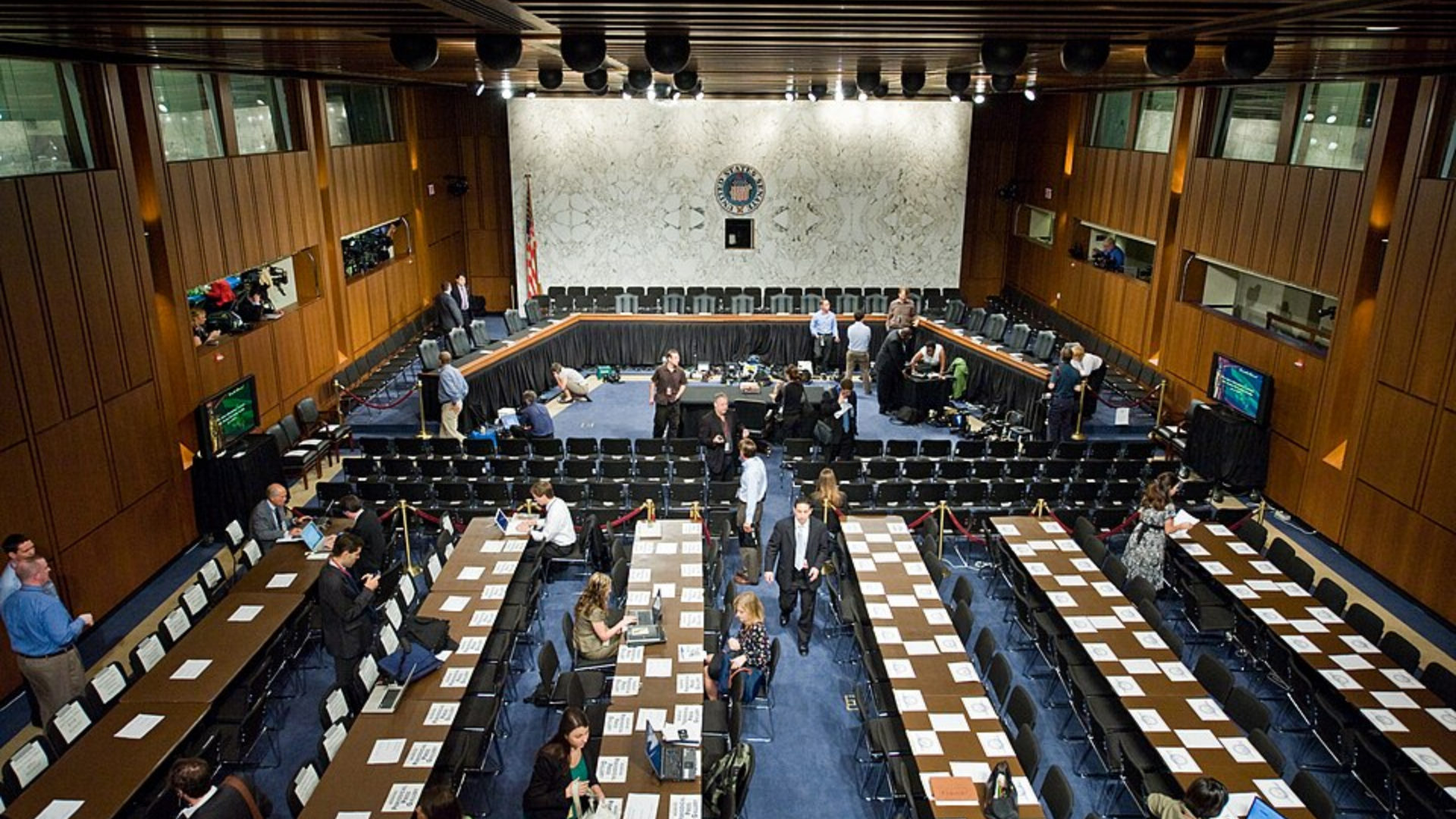
Steiner faced that scrutiny directly during testimony before the House Committee on Oversight and Government Reform. He laid out the agency’s options in blunt terms: “there are only three things that any company can do to improve financial performance: sell more products, raise prices or cut costs,” Steiner told lawmakers, according to CBS News. He added that USPS needed to look for higher prices on both package and mail products, not just first-class stamps.
Then came the number that gives the headline its edge. Steiner said stamps should eventually reach between 90 and 95 cents, well above Sunday’s 82-cent price, to help stabilize the agency financially. He went further, warning the committee that USPS risked running out of cash within 12 months. Raising stamps as high as 95 cents, he said, would largely solve our controllable loss. Four cents, by his own account, is only a partial fix.
What Happens to the Stamps Already in Your Drawer
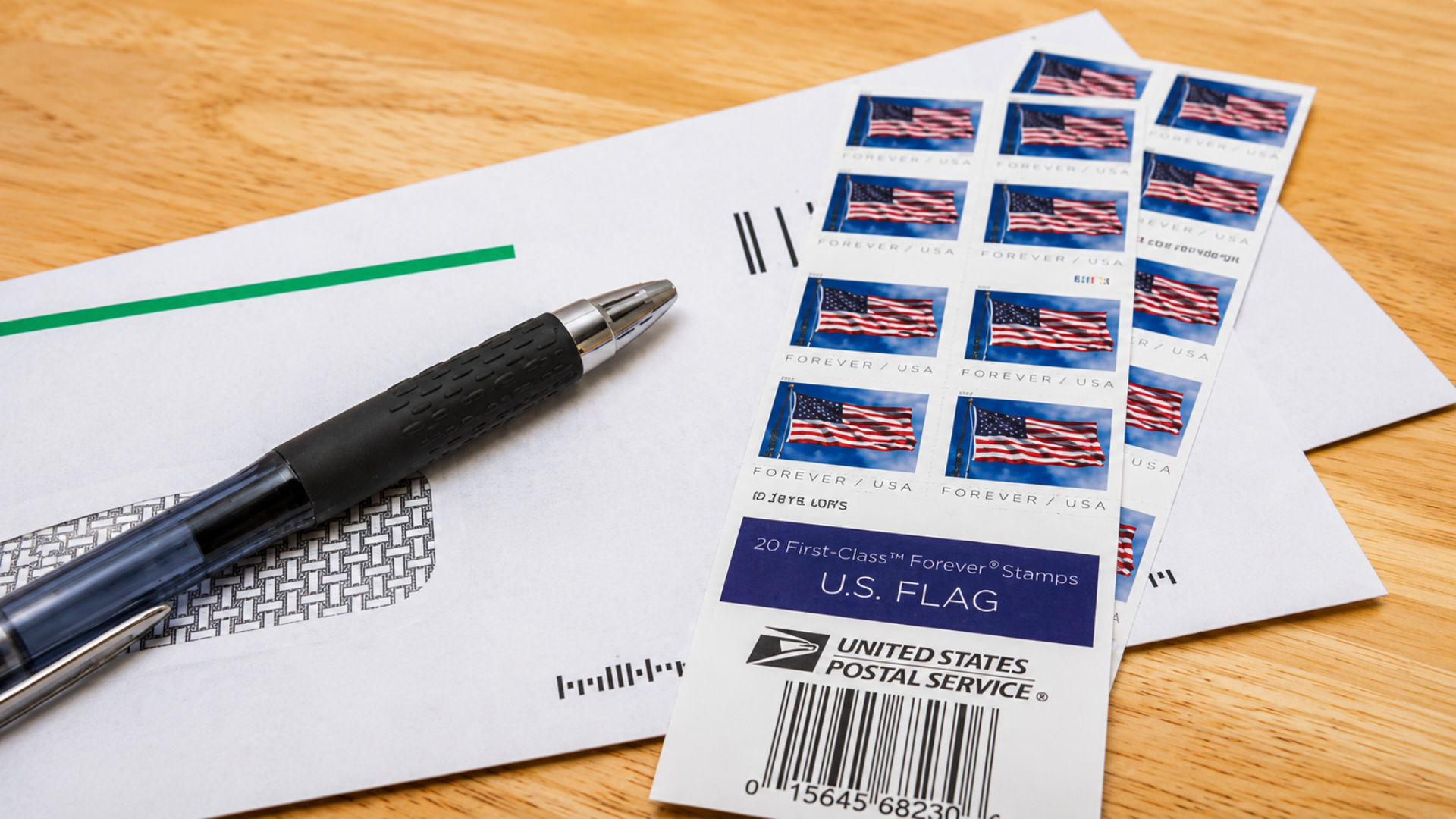
None of this makes the stamps already sitting in a kitchen drawer worthless. Forever stamps bought before Sunday still work after the new prices take effect, no matter what was printed on the sticker. USPS built the product that way on purpose. The stamps carry no printed denomination, and the agency says that design exists to save customers time and money whenever first-class prices shift, according to its own product guidance.
That guarantee comes down to one rule: a Forever stamp always covers the current price of a one-ounce First-Class letter, whatever that price happens to be. Buy a roll today, use it in three years, and it still covers postage in full. That consistency has made Forever stamps popular with households that mail letters only occasionally, since nobody has to track price changes or hunt for extra postage before dropping an envelope in the mailbox.
Stamp prices have doubled since Forever stamps launched in 2007 at 41 cents, and Steiner’s testimony suggests that climb isn’t finished. An agency built to prepay decades of retiree benefits, absorb falling mail volumes, and answer to lawmakers in both parties has few levers left besides price. Sunday’s increase buys the Postal Service time, not stability. The gap between 82 cents and the 90 to 95 cents Steiner says the math actually requires remains the real story here.