Airlines Are Giving Premium Travelers More Perks. What Does That Mean for Everyone Else?


Two passengers can board the same airplane yet have completely different travel experiences. One may breeze through priority security, relax in an exclusive lounge, enjoy complimentary food and drinks, and settle into a spacious premium seat. Another may pay extra for a checked bag, wait in a crowded boarding area, and squeeze into a standard economy seat. That growing divide reflects a broader shift as U.S. airlines increasingly focus on attracting their highest-paying customers.
Why Airlines Are Betting on Premium Travelers
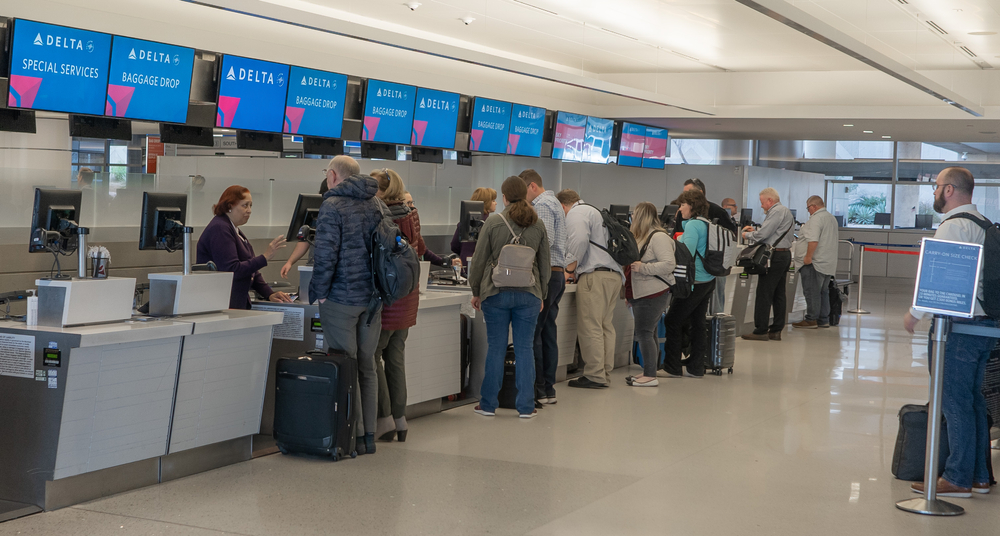
Since the COVID-19 pandemic, major carriers such as Delta Air Lines, United Airlines, and American Airlines have discovered that premium cabins generate far more profit than traditional economy seating. Airlines are redesigning aircraft with larger premium sections, investing billions in upgraded amenities, and expanding first class, business class, and premium economy offerings as demand for higher-end travel continues to grow.
Premium Seats Have Become Big Business
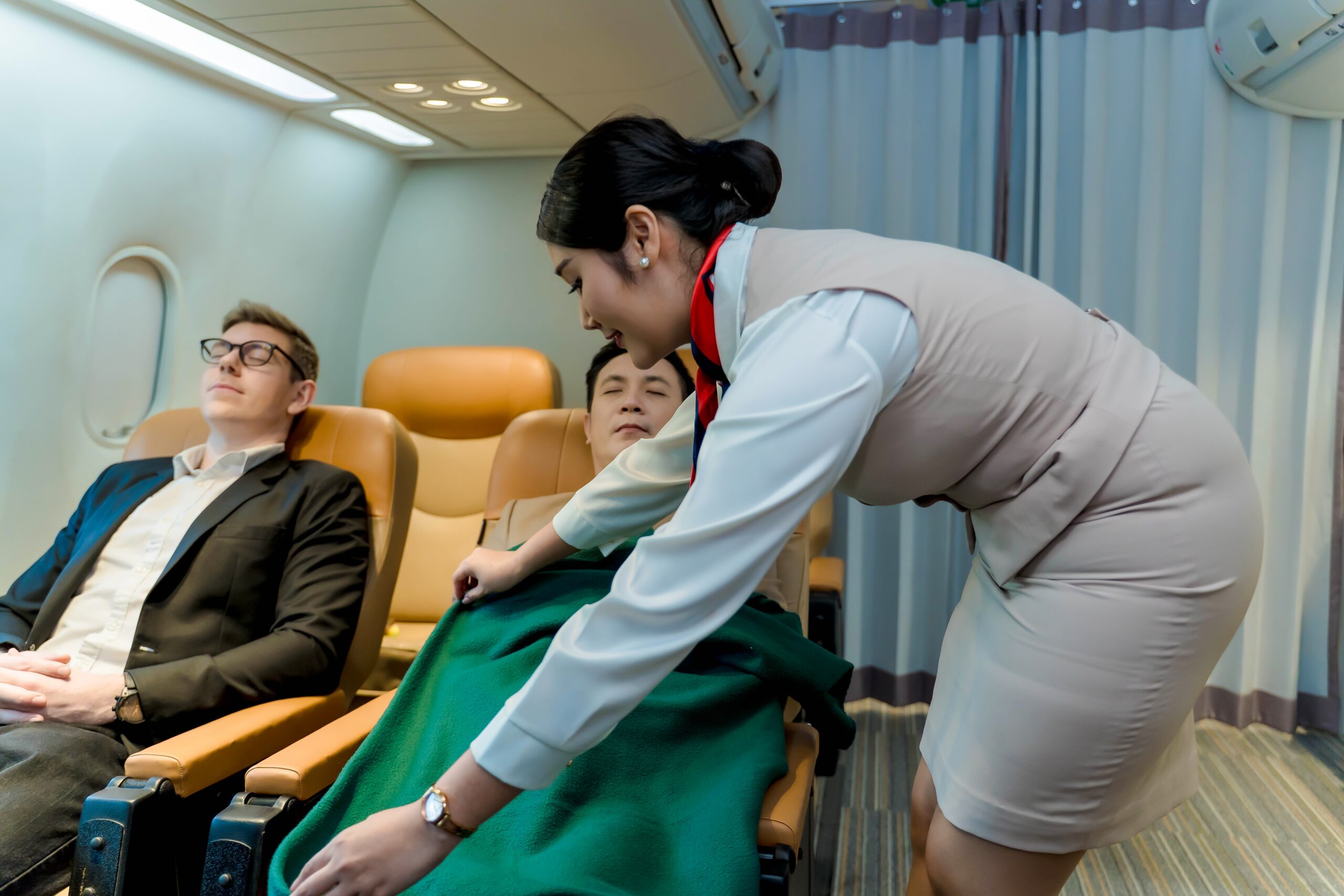
Industry analysts say premium cabins are now among airlines’ most valuable assets. Former Delta president Glen Hauenstein said premium products, which once acted as loss leaders, have become some of the airline’s highest-margin offerings. On long-haul international routes, business-class passengers can generate nearly as much revenue as the much larger economy cabin despite occupying far fewer seats, illustrating why airlines continue expanding premium capacity.
Luxury No Longer Ends at the Seat
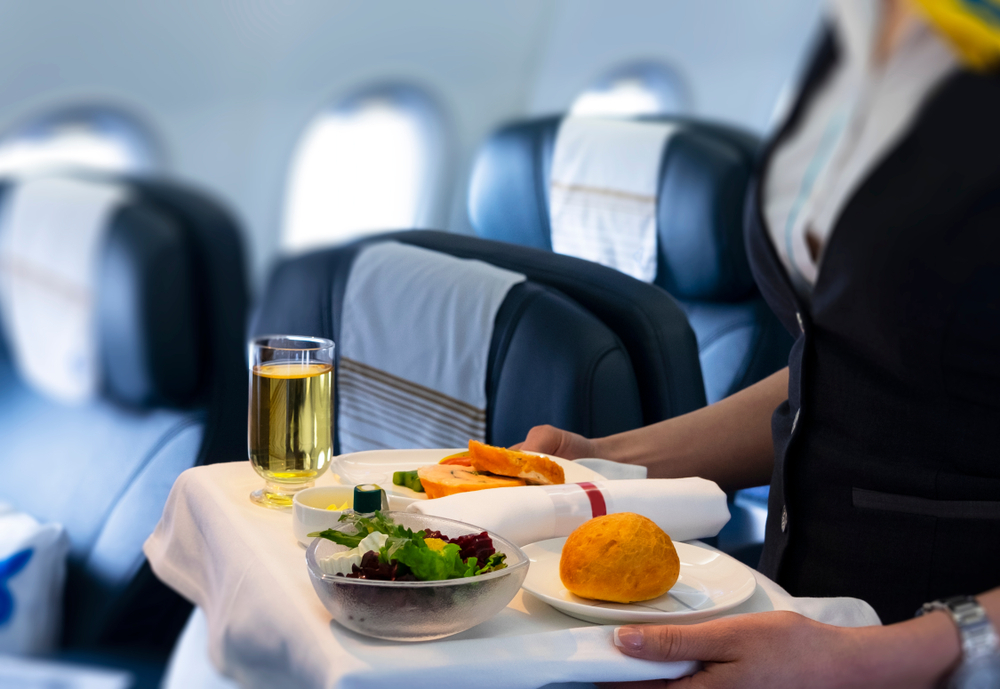
Today’s premium experience extends well beyond extra legroom. Delta has introduced upscale airport lounges featuring chef-inspired dining, cocktail bars, and outdoor terraces. American Airlines has partnered with the James Beard Foundation to enhance lounge menus while upgrading long-haul business class with sliding privacy doors, lie-flat beds, and premium amenity kits. United has added oversized entertainment screens, luxury skincare products, caviar service, and multi-course meals on select international flights.
Budget Airlines Are Chasing the Same Customers
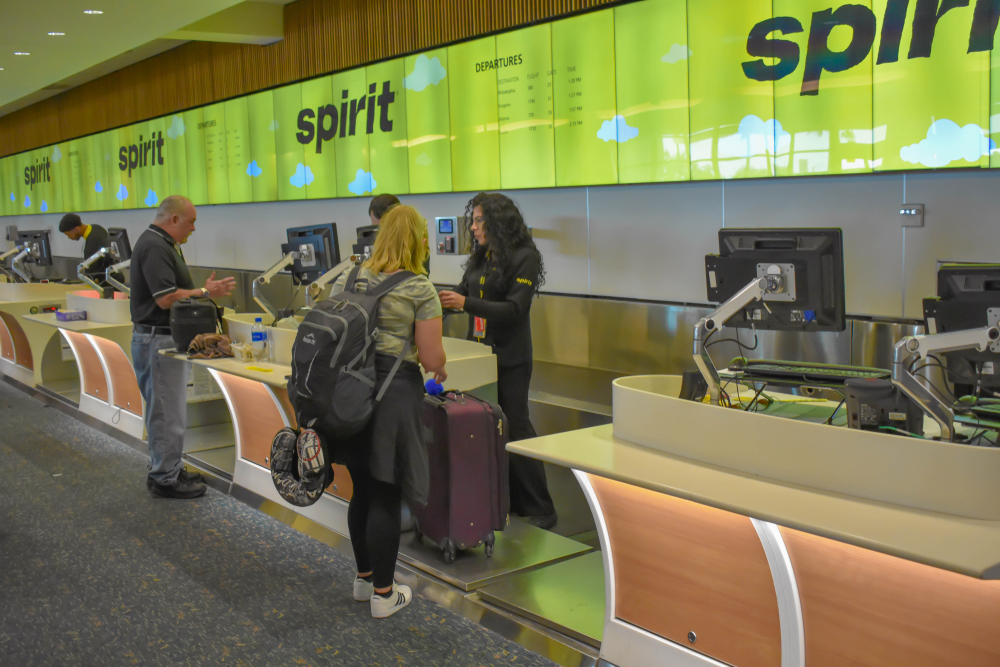
Even ultra-low-cost carriers are adjusting their business models. Frontier Airlines now offers bundled fares that include benefits such as priority boarding, extra legroom, and checked baggage, while Spirit Airlines has introduced blocked middle seats and upgraded seating options for travelers willing to pay more. These changes reflect growing demand from travelers seeking greater comfort rather than simply the lowest fare.
The Experience for Economy Travelers Is Changing Too

As airlines devote more space to premium cabins, economy travelers may find themselves paying separately for services that were once included. Basic economy fares often exclude seat selection, checked bags, and ticket flexibility, meaning advertised ticket prices can rise significantly once common add-ons are purchased. At the same time, baggage fees and seat assignment charges represent a much larger financial burden for budget-conscious travelers than for premium passengers.
Loyalty Programs Are Becoming Less Rewarding
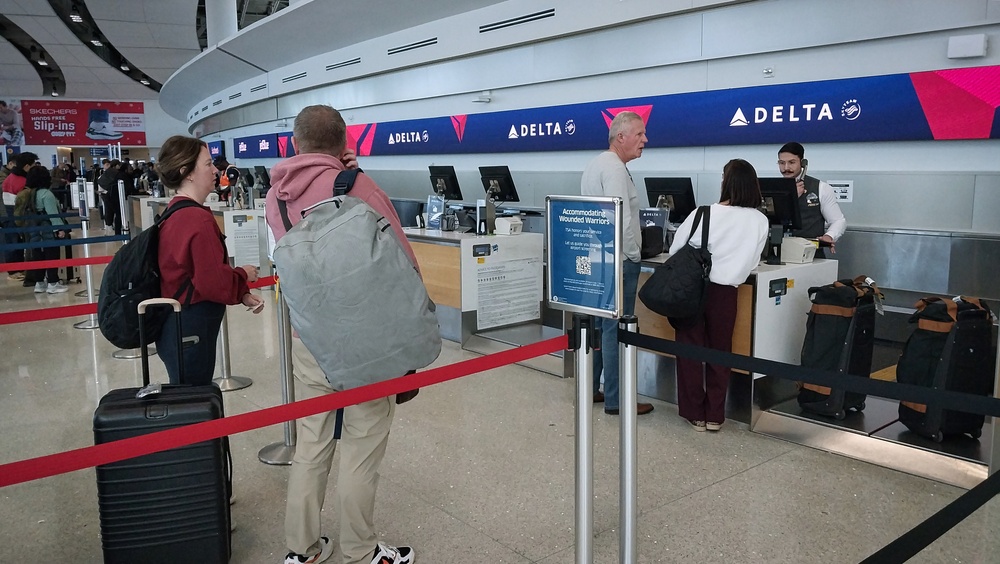
The premium shift is also changing how airline and hotel loyalty programs operate. Many companies now sell upgrades that were previously offered as complimentary rewards, while frequent flyer miles and hotel points often purchase less value than they once did. Delta now sells most domestic first-class seats directly rather than relying heavily on complimentary upgrades, and hotel chains such as Hilton have introduced paid room upgrades during check-in for loyalty members.
Not Everyone Agrees With the Strategy
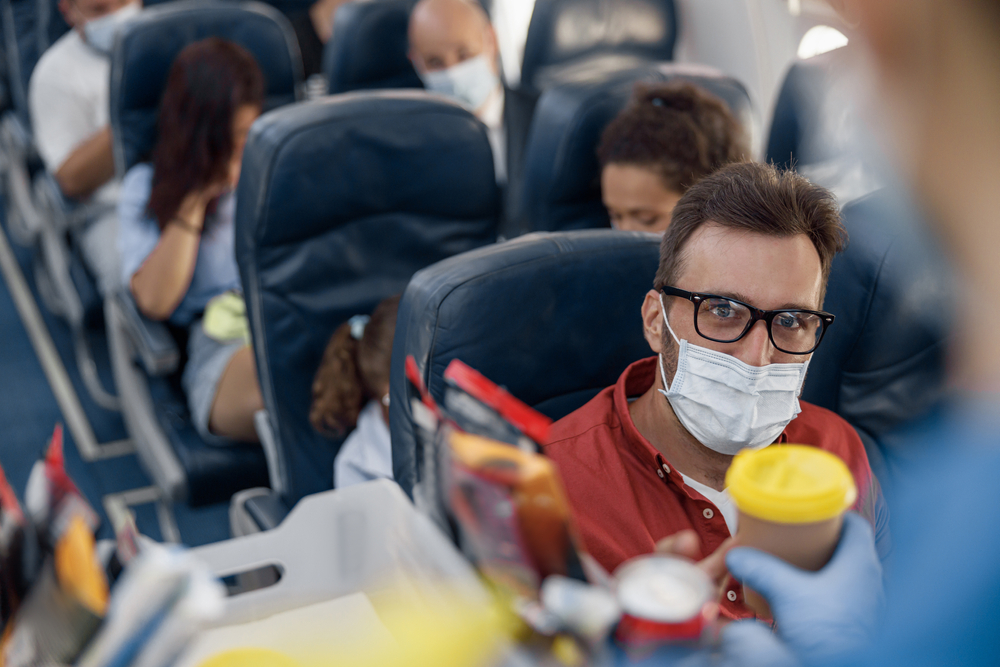
Some airline executives argue the focus on premium customers benefits everyone by funding broader improvements across the travel experience. United CEO Scott Kirby has said investments in premium cabins are part of a strategy that also supports better technology, entertainment systems, and service throughout the aircraft. Others, however, worry that the growing emphasis on luxury is widening the gap between travelers who can afford premium options and those looking for affordable transportation.
Why Premium Demand Keeps Growing

Several factors help explain why airlines are doubling down on upscale travel. Wealthier households have accumulated substantial gains since 2019, giving more consumers the ability to spend on premium experiences. Analysts also say travelers emerging from the pandemic have shown a greater willingness to pay for comfort, while crowded flights have made upgrades such as extra space and lounge access more attractive than before.
The Divide Between Travelers May Continue to Grow
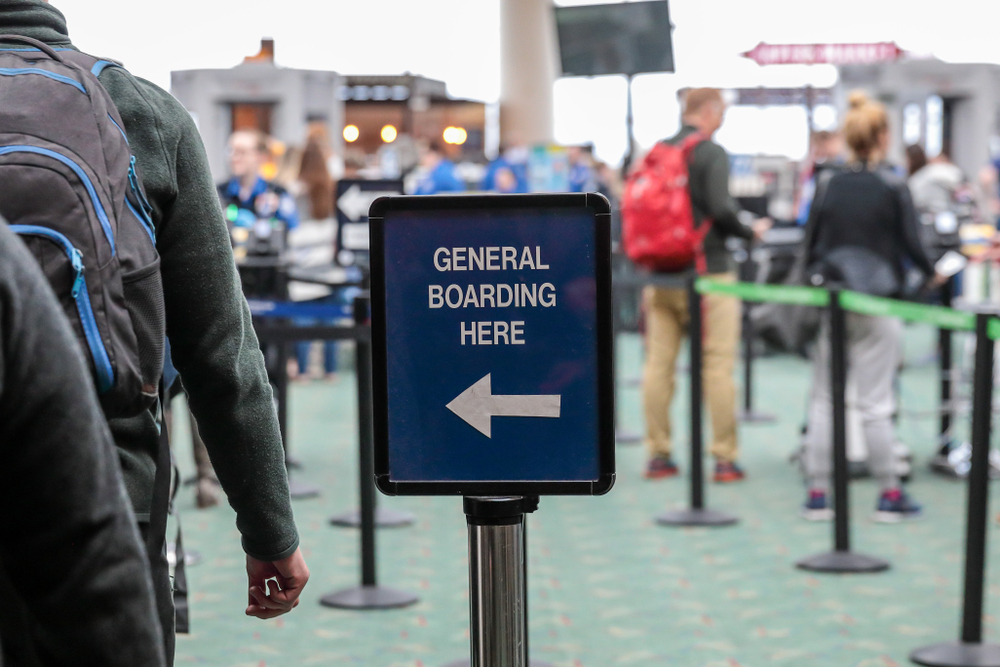
Airlines show little sign of reversing course. Delta expects premium-ticket revenue to eventually surpass revenue from main-cabin tickets, while American plans to continue expanding premium seating across its fleet. As airlines increasingly compete for higher-spending customers, travelers may continue seeing more luxurious options at the front of the plane, while those flying on tighter budgets face a growing list of fees and fewer complimentary perks.