30,000 American Catholics Have Been Warned They Could Face Excommunication Over a Ceremony the Pope Explicitly Opposed
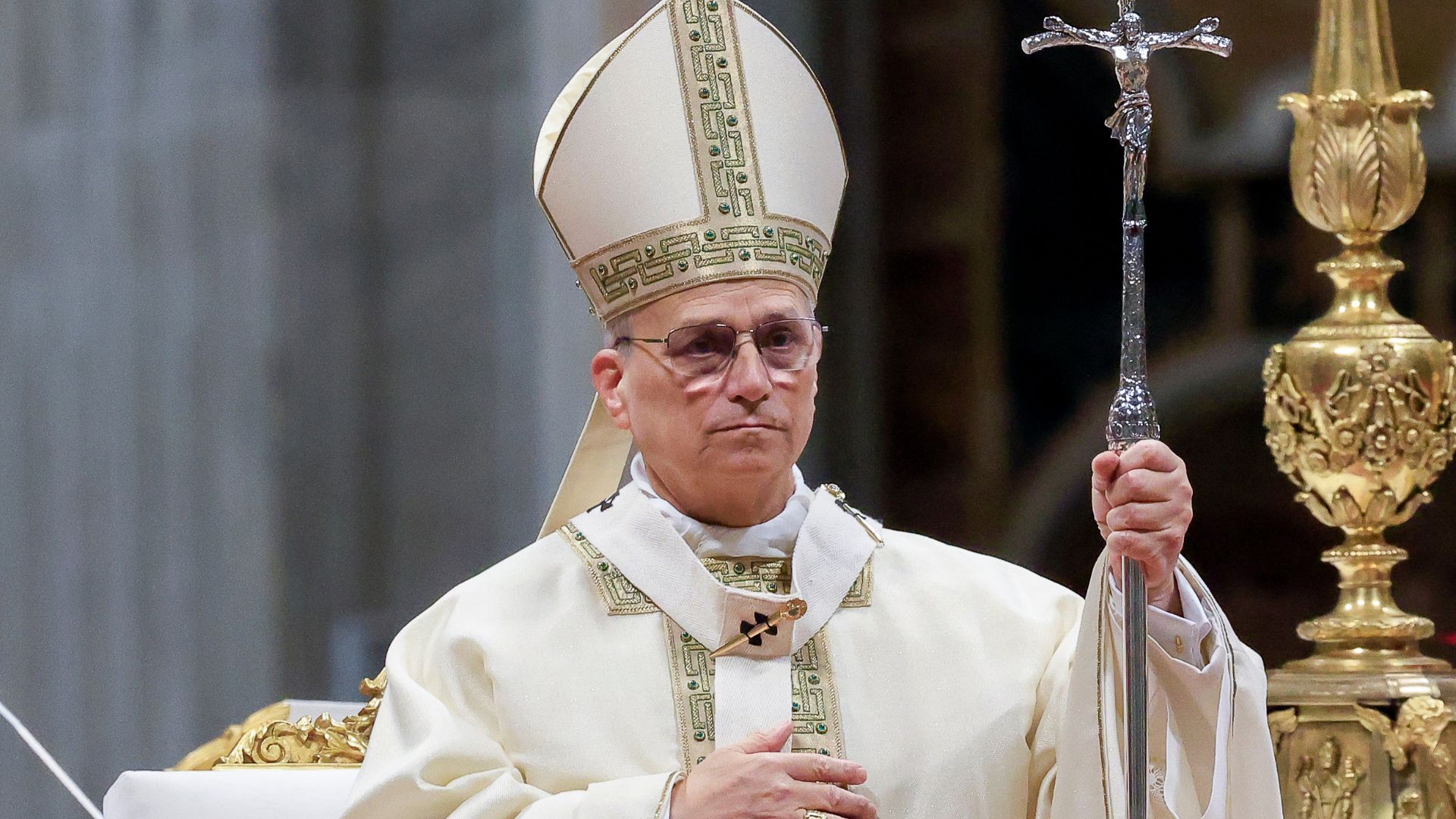

Thousands of American Catholics who support the Society of Saint Pius X have been warned they could face excommunication automatically, under a Vatican decree issued after the group consecrated four new bishops without papal approval. Anyone who formally adheres to the SSPX is already excommunicated under the ruling. The open question is how many of the roughly 30,000 American followers actually meet that bar.
Four Bishops Were Consecrated Without the Pope’s Consent

The consecrations, carried out without Pope Leo XIV’s approval, took place on July 1 in a tent outside the SSPX’s international seminary in Écône, a site the group has used since its founder established it in 1970. Bishop Alfonso de Galarreta led the rite, laying hands on the heads of four priests in a ceremony that lasted five hours. An estimated 16,500 worshippers attended, and the Mass was livestreamed in multiple languages.
Rome Declared the Bishops Automatically Excommunicated
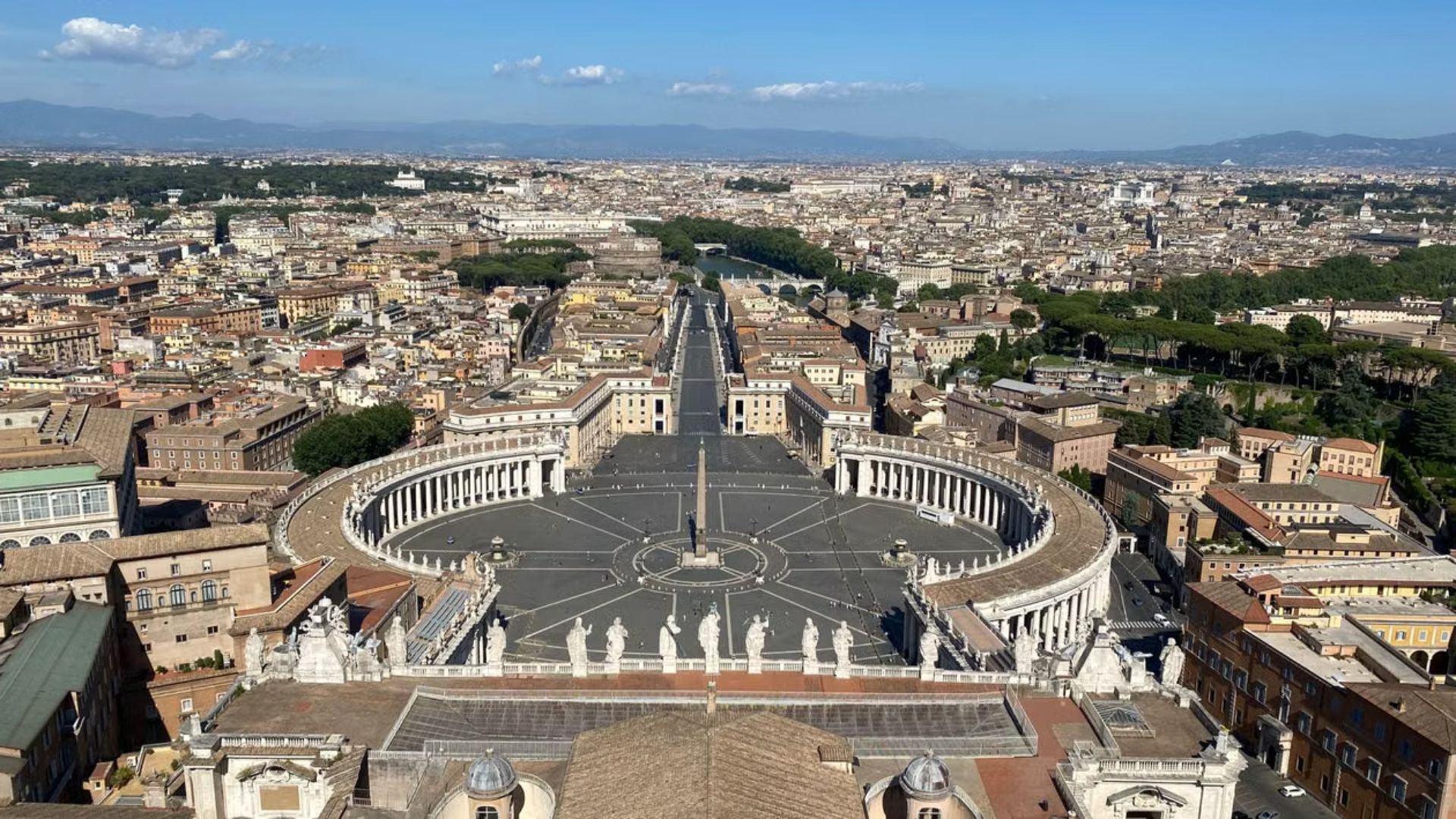
One day after the ceremony, the Dicastery for the Doctrine of the Faith issued a decree declaring that six bishops, Alfonso de Galarreta, Bernard Fellay, Pascal Schreiber, Michael Goldade, Michel Poinsinet de Sivry, and Marc Hanappier, had incurred automatic excommunication under canon law. The decree, signed by Cardinal Víctor Manuel Fernández, called the consecrations an act carried out “without pontifical mandate and against the will of the Supreme Pontiff.”
Ordinary Catholics Could Be Excommunicated Too
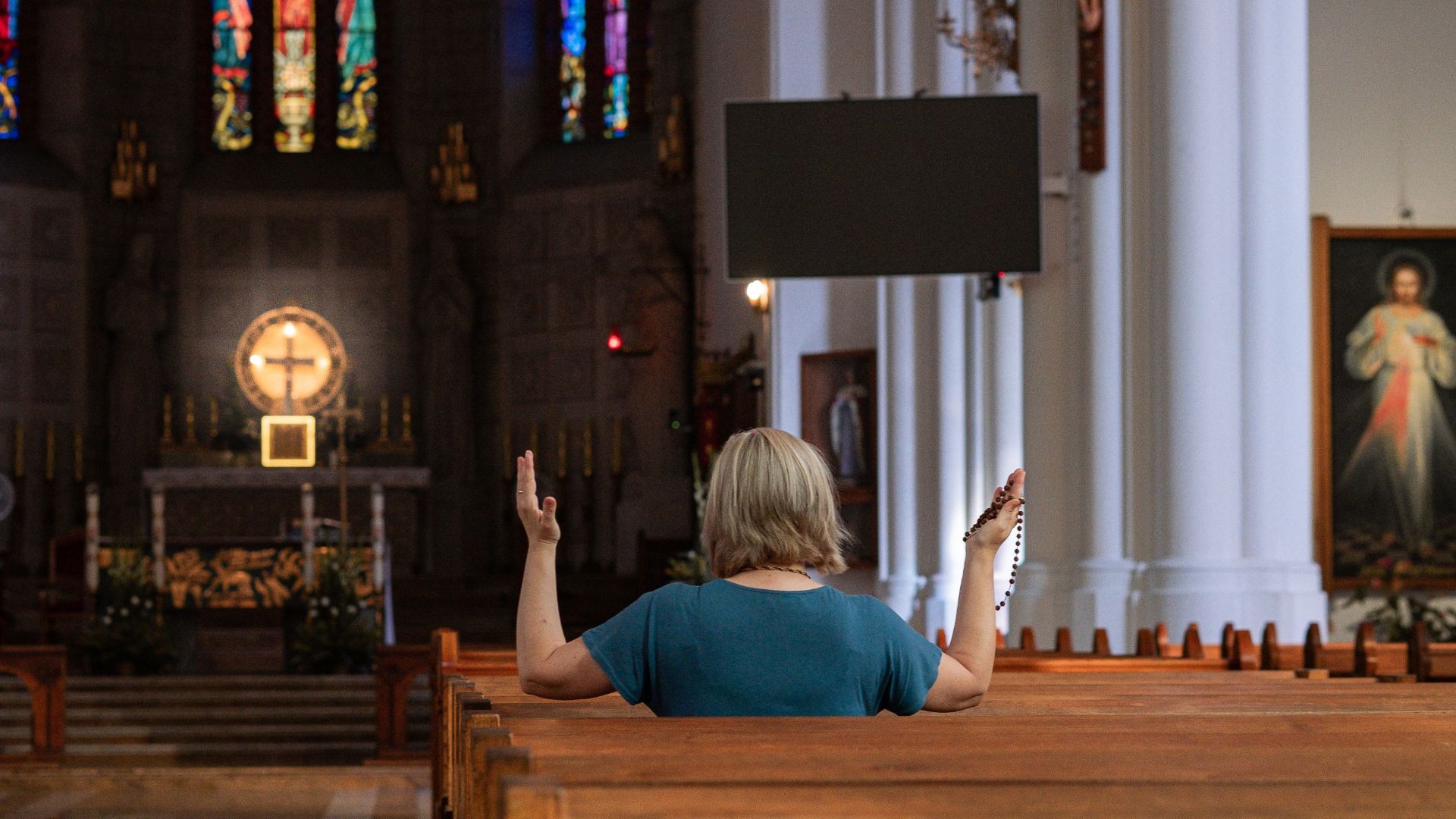
The decree extends beyond the clergy. Lay Catholics who “formally adhere” to the SSPX are also considered excommunicated, according to Vatican News, the Holy See’s official media outlet. Any confessions or marriages performed by SSPX priests are now invalid, and a 1996 Vatican note clarifies that simply attending an SSPX Mass isn’t enough. Formal adherence requires an outwardly expressed choice to place loyalty to the SSPX above obedience to the pope.
About 30,000 Americans Fall Under the Warning
SSPX data from 2024, the most recent available, shows roughly 30,000 followers in the United States, served by 124 priests across 115 chapels. The group, based in Switzerland but present worldwide, has built its identity around the old-style Latin Mass and has long resisted formal dialogue with non-Catholics. That could mean the Vatican’s ruling reaches a significant share of American traditionalist Catholics who built their religious lives around those practices.
This Isn’t the SSPX’s First Break With Rome
The SSPX has clashed with the Vatican before. In 1988, founder Marcel Lefebvre consecrated four bishops without Pope John Paul II’s approval, prompting the excommunication of Lefebvre and the bishops involved. John Paul II called the move a rejection of papal authority in his letter Ecclesia Dei. Pope Benedict XVI lifted those excommunications in 2009. Leo’s decree goes further than 1988, appearing to mark one of the strongest actions of his papacy so far.
The Vatican Tried to Stop the Ceremony
Cardinal Fernández warned in a public statement released in May that consecrating new bishops without a papal mandate would amount to “a schismatic act.” The fraternity declined to stand down, arguing new bishops were necessary to keep its worldwide ministry running. Vatican officials noted that efforts to bring the SSPX back into full communion date back to Pope Paul VI’s papacy, which ended in 1978, and had never succeeded.
A Cardinal Called It a Wound to Church Unity
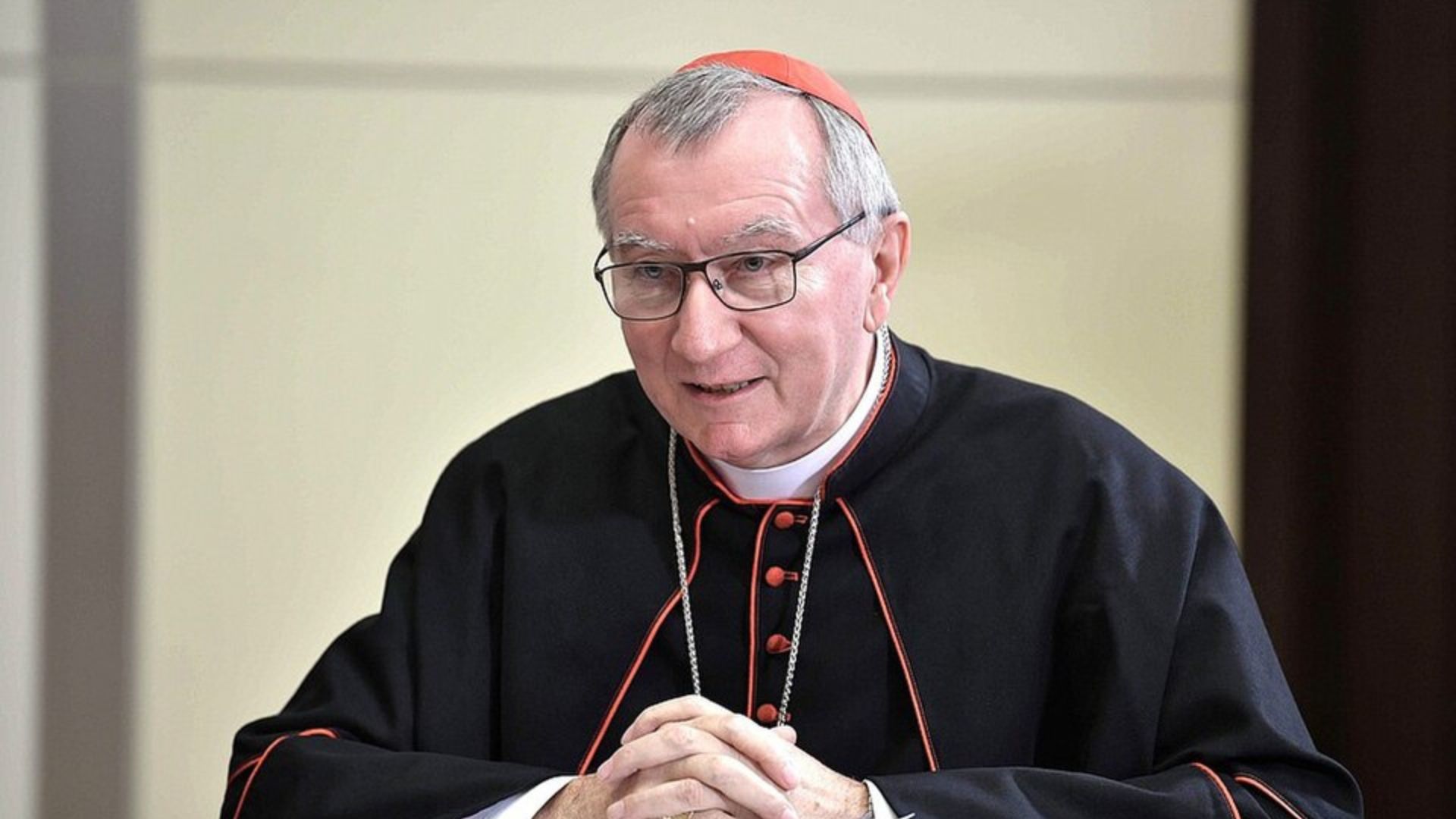
Vatican Secretary of State Cardinal Pietro Parolin, speaking with reporters shortly after the ceremony, said he felt “deep sorrow,” explaining that ordinations carried out without a papal mandate undermine church unity. He also added that acts of this kind wound that unity deeply, reinforcing the Vatican’s stance that the consecrations amounted to a schismatic act carried out against papal authority.
The SSPX Says It Never Meant to Divide the Church
The fraternity did not immediately respond to the excommunication decree itself, but around the ceremony, it defended the move as necessary to preserve its mission. Afterward, it said it “sincerely regrets” that the ordinations went ahead without Pope Leo XIV’s authorization, though it described the circumstances as exceptional. The group also said it regretted not securing a personal meeting with the pope beforehand.
A Priest Says a Future Pope Will Welcome Them Back
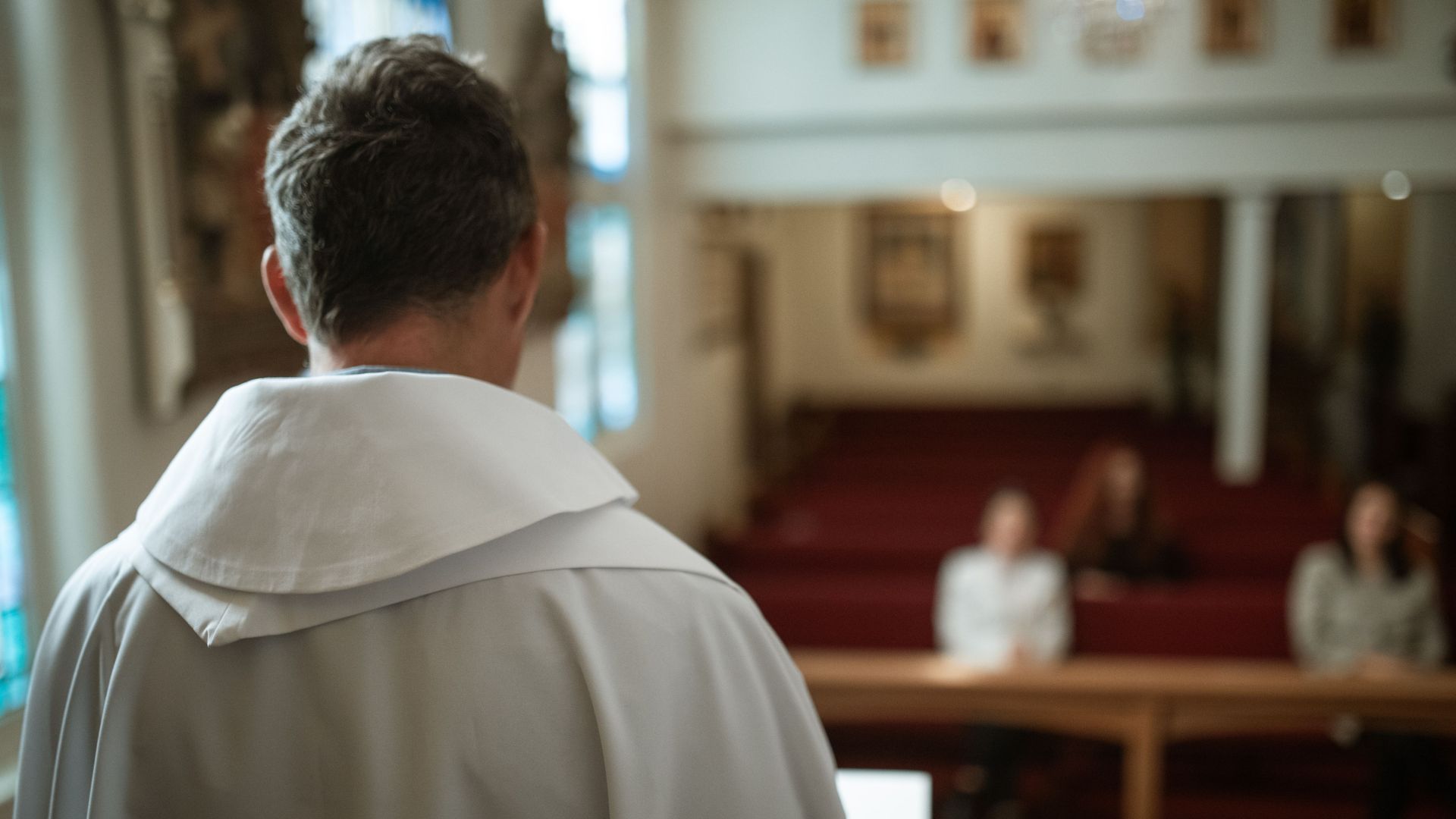
Days after the schism, SSPX priest Georg Kopf told worshippers in Wil, Switzerland, that he expects “another pope who opens the door and welcomes us back,” pointing to the group’s earlier reconciliation with Rome. The Vatican has said dialogue was offered before the split. He also said the ordinations were never meant to create a rival church, calling them instead an act of love for the church and the pope, meant to safeguard souls.