Cranking Your AC Lower During a Heat Wave Actually Makes Things Worse, HVAC Experts Warn
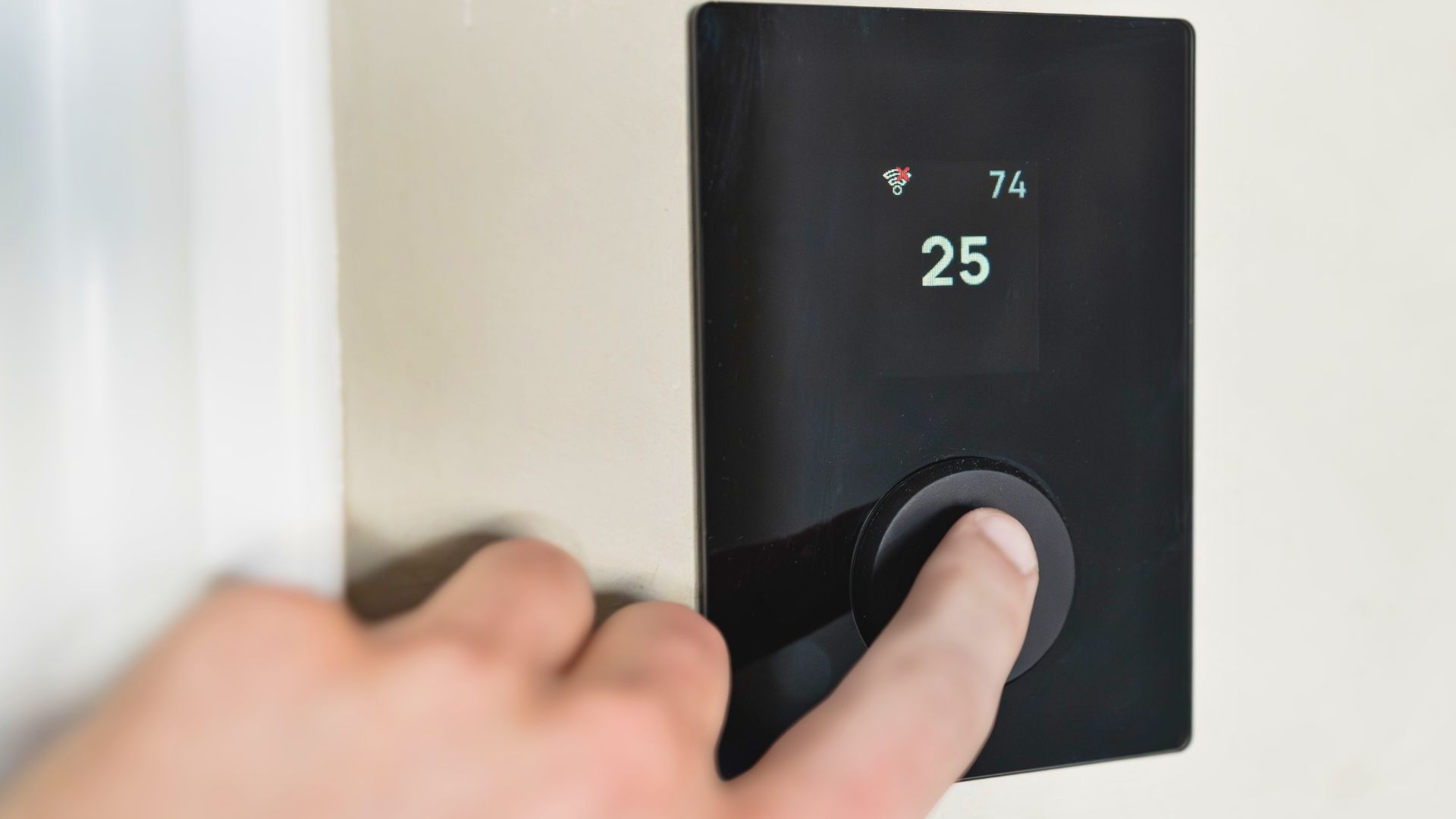

When temperatures soar, many people instinctively lower their thermostat as much as possible, hoping their home will cool down faster. HVAC experts say that approach doesn’t work the way many people think. Air conditioners cool at a steady rate, so setting the thermostat dramatically lower simply keeps the system running longer, increasing energy use and placing more strain on the equipment rather than speeding up the cooling process.
Your AC Doesn’t Cool Faster at Lower Settings
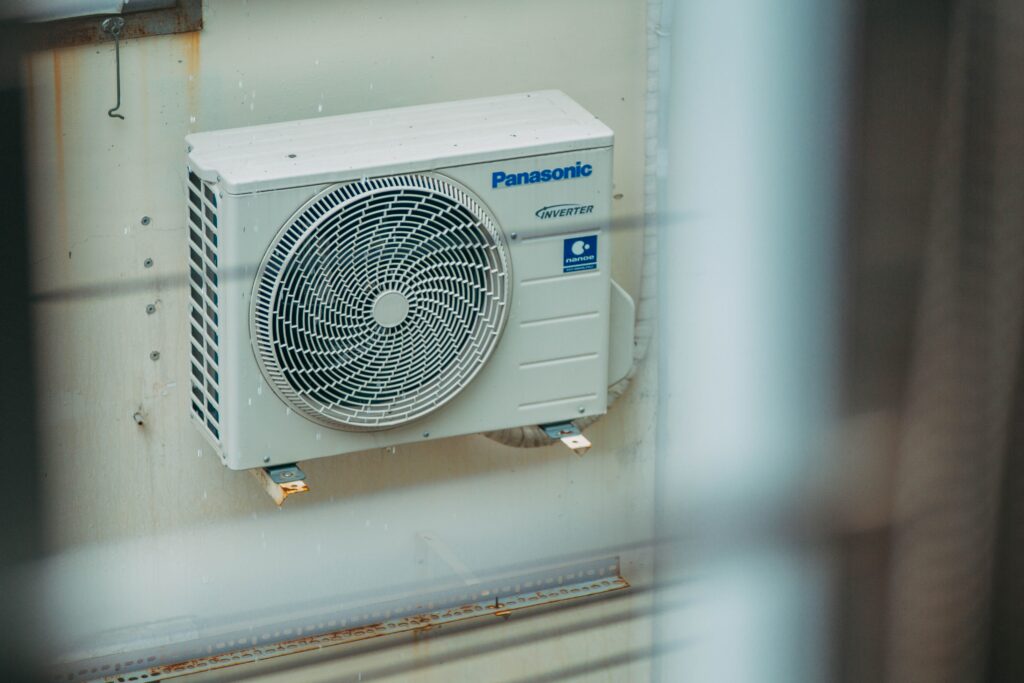
A common misconception is that setting the thermostat to an extremely low temperature makes an air conditioner work harder and cool the house more quickly. HVAC professionals say that’s not how residential systems operate. Instead, the unit continues cooling at the same rate until the thermostat reaches the selected temperature, meaning extra-low settings mostly lead to longer run times and higher electricity consumption.
The Temperature Experts Recommend
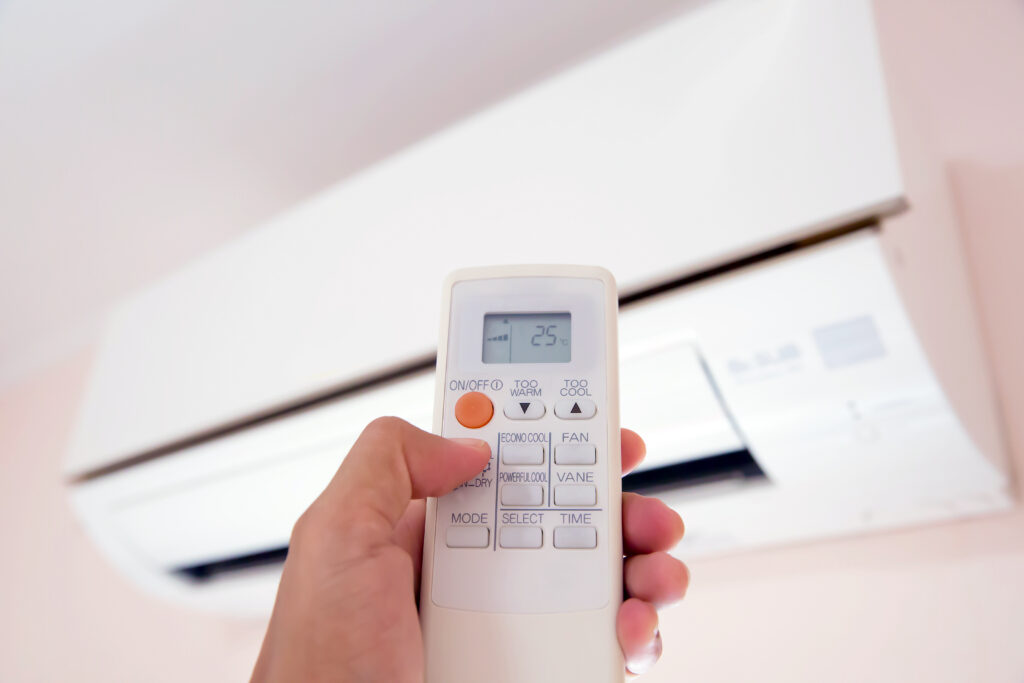
Rather than aiming for an “icebox” indoors, experts recommend setting your thermostat to the highest temperature that still feels comfortable. The U.S. Department of Energy suggests a range of about 75°F to 78°F while you’re home. Maintaining a steady, moderate setting helps improve efficiency while reducing unnecessary wear on the system.
Consistency Helps Your System Work Better
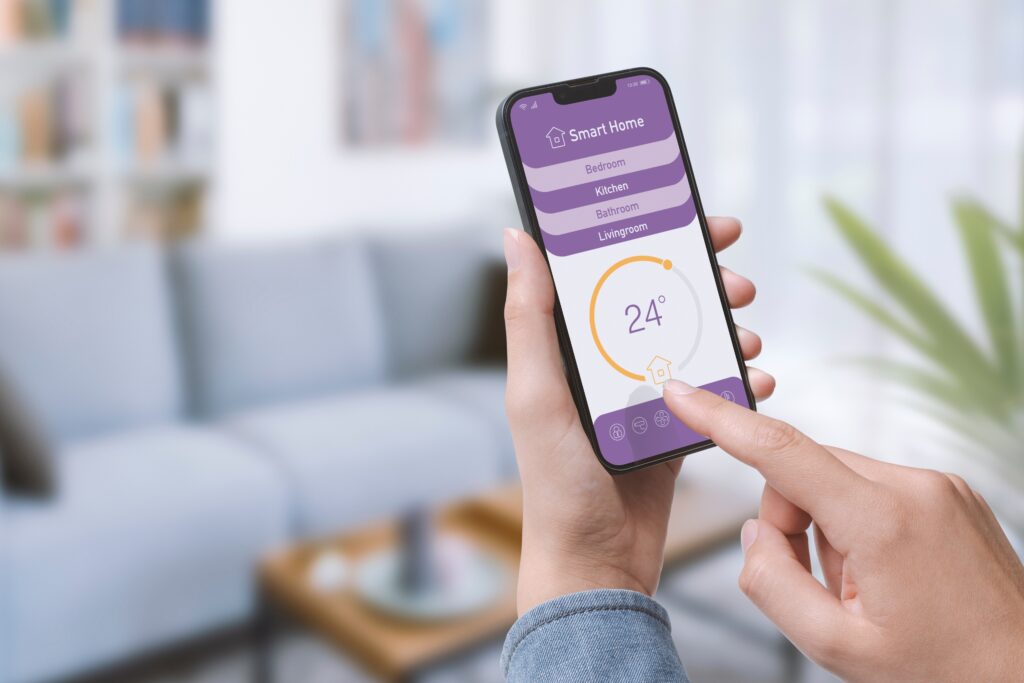
Constantly adjusting the thermostat throughout the day can make your air conditioner work harder than necessary. HVAC professionals recommend choosing a comfortable setting and leaving it there instead of repeatedly lowering and raising the temperature. ENERGY STAR also recommends increasing the temperature when you’re away and using programmable thermostats to automate adjustments.
Small Habits Can Keep Your Home Cooler
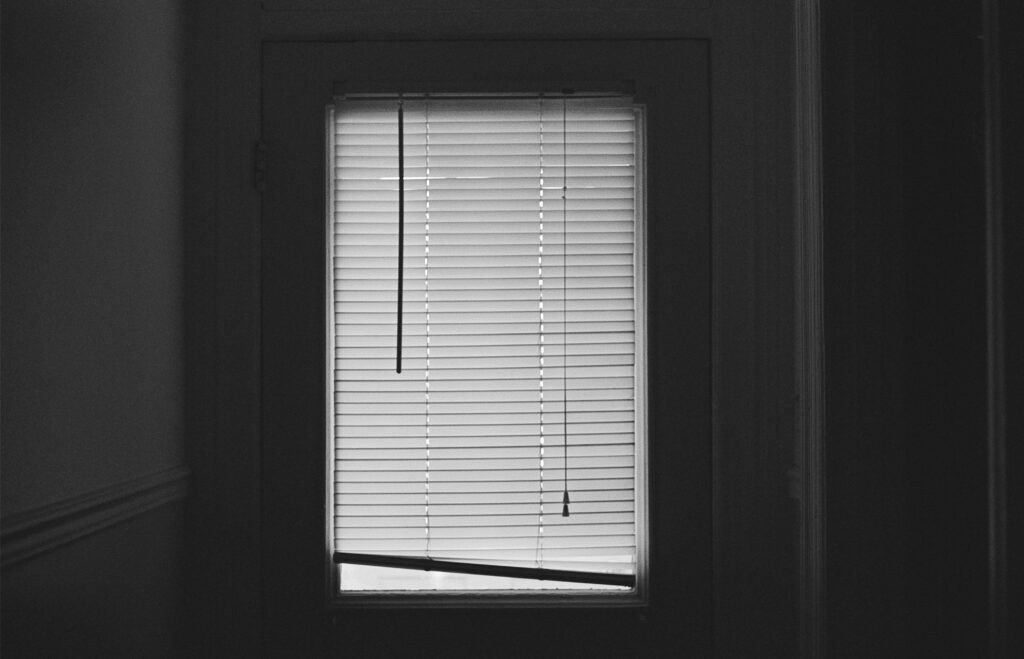
Experts say your thermostat isn’t the only tool that matters during a heat wave. Closing blinds or curtains during the hottest part of the day blocks sunlight that would otherwise heat indoor spaces. Ceiling or box fans can improve air circulation, helping people feel cooler without lowering the thermostat further.
Don’t Make Your AC Fight Extra Heat
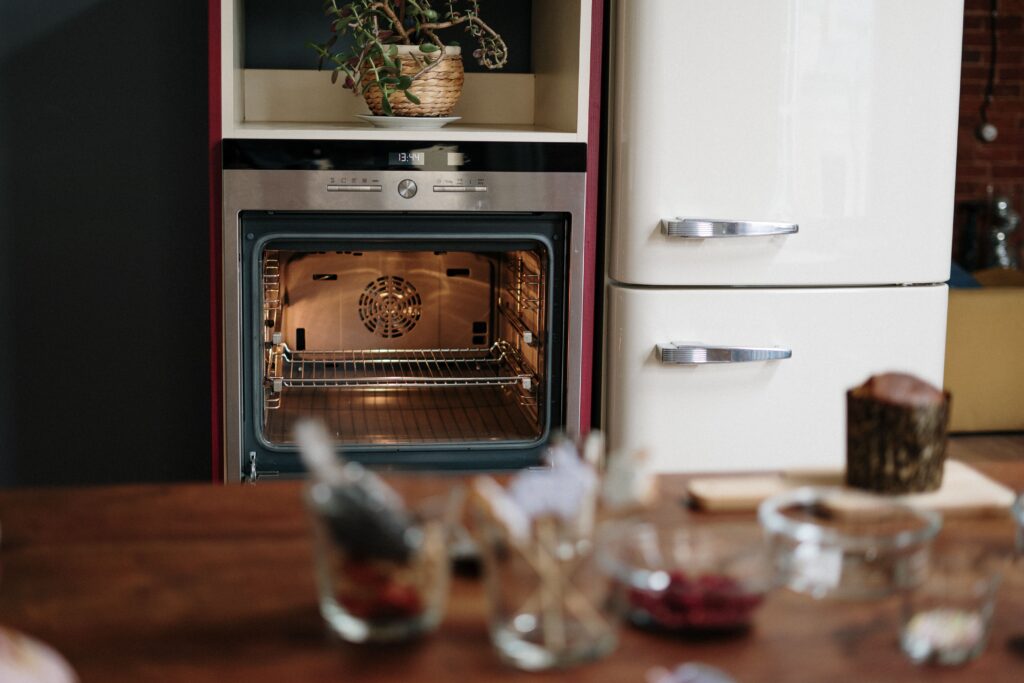
Many everyday activities generate additional indoor heat. Running ovens, clothes dryers, and dishwashers during the hottest hours of the afternoon forces your air conditioner to work even harder. Experts recommend using these appliances later in the evening or early in the morning whenever possible to reduce cooling demand.
Maintenance Can Make a Big Difference
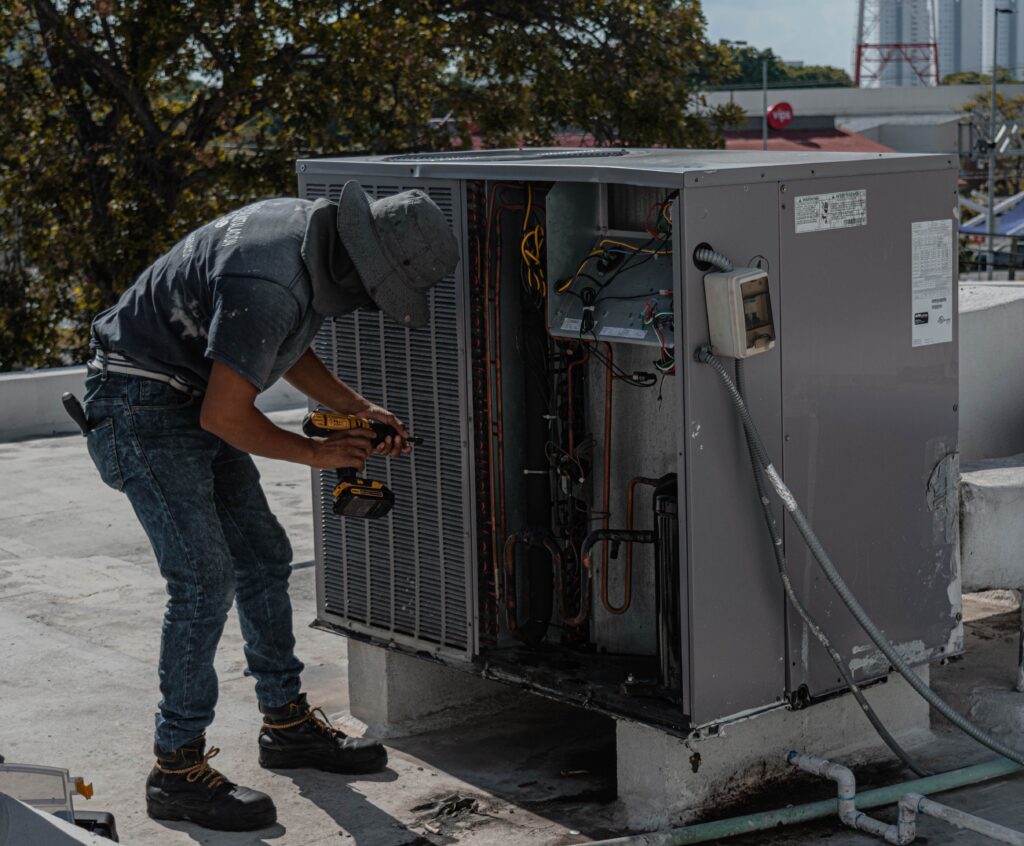
An air conditioner that isn’t properly maintained loses efficiency, especially during extreme heat. Experts recommend replacing or cleaning HVAC air filters every two to three months, ensuring vents remain unobstructed, and clearing debris around outdoor condenser units. Scheduling professional maintenance before peak summer temperatures can also help identify problems before they become costly breakdowns.
Don’t Forget Windows and Doors
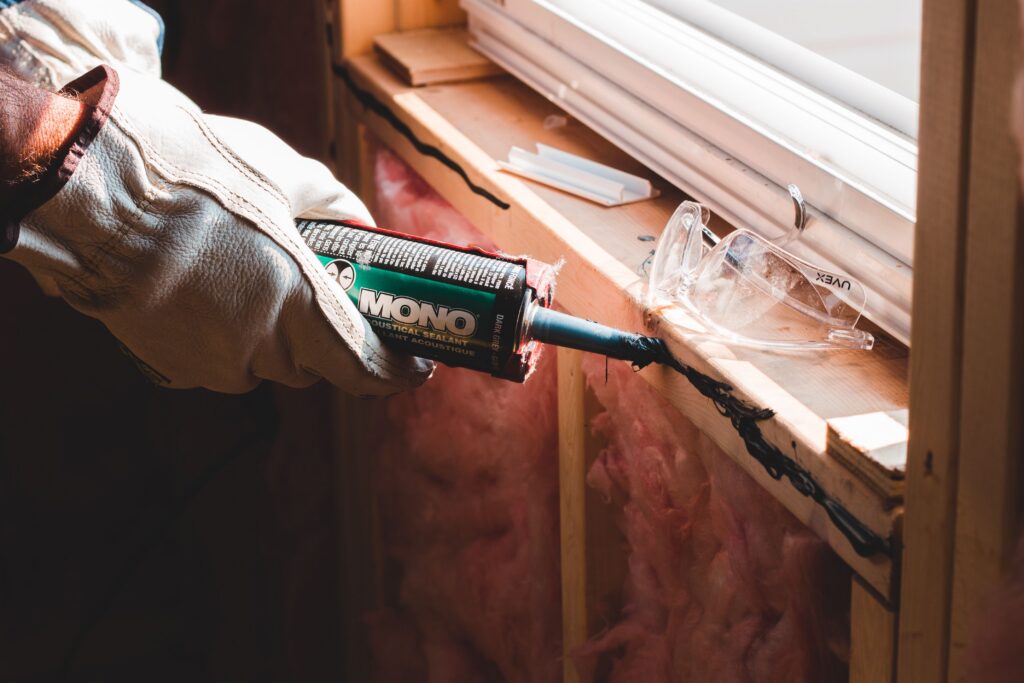
Cool air escaping through small gaps around windows and doors can make your air conditioner run much longer than necessary. Experts recommend sealing air leaks, replacing worn weather stripping, and improving insulation where possible. These relatively simple upgrades help keep conditioned air indoors while lowering energy waste.
Why It Matters Beyond Your Home
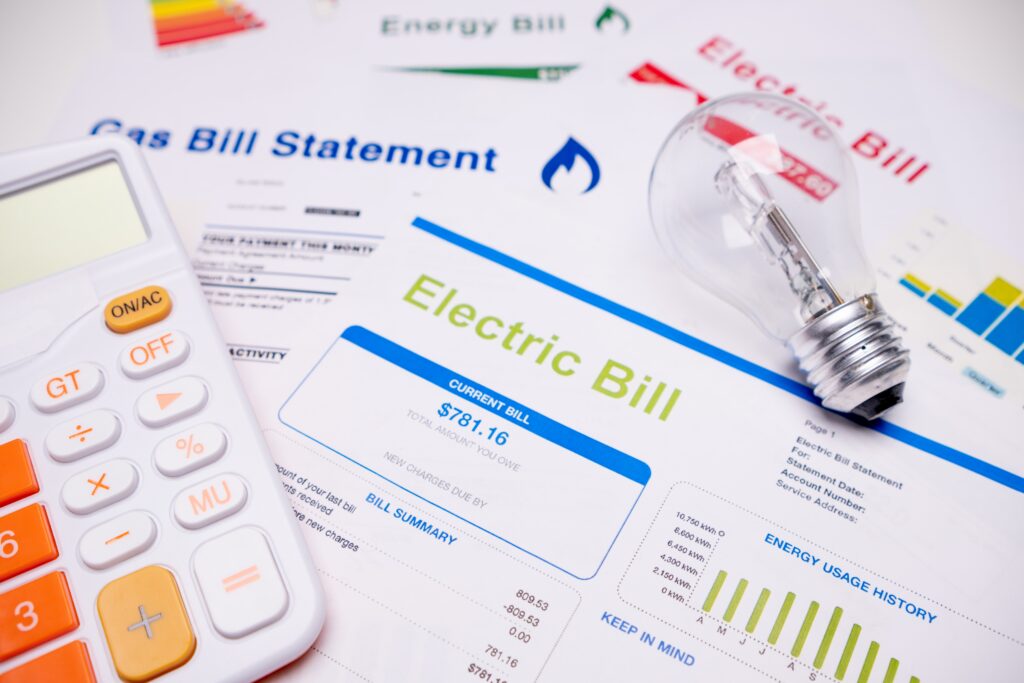
Lowering thermostats across entire communities during a heat wave doesn’t just affect individual electricity bills. Increased cooling demand puts added pressure on power grids, especially during periods of extreme temperatures. Experts note that using air conditioners efficiently helps reduce overall energy demand while also lowering the environmental impact associated with electricity generation.
Stay Comfortable Without Overworking Your AC

HVAC experts agree that staying cool during a heat wave doesn’t require setting your thermostat to the lowest possible number. A consistent temperature, regular system maintenance, closed blinds, good airflow, and limiting indoor heat sources can all improve comfort while reducing strain on your air conditioner. These simple habits can help your system perform better throughout periods of extreme summer heat.