SpaceX Wants to Put Data Centers Into Space

Picture rows of computer racks in orbit, running on sunlight and cooled by the vacuum of space. That vision now underpins one of the most valuable companies on Earth. SpaceX, led by Elon Musk, has vaulted past household names in market value on the strength of a plan few engineers have tested: launching massive AI computing power into orbit. The company has never built one. Investors are paying trillions for the promise anyway.
That promise has helped push SpaceX past $2 trillion in value, according to CNBC’s coverage of the company’s Nasdaq debut, making it one of the most valuable companies on the planet. Musk’s own compensation is tied to hitting audacious targets, including the orbital data center plan and a colony of a million people on Mars. Analysts who track private markets say they cannot yet credit either project with adding real value. The stock keeps climbing anyway.
So what exactly is SpaceX proposing? The plan calls for launching AI computing hardware into orbit, then selling that computing power to companies that need it. It sounds like science fiction. Two of the world’s biggest AI companies, Anthropic and Google, have already signed deals to rent SpaceX’s computing capacity here on Earth, a first step toward the company’s much larger ambition overhead.
Turning Sunlight and the Cold of Space Into a Computer Farm
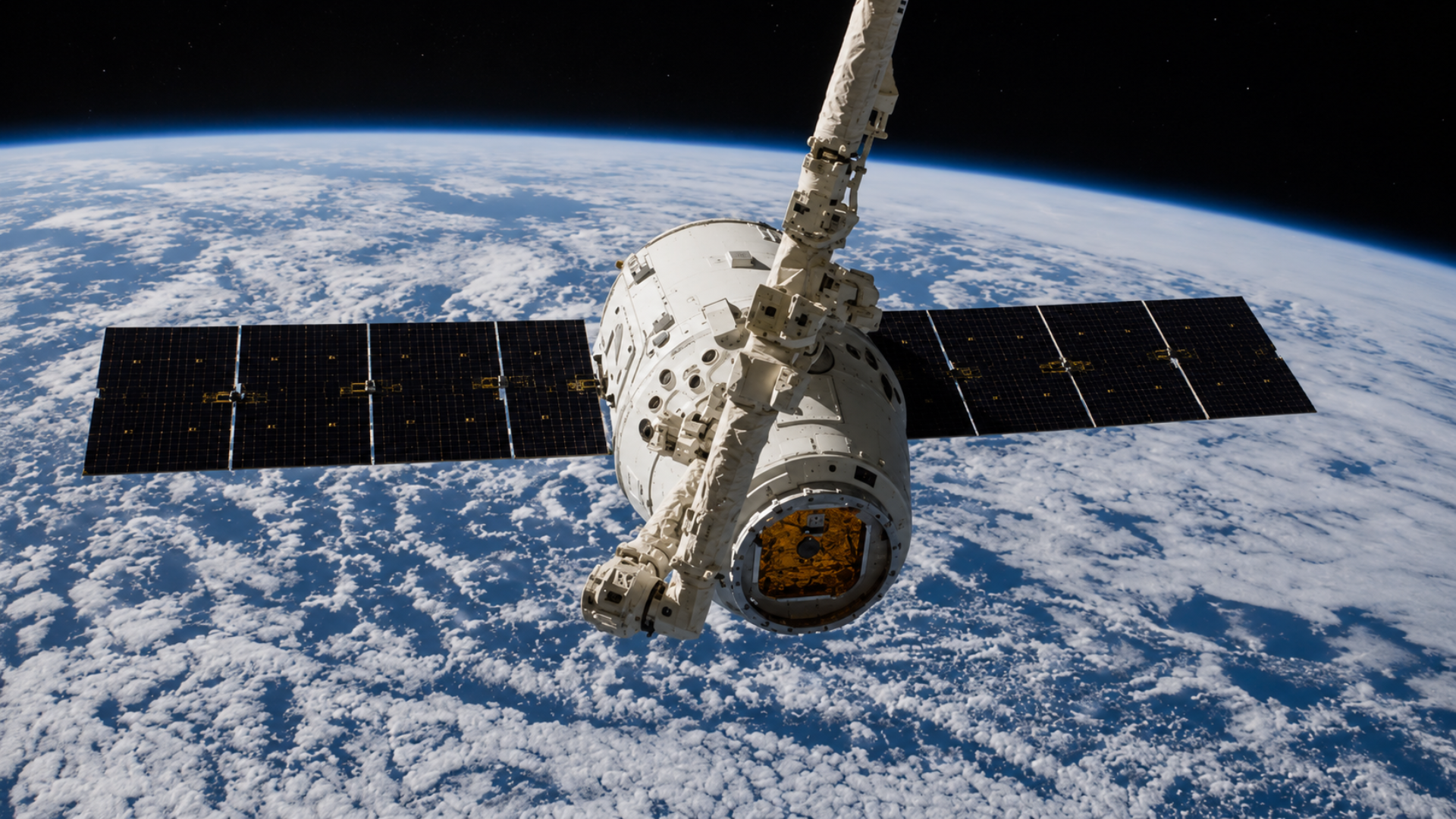
SpaceX’s filings describe a constellation of AI satellites, potentially numbering in the millions, positioned in an orbit that keeps them in constant sunlight. Solar panels would supply continuous power, while the cold of space would carry away heat that normally requires massive cooling systems on the ground. The company says its experience building reusable rockets and mass-producing satellites gives it an edge nobody else in the industry can match right now.
Musk has framed the plan as inevitable rather than optional. Putting data centers in space “was always going to be” the answer, he said, because the approach lets the company scale computing power far beyond what any facility on Earth could handle. According to Musk, orbital data centers could scale a trillion times more than ground-based ones, since space imposes none of the land or power grid limits that constrain builders here.
Not everyone dismisses the idea. Ben Wild, chief technology officer of the satellite connectivity company Hubble Network, said he was once skeptical but now believes orbital data centers make sense under the right conditions. In the correct orbit, he said, a satellite can generate continuous solar power and dump heat straight into space, solving two of the biggest headaches facing AI infrastructure on the ground. Getting there, however, remains a different challenge entirely.
The Problem: Nobody Has Ever Actually Done This
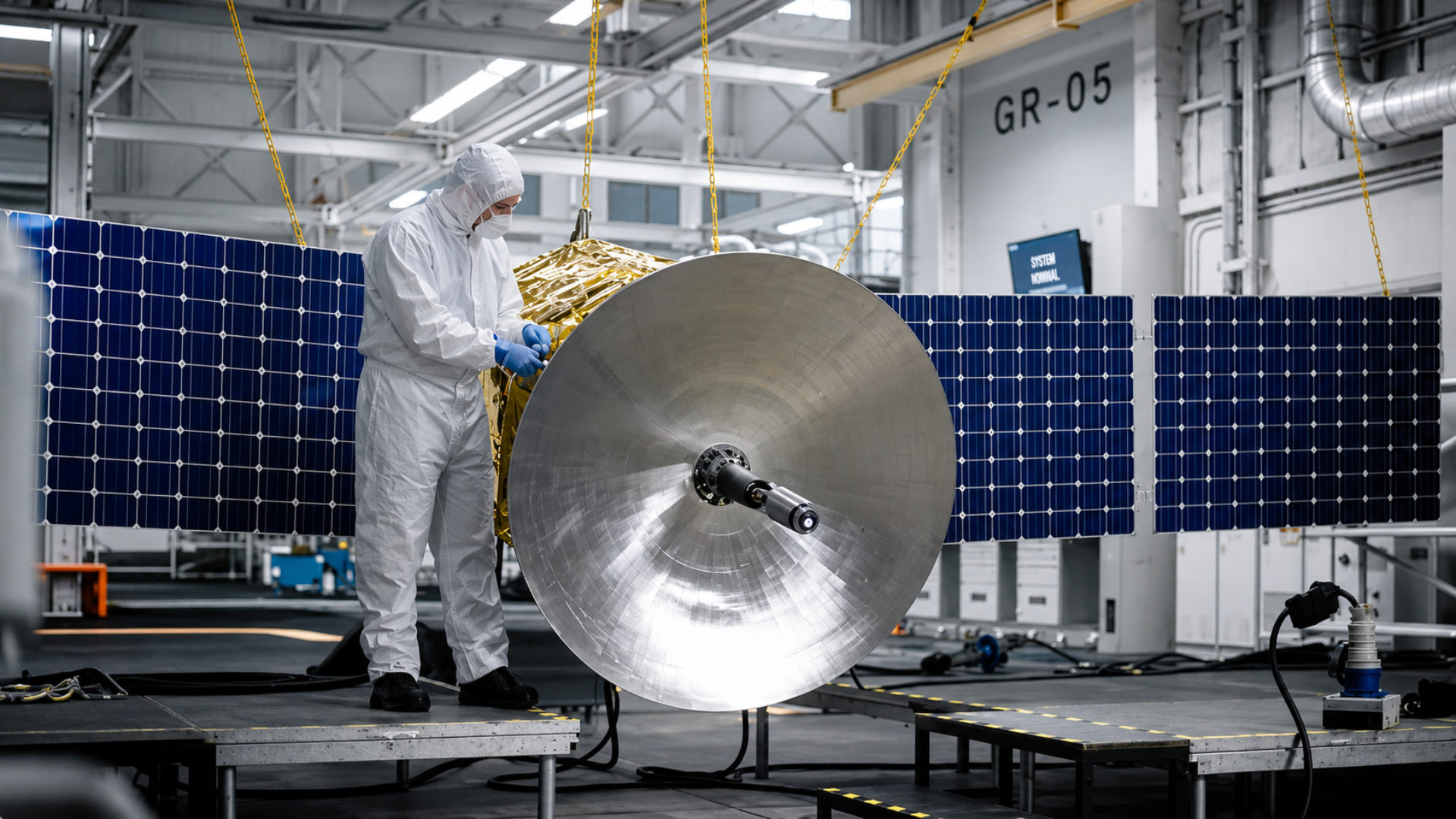
Even SpaceX admits how far this idea sits from reality. In its own filings, the company acknowledged that space remains an inherently hostile environment for machines built to last. Neither SpaceX nor any other organization has ever operated a functioning computing system in orbit at any meaningful scale. There is no working model to point to, no prototype running today, only detailed engineering plans and a level of confidence that has made some experts uneasy.
Greg Martin, managing director at the private markets firm Rainmaker Securities, put it bluntly: if anyone else made these claims, people would question their sanity, though he noted Musk has delivered on wild promises before. James Dow, a finance professor at London Business School, has questioned whether investor enthusiasm reflects genuine expertise or simple devotion to Musk’s vision. Both point to the same gap: belief running ahead of evidence.
The scale of the ambition raises its own dangers. Hugh Lewis, a professor of astronautics at the University of Birmingham, warned in Scientific American that AI satellites will likely be far larger and more complex than today’s Starlink hardware, making collisions more damaging and cooling failures more costly. SpaceX has already lowered some Starlink satellites to cut collision risk with only a few thousand in orbit. Multiplying that number by hundreds multiplies every existing problem.
The Real Bet: Whether Musk Can Deliver on Space-Based AI

The orbital data center plan is only one piece of SpaceX’s expanding AI ambitions. Days after its record-breaking public offering, the company announced it would acquire Cursor, the popular AI coding tool, in a deal valuing the startup at $60 billion. The move signals that SpaceX sees itself becoming an artificial intelligence company as much as a rocket company, stacking AI software, satellites and orbital compute plans into a single, sprawling bet on the future of computing.
Musk has predicted SpaceX could reach roughly $1 trillion in annual revenue by 2030, with even higher totals the year after. The company’s current numbers tell a different story: billions in losses since 2023 and no proven orbital data center to show for it. Reporting on the company’s post-IPO trading has already shown how quickly that gap between promise and performance can swing the stock, up sharply on big announcements, then dropping just as fast once the excitement fades.
SpaceX has built a career on turning improbable ideas into working hardware, from landing rockets upright to building the largest satellite network ever flown. Orbital data centers ask for a bigger leap: proving that computers can survive, cool themselves and generate real revenue hundreds of miles above Earth, with no prototype yet to test the theory. Investors have already paid trillions for that possibility. Whether the technology ever catches up to the price tag is the only question that actually matters.