Experts Warn San Andreas Fault Stress Is Reaching Alarming Levels in Southern California
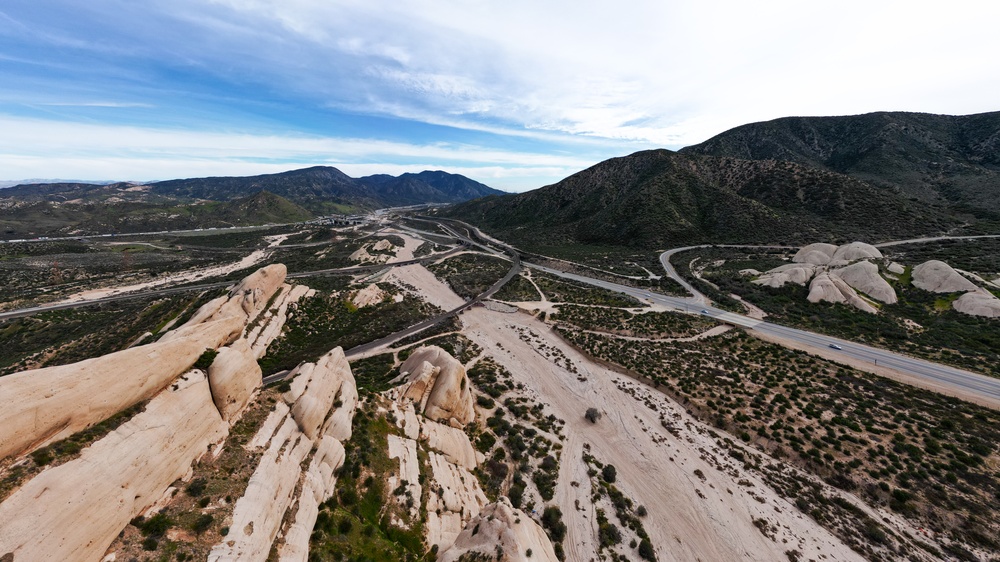

The San Andreas Fault has long been recognized as California’s most infamous earthquake fault, but new research suggests parts of the system may now be carrying more tectonic stress than at any point in the past 1,000 years. While the study does not predict when the next major earthquake will occur, researchers say the amount of stored energy beneath Southern California has reached historically high levels, making the findings an important development for earthquake hazard assessments.
Why The San Andreas Fault Matters
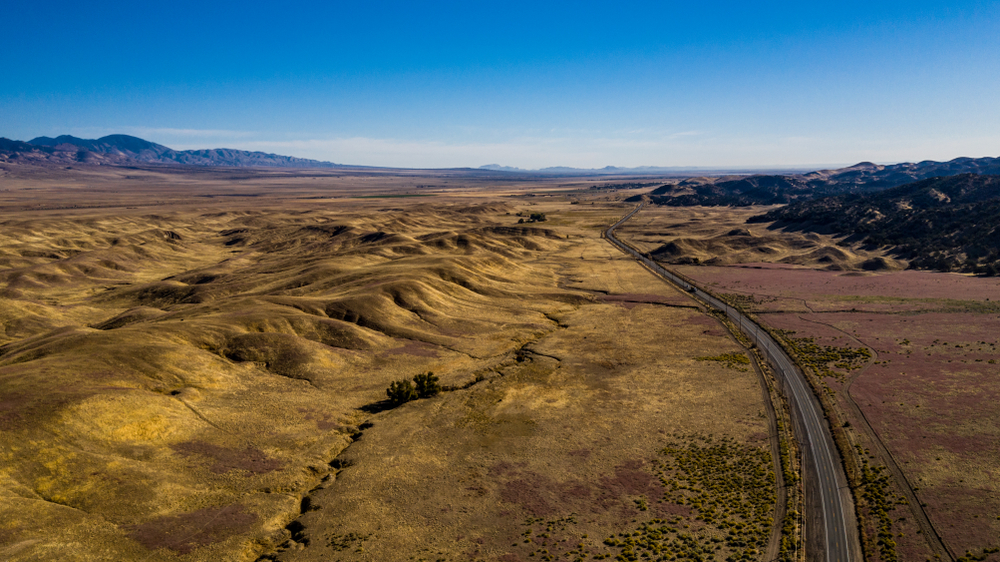
Stretching roughly 800 miles through California, the San Andreas Fault forms the boundary where the Pacific Plate and North American Plate slide past one another. This slow but relentless movement stores enormous amounts of energy underground until it is released during earthquakes. Southern California has not experienced a major rupture along this section of the fault since the 1857 Fort Tejon earthquake, giving stress decades to continue accumulating beneath one of the nation’s most densely populated regions.
Researchers Reconstructed A Thousand Years Of Earthquake Activity
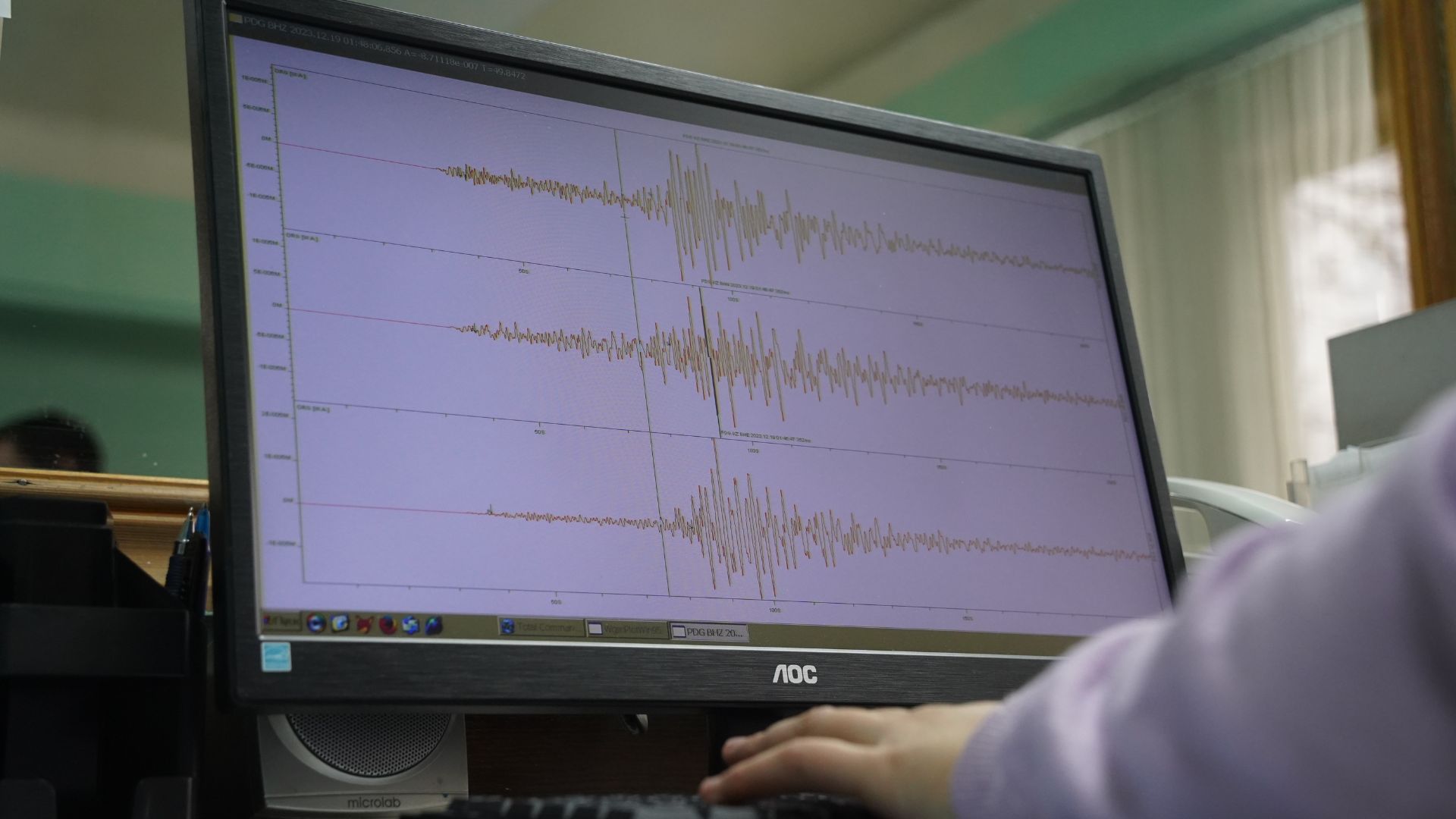
To understand how today’s stress levels compare with the past, scientists from the University of Hawaiʻi at Mānoa and collaborating institutions developed a physics-based computer model that recreated approximately 1,000 years of earthquake history. The simulation combined geological evidence, including radiocarbon dating of displaced sediments and tree-ring records, to estimate how stress has accumulated and been released across Southern California’s major fault systems over time.
Parts Of The Fault Have Reached Record Stress Levels
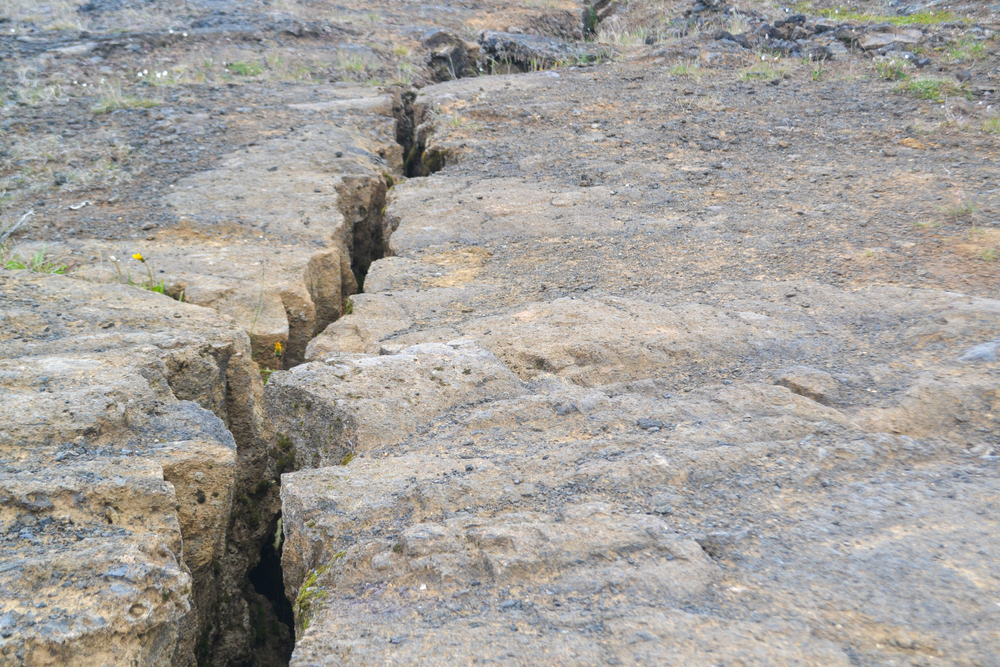
The model found that the Mojave South segment of the San Andreas Fault is now carrying approximately 2.8 megapascals of tectonic stress, the highest level reconstructed for that section during the past millennium. Lead author Liliane Burkhard said several fault segments are now at or above their highest modeled stress levels, indicating that energy which would normally be released through major earthquakes has continued building over generations.
One Mountain Pass Could Influence A Future Earthquake
While the San Andreas Fault remains the study’s primary focus, researchers also examined how it interacts with the neighboring San Jacinto Fault at Cajon Pass northeast of Los Angeles. They describe the junction as an “earthquake gate” because it can either prevent a rupture from spreading or allow it to jump between the two fault systems. Whether that happens depends on how stress is distributed across both faults at the moment an earthquake begins.
History Shows The Fault Can Behave Differently
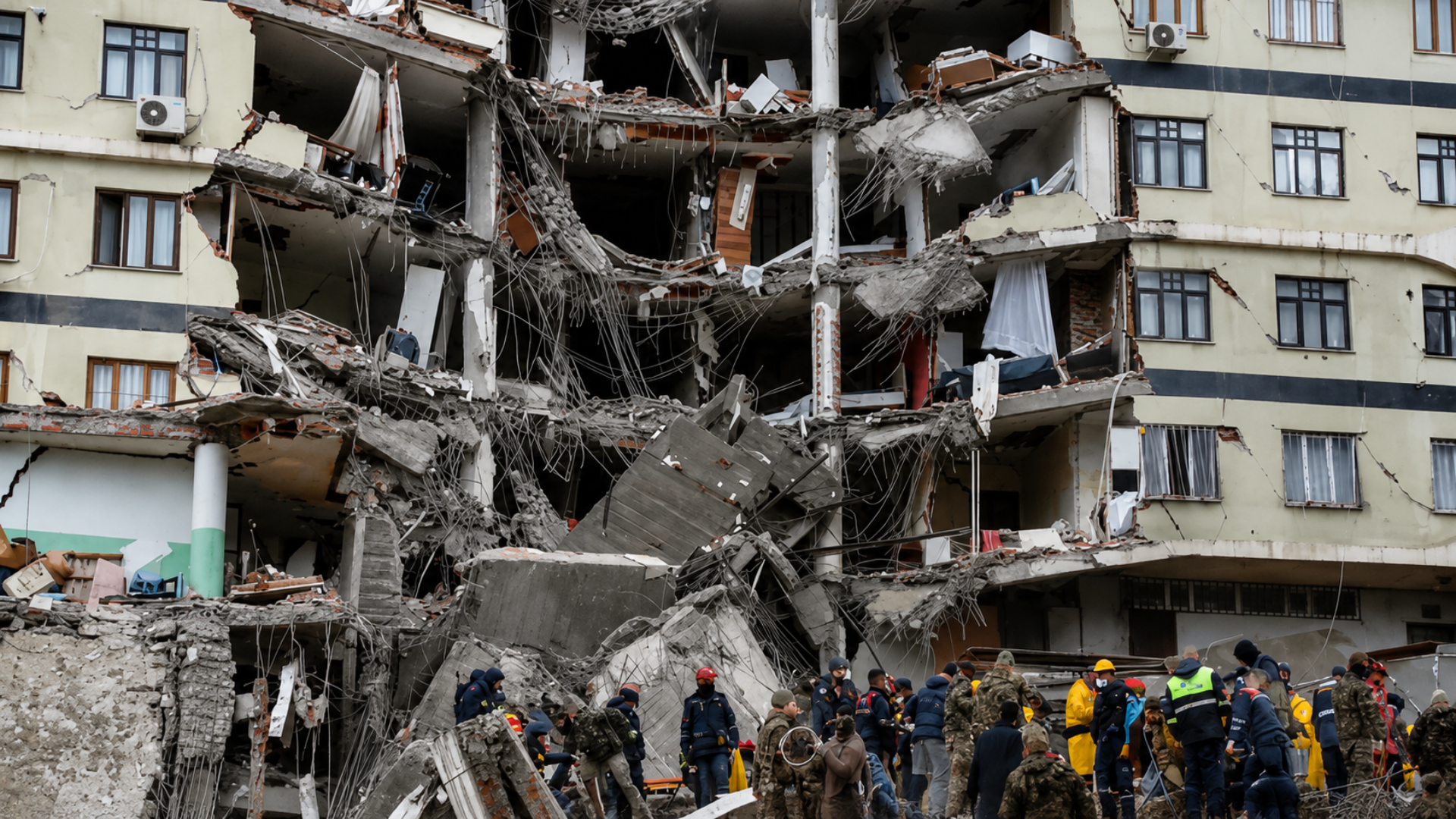
Historical earthquakes helped researchers test their model. The magnitude 7.9 Fort Tejon earthquake in 1857 remained largely confined to the San Andreas Fault, while evidence suggests the magnitude 7.5 Wrightwood earthquake in 1812 may have crossed between the San Andreas and San Jacinto systems. Scientists believe differences in stress conditions at Cajon Pass may explain why one rupture stopped while the other continued.
A Larger Rupture Could Affect Millions
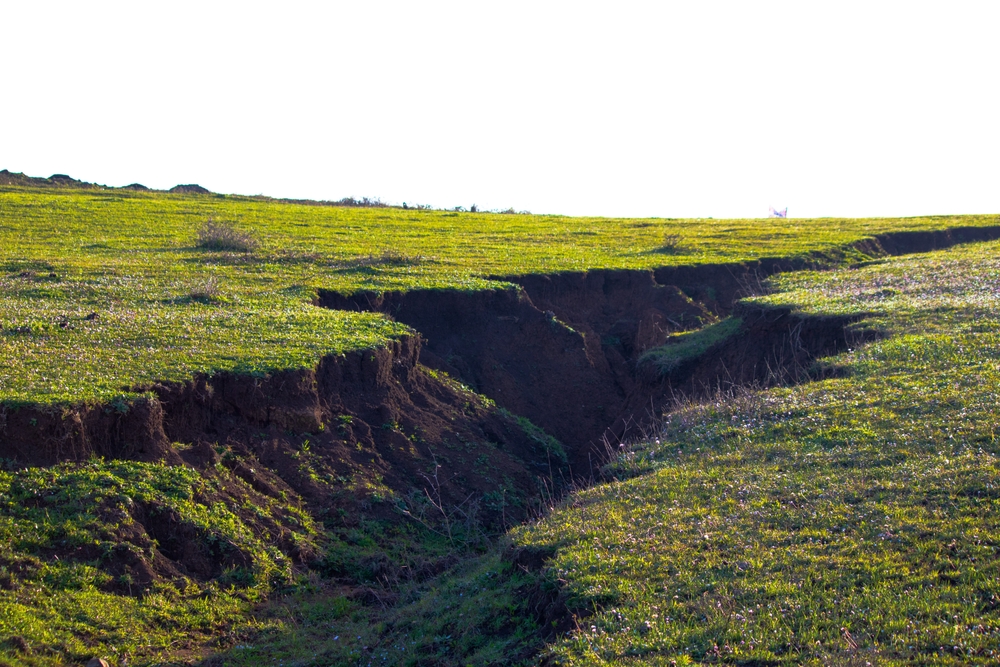
If a future earthquake were to spread beyond the San Andreas Fault into neighboring faults, researchers say it could produce a rupture between magnitude 7.4 and 7.8. Such an event could affect Los Angeles, San Bernardino, Riverside, and the Coachella Valley while also threatening highways, rail lines, and major energy infrastructure that cross Cajon Pass. The findings highlight why understanding fault interactions has become increasingly important for regional hazard planning.
Scientists Are Not Predicting An Imminent Earthquake

Despite headlines about record stress levels, the researchers emphasize that the study is not an earthquake forecast. Current science cannot determine when a fault will rupture, and Burkhard said the model should instead be viewed as a tool for understanding seismic hazards rather than predicting specific events. The research identifies a critically stressed fault system, but not a timetable for when that energy might be released.
The Findings Could Improve Earthquake Preparedness
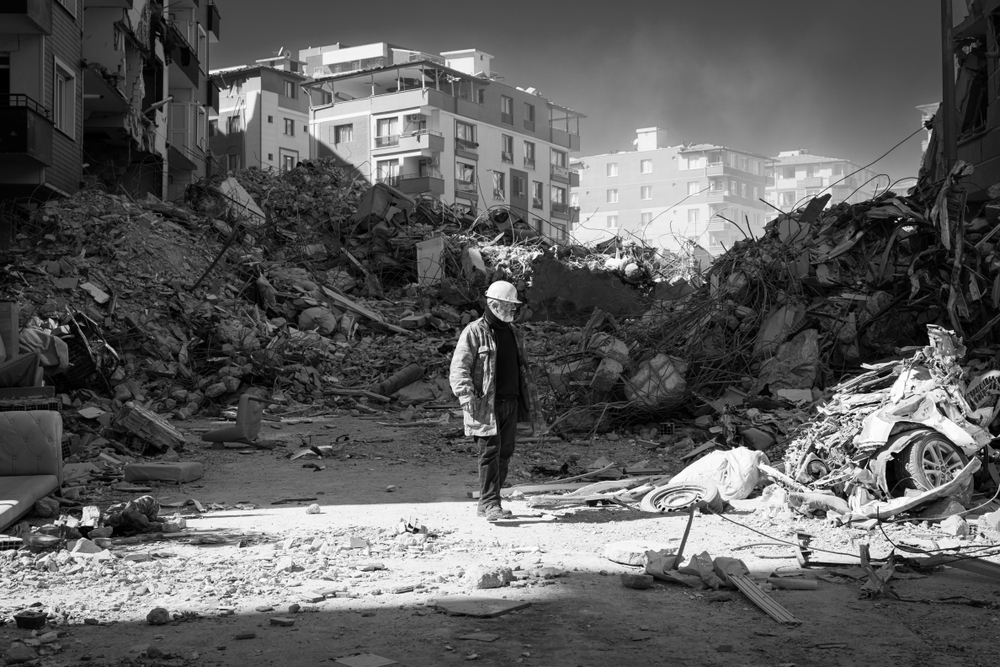
The researchers say the new modeling approach could help refine seismic hazard assessments, infrastructure planning, emergency preparedness, and future building codes. Because the model examines how stress moves across connected faults rather than treating each fault independently, it may also improve risk assessments in other earthquake-prone regions around the world where multiple fault systems intersect.
Understanding The Risk Is The First Step Toward Preparedness
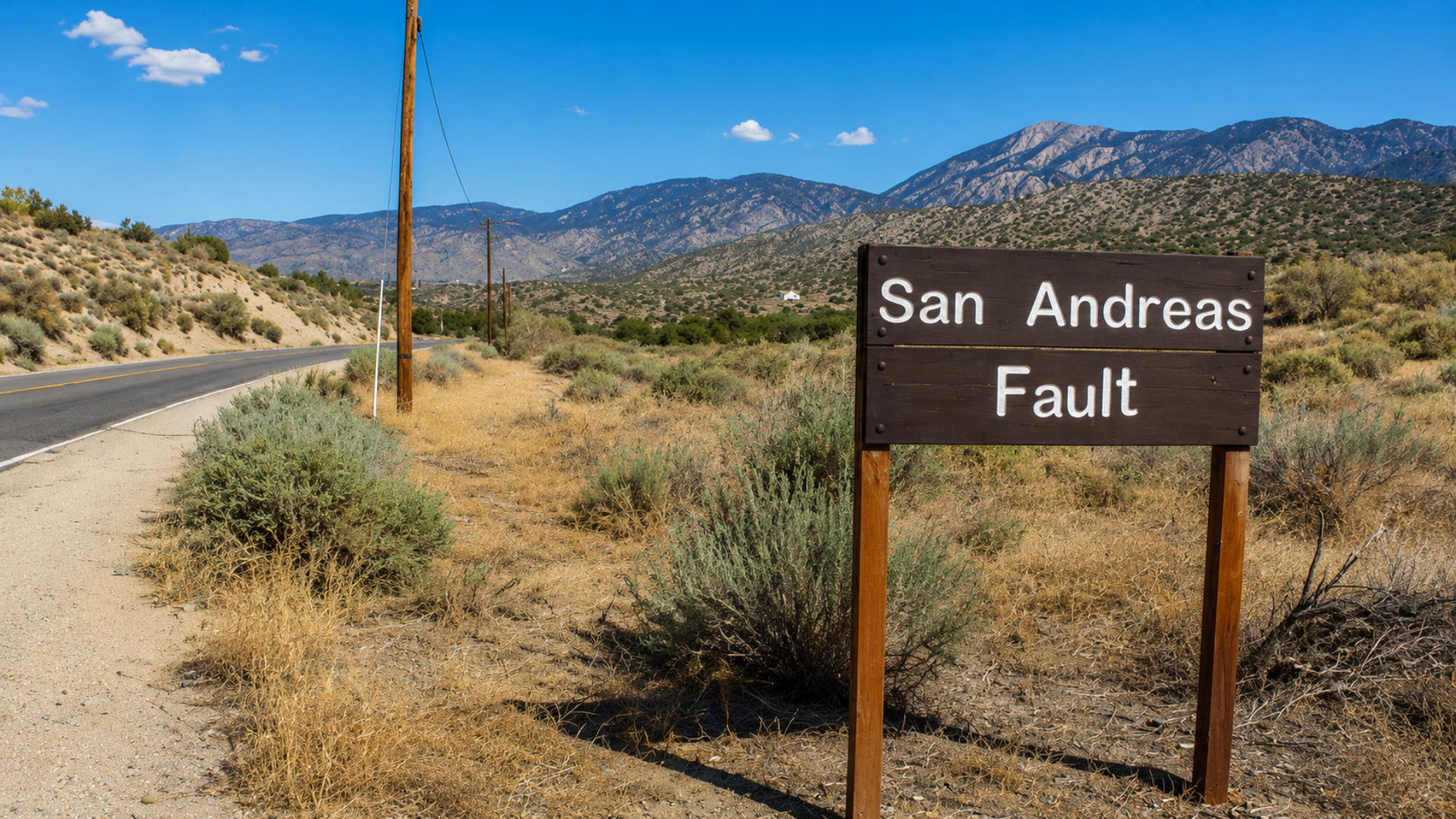
The study reinforces that the San Andreas Fault remains one of North America’s most closely watched geological features. Although scientists cannot say when the next major earthquake will occur, they can better measure how stress is accumulating beneath Southern California. That knowledge helps emergency planners, engineers, and communities prepare for future earthquakes, ensuring that new scientific insights strengthen resilience rather than fuel unnecessary alarm.