A New Federal Policy Orders Firefighters to Put Out Every Wildfire but Scientists Say That Could Create Bigger Risks
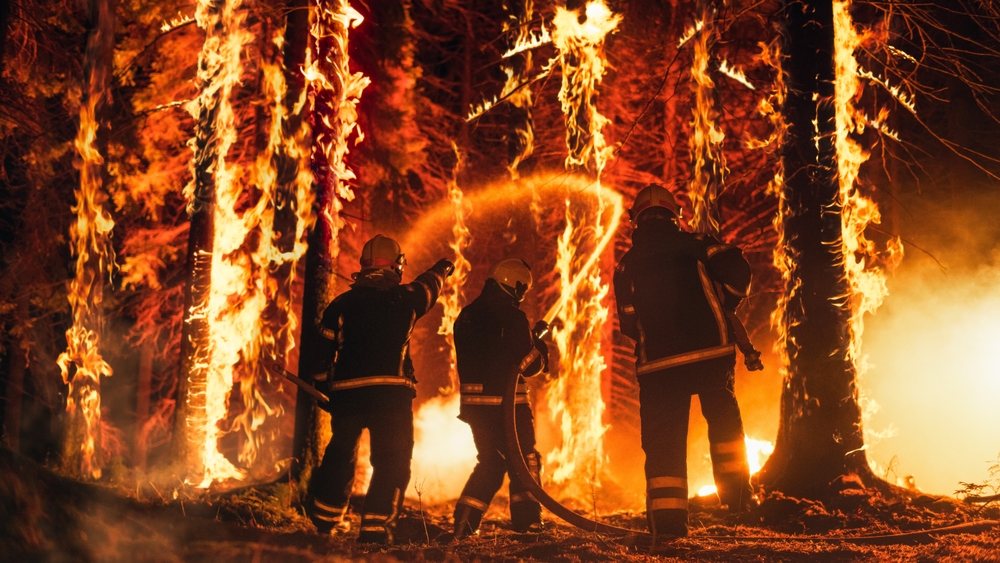

As another dangerous wildfire season unfolds across the American West, the Trump administration has ordered federal firefighters to aggressively suppress every wildfire under its management. The policy marks one of the biggest changes to federal fire strategy in decades, reviving an approach many fire scientists say history has already shown can make forests more vulnerable to catastrophic fires over time.
The New “Full Suppression” Order
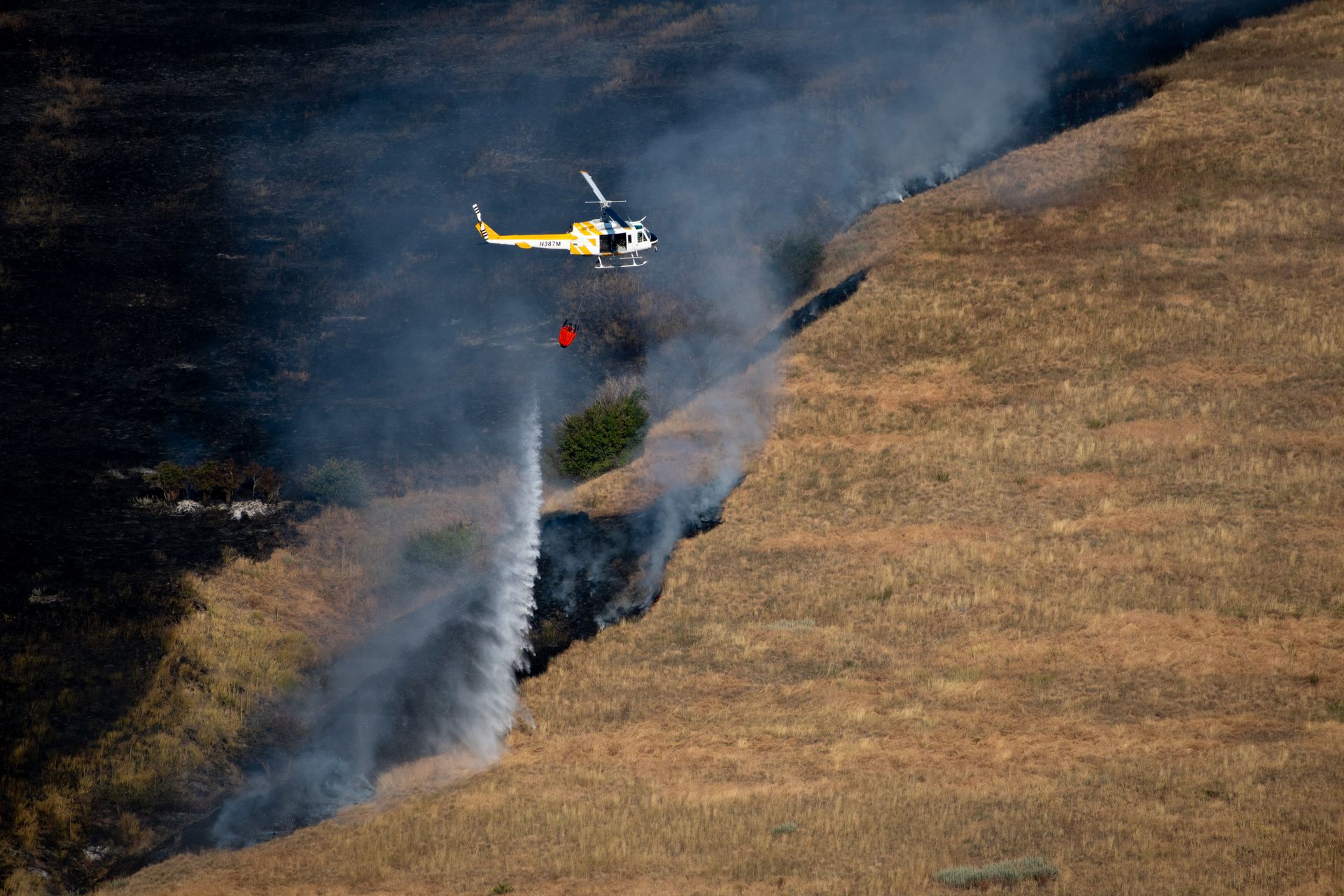
Interior Secretary Doug Burgum directed the newly created U.S. Wildland Fire Service to pursue “full suppression” for every wildfire under its jurisdiction. Federal officials say any wildfire threatening life, property, infrastructure, or the environment should be extinguished as quickly as possible, while incident commanders still retain authority to choose the safest tactics based on local conditions. The policy accompanies the launch of the U.S. Wildland Fire Service, which consolidates Interior Department firefighters from four agencies into a single organization.
Why Scientists Say Fire Is Not Always the Enemy
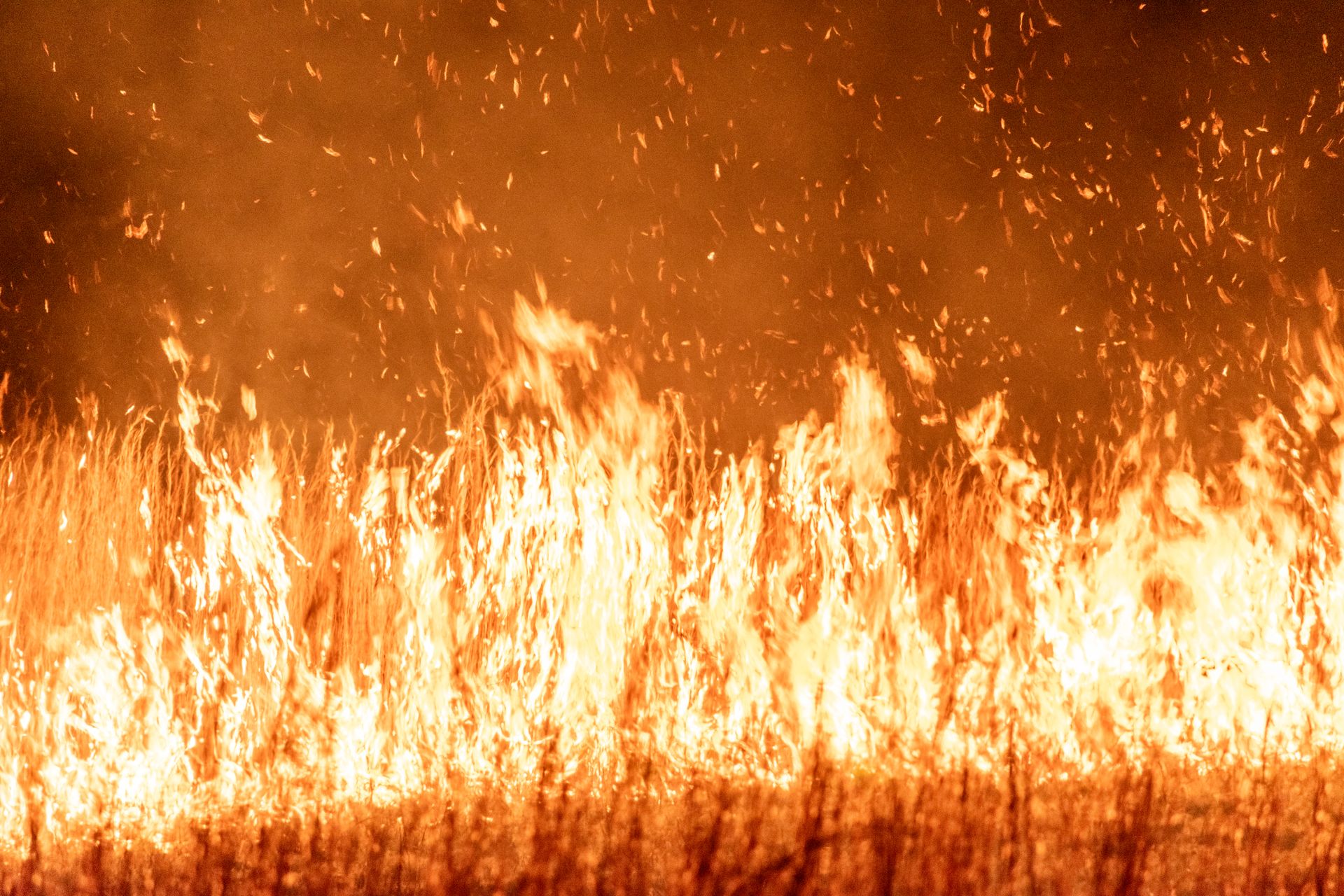
Modern wildfire science has increasingly recognized that many forests evolved with regular, low-intensity fires. These natural burns remove dead vegetation, recycle nutrients, and reduce the buildup of fuels that can feed much larger blazes. Decades of aggressively extinguishing nearly every fire have allowed forests in many regions to become denser, leaving more combustible material when extreme fire weather arrives.
The Fire Paradox Driving the Debate
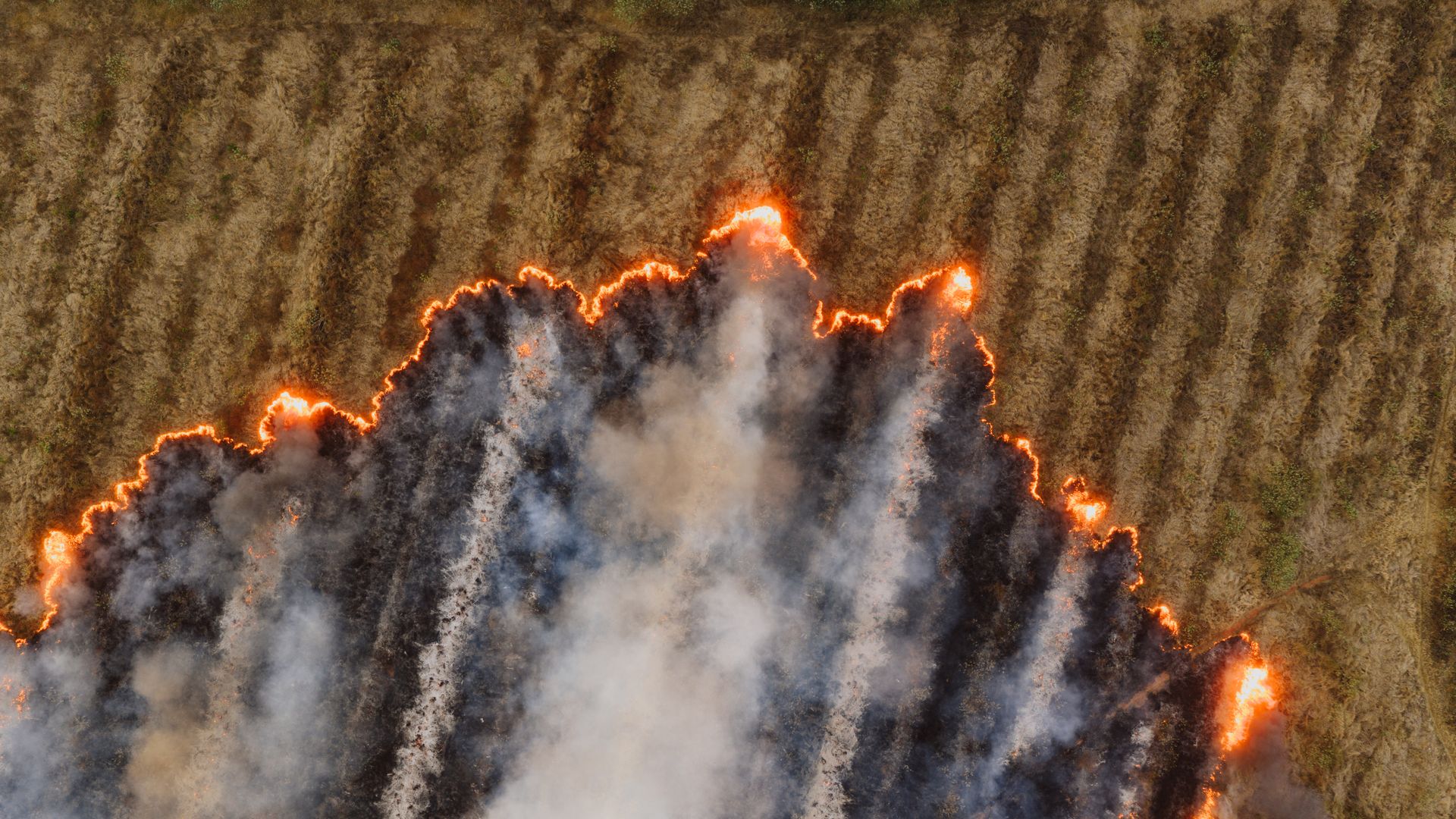
Critics point to what researchers often call the “fire paradox.” Former U.S. Forest Service wildfire researcher David Calkin argues that successfully eliminating frequent fires allows fuel to accumulate, making future fires larger and more difficult to control. Retired Forest Service fire director Michael Dudley similarly says the old suppression policies contributed to today’s overgrown forests because natural fuel reduction rarely occurred.
Climate Change Has Changed the Equation
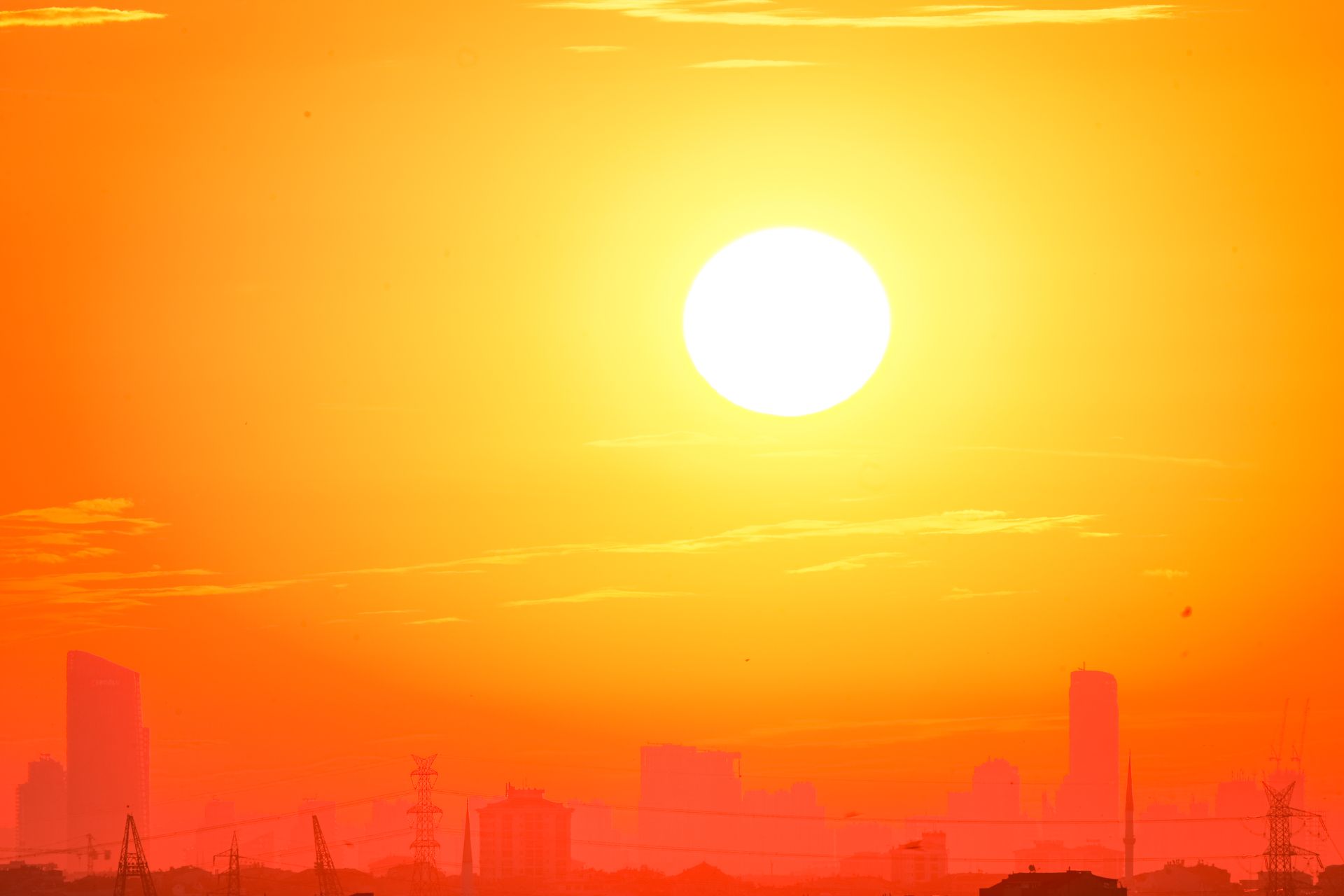
The debate is unfolding as climate change intensifies wildfire conditions across much of the United States. Hotter temperatures, prolonged drought, longer fire seasons, and drying vegetation have increased wildfire growth rates while making many fires spread faster and burn more intensely. According to climate research, fire seasons now last roughly a month longer in parts of the country than they did several decades ago, and the average peak wildfire growth rate nearly doubled between 2001 and 2020.
Supporters Say Fast Response Still Saves Lives
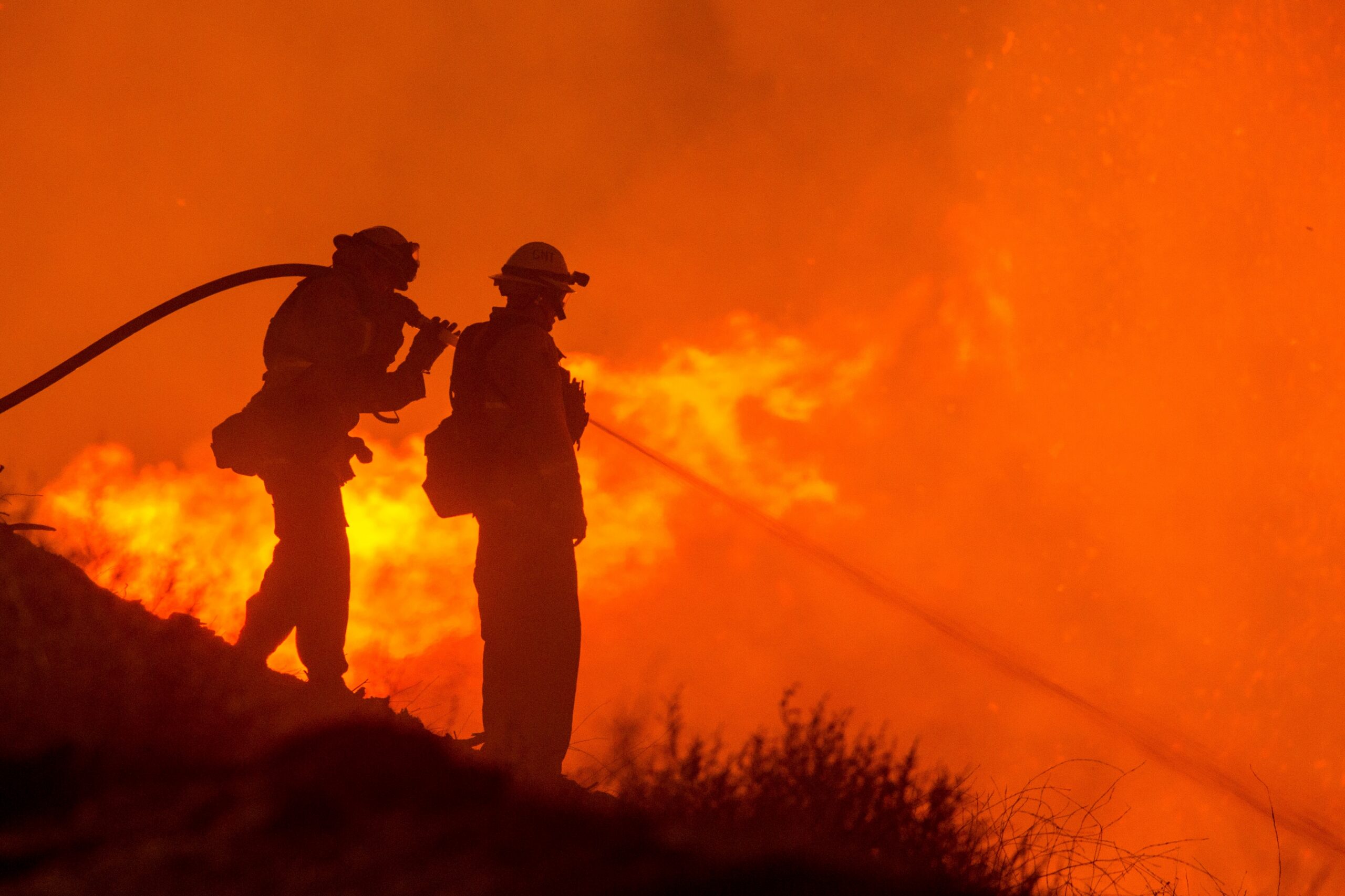
Administration officials argue that rapid suppression remains essential whenever communities or infrastructure are threatened. Faster deployment of firefighting aircraft and coordinated federal resources can reduce damage during fast-moving incidents, particularly where homes are at immediate risk. The policy also reflects a belief that every potentially dangerous fire deserves an aggressive initial response before it has an opportunity to grow into a large disaster.
Critics Question Whether Every Fire Should Be Fought
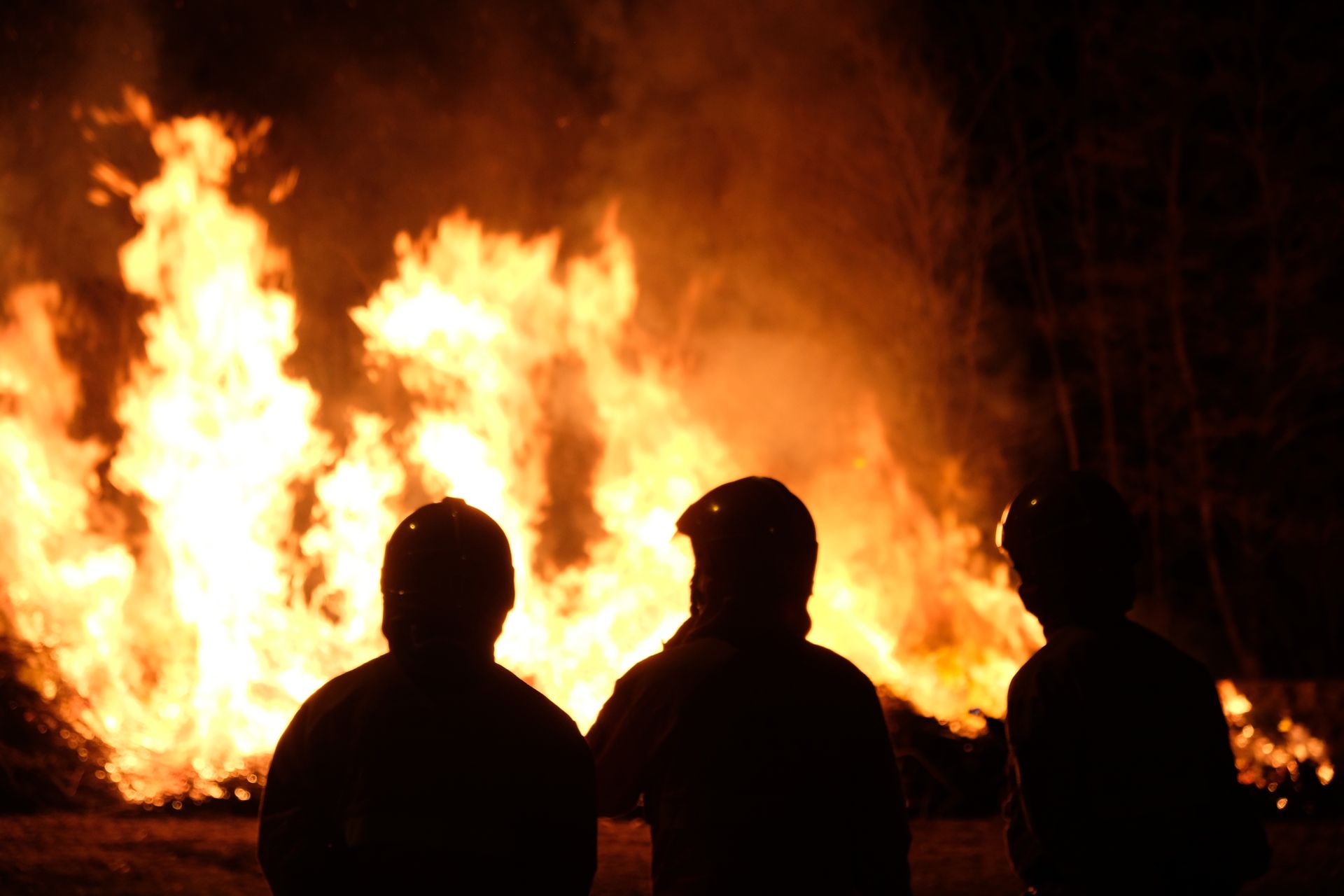
Some former fire managers argue that blanket suppression overlooks important differences between fires. Timothy Ingalsbee, a former federal firefighter and co-founder of Firefighters United for Safety, Ethics and Ecology, questioned whether every remote wildfire justifies placing crews in hazardous situations, particularly when no communities are immediately threatened. Steve Ellis, a former Bureau of Land Management deputy director, also argues that separating wildfire suppression from broader forest management could ultimately increase risks to both firefighters and nearby communities.
Firefighters Face More Than Flames
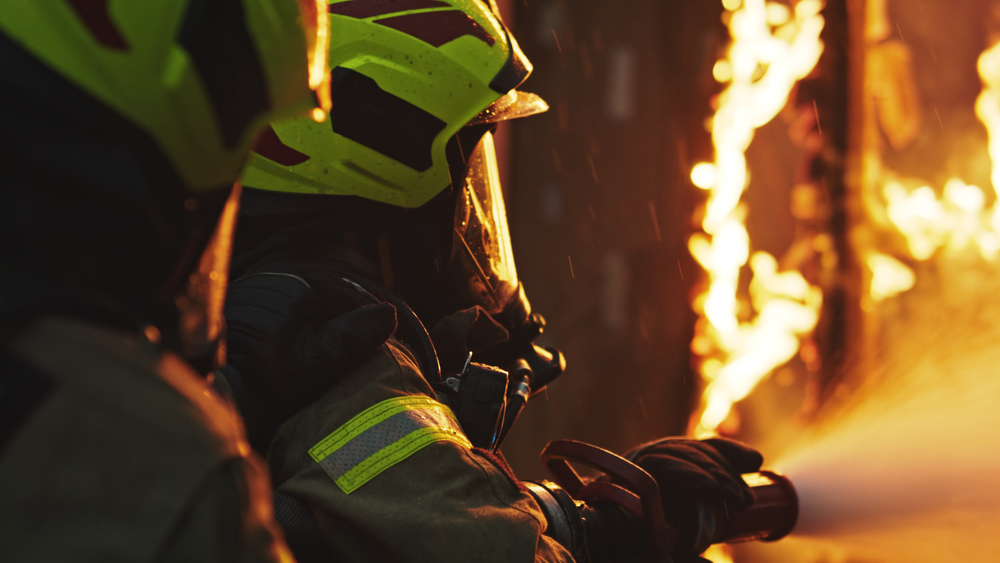
The policy debate comes as firefighter safety receives renewed attention following the deaths of three federal firefighters in Colorado. At the same time, the U.S. Wildland Fire Service has introduced new health protections, including expanded authorization for N95 respirators, standardized decontamination procedures, and clean-air recovery periods designed to reduce long-term smoke exposure. Officials say protecting firefighters’ health is essential as increasingly severe fire seasons expose crews to greater occupational risks.
Most Experts Favor a Balanced Approach
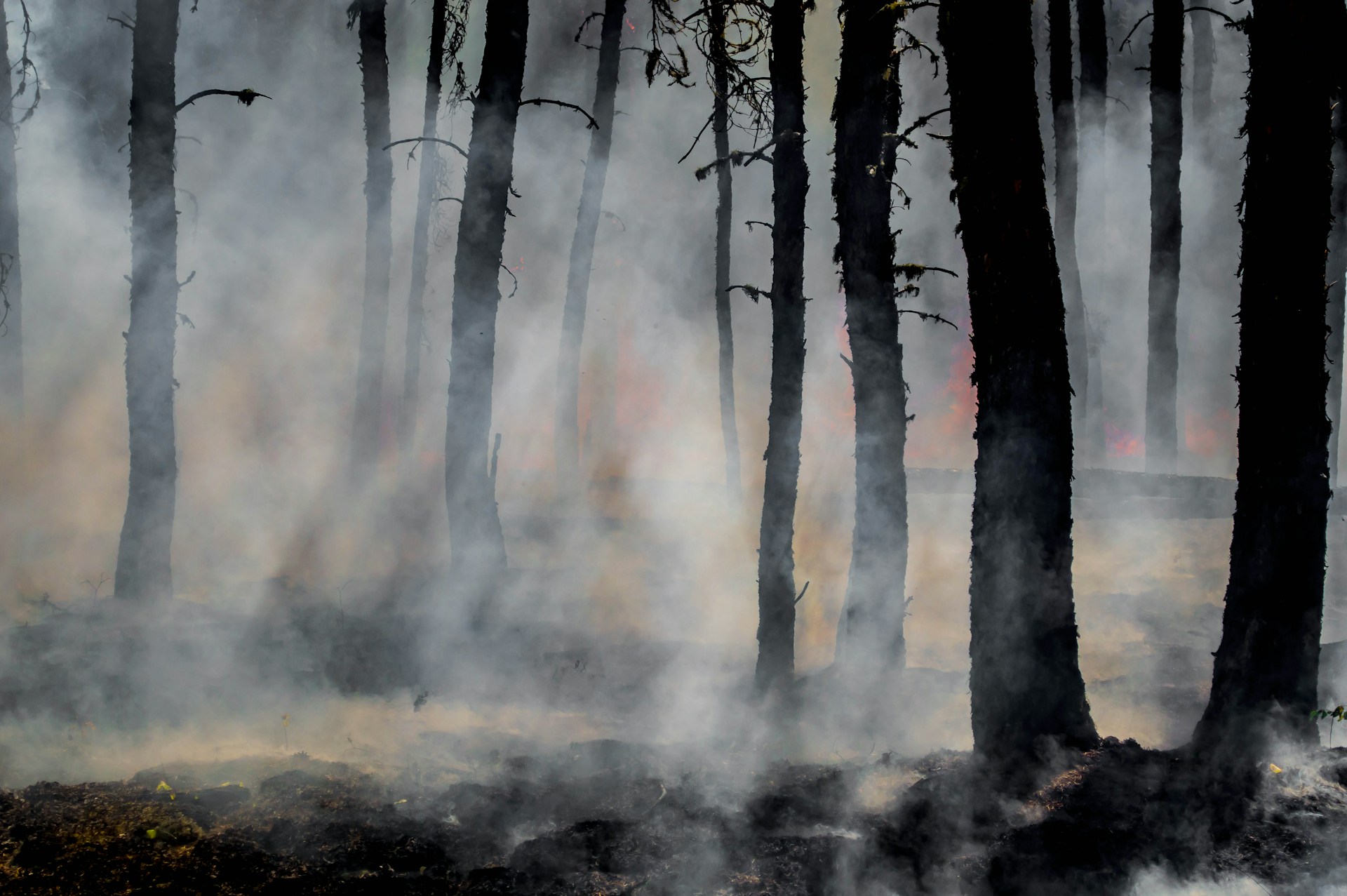
Many wildfire specialists argue that suppression alone cannot solve today’s fire challenges. The Government Accountability Office identifies prescribed burning, forest thinning, firefighter recruitment, and community resilience as critical parts of modern wildfire management. Other climate and forestry organizations likewise recommend combining strategic fuel reduction, prescribed fire, smarter development near fire-prone landscapes, and Indigenous cultural burning practices alongside aggressive firefighting when lives and property are threatened.
The Long-Term Test Begins Now
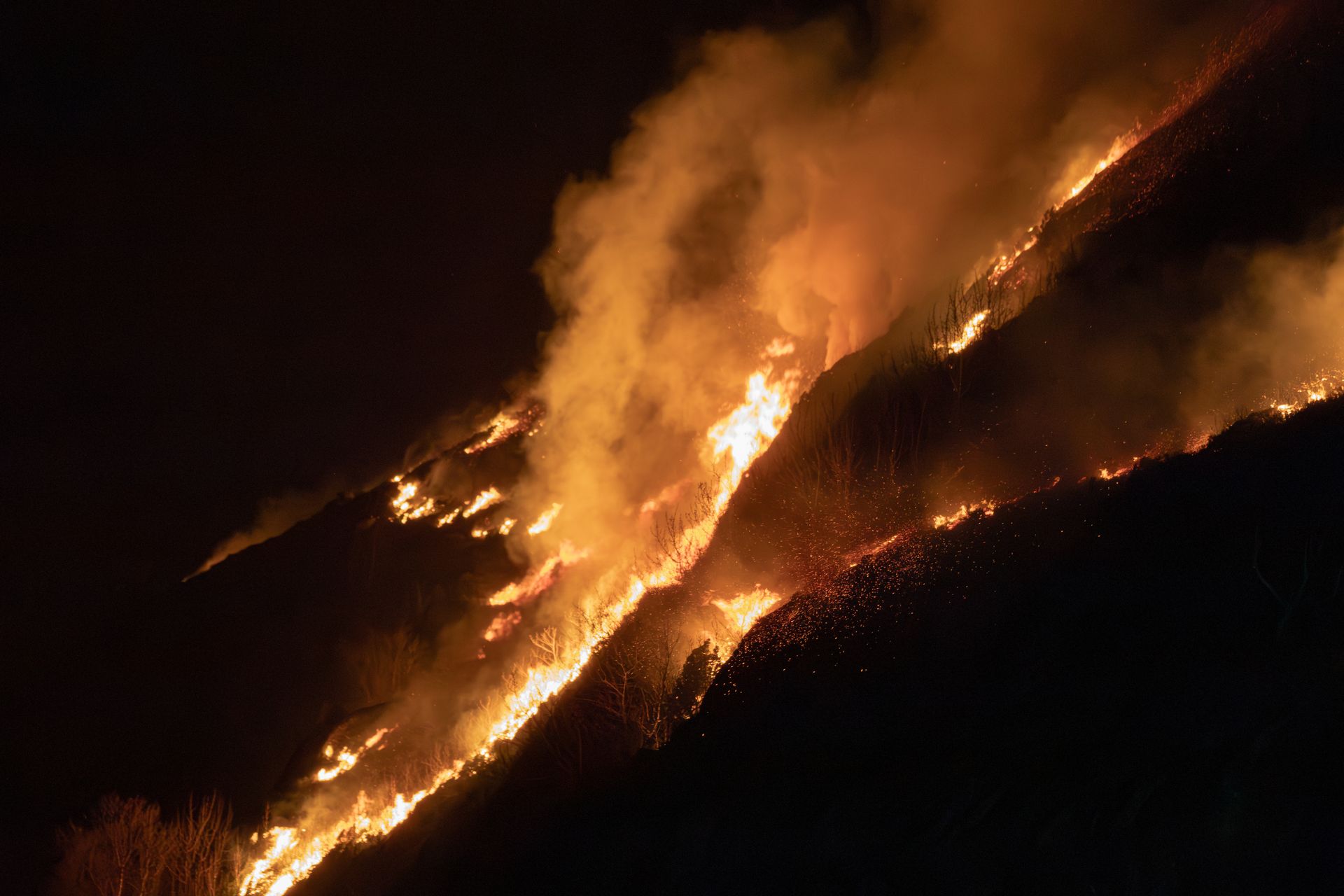
The new federal policy will be judged not simply by how many fires are extinguished this season, but by whether it reduces future wildfire losses without recreating the fuel conditions that scientists say contributed to today’s megafires. As climate change continues to lengthen fire seasons and communities expand into fire-prone landscapes, the challenge facing policymakers is no longer whether fires should be fought, but determining which fires should be stopped immediately and which are better managed as part of healthier, more resilient forests.