The American West Is Entering a Longer, More Destructive Wildfire Era
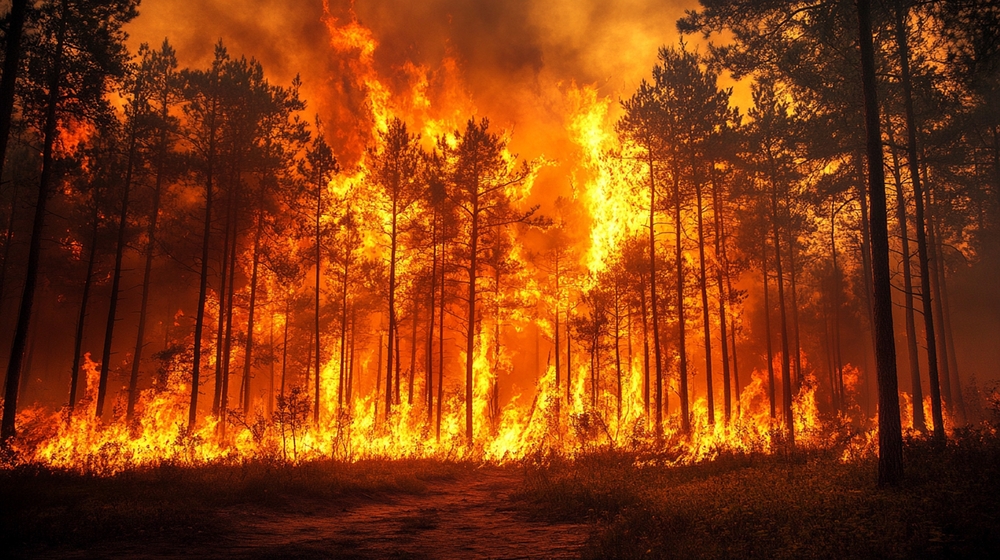

Across the American West, wildfires are erupting weeks earlier than many communities expect. Massive blazes have already consumed hundreds of thousands of acres, forced evacuations, destroyed homes, and claimed firefighters’ lives before the traditional peak of fire season. Scientists say this year’s fires are not simply a bad start to summer. They reflect a broader shift that is making wildfire seasons longer, more intense, and increasingly difficult to control.
An Unusually Dry Winter Set The Stage
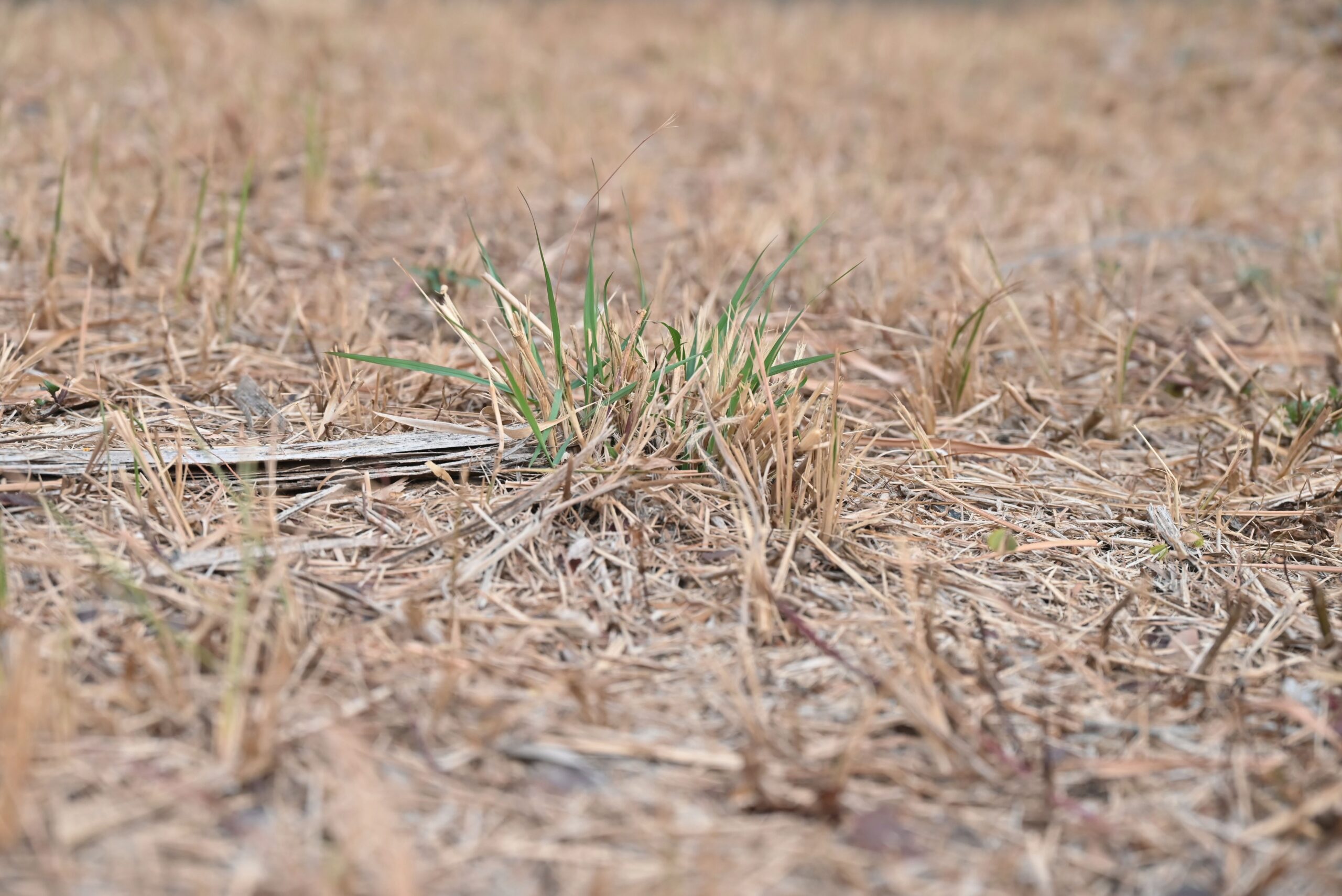
Experts say the current wildfire surge began months before the first flames appeared. Much of the West experienced an exceptionally warm, dry winter with record or near-record low snowpack. The limited snow that did fall melted quickly during unusually warm conditions, leaving soils, forests, and grasslands far drier than normal entering summer. Those conditions created abundant fuel for fires long before temperatures reached their seasonal highs.
Extreme Fire Weather Is Becoming More Common

The fires are being driven by what experts call “extreme fire weather,” a combination of hot temperatures, very low humidity, drought, and powerful winds. During late June, parts of Utah, Colorado, Arizona, and New Mexico were placed under the highest level of fire weather risk, with wind gusts reaching 55 mph and humidity falling into the single digits. Under those conditions, even small fires can spread rapidly and behave unpredictably.
Utah And Colorado Show How Quickly Fires Can Explode
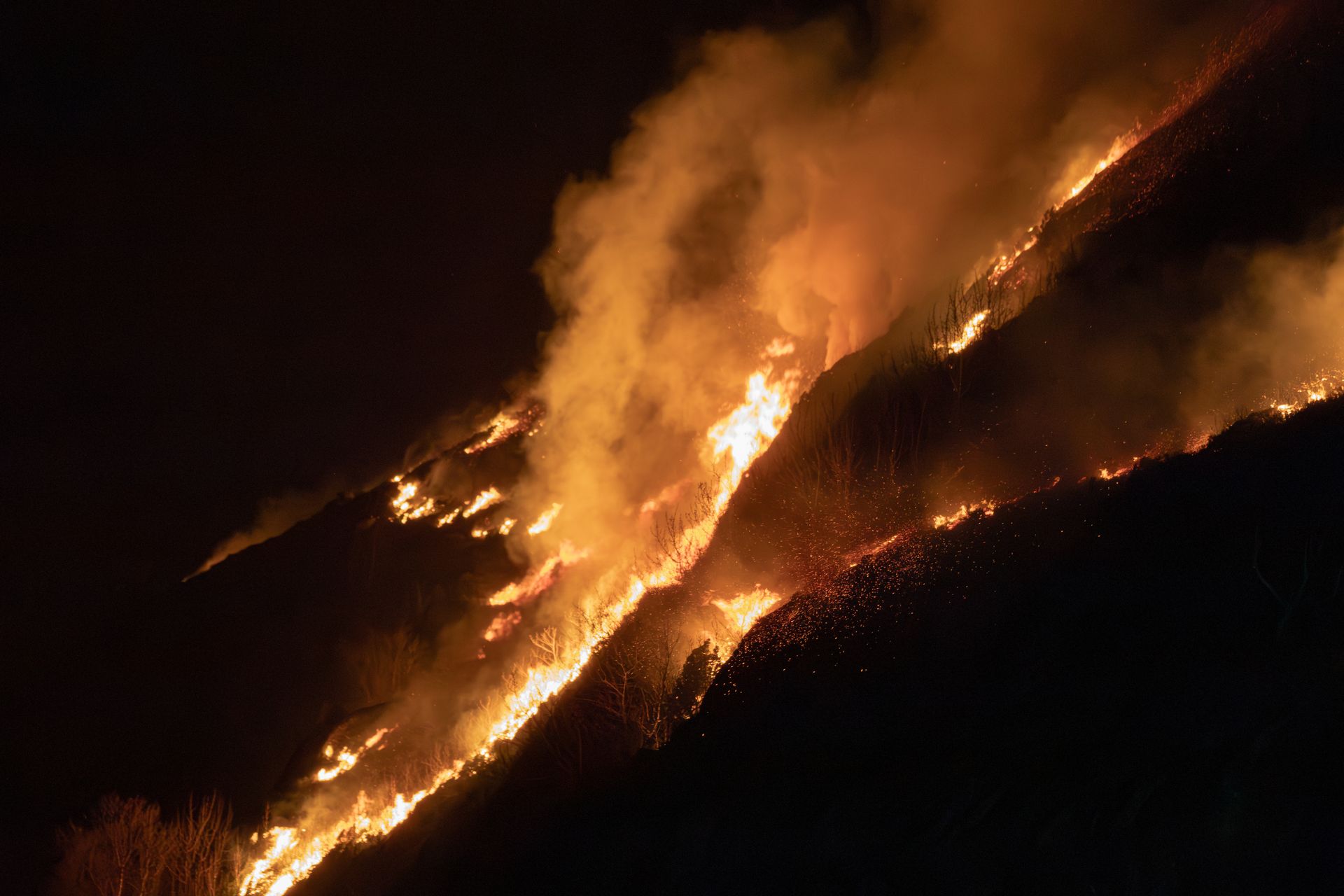
Some of the year’s largest fires illustrate just how fast conditions can deteriorate. Utah’s Cottonwood Fire expanded to nearly 94,000 acres while destroying an estimated 150 structures, becoming one of the nation’s largest active wildfires. In Colorado, the Aspen Acres Fire spread across tens of thousands of acres within hours as winds reportedly approached 100 mph, forcing mandatory evacuations across several communities.
The Human Cost Extends Far Beyond Evacuations
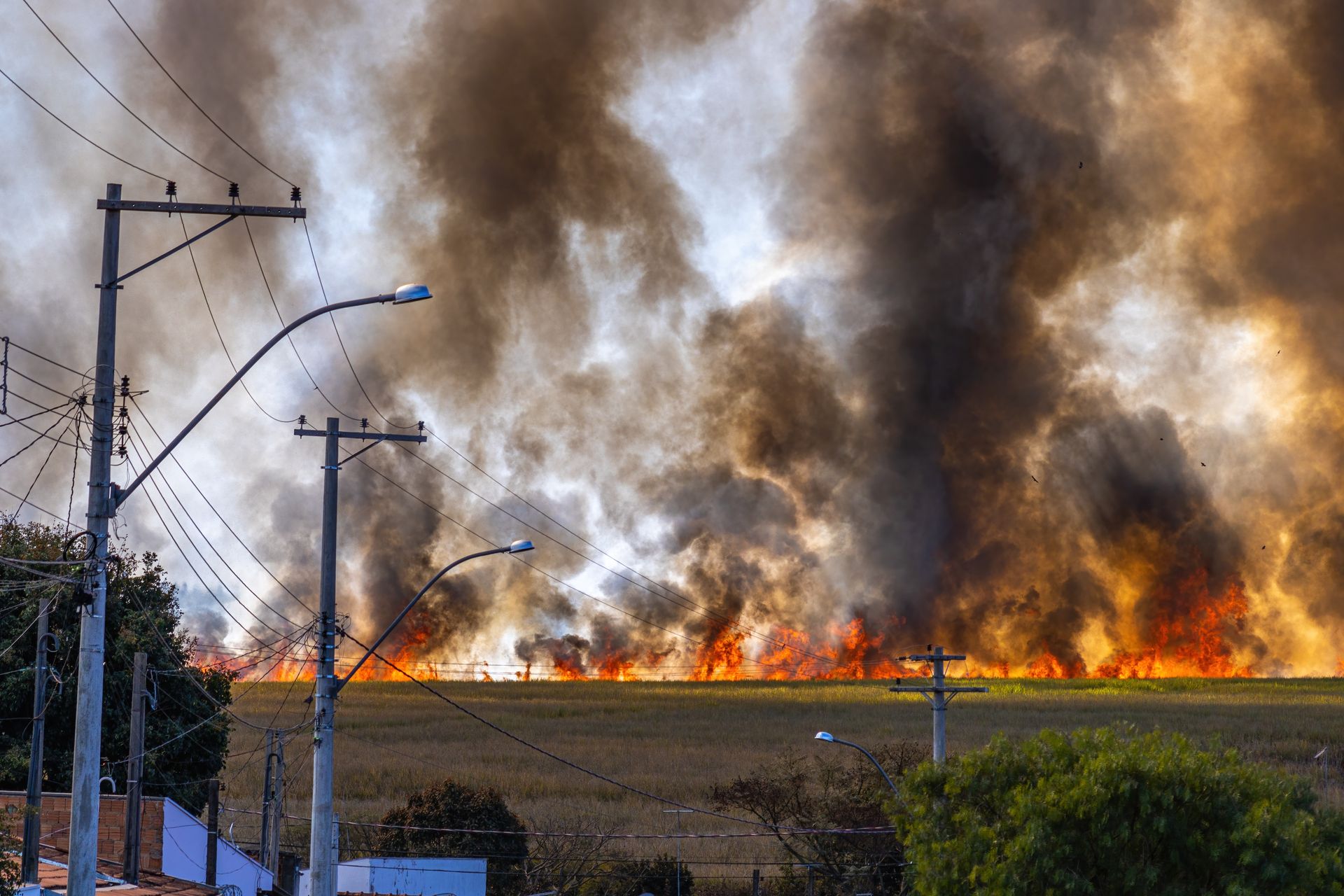
Wildfires are affecting more than forests and homes. In Utah, ranchers have reported dead and missing cattle after grazing land was consumed by flames. State agriculture officials warned that replacing livestock can take years because raising replacement cattle is expensive and time-consuming, especially as drought has already reduced available pasture and driven feed costs higher.
Firefighters Face Growing Risks
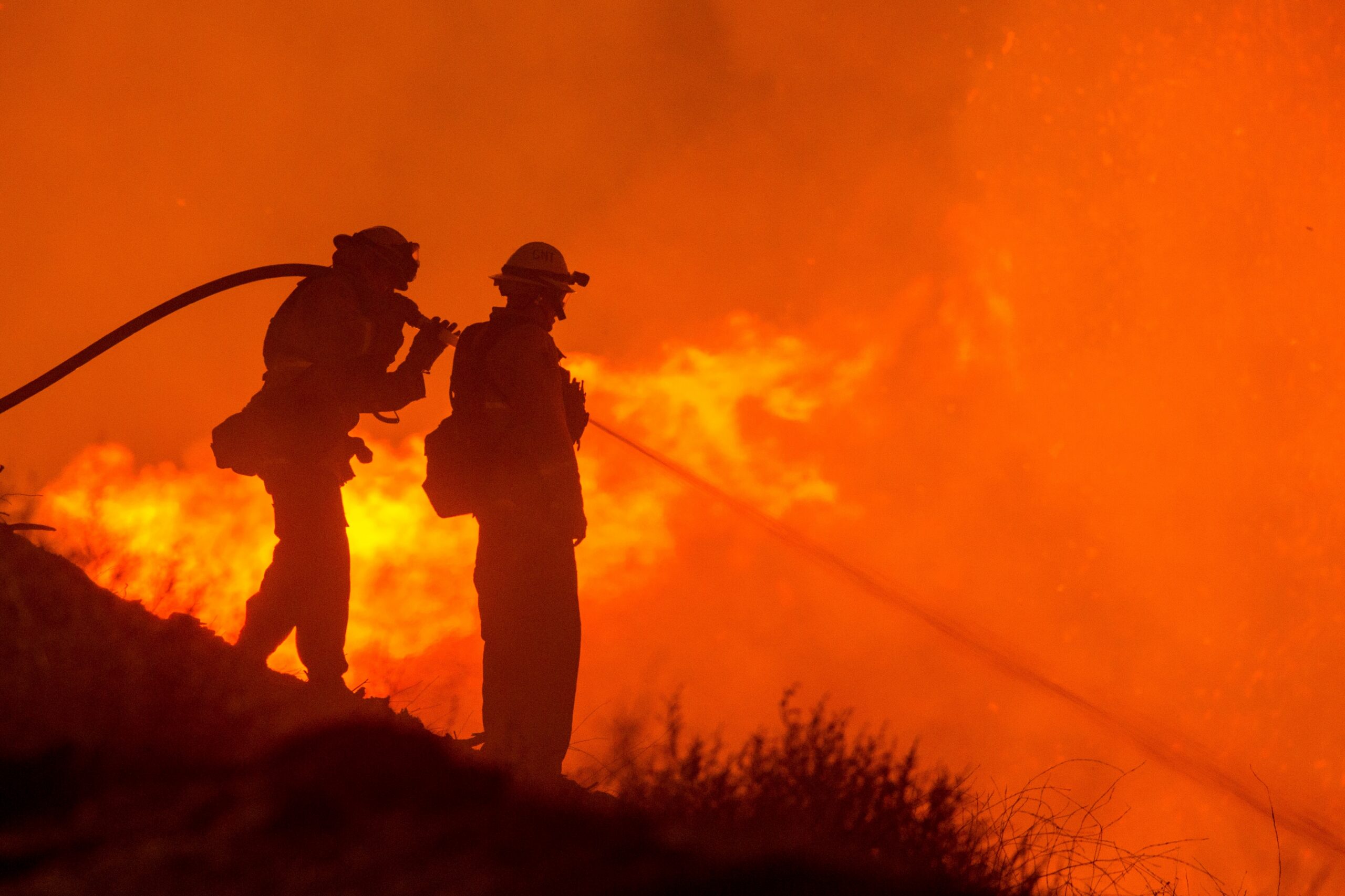
The increasingly volatile conditions are also making firefighting more dangerous. On June 27, five federal firefighters were caught in a burnover while battling fires near the Colorado-Utah border. Three died and two others suffered burn injuries after deploying emergency fire shelters. At the same time, the National Interagency Fire Center raised the nation’s preparedness level to one step below its highest designation as thousands of personnel were assigned to simultaneous fires across the West.
Research Shows Heat Waves Are Making Fires Worse
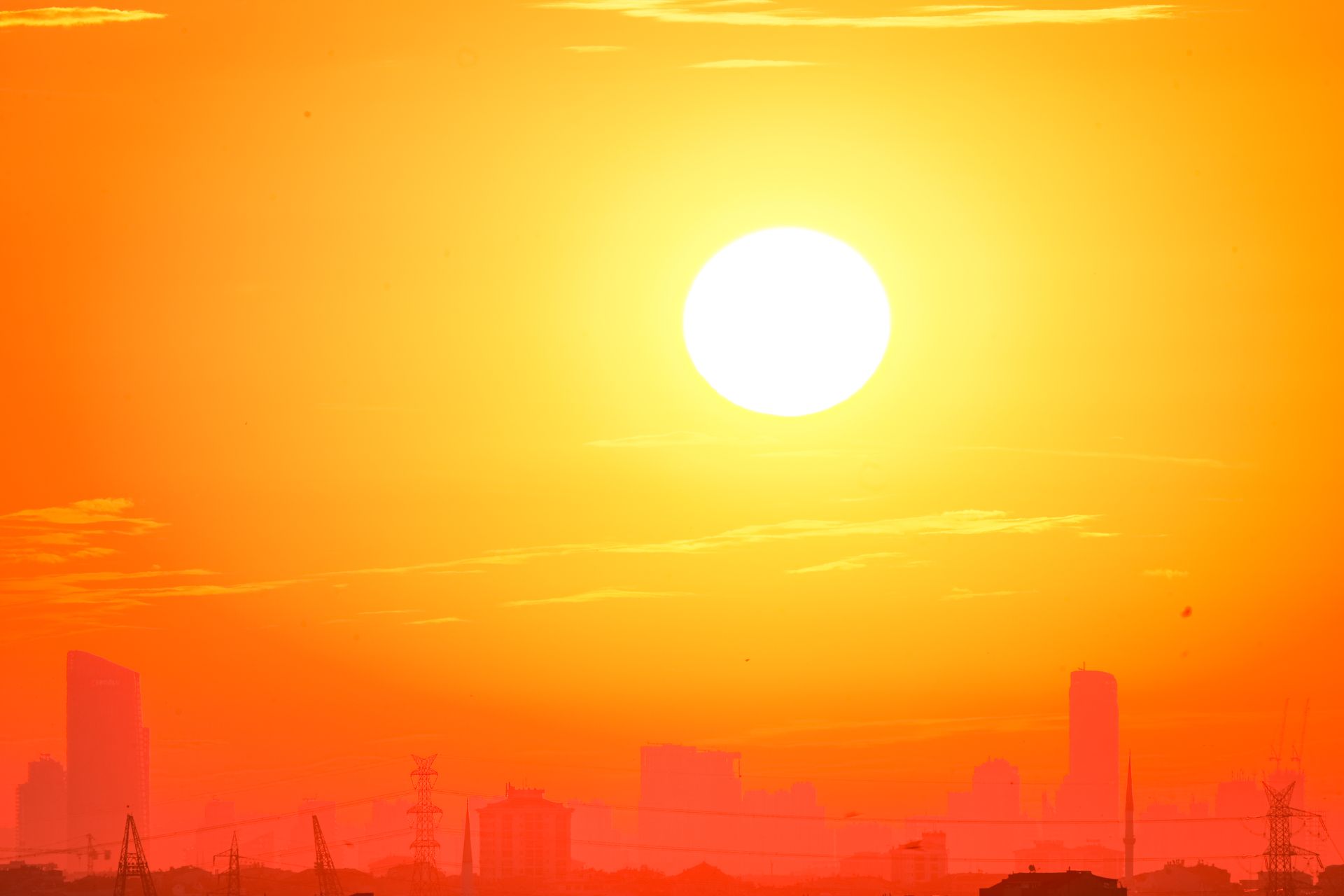
Recent scientific research suggests that prolonged heat plays an increasingly important role in wildfire behavior. A study examining fires between 2001 and 2024 found that nearly half of the area burned in the western United States occurred during or immediately after heat waves. Fires also burned more than 50 percent more land per day during heat waves than during cooler periods, partly because warmer nights prevent vegetation from recovering moisture.
Human Activity Still Starts Most Wildfires

Although weather creates the conditions for rapid fire growth, many fires still begin with people. According to experts cited by Inside Climate News, humans are responsible for nearly 85 percent of wildland fires nationwide. Fireworks around Independence Day remain a particular concern because research shows July 4 consistently produces nearly twice as many wildfires in the West as almost any other day of the year. In response, Utah imposed statewide fireworks restrictions in many areas to reduce ignition risks.
Why Experts Believe This Is The New Normal
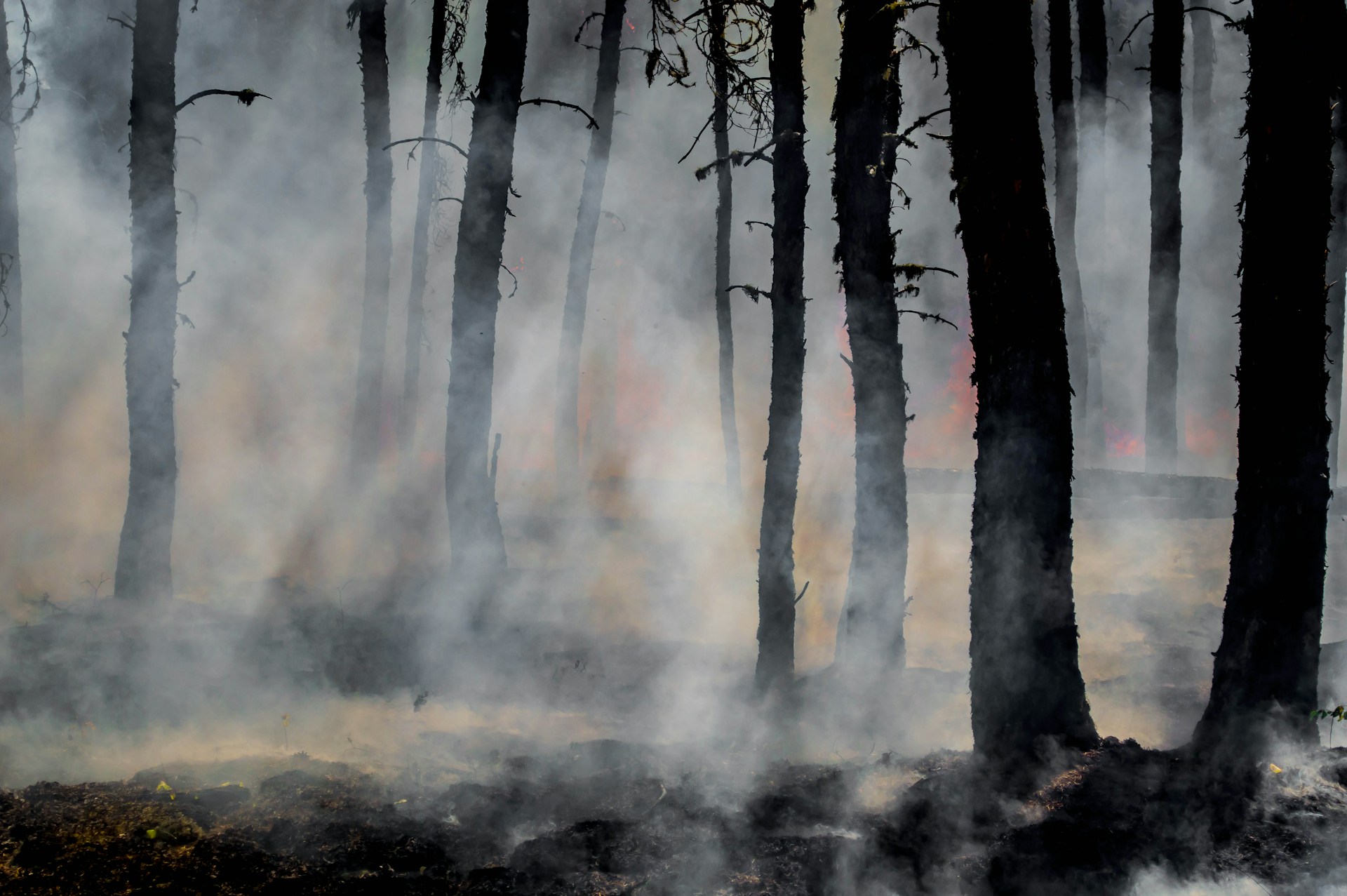
Scientists increasingly view these fires as part of a changing wildfire landscape rather than isolated disasters. Repeated years of drought, shrinking snowpack, hotter temperatures, and longer dry seasons are extending the window during which fires can ignite and spread. Even periods of cooler weather offer only temporary relief when vegetation remains critically dry across large portions of the region.
What The Rest Of The Season Could Bring
The most destructive weeks of western wildfire season have often arrived in late summer, but this year’s early outbreaks suggest communities may face months of elevated risk. Emergency managers continue to monitor forecasts for heat, wind, and drought while urging residents to follow evacuation orders, observe fire restrictions, and avoid activities that could ignite new blazes. If current weather patterns persist, the fires already burning across the West may prove to be the beginning of a much longer and more destructive wildfire season.