Returning to the US as a Green Card Holder Just Got More Complicated, Attorneys Warn


Imagine landing at JFK after a family trip abroad, only to have your green card taken away on the spot. That nightmare just got more likely. The Supreme Court ruled 6-3 that border agents no longer need strong proof before treating a returning green card holder as someone applying for entry rather than coming home. Attorneys say the decision could upend how millions of lawful permanent residents experience international travel.
The Case That Started It All

The ruling centers on Muk Choi Lau, a Chinese citizen who became a U.S. green card holder in 2007. In 2012, New Jersey police accused him of selling counterfeit Coogi shorts. Lau then visited China. When he returned to JFK, border agents flagged his pending charge and denied him automatic reentry, placing him on immigration parole and seizing his green card instead.
Why “Reason to Believe” Matters So Much
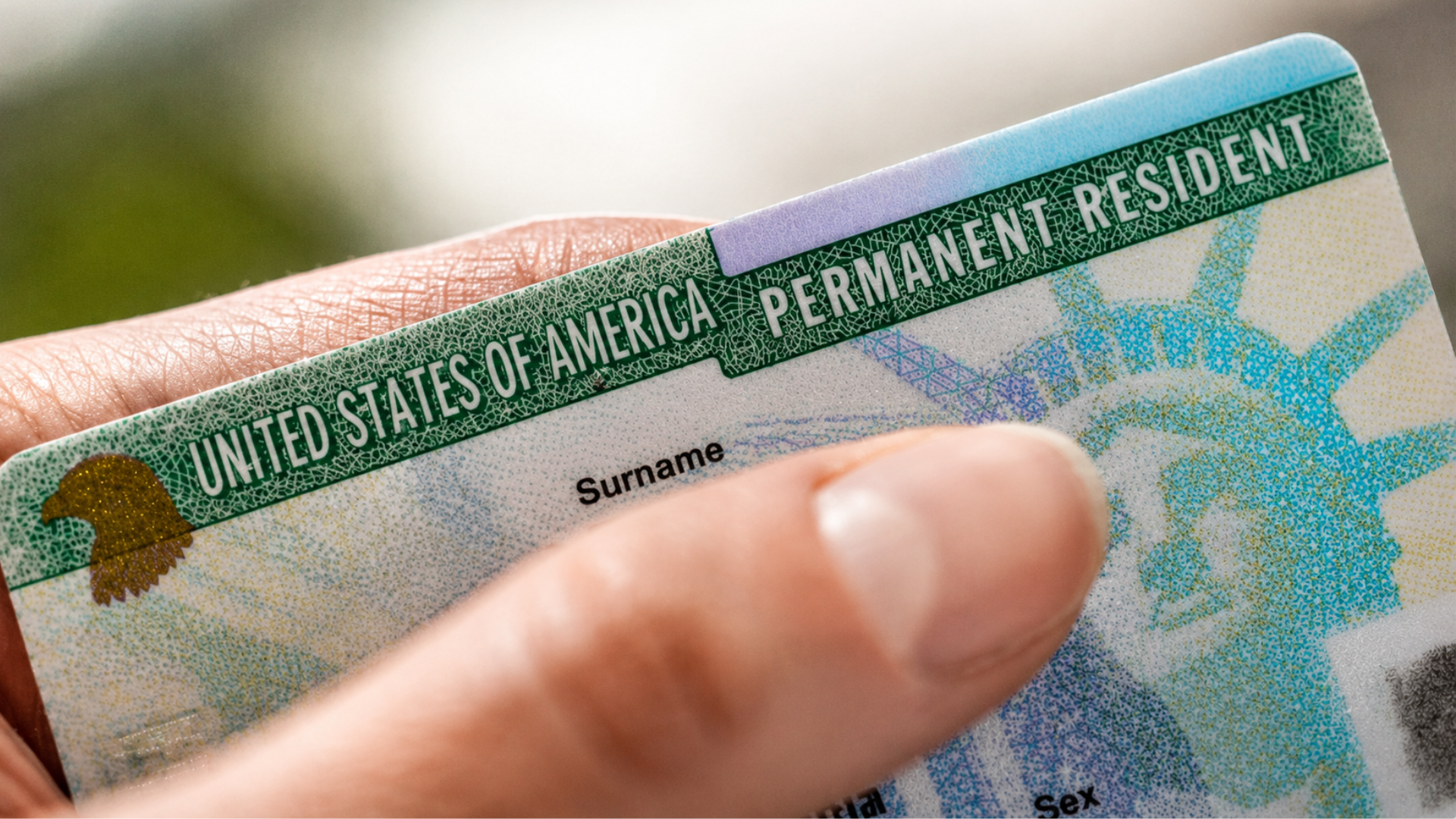
At the heart of the case sits one legal phrase. Lower courts had required officers to show “clear and convincing evidence” before reclassifying a returning resident as an applicant for admission. The Supreme Court rejected that standard. Justice Clarence Thomas, writing for the majority, said the Immigration and Nationality Act only requires a “reason to believe” a disqualifying offense occurred, according to the ABC News coverage of the decision.
A Lower Bar With Big Consequences

The shift sounds technical, but it flips who must prove what. When officials admit a green card holder as a returning resident, the government bears the burden of proving deportability later. Once someone is reclassified as an applicant for admission, that person often must prove their own eligibility to stay instead. Attorneys say officials can also confiscate a green card while the case unfolds, leaving travelers in legal limbo.
What Counts as a Disqualifying Crime

The case turns on whether Lau’s offense counts as a “crime involving moral turpitude,” a fuzzy legal term covering conduct like fraud, theft, forgery, or perjury. Congress never wrote a clear definition, so courts decide case by case. A finding like this can block admission, trigger removal proceedings, and cut off eligibility for immigration benefits, making the label far more than a technicality for travelers.
Attorneys Warn of Wider Fallout

Immigration lawyer Dobrina M. Ustun told Newsweek the ruling could expose green card holders to “serious immigration consequences before their criminal case is even resolved,” calling that hard to square with the presumption of innocence. She urged anyone with pending charges or old convictions to consult a lawyer before booking international travel, since even minor or decades-old offenses could now resurface at the border.
A Law Professor’s Blunt Assessment

Pace University law professor Bennett Gershman called the decision “a huge enlargement of the border authorities’ ability to stop lawful immigrants from coming into the country.” He said officers now hold sweeping power “to stop them, to question them, to detain them.” Gershman warned that permanent residents traveling abroad need to understand their rights have shifted before they board a flight home. But not everyone sees the ruling as alarming.
Supporters Say This Restores Congress’s Intent
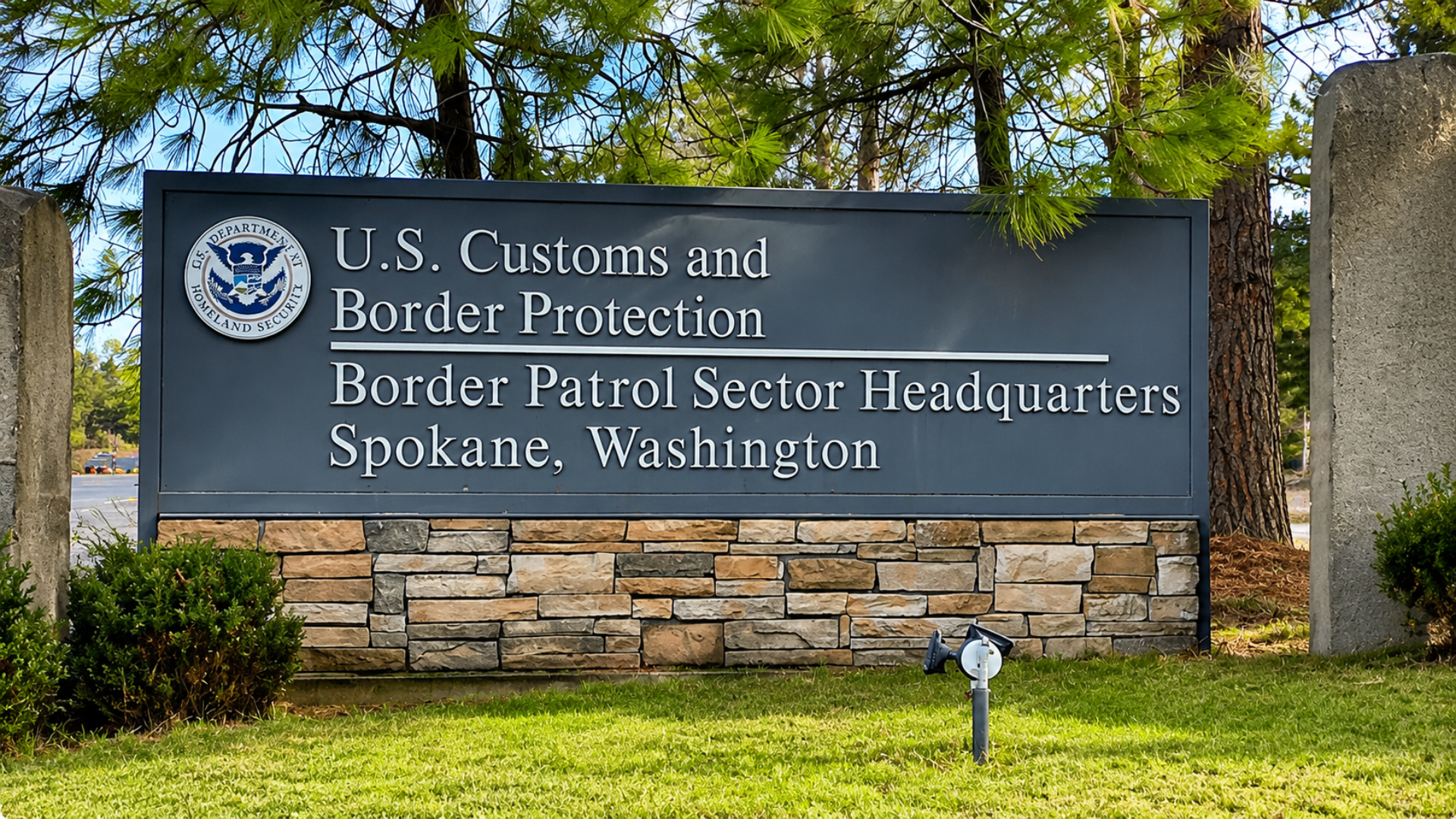
The Justice Department argued border checks should function as fast screenings, not courtroom trials, and that requiring strong evidence on the spot ties officers’ hands. Conservative legal groups, including analysts at the Heritage Foundation, have long argued green card status is conditional rather than an unconditional right of reentry, and that officers deserve room to act on credible suspicion.
A Dissent Warns of a “Blank Check”

Justice Ketanji Brown Jackson dissented sharply, joined by Justices Sotomayor and Kagan. “I worry that the Court has now handed the Government a massive blank check,” she wrote, according to the American Immigration Council’s analysis of the opinion. Jackson argued officers could now flag travelers based on mere allegations and only justify the move later if a conviction eventually follows, leaving people stuck in uncertain status for years.
What Travelers Should Take Away Now

The ruling does not strip anyone’s green card automatically, and Lau’s own case still awaits a final answer from the Second Circuit on whether his conviction truly counts as a disqualifying crime. But the legal ground has shifted. Green card holders with pending charges, old convictions, or long absences abroad now face a border system built on suspicion rather than proof, and the burden of clearing their name falls more heavily on them.