California Fault Lines Reached a Interconnected Stress Peak After a 1,000-Year Buildup

When the ground shook Venezuela last week, the destruction looked sudden and senseless. Nothing about California’s faults feels sudden at all. Scientists have tracked stress building along the San Andreas and San Jacinto faults for a thousand years, slowly inching toward a breaking point most residents never see. That long, invisible buildup now sits at levels unmatched in a millennium. The quiet has a cost, and the bill may be closer than anyone wants to admit.
A Hundred-Year Quiet Hides a Bigger Threat

Southern California’s two biggest faults have gone quiet for more than a hundred years, and that silence is the problem. The San Andreas and San Jacinto faults run close together near the Cajon Pass, a narrow stretch of crust north of Los Angeles. Neither fault has produced a major earthquake near the city in over a century. Stress does not vanish during a quiet stretch. It accumulates, waiting for the moment friction finally loses.
The Cajon Pass Acts Like a Gate, and Gates Can Swing Open
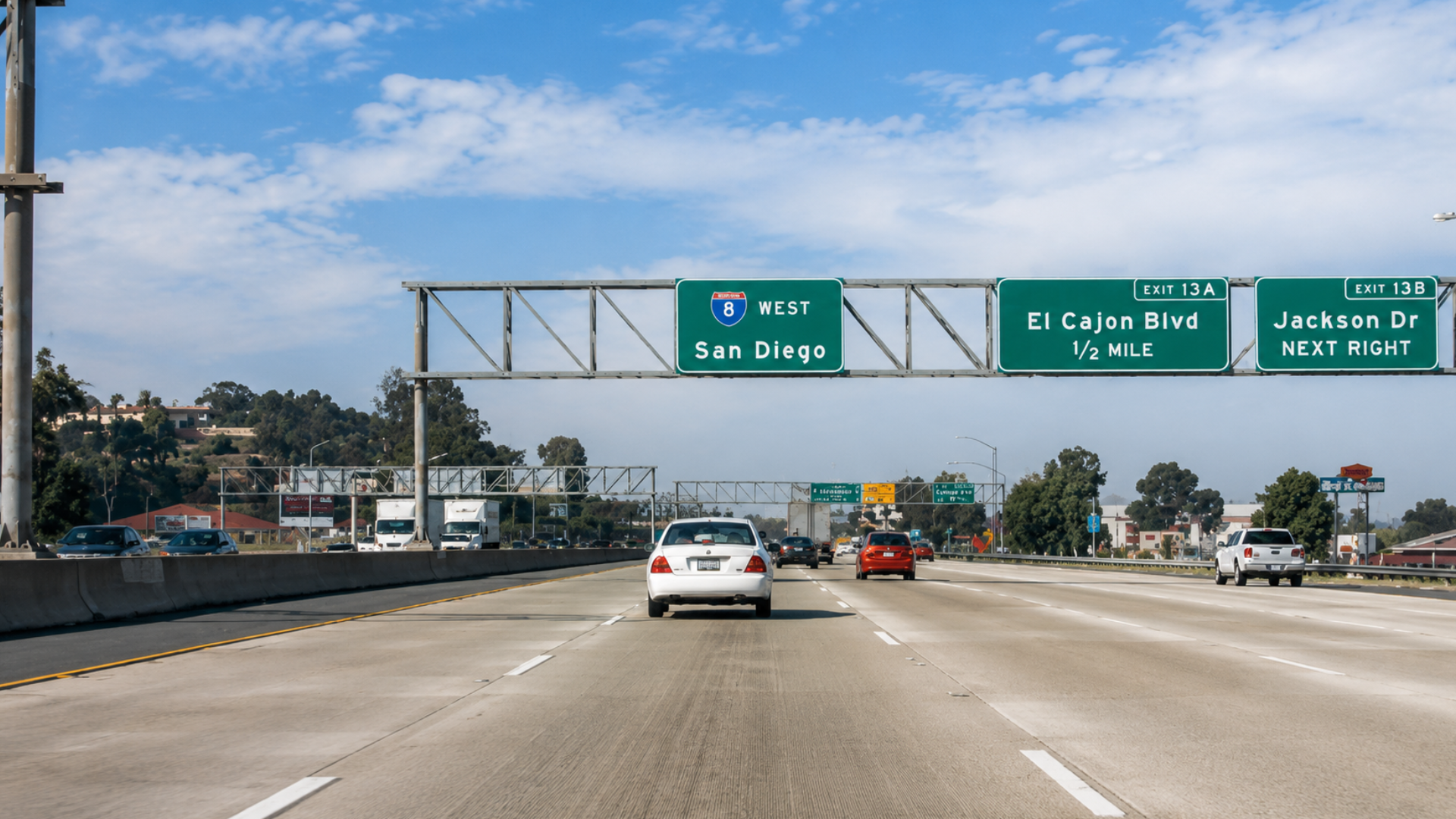
The Cajon Pass works like a gate between two fault systems. Gates do not always stay shut. Researchers describe the pass as a junction that sometimes halts a rupture on one fault and sometimes lets it jump to the other. A break near this corridor would strike critical infrastructure serving Los Angeles, including major highways, rail lines, and energy corridors. Whether that gate holds or opens may depend on conditions scientists are only beginning to map.
A Single Crack Eight Hundred Miles Long Defines the West
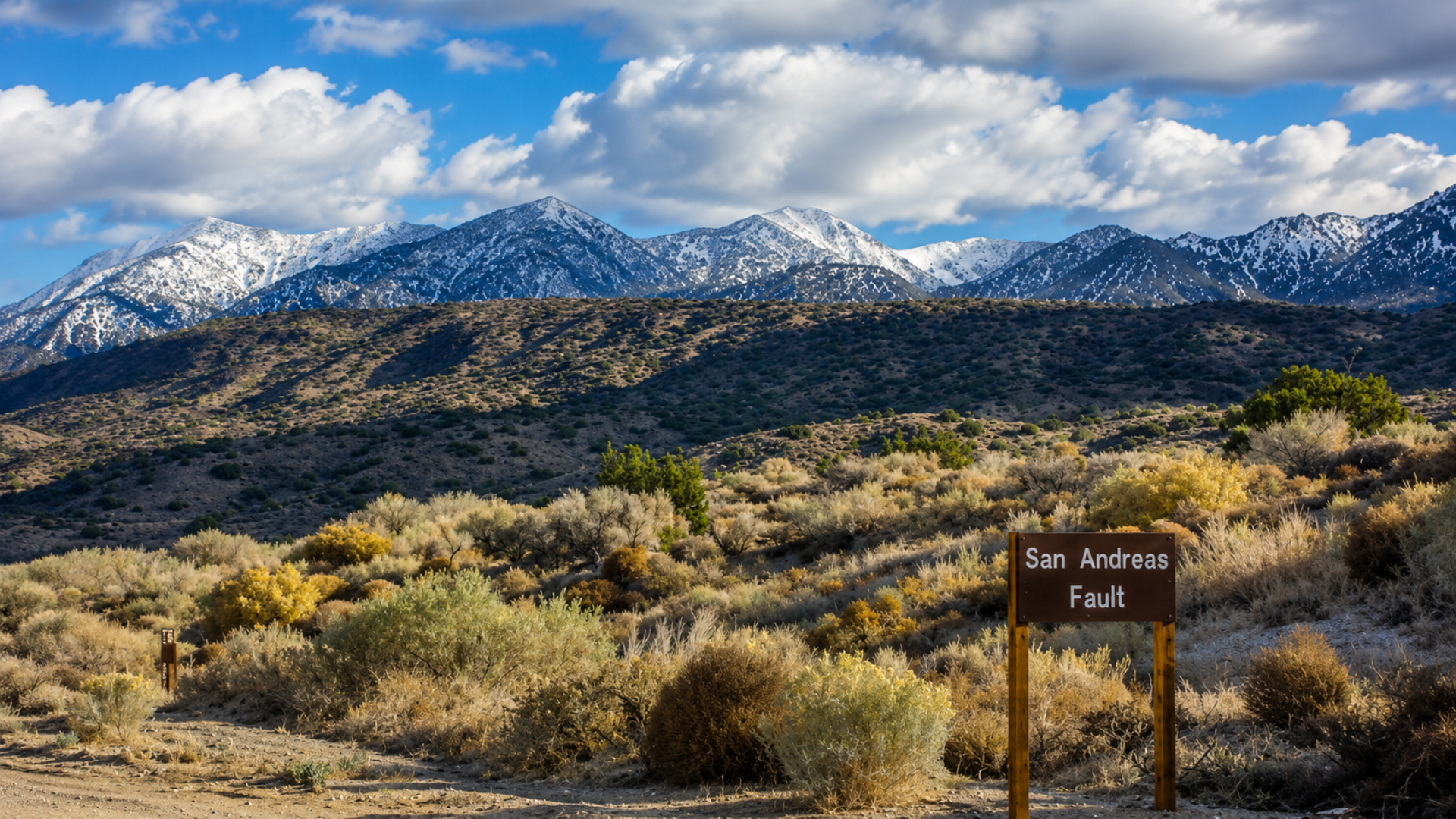
The San Andreas Fault is not a quiet line in the desert. It is an 800-mile crack that defines how the West Coast moves. The Pacific Plate, carrying western California, creeps northwest while the North American Plate pushes southeast, and the two plates grind past each other along this boundary. That sideways motion locks the fault for decades at a time. Eventually friction loses, and the built-up energy has to go somewhere.
Computers Replayed a Thousand Years of Earthquakes to Find This Moment

A computer model rebuilt a thousand years of earthquake history. It found where today’s stress truly stands. Scientists simulated rupture after rupture across centuries to track how strain shifts between fault segments. The result: stress on parts of the San Andreas and San Jacinto faults now matches or exceeds anything in that thousand-year record. For someone near Los Angeles, that means the ground under daily routines carries more pressure than it has in a millennium.
The Scientist Behind the Study Has a Blunt Warning
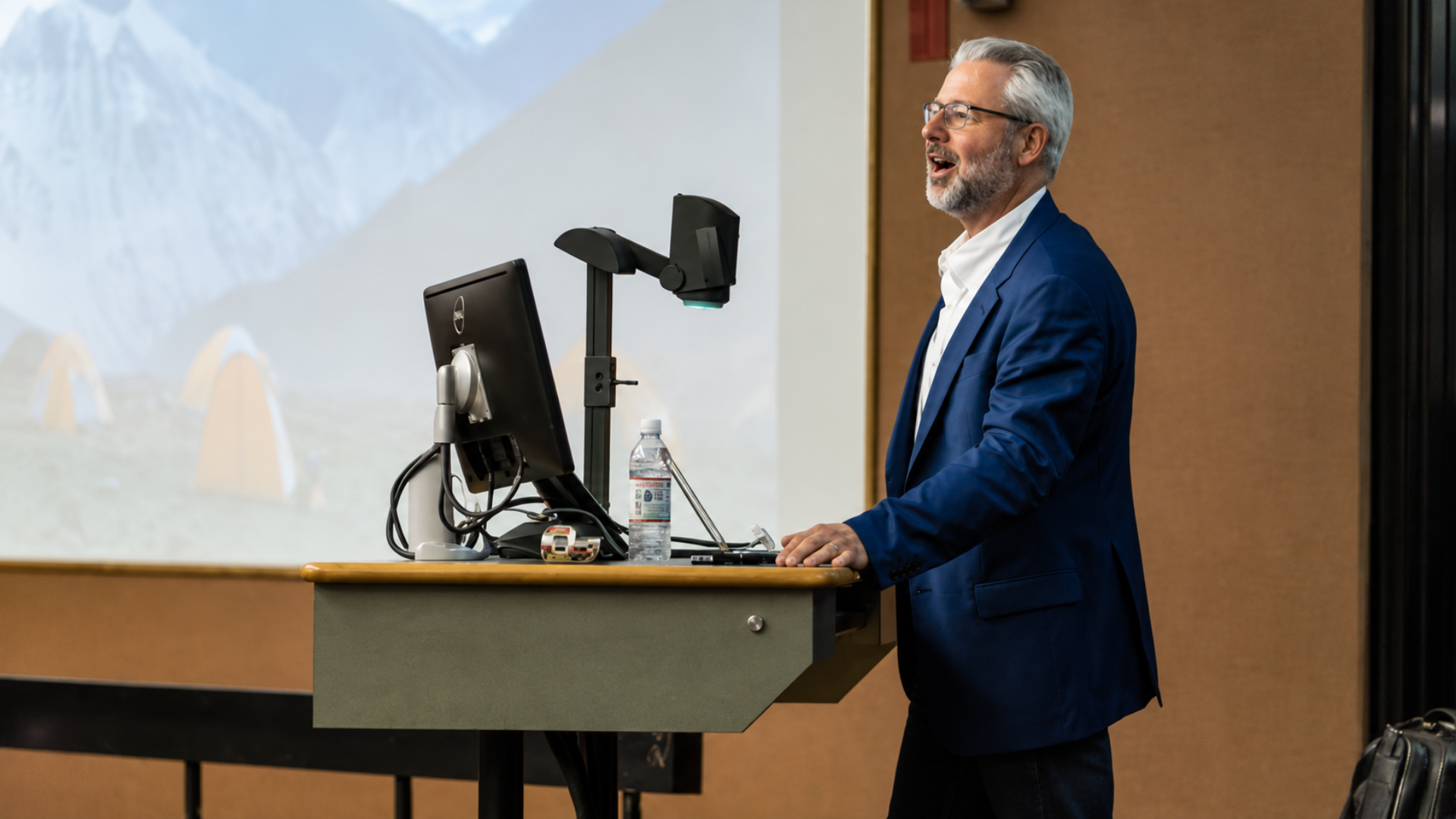
The scientist behind this research has a blunt warning. Liliane Burkhard, the study’s lead author at the University of Hawai’i at Mānoa, says stress on several fault segments now sits at the highest levels seen in a thousand years. “Our results show that stress levels on multiple fault segments are now at or above the highest values seen in the past millennium,” Burkhard said.
Stress Doesn’t Rise Alone, It Rises in Sync
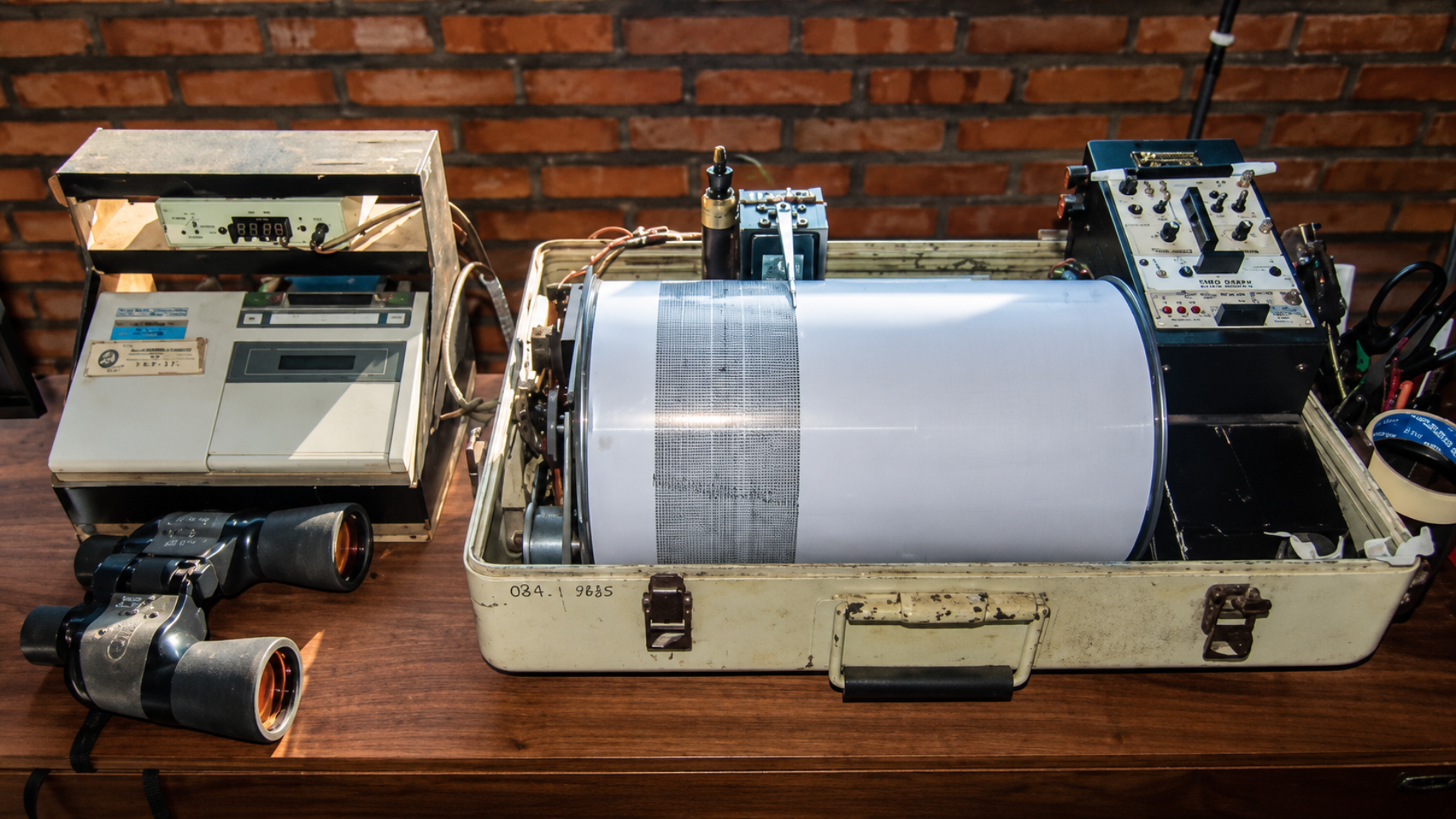
When both systems climb at once, researchers say the Cajon Pass gate tends to open, letting a rupture spread between faults. When the two are mismatched, the break tends to stop at the junction. “When their stresses rise together in concert, the gate tends to open, and the rupture can propagate across both faults,” Burkhard explained. Right now, both systems are climbing together.
This Is Not a Forecast

This study is not a countdown clock, and Burkhard is explicit about that limit. The model assumes that when an earthquake strikes, it releases all the stored strain in one go, an assumption real faults do not always follow. Faults can release stress unevenly, only in part, or out of order. “This is not a prediction of when an earthquake will happen,” Burkhard said. Instead, the goal is mapping how a major rupture could spread across connected faults.
The Real Risk Isn’t a Date, It’s a Connected Rupture
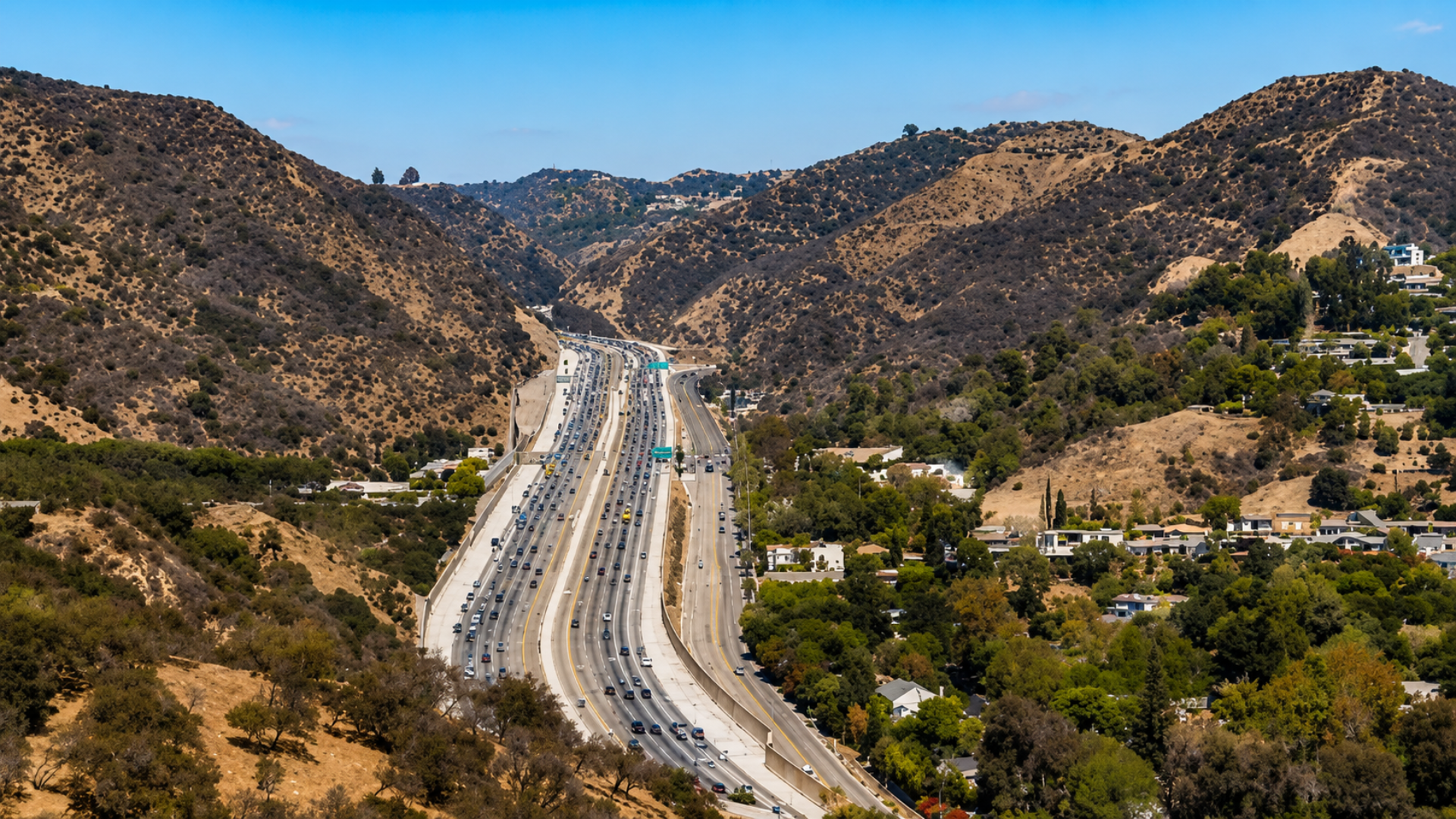
A break linking the San Andreas and San Jacinto faults near the Cajon Pass would threaten highways and power corridors that millions rely on daily. Venezuela’s earthquakes this week, which killed more than 164 people, show how fast infrastructure failure turns a disaster deadly. California has not faced that test in a century. The question is what happens when stress finally breaks the silence.
California’s Earthquake Isn’t a Question of If, It’s a Question of When the Silence Breaks
Venezuela’s earthquake looked like a sudden strike from nowhere. California’s risk is the opposite: a slow, traceable buildup that scientists can now measure in detail. The thousand-year record shows stress has nowhere left to climb without consequence. That does not mean a major quake is imminent, but it does mean the quiet decades were never really quiet. The ground has been listening the whole time. Eventually, it will answer back.