Research Says AI May Detect Breast Cancer Warning Signs Six Years Before Diagnosis
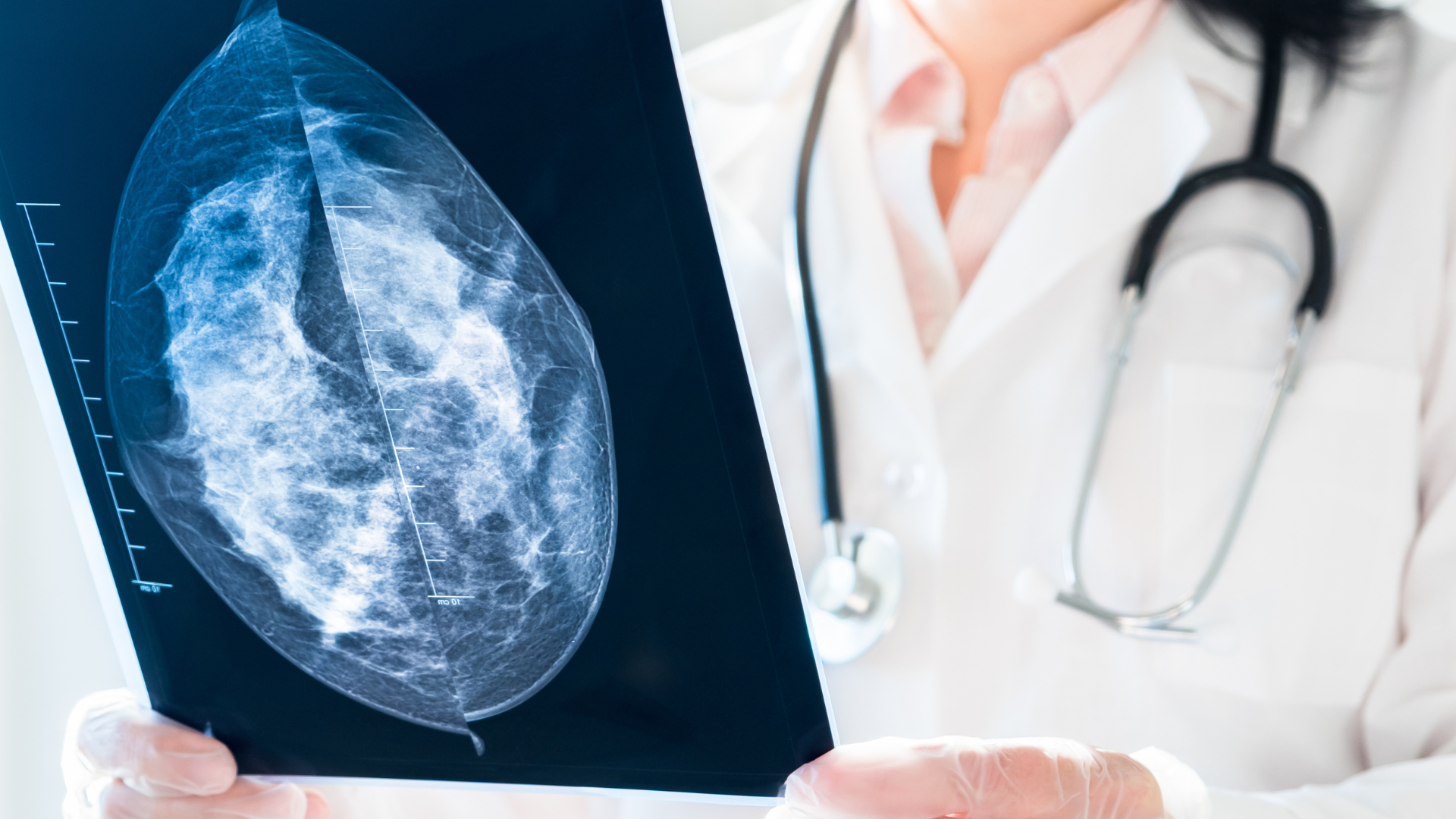

Researchers say artificial intelligence may be able to identify subtle warning signs of breast cancer years before the disease is formally diagnosed. According to a recent study, AI systems analyzing mammograms were able to detect patterns associated with future breast cancer cases as much as six years before patients received a diagnosis. The findings highlight the growing role artificial intelligence could play in improving cancer screening and early detection.
Breast cancer remains one of the most commonly diagnosed cancers among women worldwide. Early detection is widely considered one of the most important factors in improving treatment outcomes and survival rates. Scientists believe advanced AI tools could eventually help doctors identify high-risk patients earlier than traditional screening methods alone.
The study adds to a growing body of research exploring how machine learning can assist healthcare professionals. By analyzing large amounts of medical imaging data, AI systems can identify subtle features that may be difficult for the human eye to recognize. Researchers say this capability could transform how breast cancer risk is assessed in the future.
AI Found Patterns Years Before Cancer Was Diagnosed
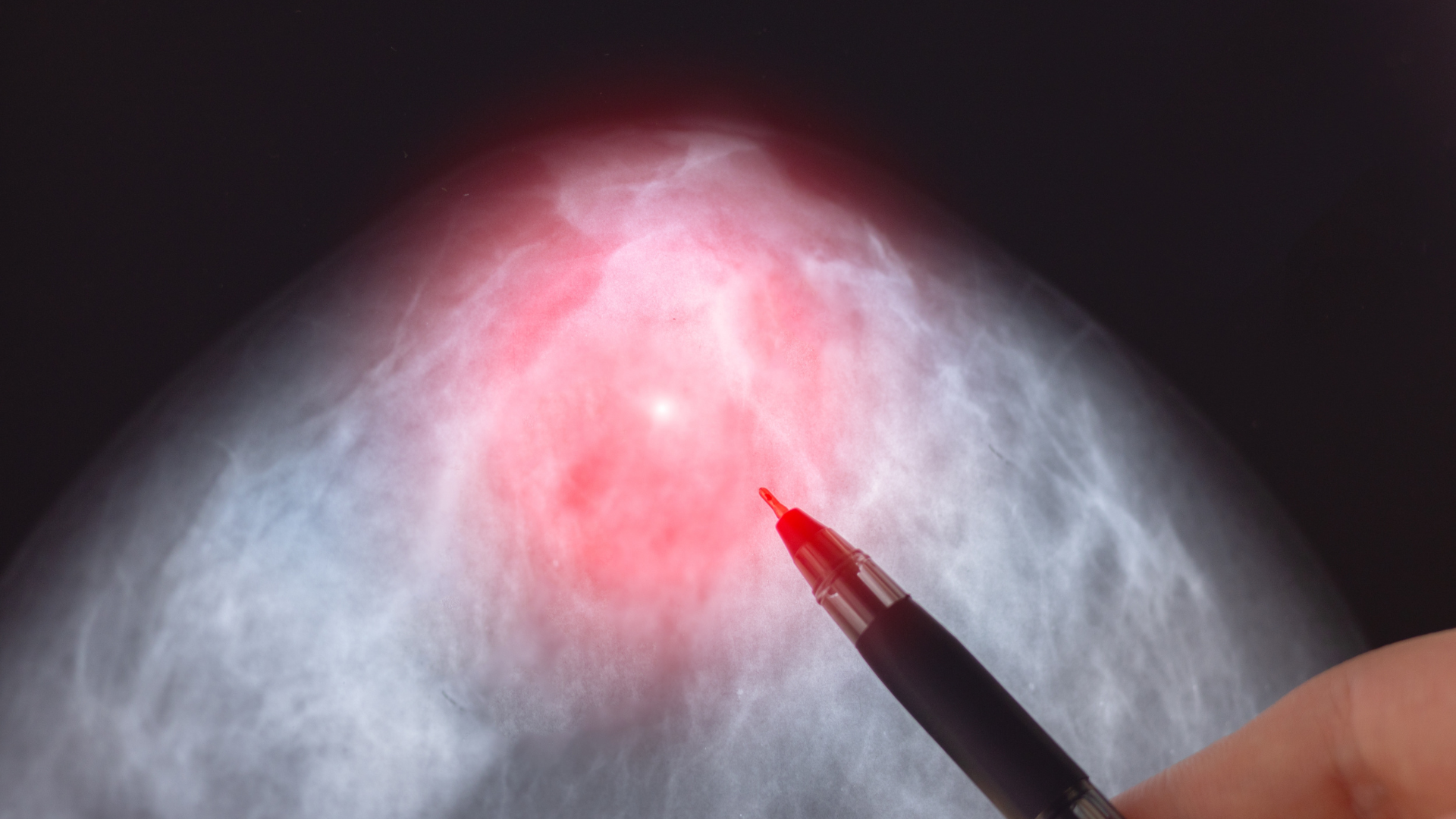
In the study, researchers trained artificial intelligence models using thousands of mammogram images. The AI system learned to identify imaging characteristics associated with future breast cancer development, even when no obvious signs of disease were visible at the time the scans were taken. According to the findings, the technology was able to detect risk indicators up to six years before some patients received a diagnosis.
Scientists explained that the AI was not necessarily identifying existing tumors years in advance. Instead, it appeared capable of recognizing subtle patterns linked to an increased likelihood of cancer developing later. These patterns may reflect biological changes that occur long before traditional screening methods can detect a malignancy.
Researchers believe this type of predictive analysis could help healthcare providers personalize screening strategies. Individuals identified as having a higher risk could potentially receive more frequent monitoring or additional testing. Such an approach could improve the chances of finding cancer at its earliest and most treatable stages.
Potential Benefits and Challenges of AI Screening
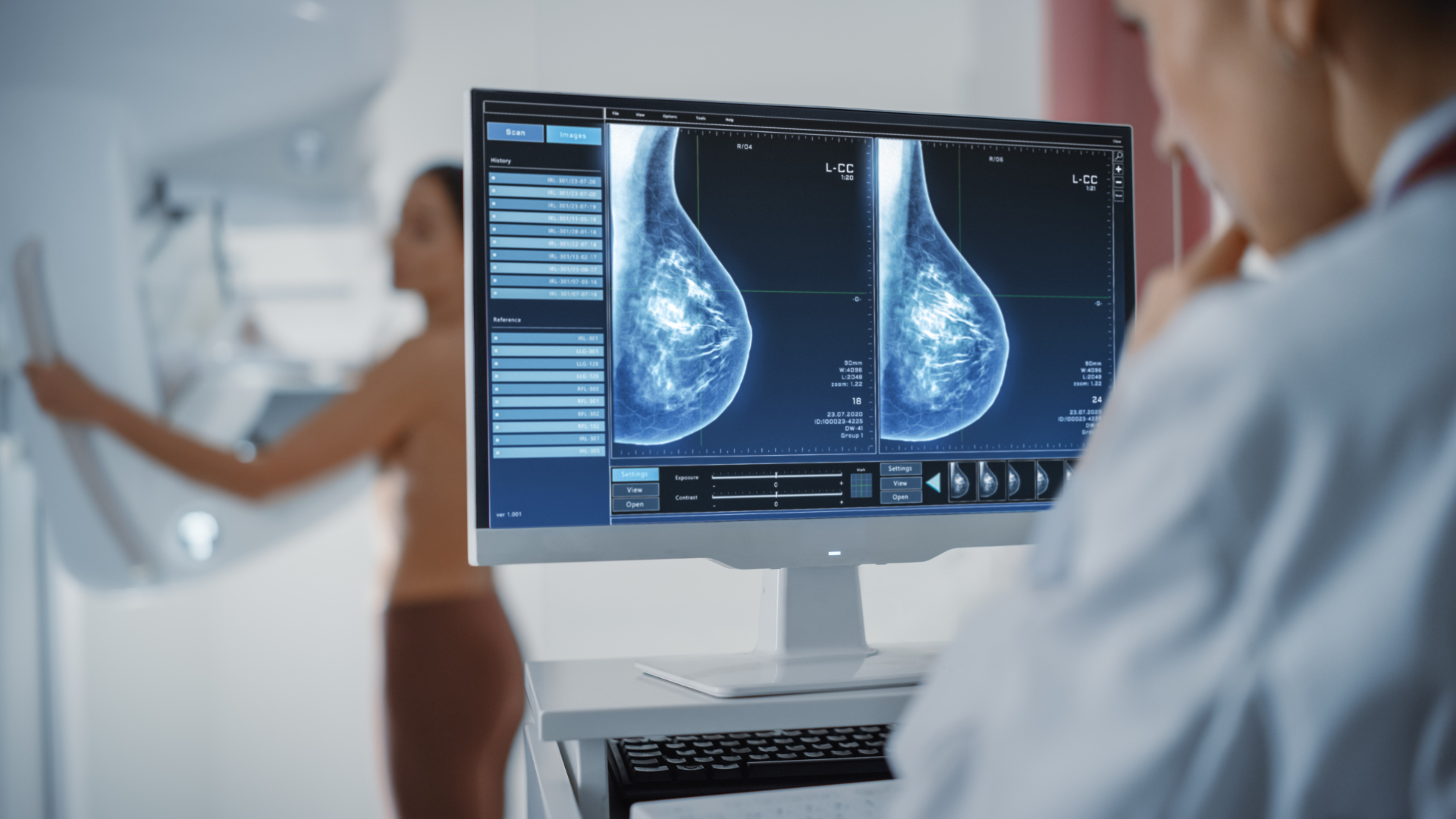
Experts say one of the most promising aspects of AI-assisted screening is its ability to process enormous amounts of imaging data quickly and consistently. By serving as an additional tool for radiologists, AI could help reduce missed cases and improve overall screening accuracy. Some researchers also believe the technology could help address growing demands on healthcare systems facing radiologist shortages.
Despite the encouraging results, scientists caution that more research is needed before such systems become a standard part of clinical practice. AI tools must undergo extensive testing across diverse patient populations to ensure they perform reliably and fairly. Regulatory approval and integration into existing healthcare workflows would also be necessary before widespread adoption.
Medical professionals emphasize that artificial intelligence is intended to support, not replace, human expertise. Radiologists would continue to play a central role in interpreting results and making clinical decisions. Researchers say the most effective future screening programs will likely combine advanced technology with professional medical judgment.
AI Could Transform the Future of Breast Cancer Detection

The study suggests that artificial intelligence may one day help identify breast cancer risk years before a formal diagnosis is possible through conventional methods. By recognizing subtle patterns in mammogram images, AI systems could provide doctors with valuable information about a patient’s future cancer risk. Earlier identification could create new opportunities for monitoring, prevention, and timely treatment.
While the findings are promising, researchers stress that additional studies are needed to validate the technology and determine how it can be used most effectively in real-world healthcare settings. Questions regarding implementation, accuracy, and accessibility will need to be addressed before AI becomes a routine part of breast cancer screening programs.
Even so, the research represents another significant step forward in the use of artificial intelligence in medicine. If future studies confirm these results, AI-assisted screening could help improve outcomes for countless patients by detecting warning signs long before cancer becomes apparent through traditional diagnostic methods.