Supreme Court Could Soon Decide Whether All Babies Born in the U.S. Become Citizens
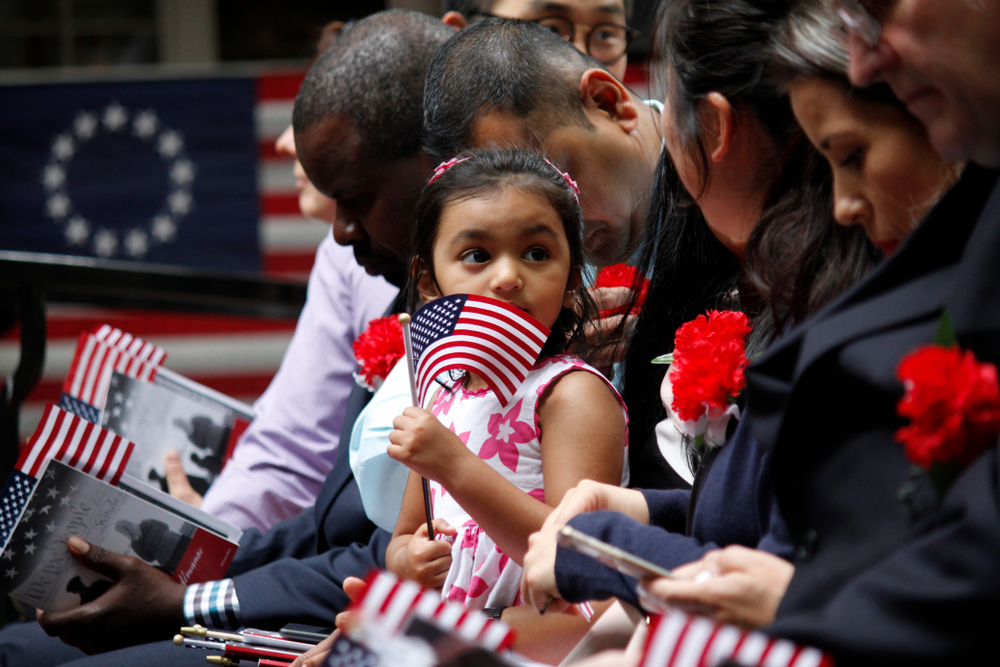

Few constitutional principles seem more straightforward than the idea that a child born in the United States is automatically an American citizen. The rule has shaped generations of families and helped define how the country understands citizenship itself. Now, a Supreme Court case could put one of the most familiar assumptions in American life under renewed scrutiny.
The Case Waiting For A Decision
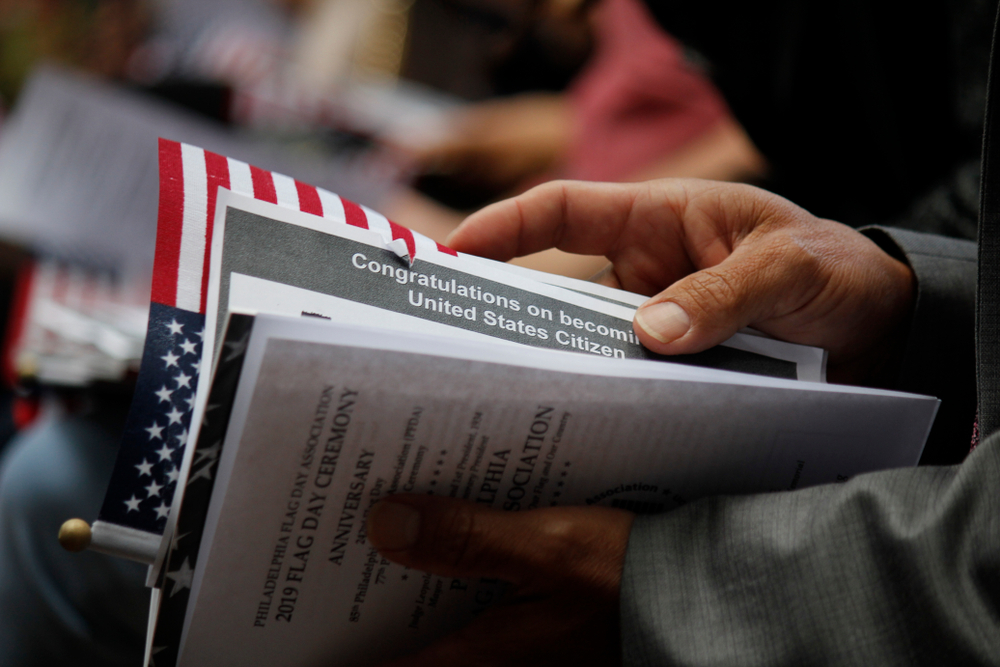
The Supreme Court is considering challenges to President Donald Trump’s January 2025 executive order seeking to restrict birthright citizenship. The order would deny citizenship to many children born in the United States if their parents lacked legal immigration status or were in the country only temporarily. After months of litigation, a decision is expected by the end of June or early July 2026.
What The Constitution Actually Says
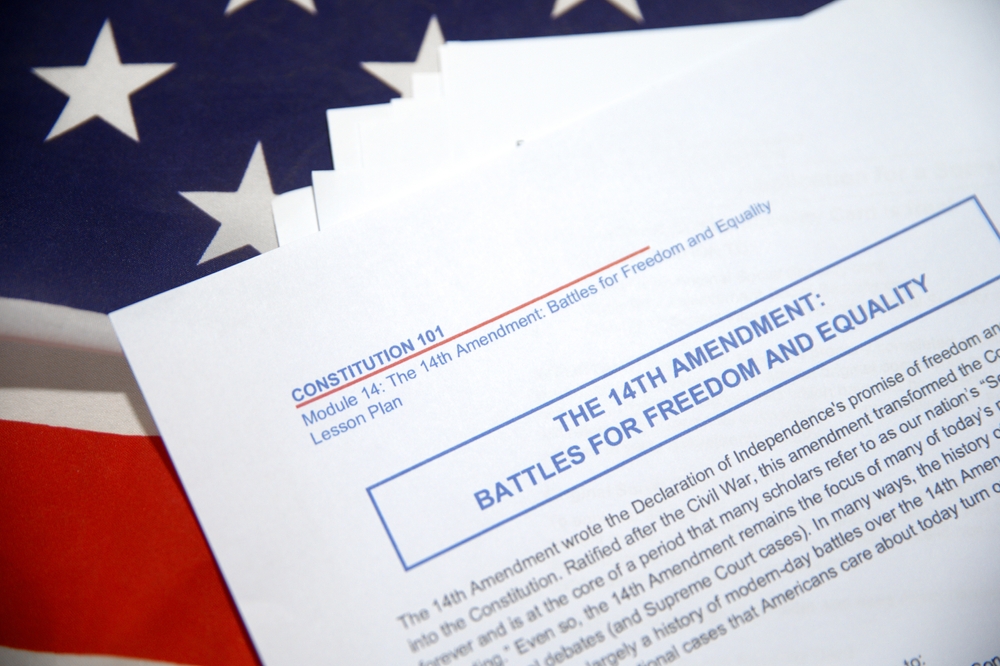
The debate centers on a single sentence in the Fourteenth Amendment, ratified in 1868 after the Civil War: “All persons born or naturalized in the United States, and subject to the jurisdiction thereof, are citizens of the United States.” Most legal scholars and courts have long interpreted that language to mean that nearly everyone born on U.S. soil automatically becomes a citizen, with narrow exceptions such as children of foreign diplomats.
Why The Issue Reached The Supreme Court
Supporters of the executive order argue that the phrase “subject to the jurisdiction thereof” has been interpreted too broadly and that citizenship should not automatically apply to children born to people who are in the country unlawfully or temporarily. Opponents counter that the Constitution’s text, historical practice, and more than a century of legal precedent already settled the question. The Supreme Court must now decide whether that longstanding interpretation should remain intact.
The Precedent At The Center Of The Fight
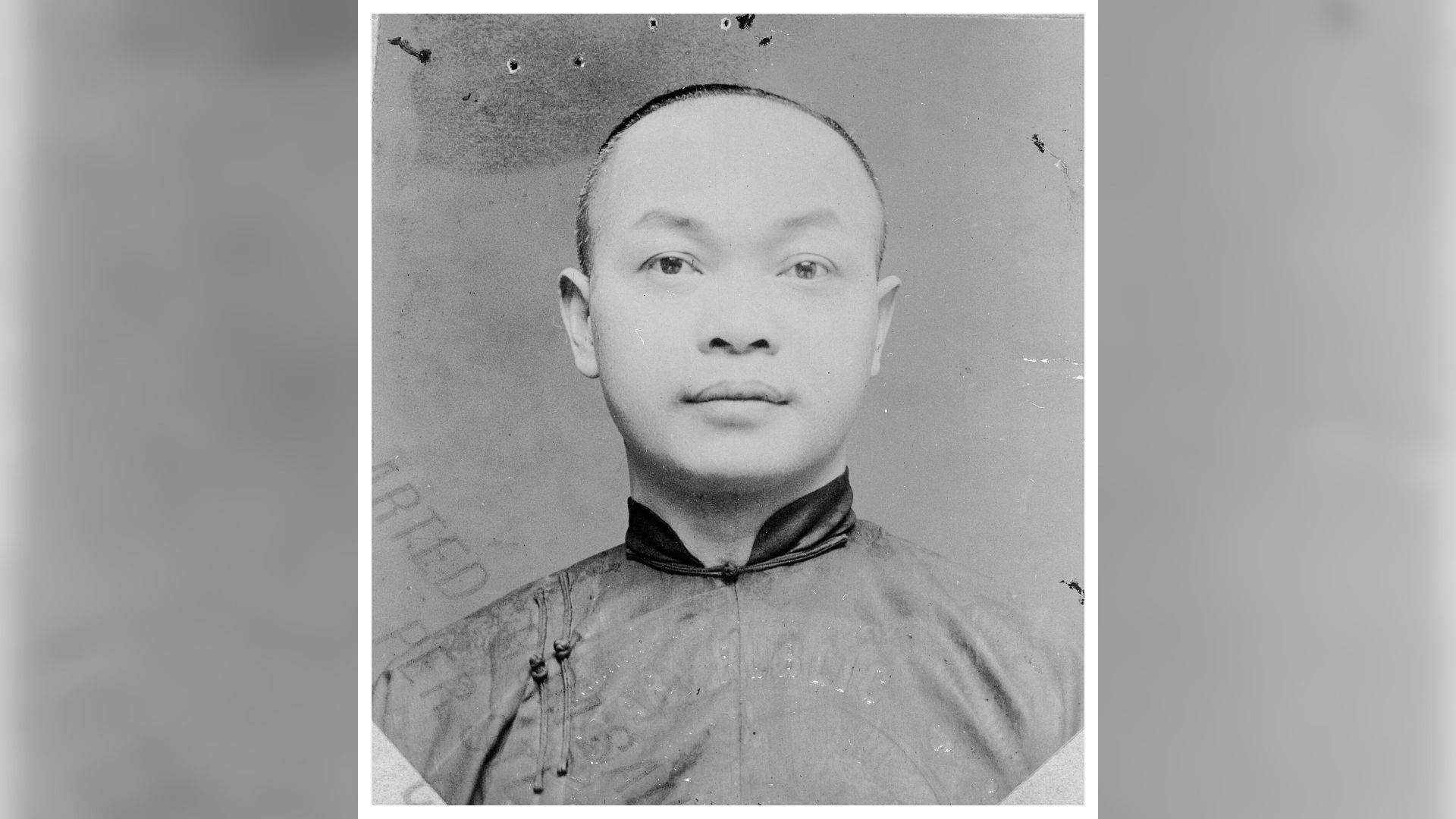
Much of the legal debate traces back to United States v. Wong Kim Ark, an 1898 Supreme Court decision involving a man born in San Francisco to Chinese immigrant parents. The Court ruled that Wong was a U.S. citizen because he was born on American soil, establishing a precedent that has guided citizenship law for more than a century. Opponents of the executive order frequently point to that ruling as evidence that birthright citizenship is already firmly established in constitutional law.
How Many Children Could Be Affected

The stakes extend well beyond legal theory. According to reporting cited by CBS News and USA Today, roughly 250,000 to 255,000 children born each year could be affected if the executive order were ultimately allowed to take effect. Critics warn that some children could be left without a clear nationality, while supporters argue the change would address what they view as abuses of the current system.
The Human Side Of The Case

For many families, the case is not an abstract constitutional dispute. USA Today reported that some mixed-status households are already discussing what the ruling could mean for future generations. Advocates say uncertainty about citizenship affects decisions involving education, travel, employment, and long-term security. The case has become a source of anxiety for people who have always considered their citizenship beyond question.
What Courts Have Said So Far
Every court that has addressed the executive order so far has blocked it from taking effect. Multiple injunctions remain in place, including rulings protecting babies born in every U.S. state while litigation continues. As a result, all children born in the United States are still recognized as U.S. citizens today, regardless of their parents’ immigration status. Those protections remain in force unless the Supreme Court rules otherwise.
A Debate That Extends Beyond Immigration
The case has evolved into a broader argument about constitutional interpretation and the limits of presidential authority. Some legal advocates argue that allowing a president to redefine citizenship through executive action would create a precedent reaching far beyond immigration policy. Others maintain that elected officials and Congress should have greater authority to revisit citizenship rules as immigration patterns change.
A Decision With Lasting Consequences
When the justices issue their ruling, they will be deciding more than the fate of a single executive order. The decision could determine whether a constitutional principle that has guided American citizenship since the nineteenth century remains unchanged or enters a new era of legal debate. Whatever the outcome, the ruling is likely to shape immigration policy, constitutional law, and the lives of future generations long after this particular case leaves the headlines.