Nature Can’t Keep Up With Climate Change, So Scientists Are Using DNA to Help

As climate change reshapes ecosystems faster than many species can adapt, scientists are exploring new ways to help nature survive. One of the most promising approaches is conservation genomics, a field that uses DNA analysis to identify plants and animals with traits that may improve their chances of enduring rising temperatures, droughts, disease, and other environmental pressures. Researchers hope these insights can support restoration efforts and strengthen ecosystems facing unprecedented challenges.
Climate Change Is Outpacing Natural Adaptation

Many of the world’s most important ecosystems are struggling to keep pace with rapidly changing environmental conditions. From California’s giant redwood forests to coastal seagrass meadows, habitats that store significant amounts of carbon and support diverse wildlife are increasingly threatened by warming temperatures, stronger marine heat waves, destructive wildfires, and expanding human development. Scientists warn that these pressures are contributing to a global biodiversity crisis that places countless species at risk.
Conservation Genomics Offers A New Tool For Restoration

To address this growing gap between environmental change and biological adaptation, researchers are turning to conservation genomics. This emerging discipline involves sequencing the complete genetic makeup of organisms to identify traits linked to resilience. By understanding which individuals are naturally better equipped to withstand environmental stress, scientists can make more informed decisions when restoring damaged ecosystems and rebuilding vulnerable populations.
Coral Reefs Are Leading The Way
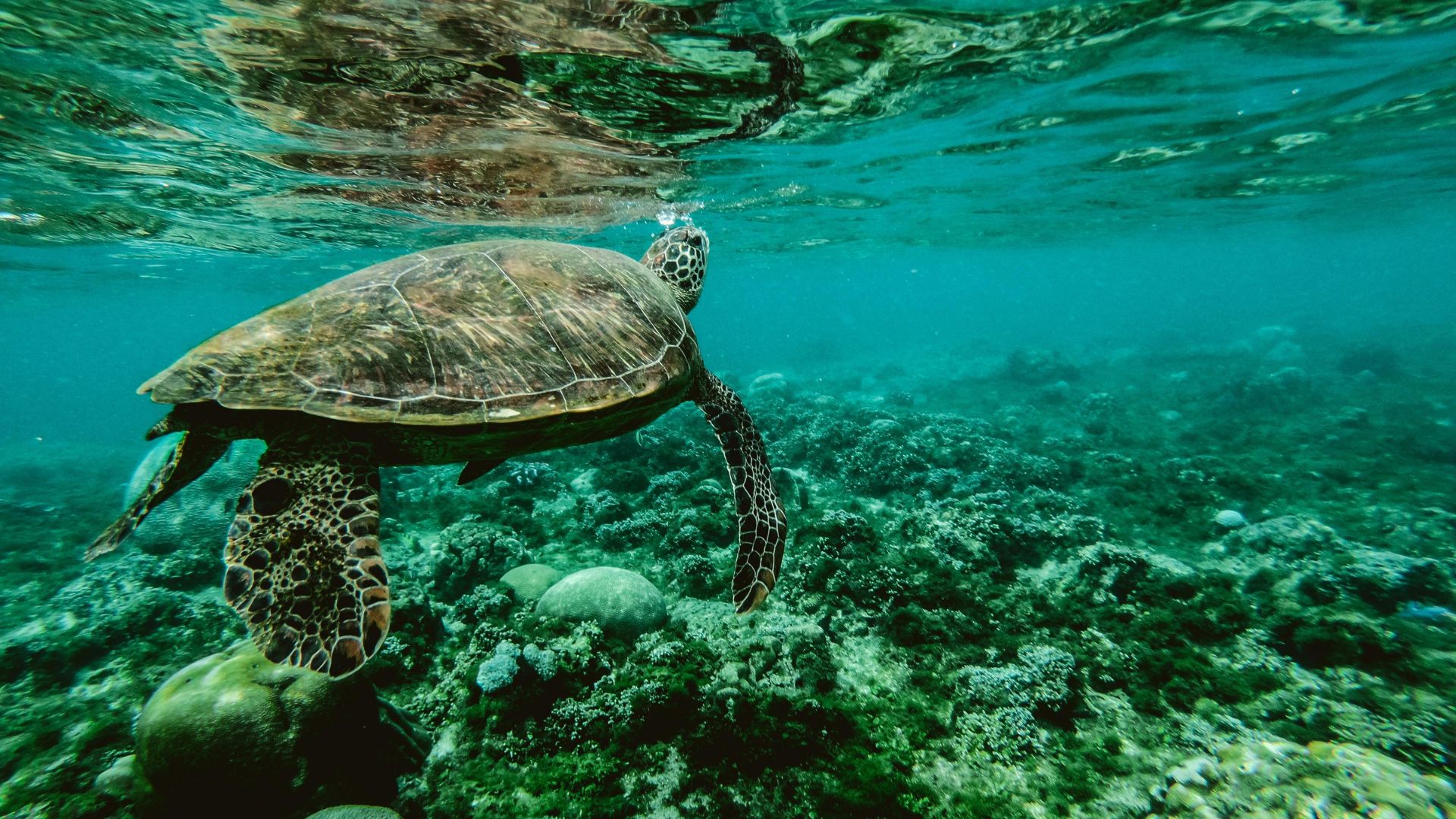
Coral reefs have become one of the first testing grounds for genomic conservation strategies. Repeated marine heat waves have triggered widespread coral bleaching events across the globe, severely damaging reef ecosystems. Through genetic analysis of corals and the algae that live within them, scientists have identified colonies that show a greater tolerance to elevated water temperatures. Researchers are now exploring whether breeding and cultivating these hardier corals could improve the success of reef restoration efforts.
Eelgrass Meadows Face Increasing Environmental Stress
In Southern California, scientists are applying similar techniques to eelgrass, an essential marine plant that creates habitat for fish, crabs, plankton, and migratory birds. Eelgrass also plays a valuable role in capturing and storing carbon and methane within coastal sediments. However, warming waters, declining water clarity, and other environmental changes are making it increasingly difficult for traditional restoration methods to succeed.
Changing Coastal Conditions Create New Challenges

The bays surrounding San Diego have undergone significant environmental shifts in recent years. Rising temperatures, stronger king tides, and increased sediment movement reduce the amount of sunlight reaching the seafloor. Urban development further contributes to murkier water through runoff and pollution. These changes create conditions that many native eelgrass populations may no longer be able to tolerate, highlighting the need for new restoration approaches.
A Hybrid Eelgrass Reveals Valuable Genetic Clues
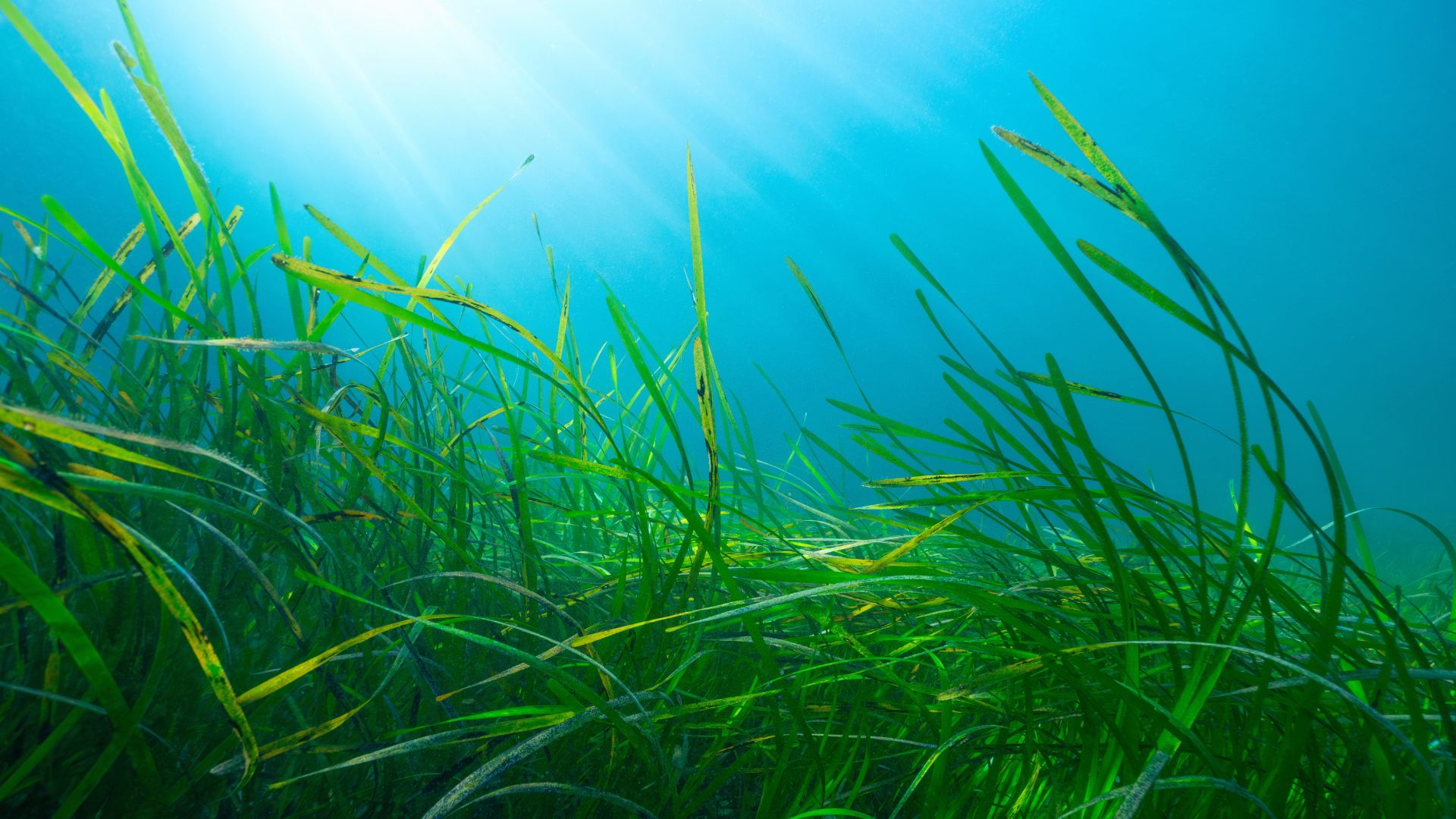
Researchers working in Mission Bay discovered a naturally occurring hybrid eelgrass that appeared more resilient than either of its parent species. This hybrid, formed from shallow-water and deep-water eelgrass varieties, continued to thrive in areas where both parent plants struggled. The discovery offered scientists a valuable opportunity to investigate the genetic factors that might contribute to improved survival under changing environmental conditions.
DNA Sequencing Uncovered Traits Linked To Survival
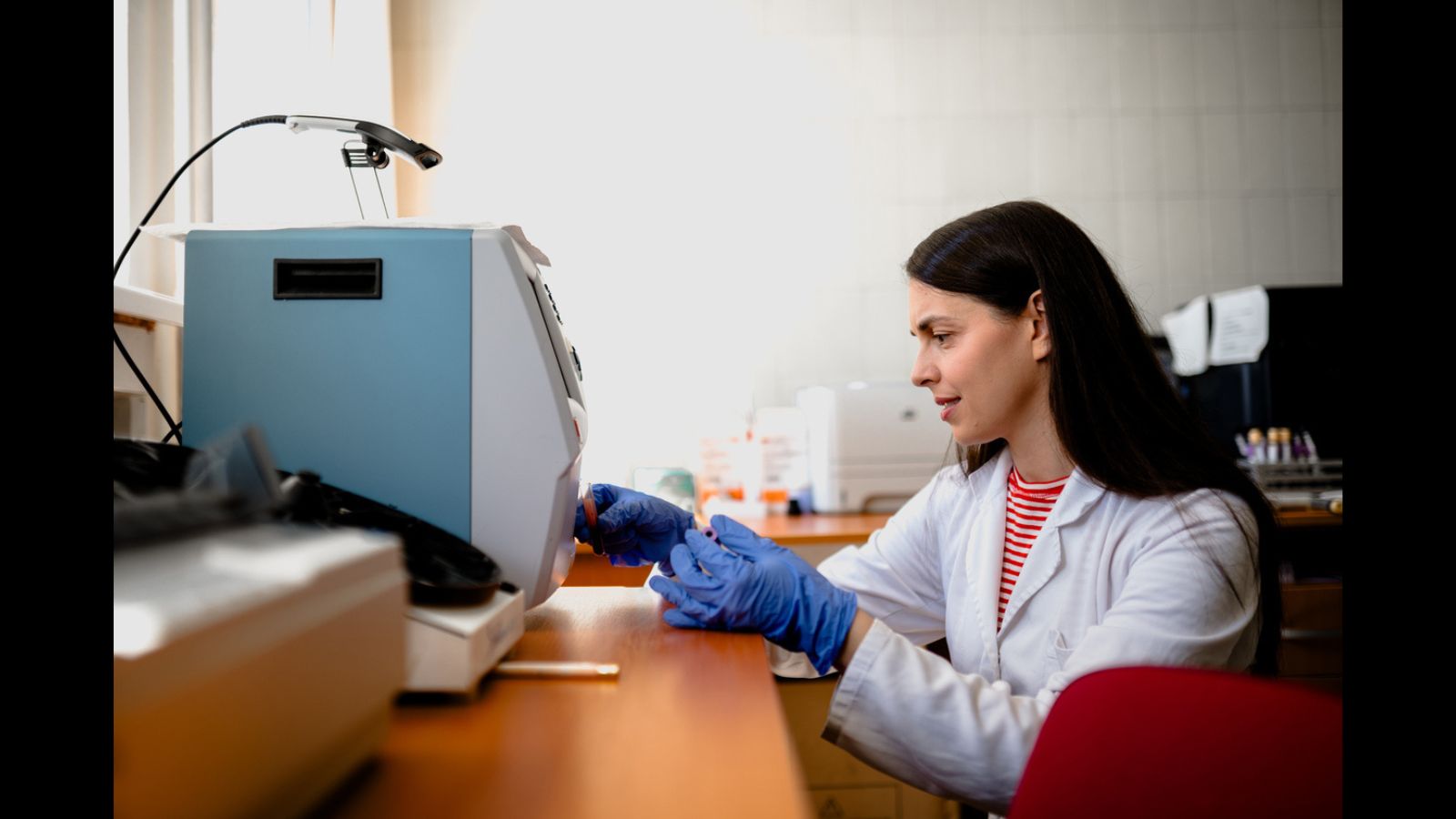
By examining the hybrid eelgrass genome, researchers identified genes associated with the plant’s internal biological clock that remained active longer in low-light environments. Scientists believe this characteristic may allow the plant to photosynthesize more efficiently in cloudy or sediment-filled waters. While these findings remain experimental, they suggest that selecting or breeding plants with similar traits could eventually strengthen future restoration projects.
Redwood Forests May Benefit From Similar Research
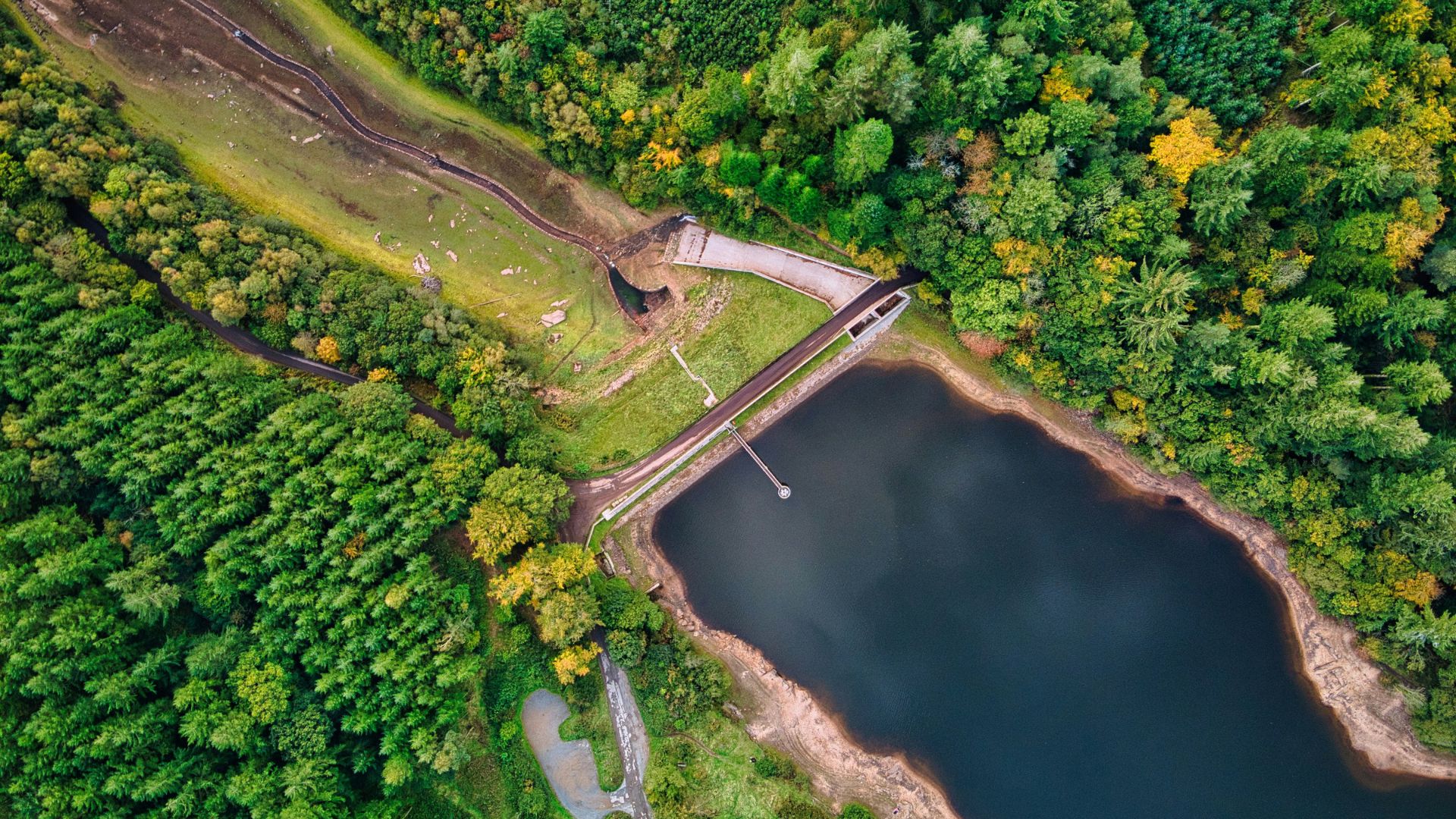
Conservation genomics is also being explored in Northern California’s iconic redwood forests. These ancient trees rank among the tallest and oldest living organisms on Earth and store enormous amounts of carbon. Yet modern challenges, including severe drought, intense wildfires, and historic logging, have placed increasing pressure on redwood populations. Decades of logging have significantly reduced genetic diversity, making it more difficult for forests to respond to environmental change.
Scientists Are Preparing Forests For Future Conditions
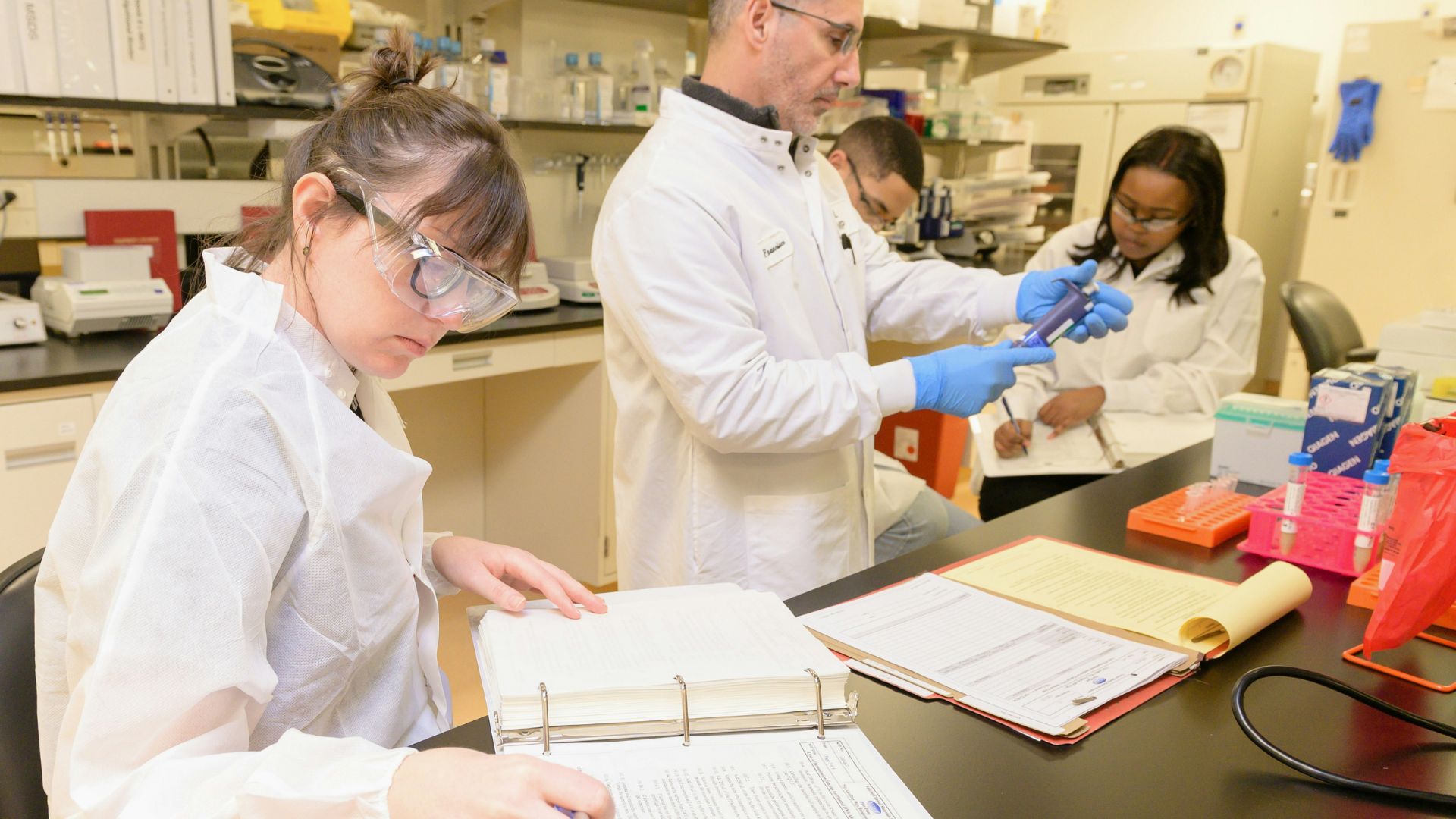
Researchers have already completed the enormous task of sequencing the redwood genome, which is substantially larger than the human genome. Current studies aim to identify genetic variations associated with traits such as drought resistance and temperature tolerance. Rather than simply restoring forests to their previous state, scientists are focused on understanding which genetic characteristics may help redwoods thrive in a future climate that differs dramatically from the one in which they evolved.
Genomics Alone Cannot Solve The Climate Crisis
Although conservation genomics offers exciting possibilities, experts emphasize that it is not a substitute for addressing the root causes of climate change. Genetic tools may help certain species become more resilient, particularly long-lived organisms that cannot adapt quickly enough on their own. However, ecosystems depend on complex interactions among countless plants, animals, fungi, and microorganisms. Strengthening one species does not automatically protect the broader ecological network. Researchers agree that reducing greenhouse gas emissions remains the most important step for safeguarding biodiversity and maintaining healthy ecosystems in the decades ahead.