Study Finds Seattle’s Hidden Faults Could Play a Bigger Role in Earthquake Risk
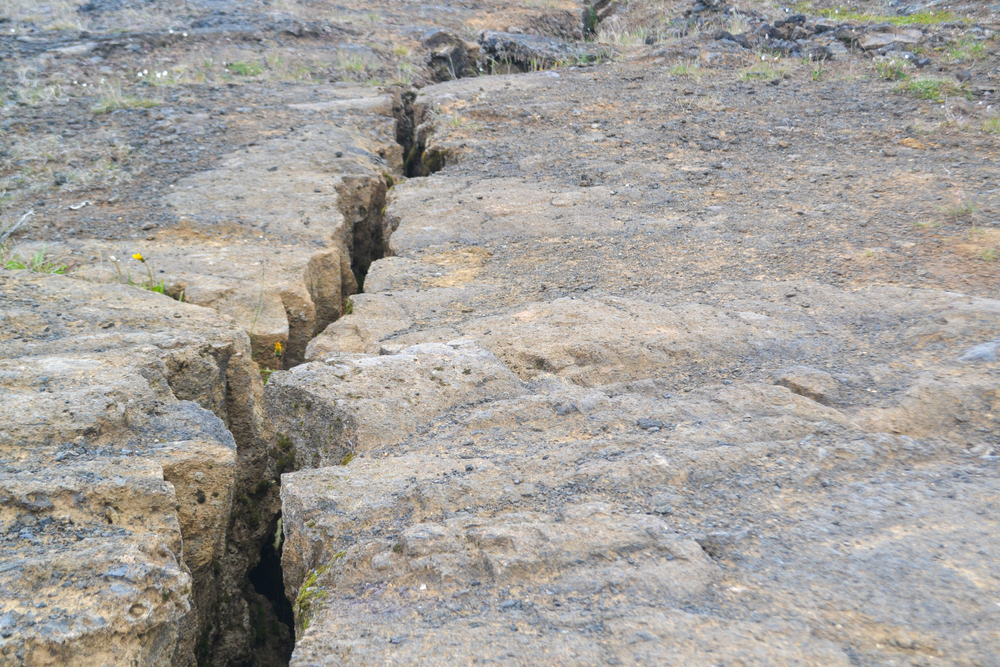

When people think about earthquake danger in the Pacific Northwest, they often picture the massive Cascadia Subduction Zone offshore. But scientists are increasingly focused on a different threat lurking much closer to home: a network of faults running directly beneath Seattle. New research suggests some of these hidden faults may be far more active than previously believed, raising fresh questions about how earthquake risk is measured in one of America’s fastest-growing metropolitan areas.
A Fault System Beneath the City
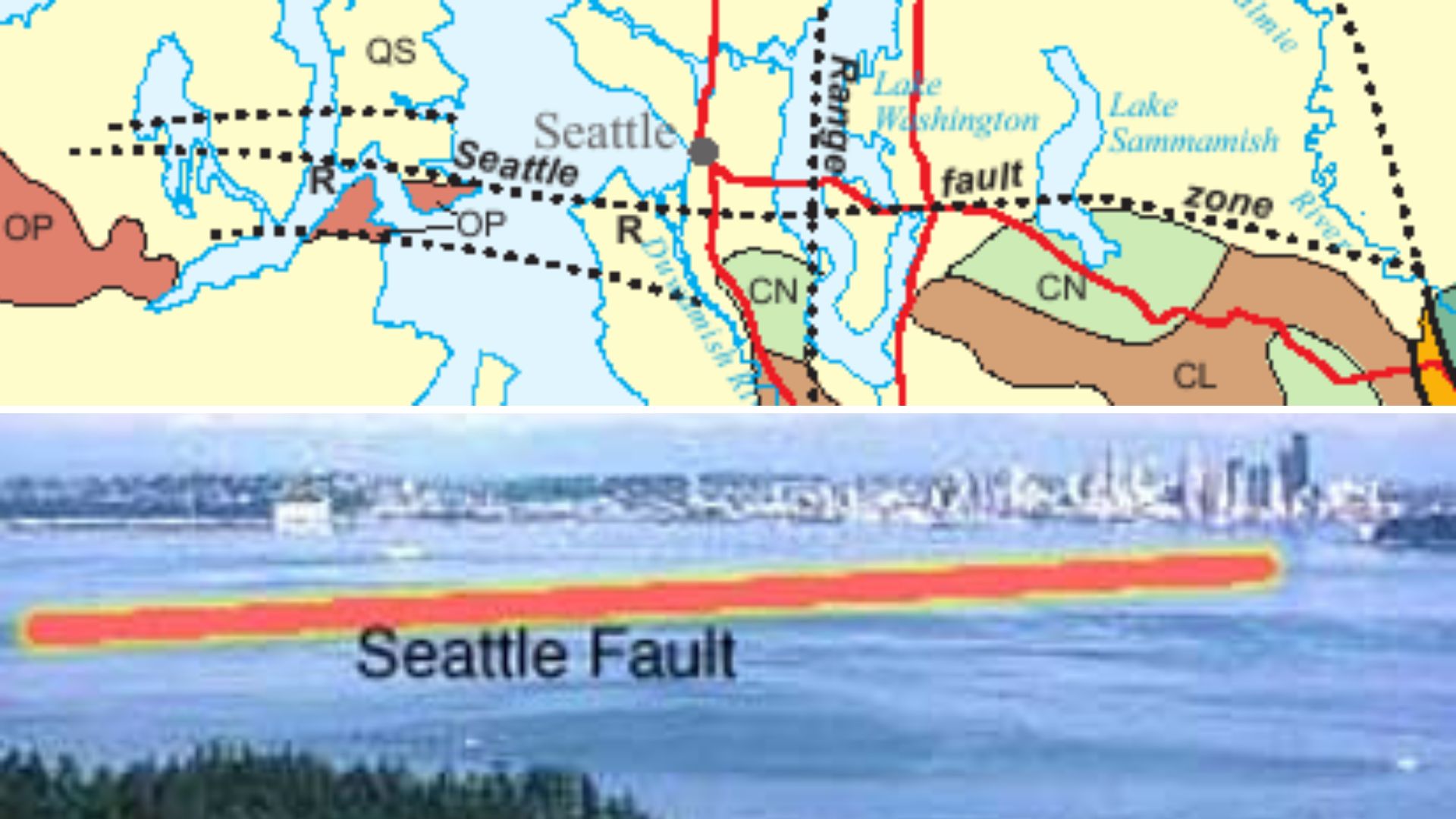
The Seattle Fault Zone stretches east to west beneath Seattle, Bainbridge Island, Lake Washington, and surrounding communities. Geologists describe it not as a single fault but as a complex system of interconnected fault strands hidden beneath the region’s dense urban landscape. Much of the evidence for these structures comes from geophysical surveys, magnetic mapping, lidar scans, and seismic imaging rather than visible surface features.
A History Written in Tsunamis and Uplifted Shorelines

Scientists know the fault system is capable of producing major earthquakes because the landscape still bears scars from ancient events. Around 1,100 years ago, a powerful earthquake uplifted shorelines around Bainbridge Island and parts of Seattle by as much as 26 feet, while also triggering landslides, liquefaction, and a tsunami in Puget Sound. That event remains one of the strongest known earthquakes associated with the Seattle Fault Zone.
The Biggest Earthquakes May Be Rare
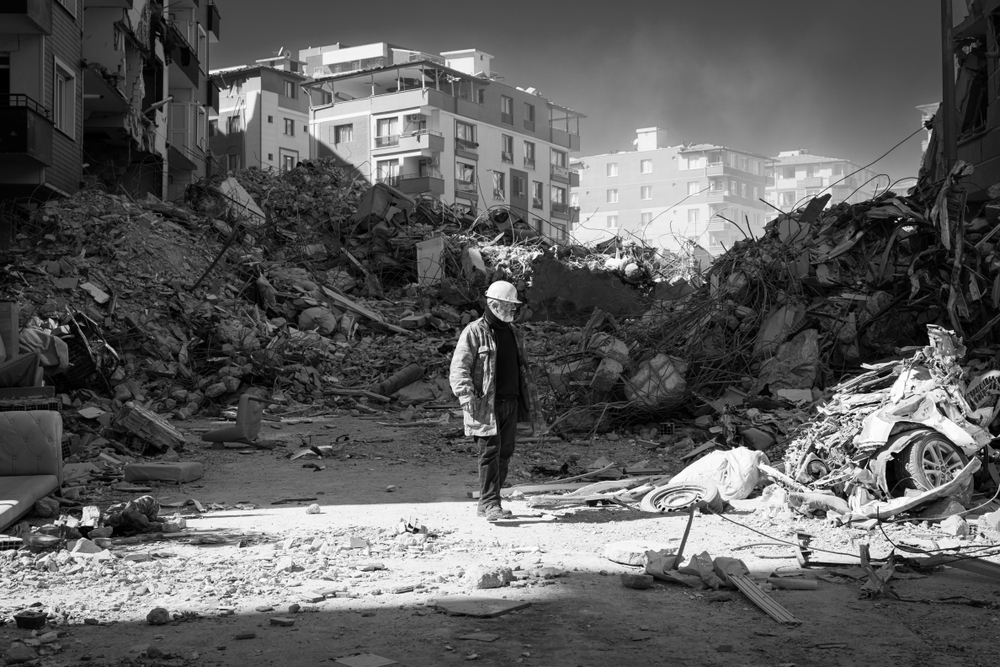
There is some reassuring news in the latest research. A recent study examining 11,000 years of geological evidence found that the massive earthquake that struck the region around the year 923 may have been the only event of that size during that entire period. Researchers say this suggests the largest Seattle Fault earthquakes may occur less frequently than some previous estimates implied.
The Hidden Faults Drawing New Attention
The concern now centers on smaller secondary faults connected to the main Seattle Fault system. These faults are shorter, harder to detect, and mostly hidden underground. For years, they received less attention because scientists believed they posed a relatively limited threat compared with the main fault. New evidence suggests that assumption may need to be reconsidered.
Earthquakes May Be Happening More Often Than Expected
The new study, published in GSA Bulletin, focused on two previously identified secondary faults within the Seattle Fault Zone. Using magnetic surveys, lidar mapping, trench excavations, radiocarbon dating, and tree-ring evidence, researchers reconstructed thousands of years of earthquake history. They found that these smaller faults appear to rupture independently of the main Seattle Fault and have produced earthquakes roughly every 350 years over the past 2,500 years. The most recent rupture may have occurred as recently as the early nineteenth century, suggesting that damaging earthquakes on Seattle’s hidden faults may be more frequent than scientists once believed.
Why Smaller Doesn’t Mean Safe

Although these secondary faults are not expected to generate the largest earthquakes, they can still produce powerful and damaging events. Previous studies have linked some secondary faults to earthquakes around magnitude 6.7, large enough to cause significant structural damage, infrastructure disruptions, and dangerous ground shaking in densely populated areas. Because the faults lie directly beneath the metropolitan region, even a smaller earthquake could have major consequences.
Seattle’s Geology Could Amplify the Damage
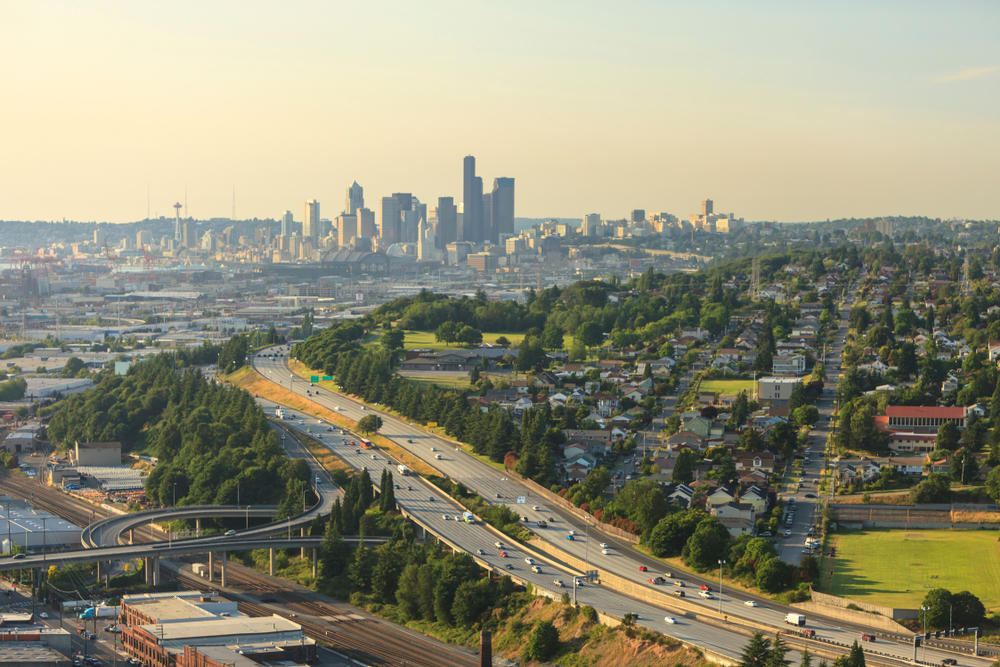
The danger is not limited to shaking alone. Seattle’s local geology includes areas vulnerable to liquefaction, landslides, and ground failure during strong earthquakes. City emergency planners estimate that roughly 15 percent of Seattle sits on soils susceptible to earthquake-related ground failure. A major Seattle Fault earthquake could also trigger thousands of landslides, dozens of fires, and even localized tsunamis within Puget Sound.
Some Risks May Not Be Fully Reflected in National Models
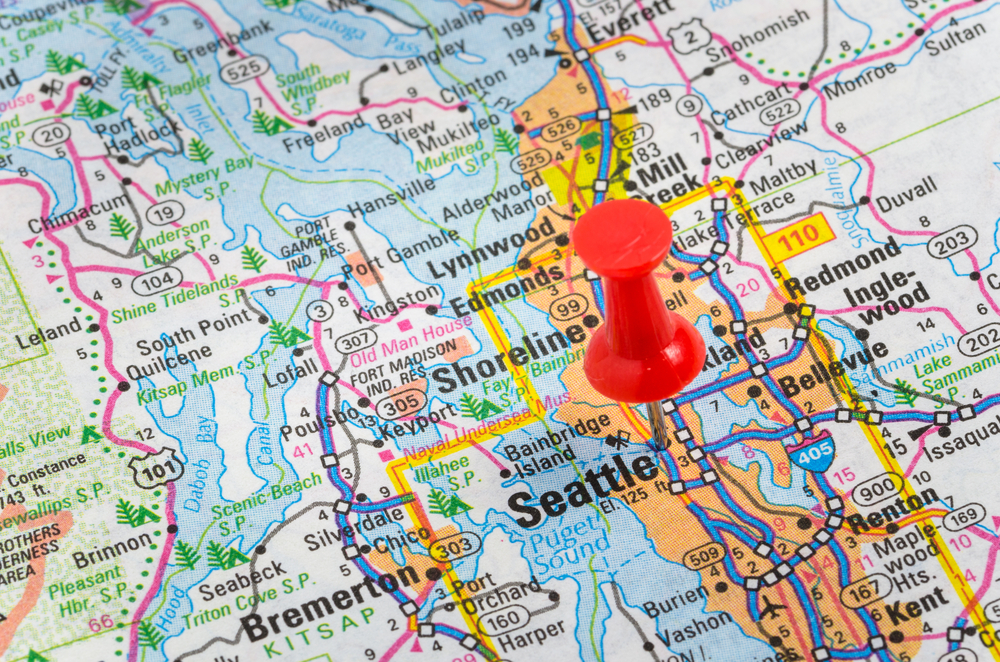
One reason the new findings have attracted attention is that many of these shorter secondary faults are not currently included in the National Seismic Hazard Model used to estimate earthquake risk across the United States. Researchers say the faults were excluded because of uncertainties about their size and behavior. The discovery that they may rupture more frequently than expected could eventually influence how future hazard assessments are calculated.
What Scientists Need to Learn Next
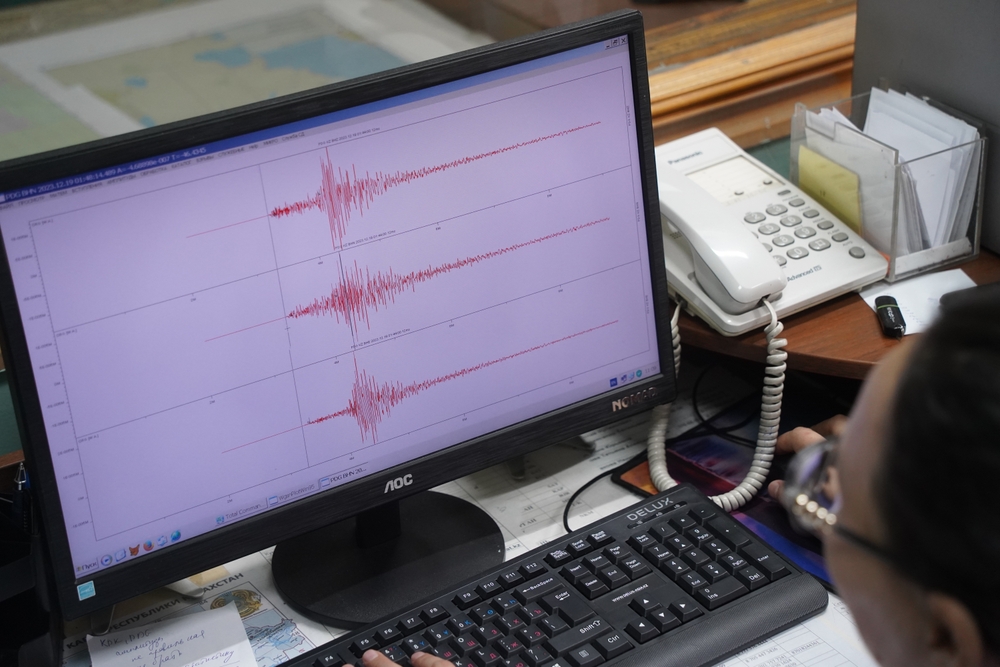
Researchers stress that many questions remain unanswered. Scientists are still working to determine how large these secondary-fault earthquakes can become, whether multiple faults can rupture together, and how their risks compare with larger regional threats such as Cascadia. What is becoming clearer, however, is that Seattle’s earthquake story may not revolve solely around one giant fault. Hidden structures beneath the city appear to be playing a larger role than once thought, and understanding them could shape how the region prepares for future disasters.