Mysterious Interstellar Comet Carries Water Unlike Anything in Our Solar System
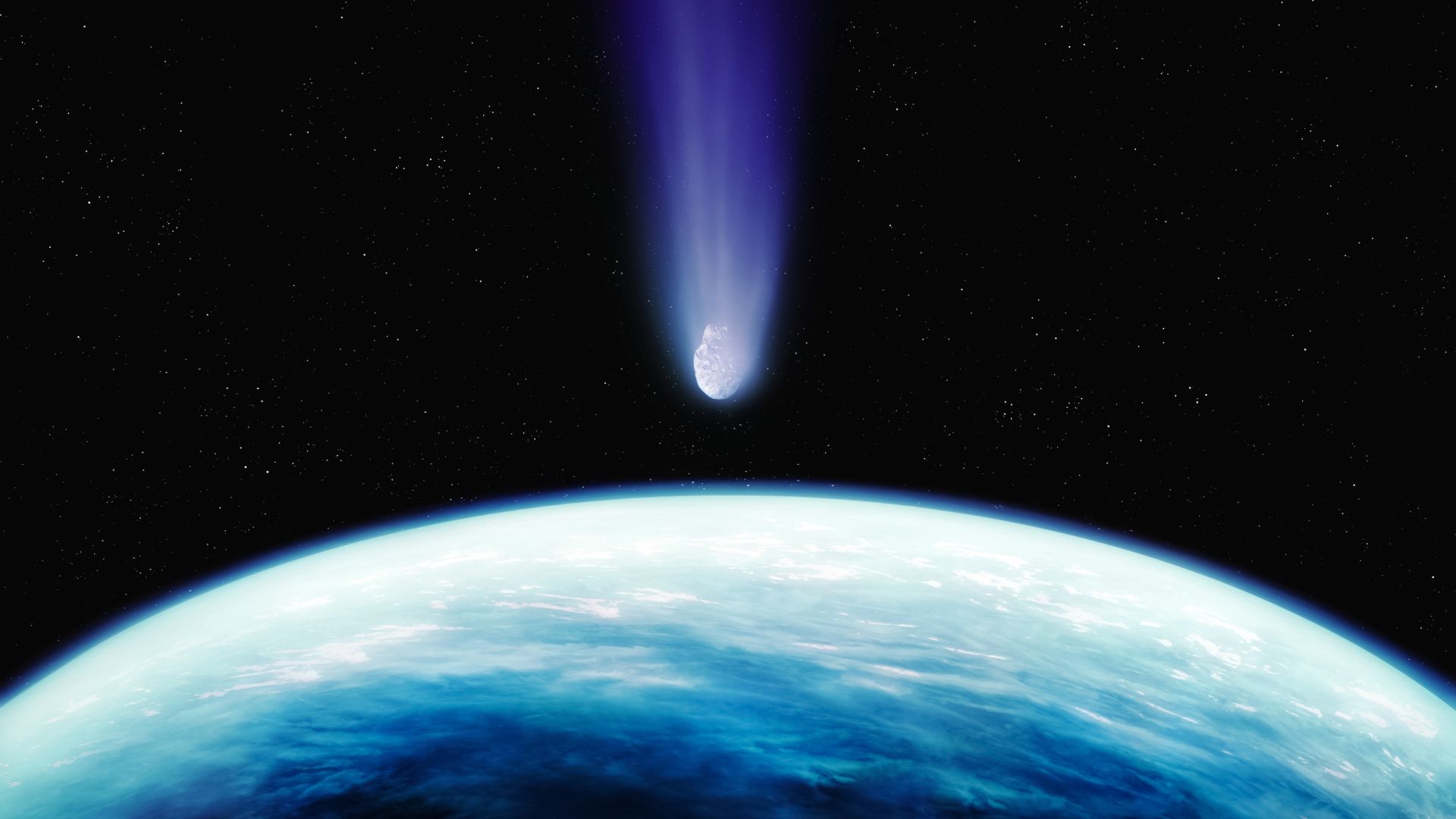

The discovery of comet 3I/ATLAS has provided astronomers with a rare opportunity to study material that originated far beyond the boundaries of our solar system. First identified in July as it traveled through our cosmic neighborhood, the object quickly attracted scientific attention because it represents only the third confirmed interstellar visitor ever observed.
Researchers recently analyzed the comet using observations gathered by the Atacama Large Millimeter/submillimeter Array (ALMA) in Chile. The data revealed an unexpected chemical signature that sets 3I/ATLAS apart from comets found within our own planetary system. These findings were published in the journal Nature Astronomy and offer clues about the environment where the object first formed.
By examining the composition of the comet, scientists hope to better understand conditions that existed in distant planetary systems billions of years ago. Objects like 3I/ATLAS act as natural archives, carrying preserved material from regions of the galaxy that would otherwise remain inaccessible to direct study.
What The Comet’s Water Reveals
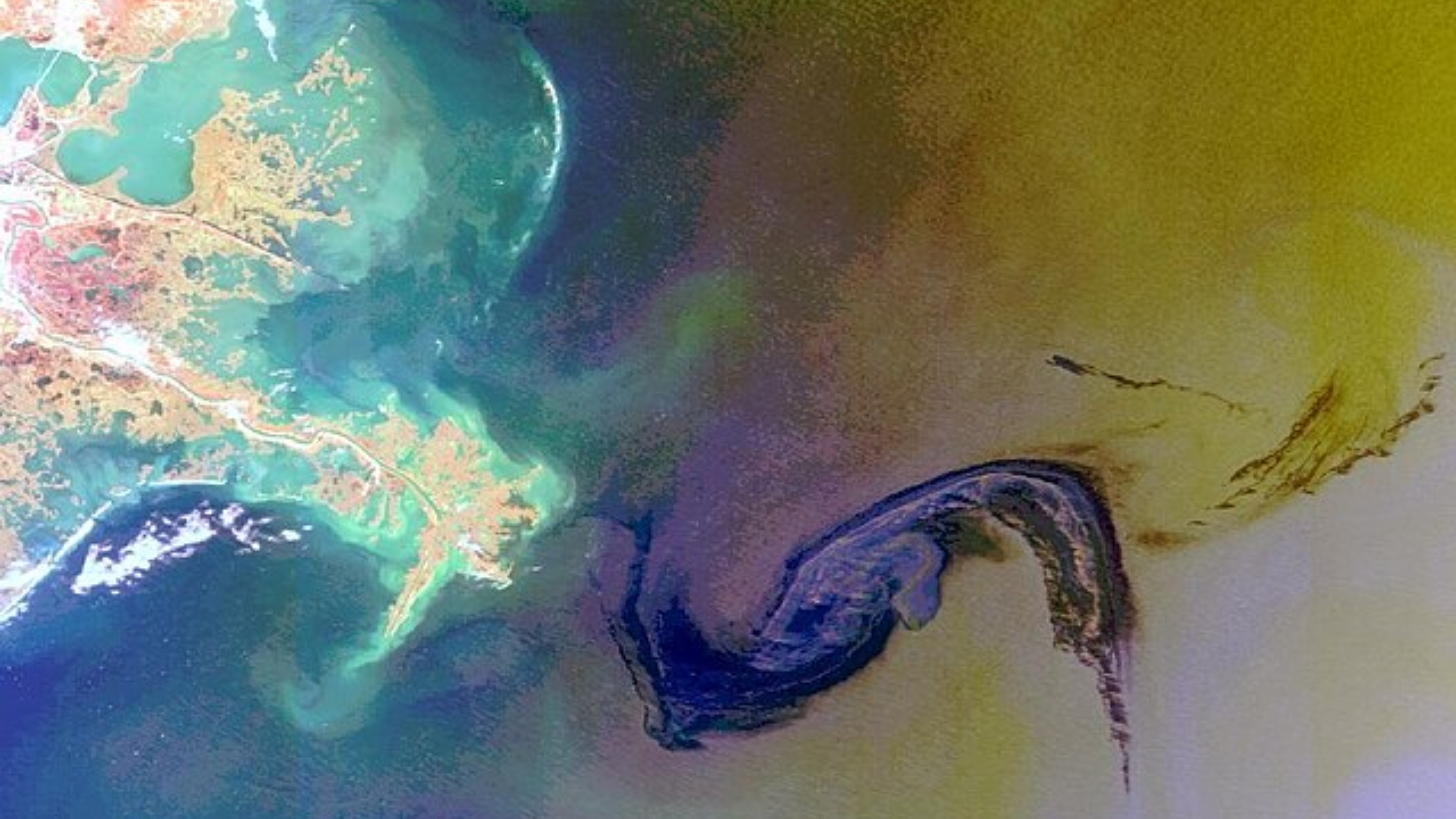
One of the most remarkable discoveries involved a rare form of water known as deuterated water. Unlike ordinary water, which contains hydrogen atoms made up of a single proton, deuterated water includes hydrogen atoms that also contain a neutron. This subtle difference makes the water slightly heavier and provides valuable information about the temperatures present when it formed.
Using ALMA, researchers detected deuterium within 3I/ATLAS, marking the first time this isotope has been identified in an interstellar object. The concentration was extraordinary. Scientists found deuterium levels more than 40 times higher than those measured in Earth’s oceans and over 30 times greater than those typically found in comets from our solar system.
Such an enrichment strongly suggests that the comet originated in an exceptionally cold environment. According to the research team, temperatures in its birth region likely remained below 30 Kelvin, equivalent to approximately minus 243 degrees Celsius. These frigid conditions allowed the unique chemical composition to remain preserved over vast stretches of time.
An Ancient Traveler From Another Era
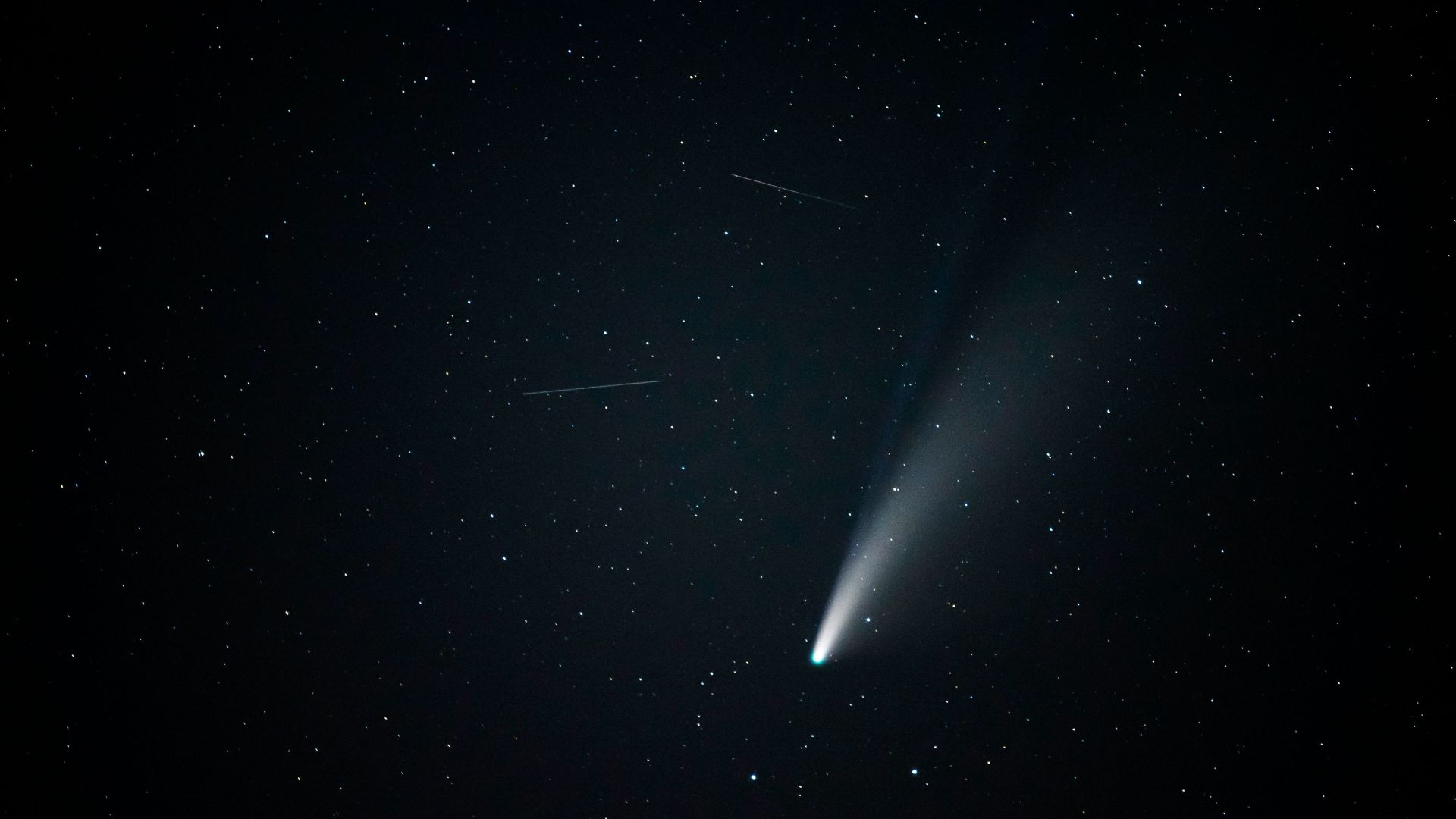
The unusual chemistry of 3I/ATLAS is not the only feature that makes it remarkable. Previous studies indicate that the comet could be as much as 11 billion years old, making it significantly older than both the Sun and the solar system, which formed roughly 4.5 billion years ago.
Scientists believe the water contained within the comet may have formed before the birth of its parent star. Later, the object itself likely emerged within a protoplanetary disk, a rotating cloud of gas and dust where planets and smaller bodies take shape. The comet appears to have spent most of its existence in the distant outer regions of that disk.
This scenario aligns with earlier observations that identified unusually high amounts of carbon dioxide within the comet. Together, these chemical fingerprints point toward an origin in the cold outer reaches of a young planetary system, where temperatures remained low enough to preserve volatile compounds for billions of years.
A Window Into The Galaxy’s Past
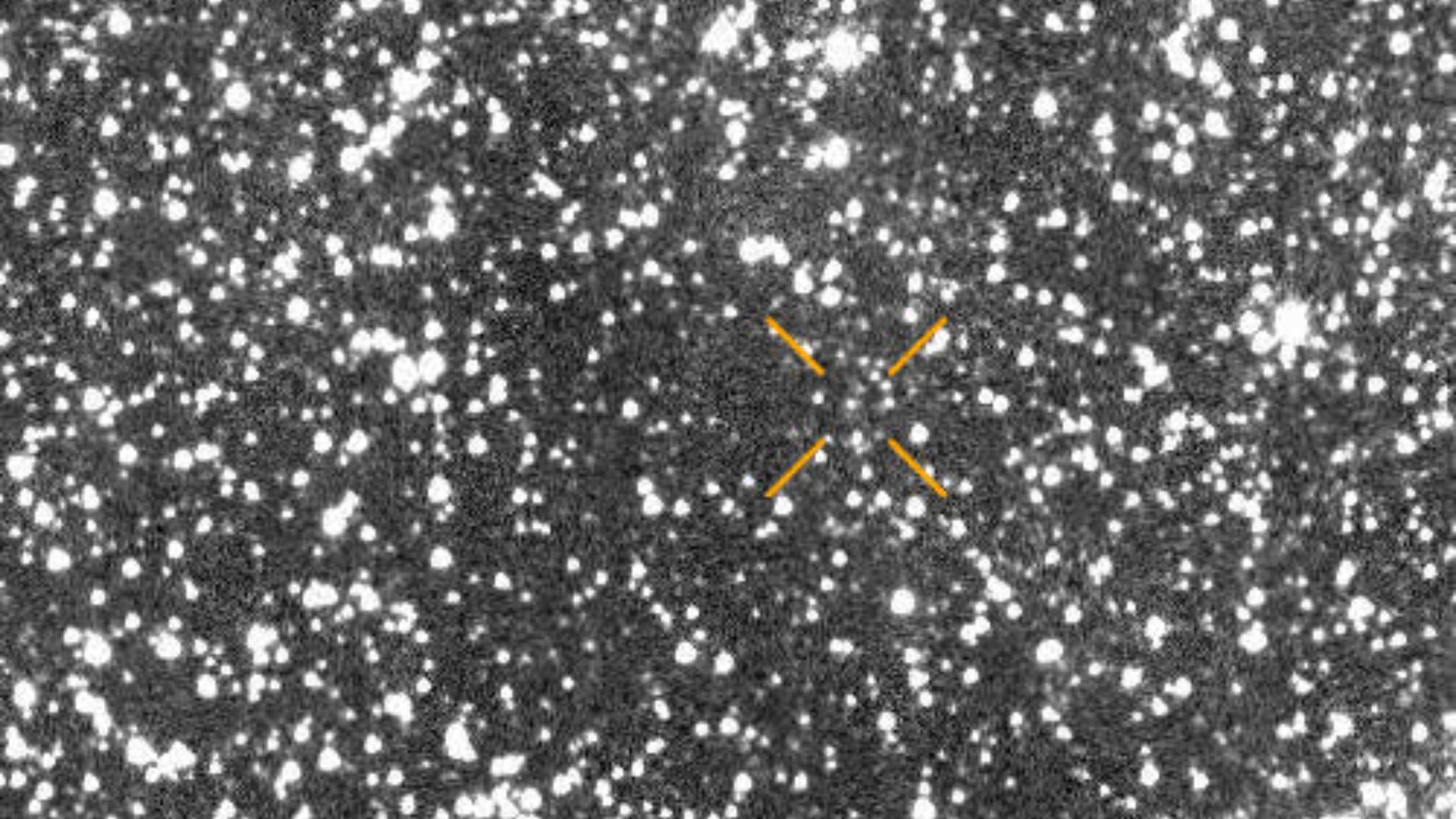
Observing 3I/ATLAS required precise timing. Shortly after the comet approached within approximately 203 million kilometers of the Sun, solar heat caused some of its frozen material to transform into gas, allowing astronomers to analyze its composition. Surprisingly, ordinary water was not detected, while deuterated water appeared clearly in the observations.
Although researchers may never determine the exact star system from which the comet originated, the object still offers invaluable scientific insights. Its chemical makeup serves as a record of conditions that existed when the Milky Way was far younger and less chemically enriched than it is today.
Future discoveries may help place 3I/ATLAS into a broader context. The recently operational Vera C. Rubin Observatory is expected to identify many more interstellar visitors in the coming years. As additional objects are studied, astronomers will be able to determine whether 3I/ATLAS is an exceptionally rare case or part of a larger population of ancient comets carrying similar signatures from the distant history of our galaxy.