Solar Power Has Led New U.S. Energy Projects for 28 Months. Could It Lower Bills?

Solar energy continues to reshape the U.S. electricity landscape at a remarkable pace. Despite ongoing debates around clean energy policies, newly released federal data shows that solar remains the leading source of new power generation capacity across the country. Its sustained growth highlights not only the changing energy mix but also the increasing role solar could play in reducing long-term energy costs for consumers.
Solar Continues Its Historic Growth Streak
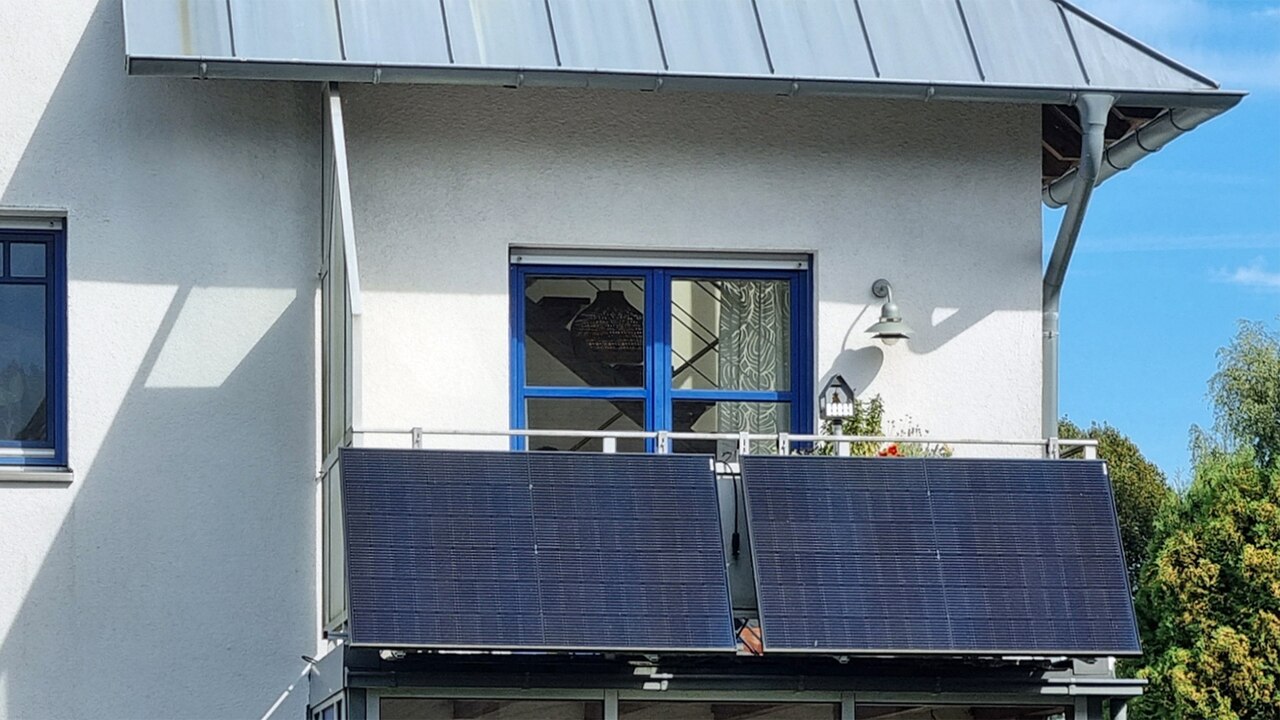
New figures from the Federal Energy Regulatory Commission reveal that solar energy has remained the leading source of newly added electricity generation capacity in the United States for 28 consecutive months. This uninterrupted run began in September 2023 and extended through December 2025, demonstrating the technology’s growing importance in meeting the nation’s energy demands.
Renewable Energy Dominated New Capacity Additions
Federal data reviewed by the SUN DAY Campaign shows that utility-scale solar accounted for 72.6% of all new generating capacity installed during 2025. Wind energy contributed an additional 15.7%, bringing the combined share of renewable sources to 88.4% of all new power capacity added throughout the year.
December Highlighted Solar’s Momentum

The final month of 2025 offered a clear snapshot of solar’s strength. During December alone, 17 new solar facilities began operating, providing a combined 993 megawatts of capacity. These projects represented more than 83% of all new electricity generation capacity brought online during that month.
Solar Surpasses Several Major Energy Sources

Installed utility-scale solar capacity in the United States has now reached approximately 164.5 gigawatts. This milestone places solar ahead of several long-established energy sources, including wind, hydropower, and nuclear power when measured individually, reflecting the technology’s rapid expansion over recent years.
Record Capacity Added Over Two Years
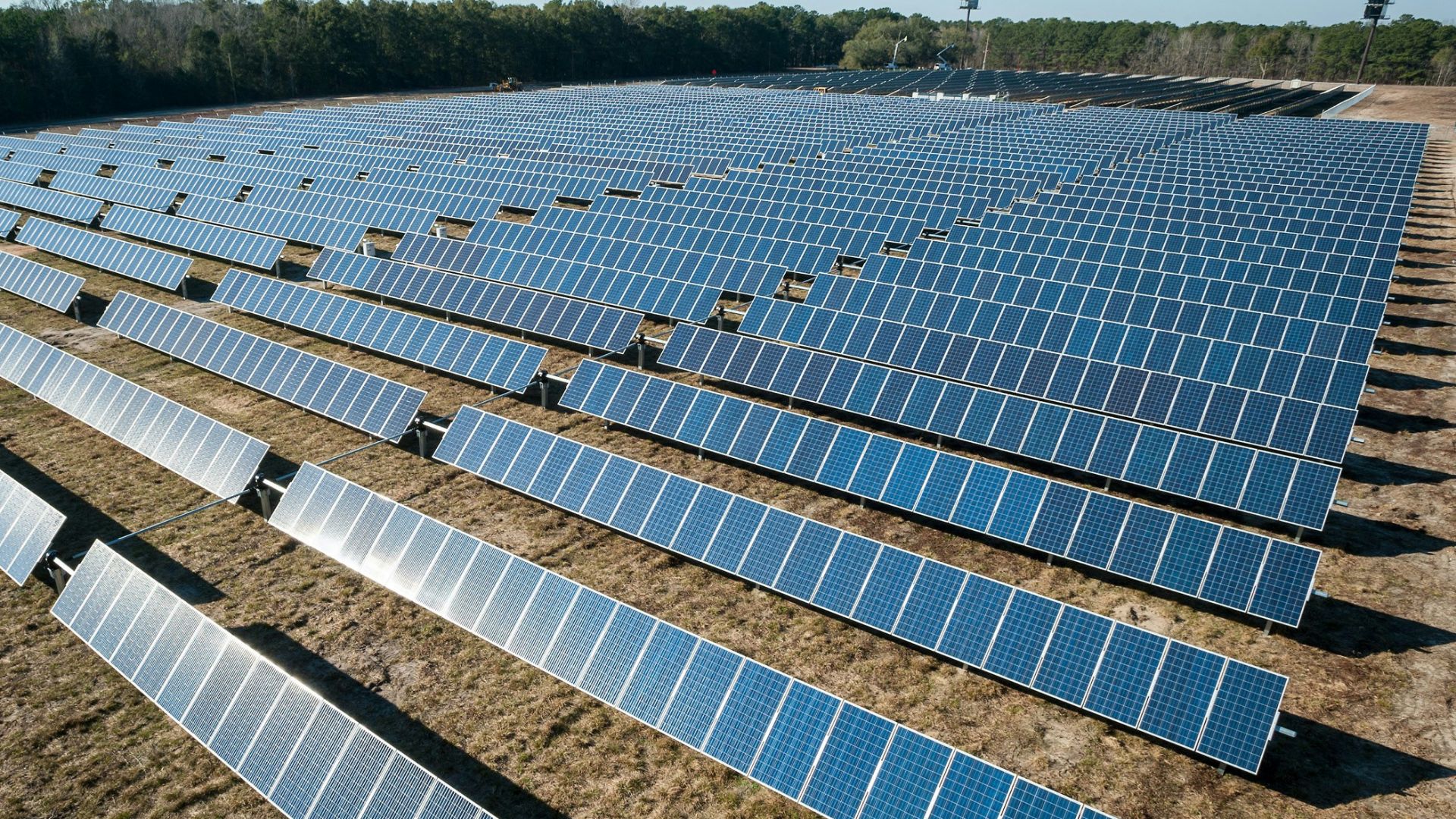
Throughout the 28-month period in which solar has led new capacity additions, more than 91 gigawatts of utility-scale solar power have been installed nationwide. No other electricity source added capacity at a comparable rate during the same timeframe, highlighting solar’s dominant role in new energy development.
What The Numbers Mean For Consumers
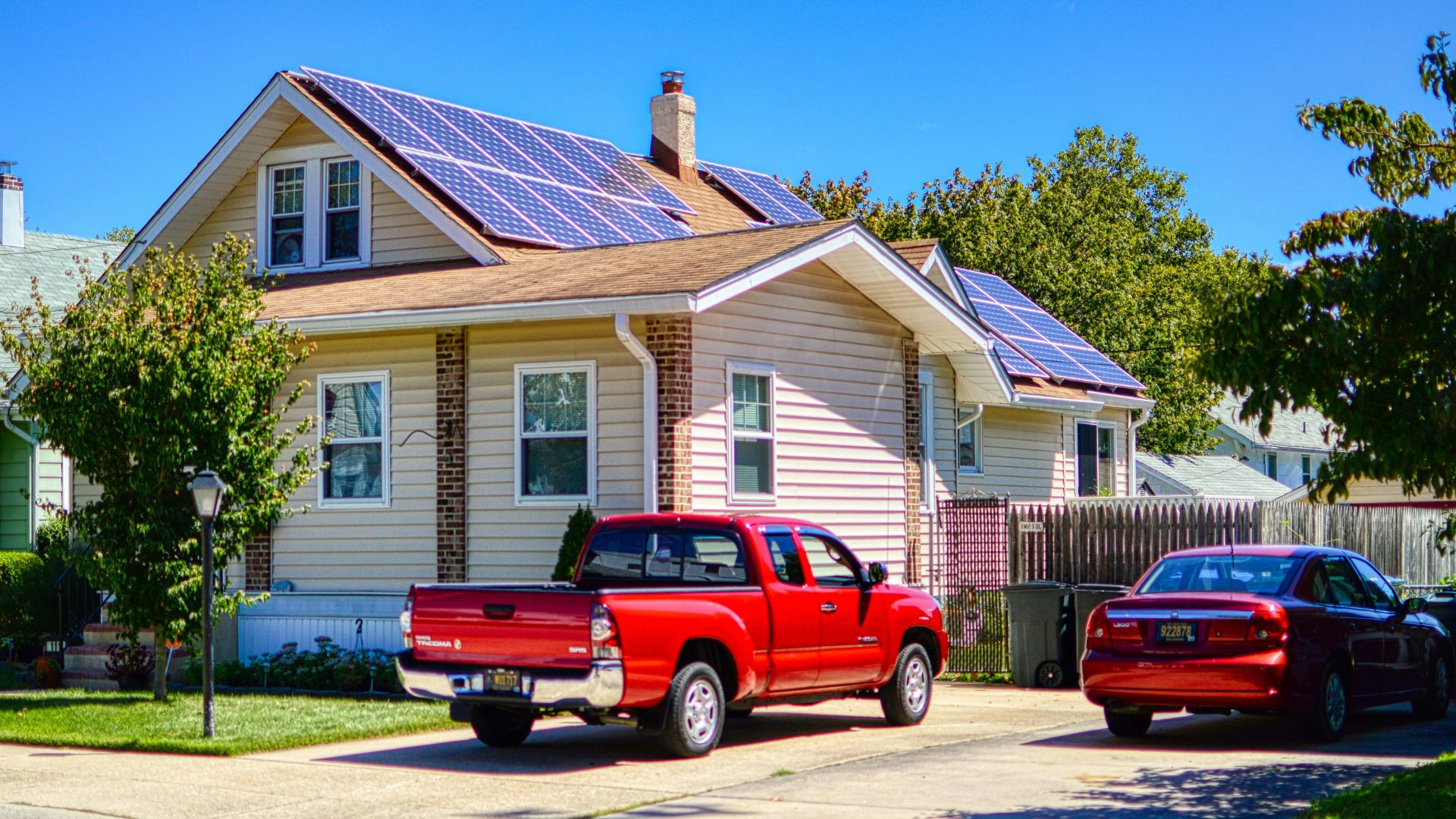
The continued rise of solar power demonstrates its value as a dependable and increasingly accessible energy solution. While much of the growth comes from large-scale projects connected to the electrical grid, homeowners can also benefit from adopting solar technology through reduced reliance on traditional utility-supplied electricity.
Solar Could Overtake Coal In The Years Ahead
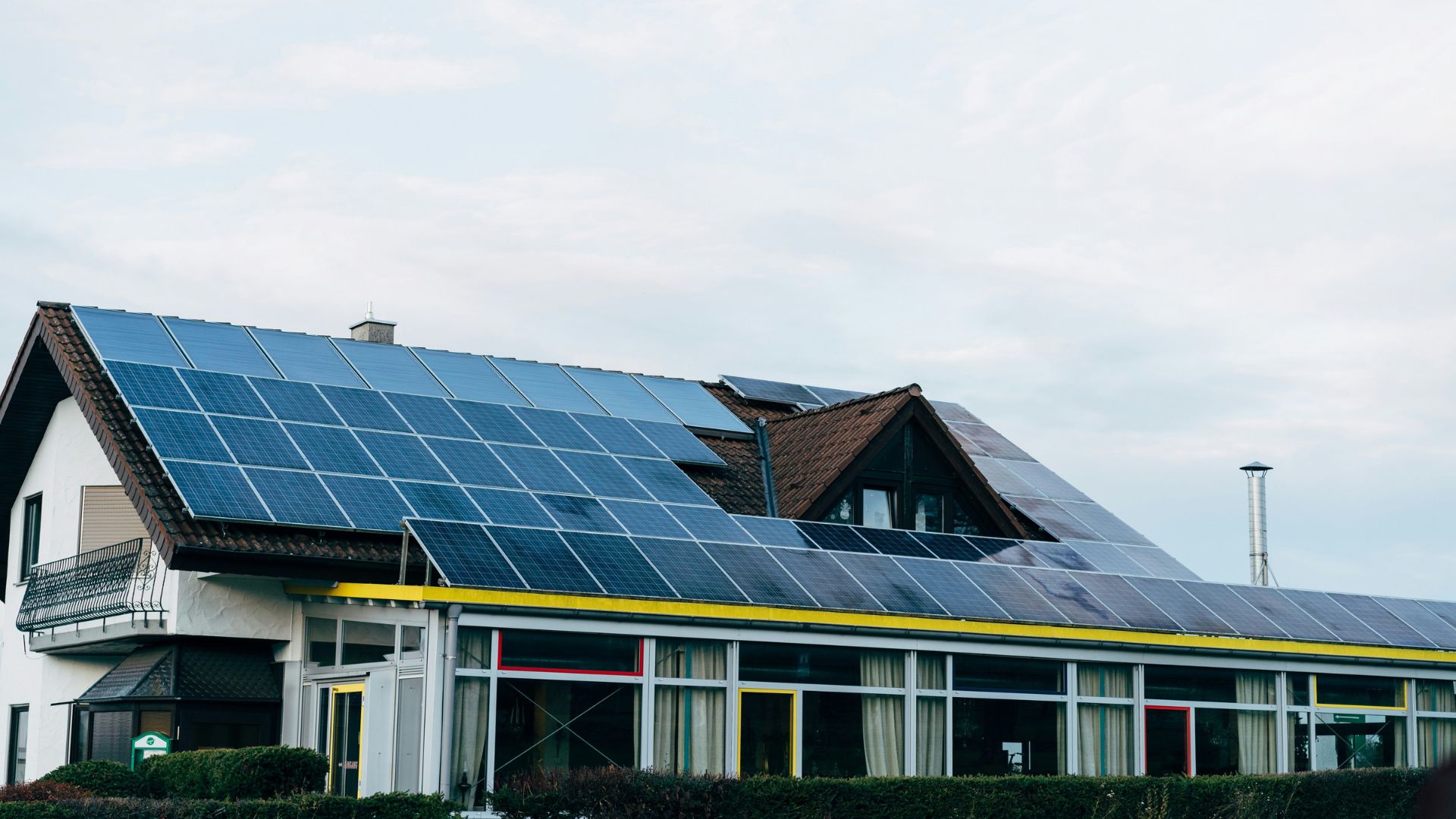
Industry projections suggest that solar energy will continue expanding rapidly. Forecasts based on federal data indicate that approximately 86 gigawatts of additional solar capacity could be installed over the next three years. If those expectations are met, solar would move ahead of coal in total installed generating capacity.
Experts Expect Growth To Continue

According to SUN DAY Campaign Executive Director Ken Bossong, current trends point toward sustained expansion for both solar and wind energy. He noted that recent figures reflect strong growth in renewable electricity generation and suggested that momentum is likely to continue despite policy and regulatory challenges.
Homeowners Are Exploring Solar Savings

As interest in residential solar grows, more homeowners are evaluating potential financial benefits. Solar installation comparison tools can help consumers estimate system costs, identify available incentives, and understand how much they may save through reduced electricity expenses over time.
Battery Storage Adds Extra Benefits

Pairing a solar system with battery storage can provide additional advantages beyond lower utility bills. Home batteries can supply backup power during outages, increase energy independence, and help households make better use of the electricity generated by their solar panels, creating a more resilient home energy setup.