Trump Says He May ‘Never Ever’ Remove This New White House Feature And It’s Dividing Americans
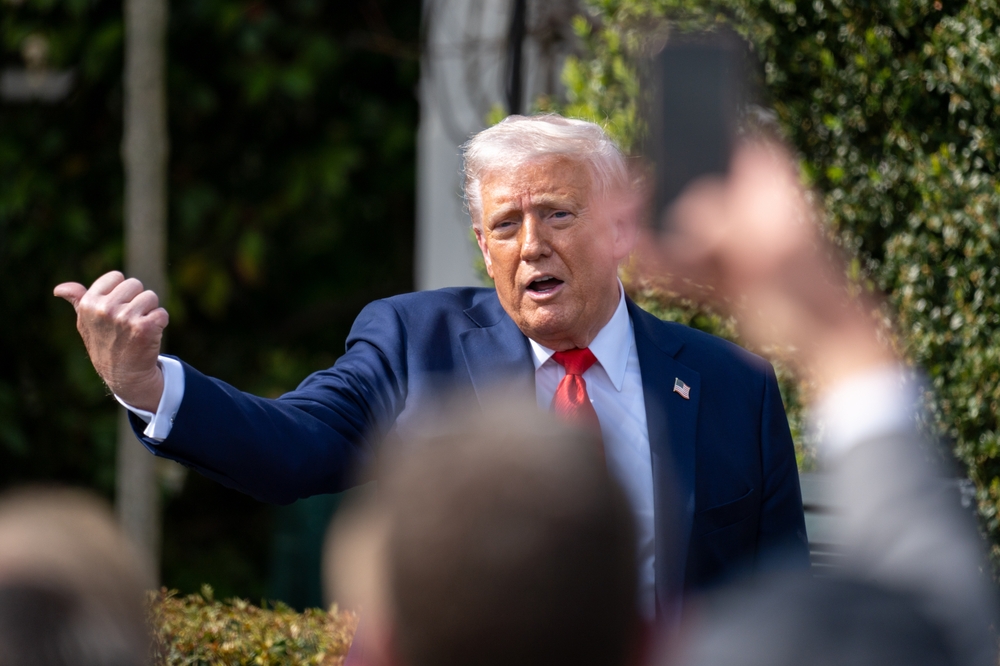

What began as a temporary venue for a historic UFC event on the White House South Lawn has suddenly become the subject of a national debate. President Donald Trump recently suggested that the massive arena being constructed for UFC Freedom 250 might remain in place indefinitely, comparing it to the Eiffel Tower and joking that it may “never, ever” be removed. The remark immediately sparked reactions ranging from amusement to criticism, highlighting broader disagreements over how the White House should be used and what it symbolizes.
The Structure Is Hard To Miss
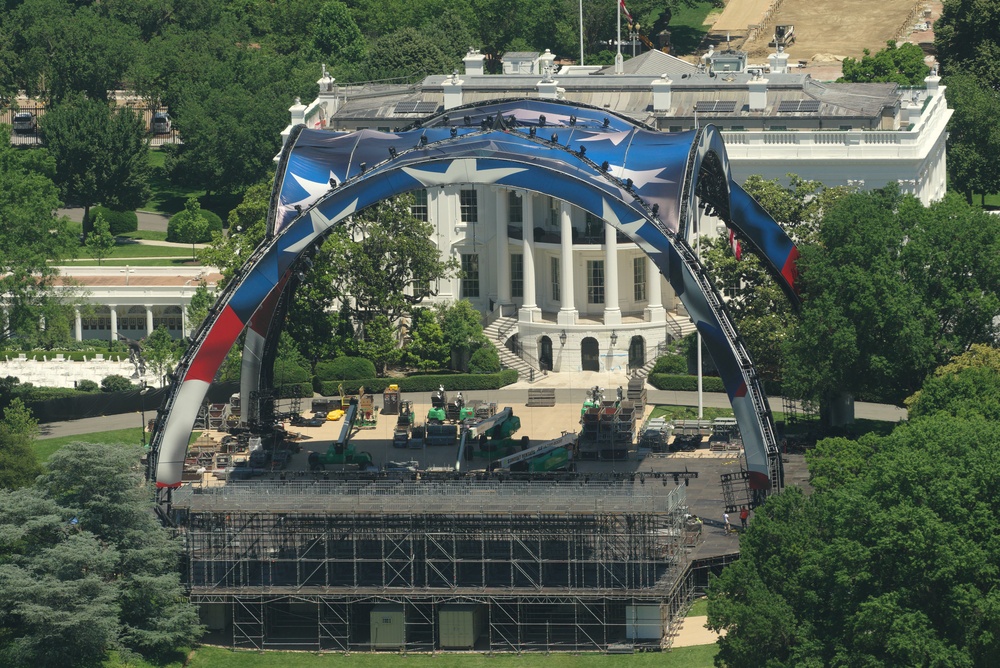
The arena’s scale has made it an attraction even before the first fight begins. Construction crews have erected a towering steel framework above the South Lawn, with reports describing the structure as reaching roughly 87 to 90 feet high. Beneath the arch will sit a UFC octagon and thousands of seats for invited guests attending the June 14 event, which coincides with Flag Day and Trump’s 80th birthday. Tourists and residents have already been gathering outside the White House to photograph the unusual addition to the presidential grounds.
How The Idea Of Permanence Emerged
Until recently, the UFC arena was widely understood to be temporary. UFC officials had reportedly committed funds to restore the South Lawn after the event concluded. That assumption changed when Trump posted a video from the Oval Office suggesting the structure might stay. Drawing a comparison to Paris’ Eiffel Tower, which was originally intended as a temporary installation for the 1889 World’s Fair, Trump mused that the White House arena could follow a similar path.
A UFC Event Unlike Any Before It
The June 14 event is expected to be the first major professional sporting competition held on White House grounds. Organizers plan to host roughly 4,300 to 5,000 invited guests around the octagon, while additional spectators could watch from large screens set up elsewhere in Washington. The event is part of broader celebrations marking the 250th anniversary of American independence and has become one of the most visible projects associated with that milestone.
Trump’s Long Relationship With Combat Sports
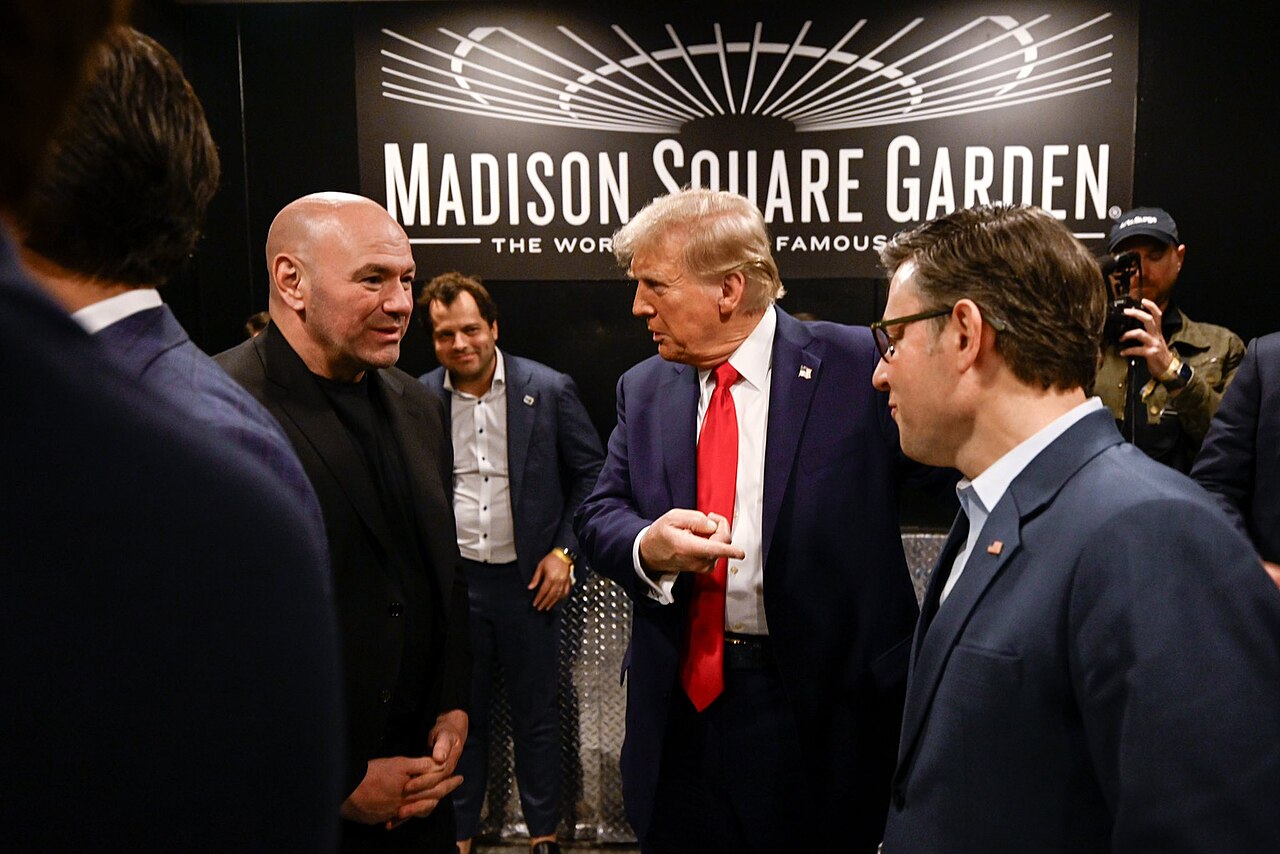
The White House event reflects Trump’s decades-long connection to combat sports. During his years in the casino industry, Trump hosted major boxing matches and developed relationships with prominent promoters and fighters. More recently, he has become a regular presence at UFC events and has maintained a close relationship with UFC President Dana White, who has been a public supporter. Trump has frequently described UFC athletes as modern-day warriors and has embraced the sport’s growing popularity.
Supporters See A Celebration Of American Culture
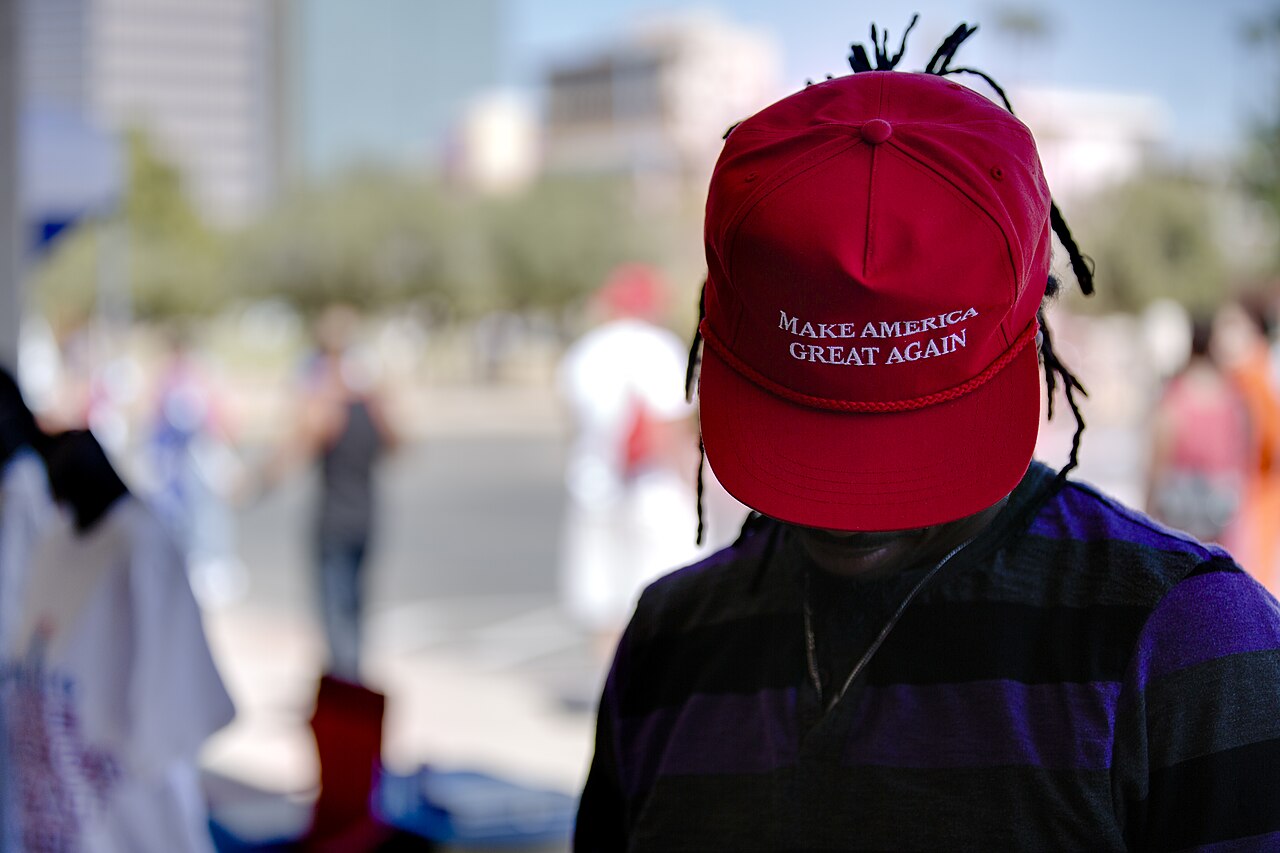
Many supporters view the arena as an unconventional but fitting way to celebrate America’s 250th anniversary. Some visitors interviewed near the White House described the structure as impressive and saw Trump’s comments about keeping it as playful rather than serious. Others argue that hosting a major sporting event on presidential grounds reflects the administration’s effort to make national celebrations more accessible, energetic, and culturally relevant to a broader audience.
Critics Question The Symbolism
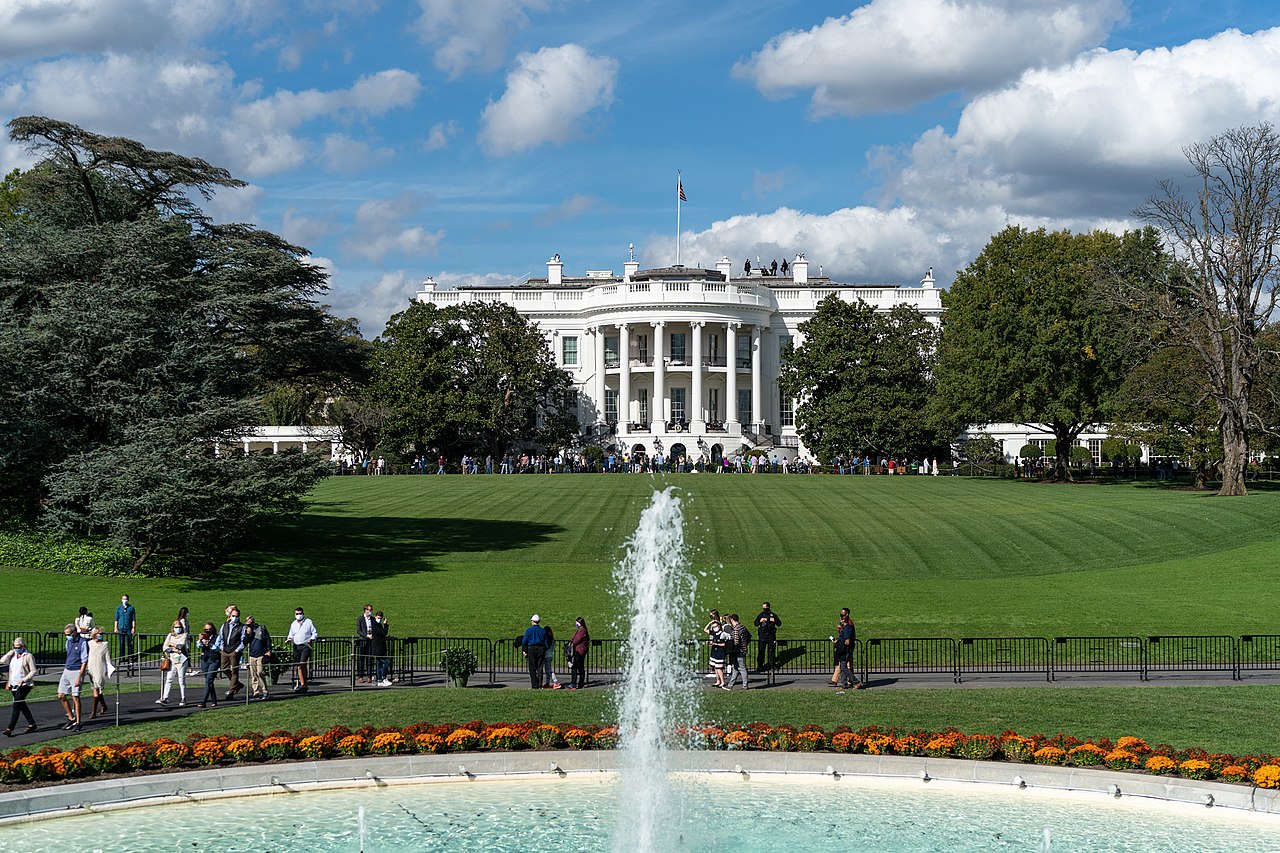
Opponents see the project very differently. Critics argue that placing a UFC cage at the White House risks transforming a historic national institution into a venue for political spectacle. Some observers have questioned the connection between mixed martial arts and the commemoration of the nation’s founding, while others view the proposal as part of a broader effort to reshape the image of the presidency around entertainment and personal branding.
The Debate Extends Beyond Sports
The controversy is not only about UFC. The discussion has become a proxy for larger arguments about how presidential spaces should evolve. Supporters point to previous additions and renovations undertaken by administrations throughout history, while critics contend that permanent changes to the White House grounds should be approached with greater caution. The arena debate has therefore become intertwined with broader conversations about tradition, symbolism, and executive authority.
Questions Remain About Whether It Could Stay
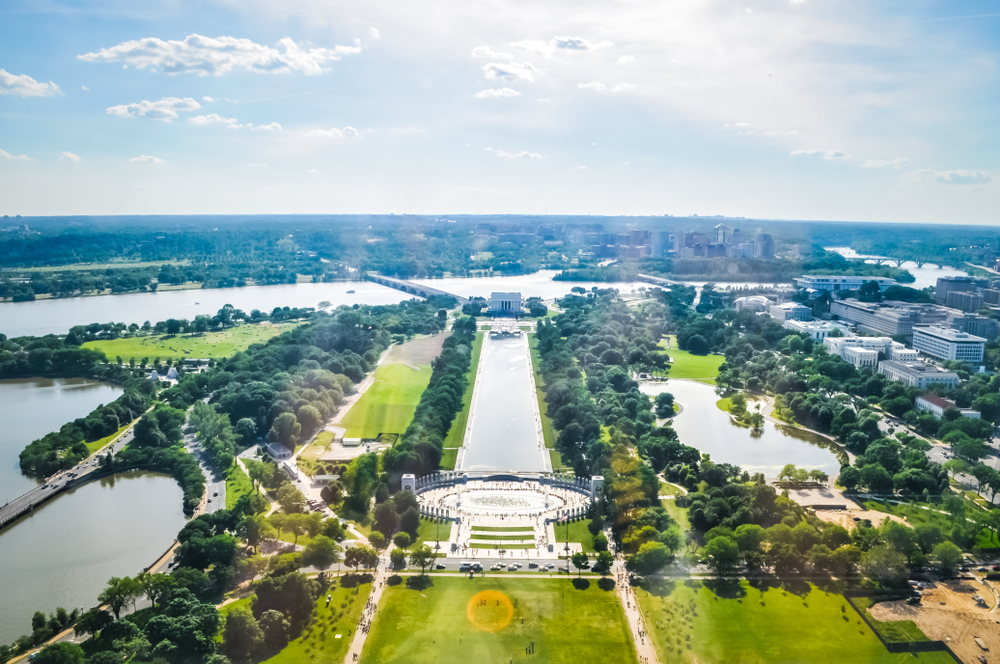
Even if Trump genuinely wanted the structure to remain, experts have noted that permanently installing a fighting arena on White House grounds would likely involve legal, historical, and administrative hurdles. Reporting on the proposal has noted that major modifications to the White House complex often require approvals beyond the president alone. As a result, many observers believe the comments were more rhetorical than practical, though they nevertheless fueled widespread debate.
The Arena Has Already Accomplished One Thing
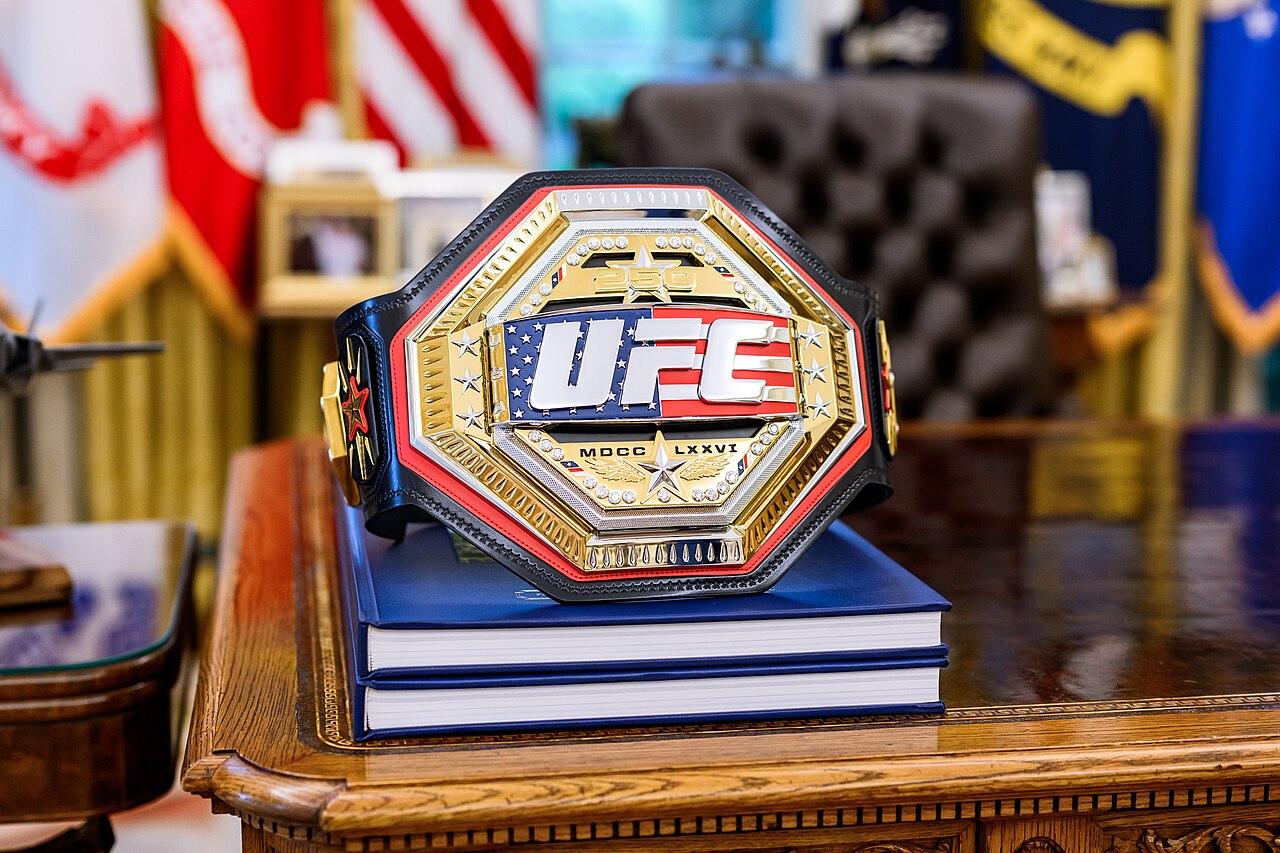
Whether the structure is dismantled days after the final fight or becomes part of a longer conversation about the future of the White House, it has already achieved one outcome: it has captured public attention. The towering arena has become a visual symbol of a presidency that seem to frequently blend politics, entertainment, and spectacle. As UFC Freedom 250 approaches, the question is no longer just who will win inside the octagon, but what Americans want the grounds outside the White House to represent in the years ahead.