Dr. Oz Targets Billions in Medicaid Spending as New Requirements Could Put Coverage at Risk for Some Recipients
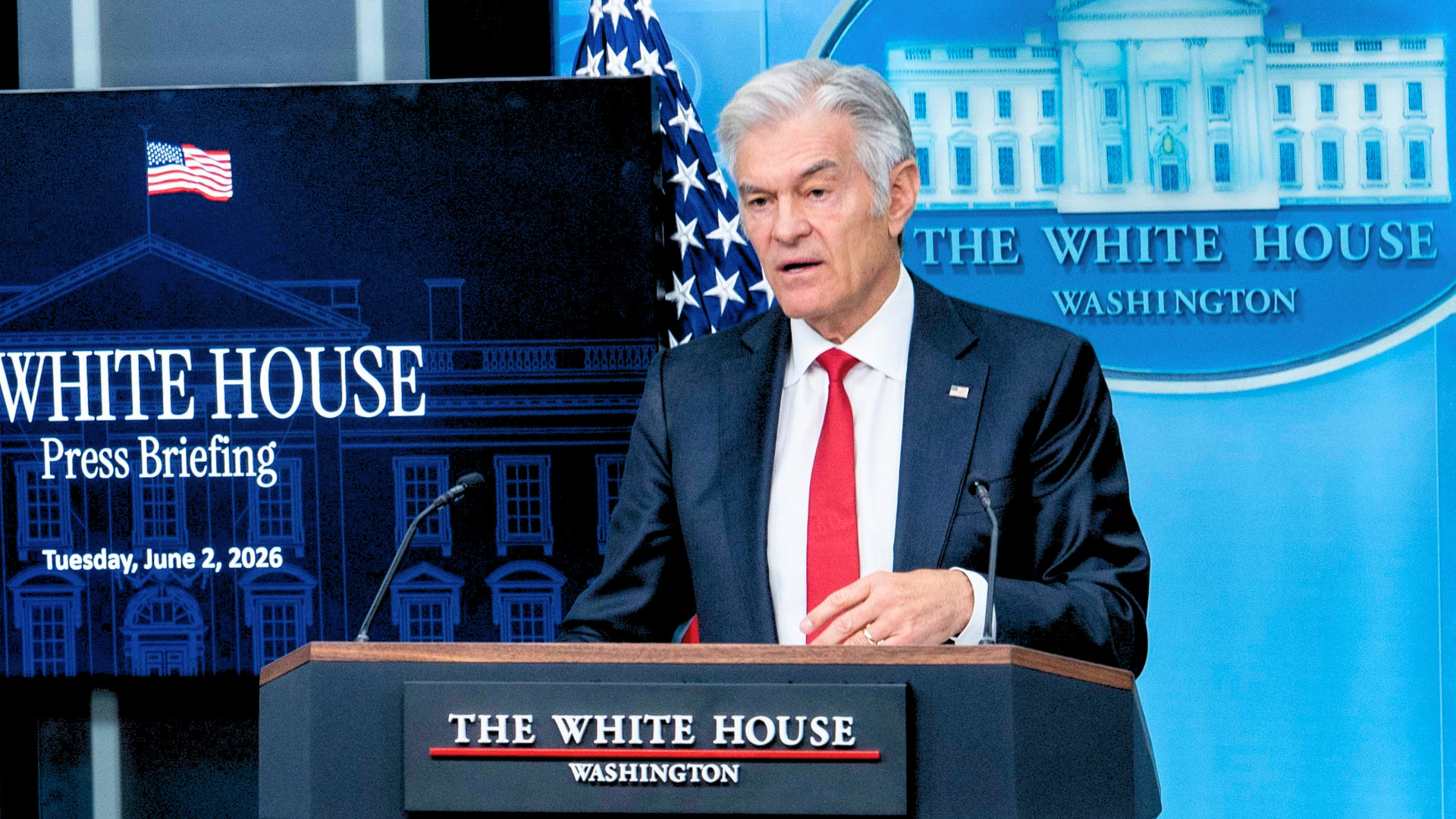

Dr. Mehmet Oz, who currently serves as administrator of the Centers for Medicare & Medicaid Services (CMS), has unveiled a series of Medicaid reform efforts aimed at reducing spending, strengthening eligibility verification, and limiting what officials describe as improper payments. The proposals include increased scrutiny of Medicaid funding used for non-citizens who do not qualify under federal law, as well as new work requirements for certain able-bodied adult recipients. Supporters say the changes are intended to protect taxpayer dollars and preserve the program for eligible beneficiaries.
According to reports, CMS officials estimate that billions of dollars in Medicaid spending could be affected by the proposed reforms. One area of focus involves payments that federal officials claim have been improperly directed toward individuals who are not legally eligible for full Medicaid benefits. The administration argues that stronger oversight and eligibility enforcement could reduce waste while improving accountability across state Medicaid programs.
The proposed changes arrive as Medicaid continues serving millions of low-income Americans, including children, seniors, pregnant women, and individuals with disabilities. Because the program represents one of the largest sources of public healthcare funding in the United States, even modest policy changes can have significant financial and coverage implications. The proposals have already generated debate among healthcare providers, policy experts, and advocacy groups.
Work Requirements Become a Central Part of the Overhaul

One of the most closely watched aspects of the proposal involves work requirements for certain Medicaid recipients classified as able-bodied adults. Under the plan, some beneficiaries may be required to document employment, job training, education, or other qualifying activities to maintain coverage. Supporters argue that encouraging workforce participation can help individuals achieve greater financial independence while reducing long-term reliance on public assistance programs.
Proponents of work requirements point to similar policies that have been proposed or implemented in several states over the past decade. They argue that employment requirements can strengthen connections between public benefits and workforce participation. Administration officials have stated that exemptions would continue to apply for individuals who are disabled, elderly, pregnant, or otherwise unable to work.
Critics, however, warn that administrative hurdles could cause some eligible individuals to lose coverage even if they meet program requirements. Healthcare advocates argue that paperwork challenges, reporting errors, and inconsistent access to documentation systems may create barriers for recipients. As a result, debate continues over whether work requirements reduce costs efficiently or primarily increase the risk of coverage disruptions.
Increased Oversight Targets Billions in Medicaid Spending
Federal officials have also focused attention on what they describe as improper Medicaid spending and eligibility verification issues. Reports indicate that CMS intends to strengthen oversight mechanisms designed to ensure that federal funds are directed only toward individuals who qualify under existing laws and regulations. The administration has specifically highlighted concerns about payments connected to individuals who are not legally eligible for full federally funded Medicaid coverage.
Supporters of the reforms argue that stronger verification systems could help reduce fraud, waste, and abuse while preserving resources for eligible recipients. They contend that accurate eligibility reviews are necessary to maintain public confidence in large government healthcare programs. Officials have also stated that improved data sharing and compliance measures could help states identify and prevent improper payments more effectively.
Healthcare organizations and advocacy groups have expressed concerns about how aggressively the new policies may be implemented. Some experts caution that overly restrictive eligibility reviews could unintentionally affect legally eligible beneficiaries. Others emphasize that balancing fiscal oversight with uninterrupted access to healthcare remains one of the central challenges facing Medicaid administrators.
Medicaid Changes Could Have Broad Impact on Coverage and Costs

The Medicaid reforms announced under Dr. Oz’s leadership represent one of the most significant federal efforts in recent years to reshape eligibility oversight and spending controls within the program. Administration officials argue that stronger verification procedures and work requirements will help reduce improper spending while preserving resources for eligible beneficiaries. The proposals are part of a broader effort to increase accountability across federal healthcare programs.
Supporters believe the changes could generate substantial savings and improve confidence in Medicaid’s long-term sustainability. They argue that enforcing eligibility standards and encouraging workforce participation are reasonable measures that protect taxpayer-funded resources. Federal officials have emphasized that vulnerable populations such as seniors, children, and individuals with disabilities would continue receiving protections under existing program rules.
At the same time, critics remain concerned that additional reporting requirements and stricter reviews could lead some eligible individuals to lose coverage. The debate reflects broader disagreements about how best to balance program integrity, fiscal responsibility, and healthcare access. As the proposed reforms move forward, policymakers, healthcare providers, and beneficiaries will be closely watching their potential impact on millions of Americans who rely on Medicaid coverage.