School Cuts Off Valedictorian’s Speech After Going Off Script With Political Remarks

An elite high school student speaking at her own graduation was abruptly cut short and escorted away from the podium by school administrators after deviating from her district-approved script. Top-ranked graduate Leen Hijaz used the final moments of her valedictorian address to condemn global humanitarian conditions and domestic immigration enforcement. The unexpected disruption shattered the highly choreographed, celebratory atmosphere of the commencement, sparking an immediate national debate regarding free speech boundaries and administrative censorship at school-sponsored functions.
Johnston County Public Schools issued an official directive validating the administration’s intervention
The dramatic intervention at the ceremony was confirmed and defended by Johnston County Public Schools through an official administrative press release. District officials stated that student speakers are required to submit their graduation remarks in advance to guarantee that school-sponsored events remain strictly aligned with their intended educational purpose. School administrators clarified that their decision to pull the student from the microphone was implemented in real time solely to preserve the integrity and uniform focus of the pre-planned program.
Over ten million social media viewers watched the principal halt the graduation ceremony
Video footage of the physical confrontation quickly went viral on digital platforms, drawing over twelve million views within forty-eight hours of the ceremony. The digital record captures the precise moment Clayton High School Principal Melissa Moore Hubbard walked onto the stage, took the student by the arm, and ended the presentation. While the raw data shows sixty-five global unprovoked shark bites elsewhere, this completely separate domestic legal battle over free speech registers as a monumental flashpoint for student rights in America.
The strict pre-approval policy surprised families who expected protected first amendment expressions
The high-profile confrontation defied conventional public assumptions regarding a student’s right to speak freely on public property. Many families inside the stadium were entirely unaware that local board policies actively restrict graduation addresses to sanitized, non-political narratives. Because the Supreme Court historical baseline grants public institutions the legal right to regulate school-sponsored speech, the sudden enforcement exposed a profound structural gap between popular cultural ideals of free expression and rigid, underlying educational statutes.
Valedictorian Leen Hijaz admitted she deliberately concealed her final political paragraphs
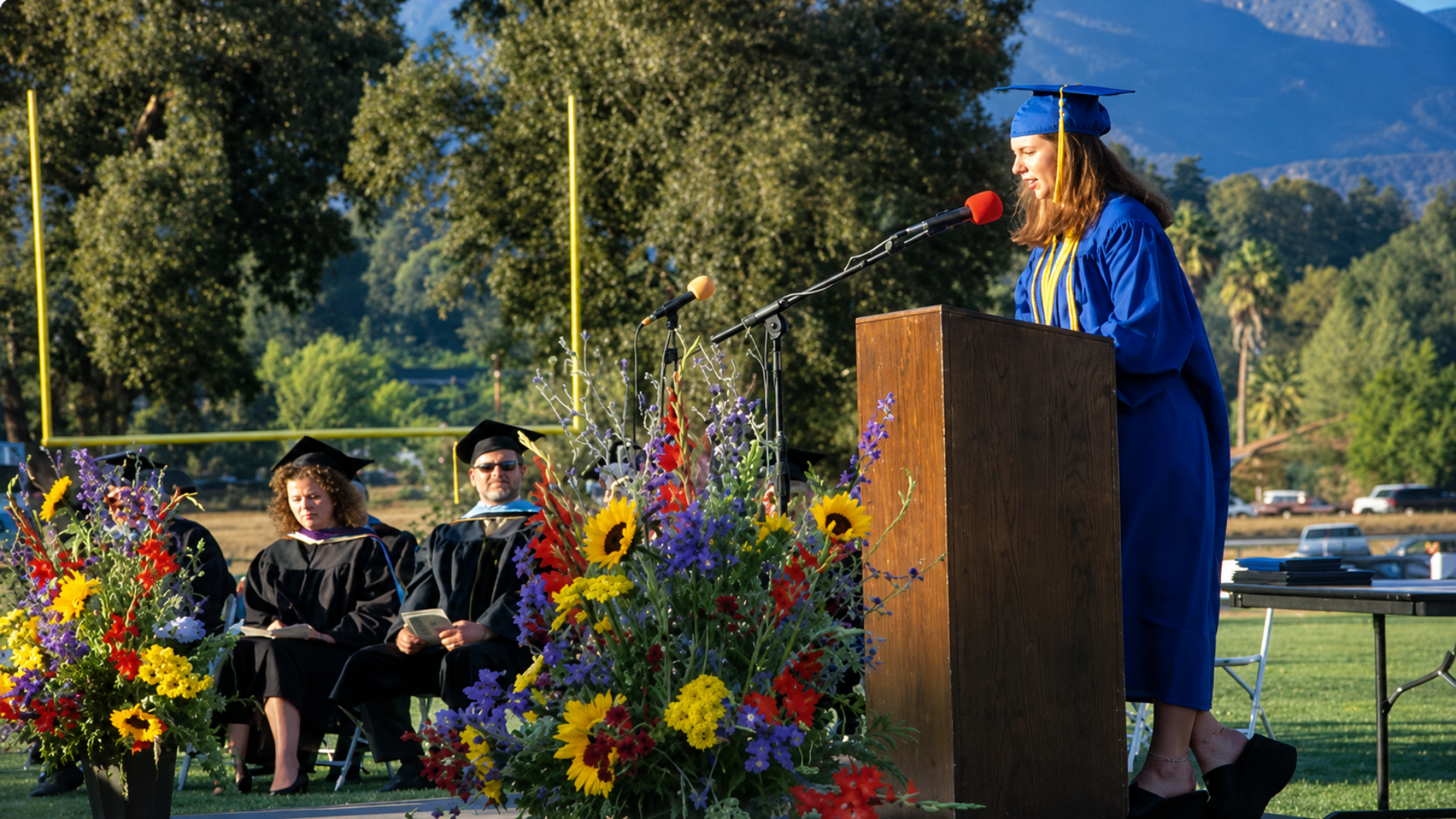
The central actor driving the controversy openly acknowledged that she planned the graduation disruption well in advance. Following the incident, Leen Hijaz posted a video statement explaining that she spent six months completing intensive academic work to graduate an entire year early specifically to claim the valedictorian platform. Hijaz stated that she deliberately left the controversial remarks out of her submitted draft because she knew local administrators would have immediately rejected her commentary on global affairs.
The unscripted message highlighted global conflicts and domestic law enforcement actions

“Whether it’s the millions suffering in Palestine, Sudan, Congo, Afghanistan and so many other countries around the world, or the families being torn apart by ICE, these are not distant issues. They are happening right now as I speak.” Leen Hijaz delivered this unapproved statement at the Clayton High School commencement ceremony on May 28, 2026.
Civil rights groups launched aggressive counter campaigns to demand the student’s diploma
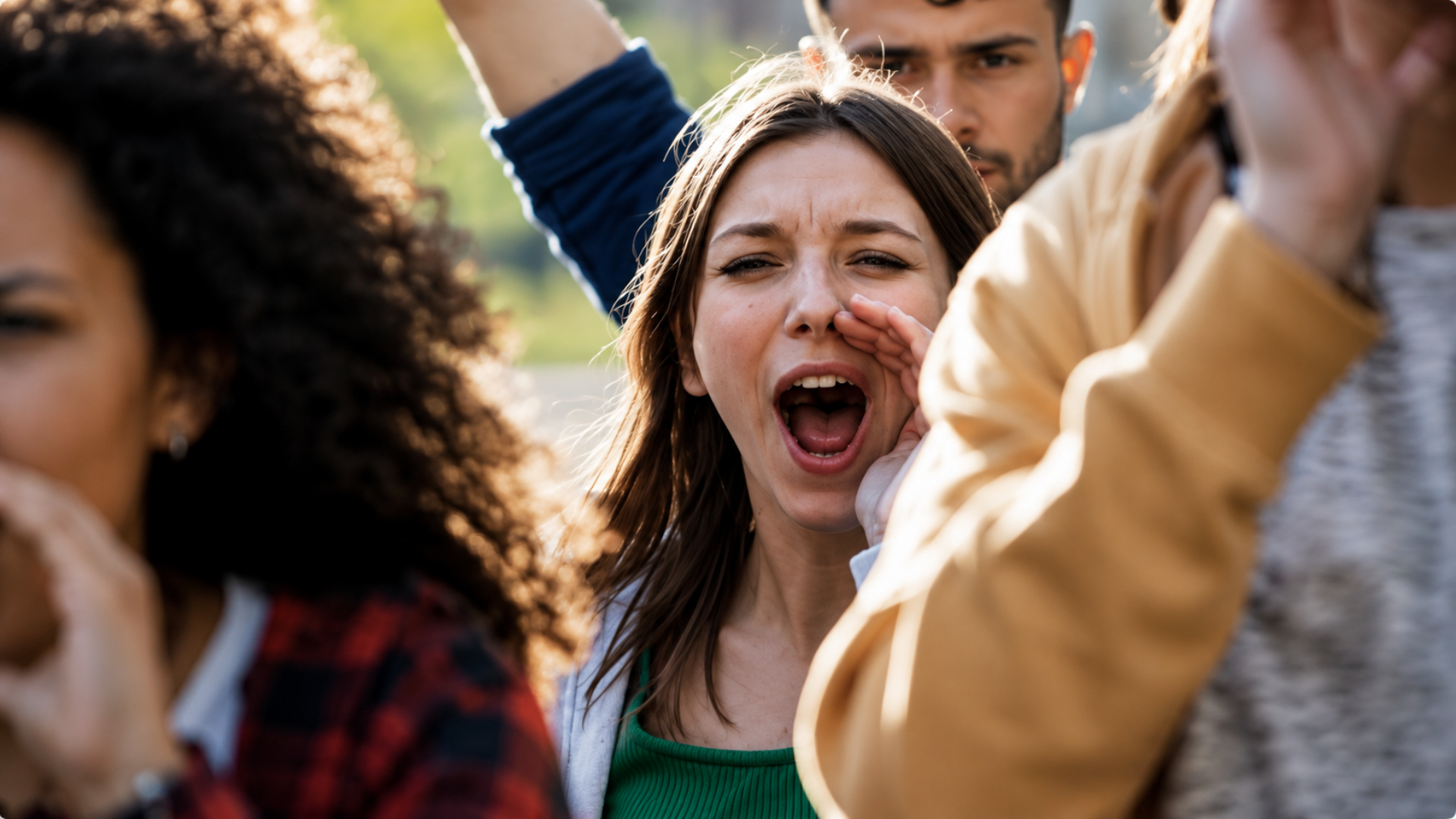
The school district’s decision to temporarily withhold the student’s official academic diploma created an immediate secondary complication that drew heavy institutional pushback. The Council on American-Islamic Relations issued a formal condemnation, accusing school administrators of utilizing punitive economic and legal sanctions to suppress legitimate civic engagement. This intense pressure from advocacy networks forced regional school administrators to re-evaluate their disciplinary timeline, culminating in the official release of the graduate’s diploma five days later.
School districts nationwide are facing a broader pattern of growing graduation disruptions
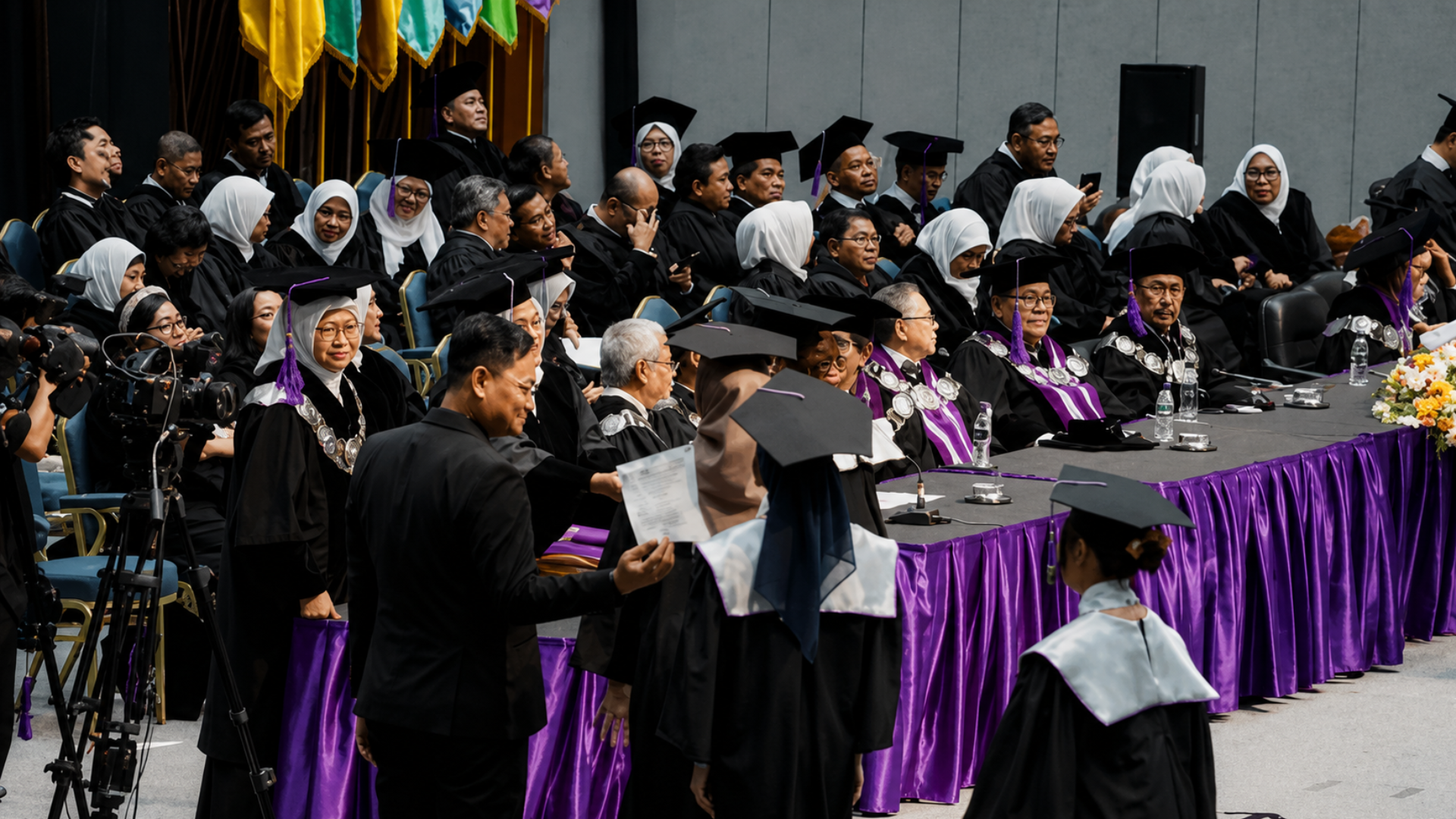
This high school standoff mirrors a sweeping, nationwide trend of students using prominent academic milestones to stage unapproved political protests. Across the United States, school boards are grappling with an unprecedented rise in graduation disruptions centered on international conflicts and domestic social policies. To combat this pattern, legal counsels for public school systems are aggressively updating their behavioral codes, introducing stricter security protocols, and requiring mandatory microphone-kill switches at the podium.
Ordinary American families now face stricter limitations on public student expression

The institutional fallout from the North Carolina incident lands directly on ordinary families preparing for upcoming public school milestones. Parents must now navigate highly restrictive district contracts that strip students of their speaking privileges or withhold their physical diplomas for a single unscripted word. This concrete tightening of local regulations means that young citizens are losing access to traditional public forums, altering how the next generation of scholars experiences the transition into adult civic life.
This local showdown reframe student speech rules as a prologue to upcoming federal battles
Long after the class of 2026 leaves local campuses, the systemic ripples from the Clayton High School intervention will continue to reshape public education laws. Legal scholars predict that this specific case will serve as a legal prologue to broader federal court battles aimed at redefining the exact boundaries of state-mandated censorship. As secondary institutions increasingly prioritize program uniformity over raw individual expression, the final chapter on student constitutional rights in the modern digital age remains completely unwritten.