Jesus Wasn’t Called “Jesus” in His Lifetime, Here’s His Original Name
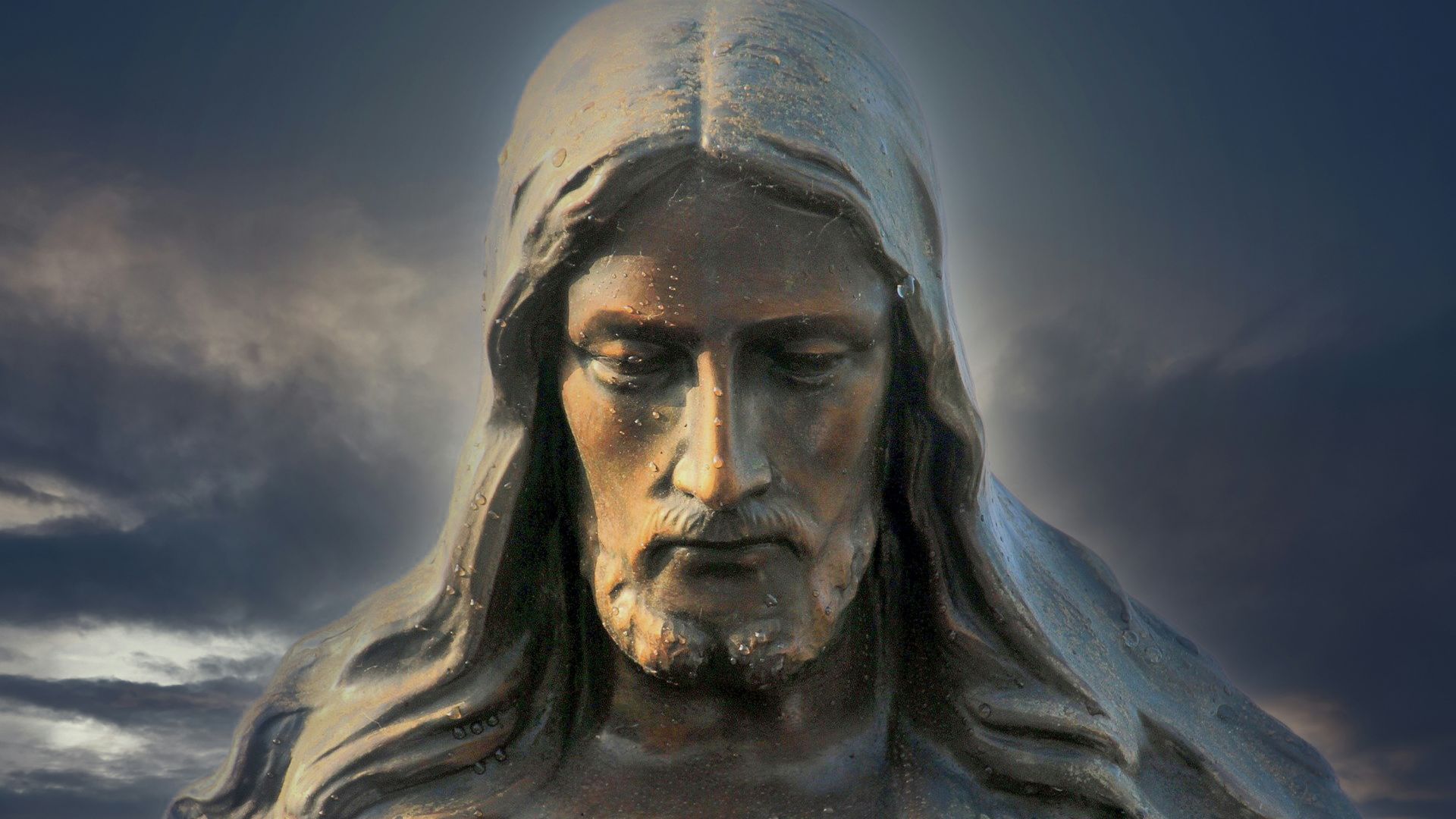

Most people know him as Jesus, a name recognized across cultures and generations. Yet historians agree that this was not the exact name used during his lifetime. The version known today emerged through centuries of linguistic evolution as religious texts moved between different languages and civilizations.
The man from Nazareth lived in a region where Aramaic was commonly spoken, while Hebrew maintained an important role in religious life. As his teachings spread beyond Judea, translators and writers adapted his name to fit new alphabets and pronunciations, gradually transforming it into the form familiar today.
This journey from an ancient Semitic name to the modern English version reveals how language constantly changes. It also offers insight into the historical world in which one of history’s most influential figures lived.
The Name He Would Have Heard During His Lifetime

Many scholars believe the name used by Jesus and those around him was Yeshua, a common Jewish name in first century Judea. Because numerous individuals shared that name, people often added details to identify a specific person.
One of the most common designations was Yeshua Ha-Nozri, meaning “Yeshua of Nazareth.” Linking a person to their hometown was a practical way to distinguish them from others who carried the same name.
Some researchers have also noted that the term Nozri bears similarities to Hebrew words associated with a branch or shoot. Over the centuries, certain interpretations connected this linguistic detail to ancient messianic expectations found in Jewish tradition.
How His Followers Chose To Address Him

While Yeshua may have been his personal name, his disciples likely addressed him differently in daily conversation. In Jewish culture, directly calling a respected rabbi by his given name could be viewed as overly familiar or lacking proper respect.
Instead, followers often used honorific expressions. One such term was Mari, an Aramaic word that can be understood as “my master” or “sir.” It reflected the relationship between teacher and student rather than serving as a declaration of divine status.
On especially meaningful occasions, some followers used the term Rabbouni. This expression conveyed deeper affection and reverence than the more common title Rabbi. Its preservation in biblical texts provides a glimpse into the language spoken by those closest to him.
From Yeshua To Iēsous And Beyond

As the message of Christianity expanded into Greek-speaking regions, the pronunciation of Yeshua encountered a challenge. Greek lacked certain sounds found in Aramaic, including the “sh” sound, making a direct translation difficult.
To accommodate Greek pronunciation, the name became Iēsous. This version appeared in early Christian writings and was widely adopted throughout the eastern Mediterranean. Over time, it became the standard form used in Greek texts, including much of the New Testament.
Centuries later, translators working in Latin preserved a similar form, written as Iesus. At that stage, the letter J had not yet developed into the distinct character recognized today. As European languages evolved, spelling conventions changed as well, eventually producing the modern English name Jesus. Not every name associated with Jesus functioned as a personal identifier. Some served as titles that communicated how people understood his role and mission. One of the most significant was Yeshua Ha-Mashiach, meaning “Yeshua the Messiah.”