New Hantavirus Case Confirmed in Spain After Cruise Ship Outbreak
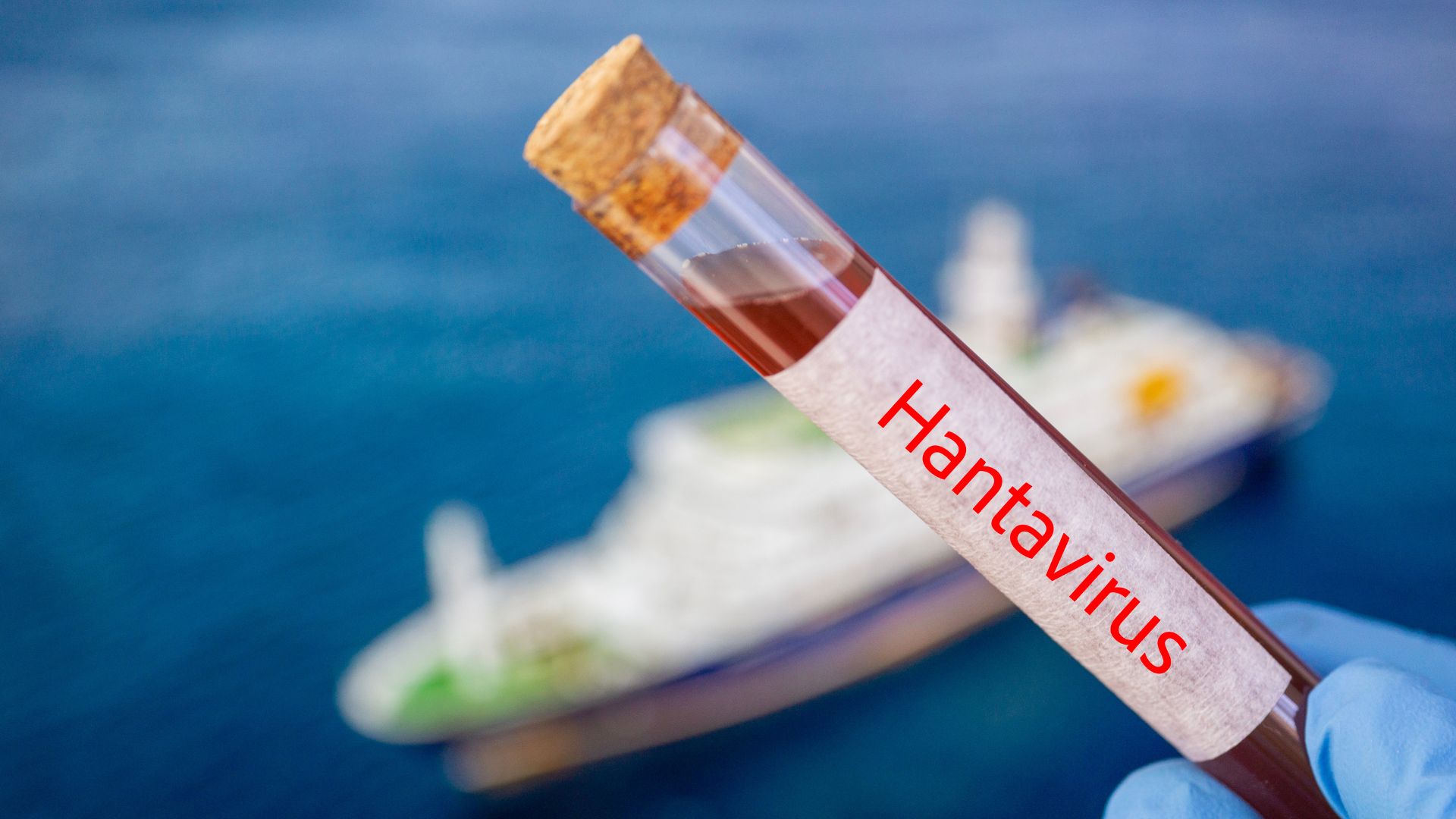

A new hantavirus infection has been confirmed in Spain following the outbreak associated with the expedition cruise ship MV Hondius. Spanish health authorities reported that one of the passengers evacuated from the vessel and placed under observation after arriving in the country tested positive during routine monitoring procedures.
The individual was among a group of Spanish citizens who had been repatriated after the ship reached Tenerife. Following their arrival, passengers considered at risk were transferred to Madrid and placed under medical supervision while authorities assessed potential exposure to the virus.
The latest diagnosis marks another case connected to the outbreak that has drawn international attention in recent weeks. Spanish officials emphasized that the patient had already been isolated and monitored under established public health protocols, allowing healthcare teams to respond immediately once the infection was confirmed.
Health Authorities Continue Monitoring Exposed Passengers
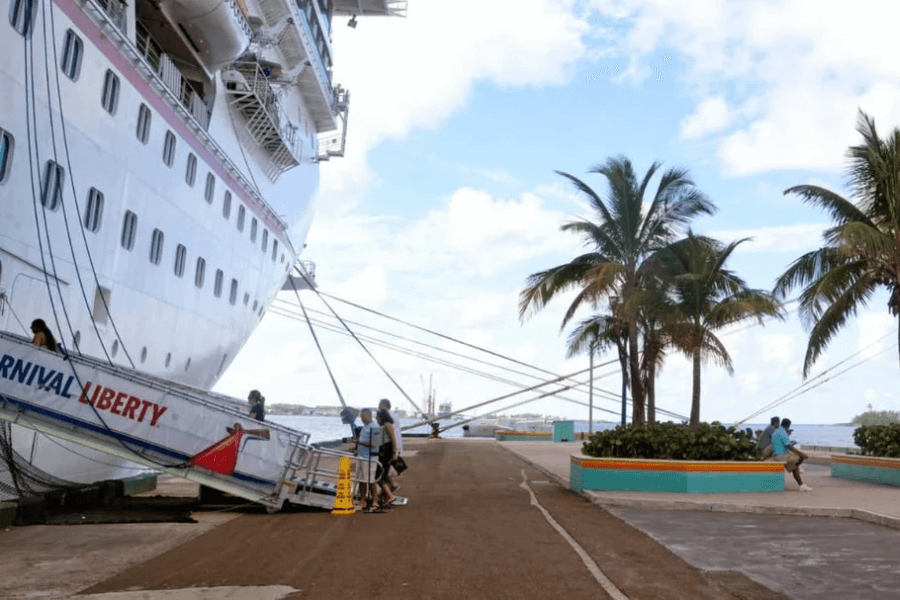
According to Spain’s Ministry of Health, the infected passenger had previously been identified as having close contact with another confirmed case. This connection was discovered during ongoing investigations aimed at tracing possible chains of transmission among travelers and crew members.
Officials explained that the positive result was identified through regular health evaluations conducted on individuals who may have been exposed during the voyage. The patient was subsequently transferred to a specialized isolation unit equipped to manage high-risk infectious diseases.
Despite the additional case, health authorities have stated that the situation does not increase the level of risk for the general population. Surveillance efforts remain focused on monitoring contacts, identifying potential infections early, and preventing any further spread of the virus beyond those directly linked to the outbreak.
The Outbreak’s Origins And International Impact
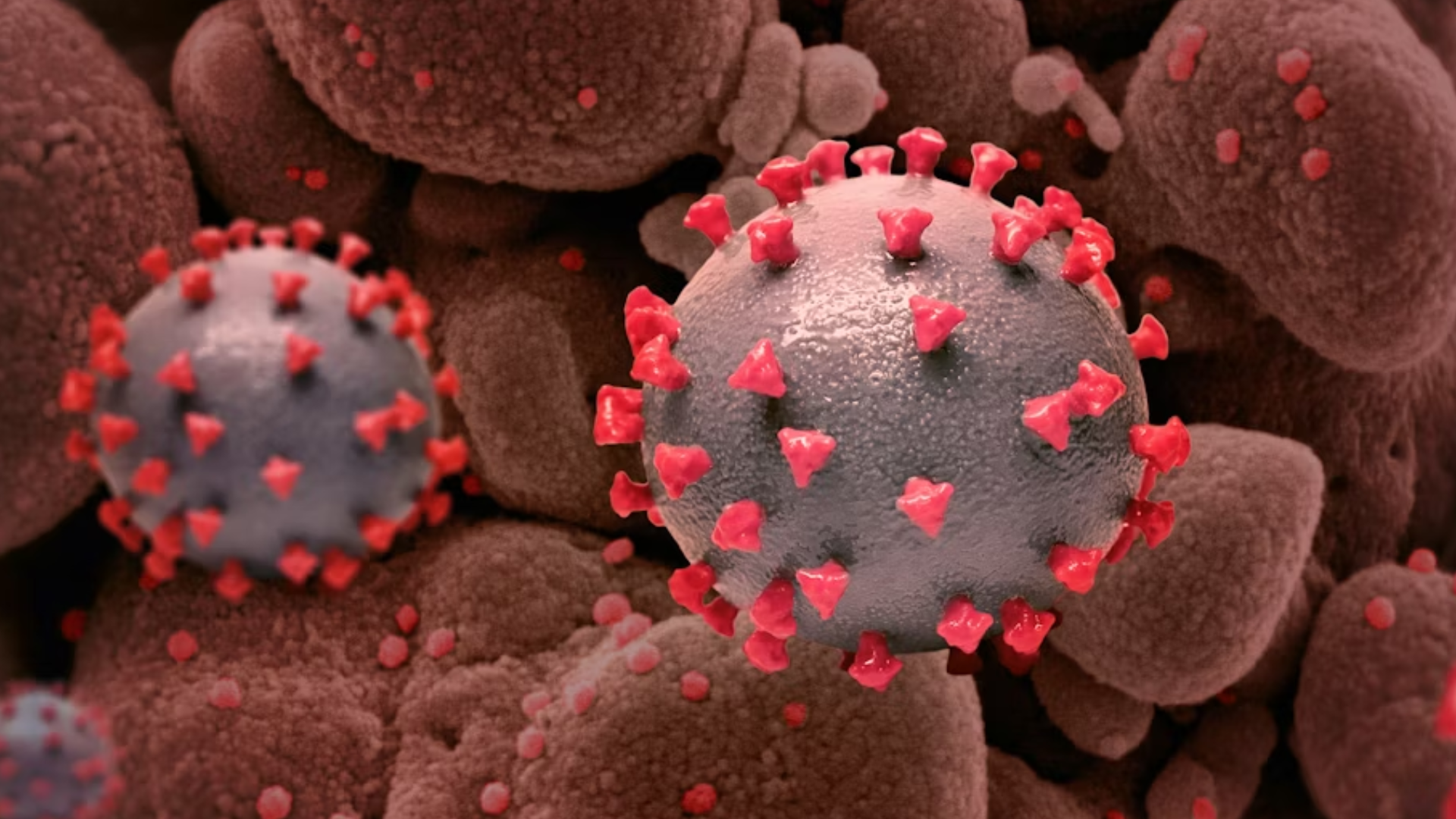
The hantavirus cluster began after the MV Hondius departed from Ushuaia, Argentina, on April 1. Reports indicate that the first passenger developed symptoms several days into the voyage and later died aboard the vessel. At the time, the death was initially believed to be unrelated to an infectious disease.
As the ship continued its journey, additional illnesses emerged among passengers. Several individuals who disembarked at different ports later tested positive for the virus, while multiple deaths were reported in separate countries. These developments prompted health agencies across several regions to coordinate investigations and track possible exposures.
The situation expanded into an international public health response involving passengers from Europe, North America, and other parts of the world. Epidemiological teams have been working to identify infections, monitor travelers, and gather information that may help clarify how the virus spread among those on board.
Ongoing Investigations Seek To Contain The Situation

Following concerns surrounding the outbreak, the cruise ship made additional stops before eventually allowing passengers and some crew members to disembark under controlled conditions. Individuals were then transported to their respective home countries, where local health authorities continued monitoring and testing efforts.
The vessel later arrived in the Netherlands, where another infection linked to the outbreak was identified among a crew member. That case reinforced concerns about the need for continued surveillance even after passengers had left the ship and returned home.
Public health agencies remain focused on understanding the full scope of the outbreak while ensuring that exposed individuals receive appropriate medical care and observation. Although new cases continue to emerge among those connected to the voyage, authorities maintain that existing containment measures are helping manage the situation and limit broader public health risks.