Texas Buyer Rejects Rapid Cybertruck Delivery Upon Discovering Four-Month Storage History
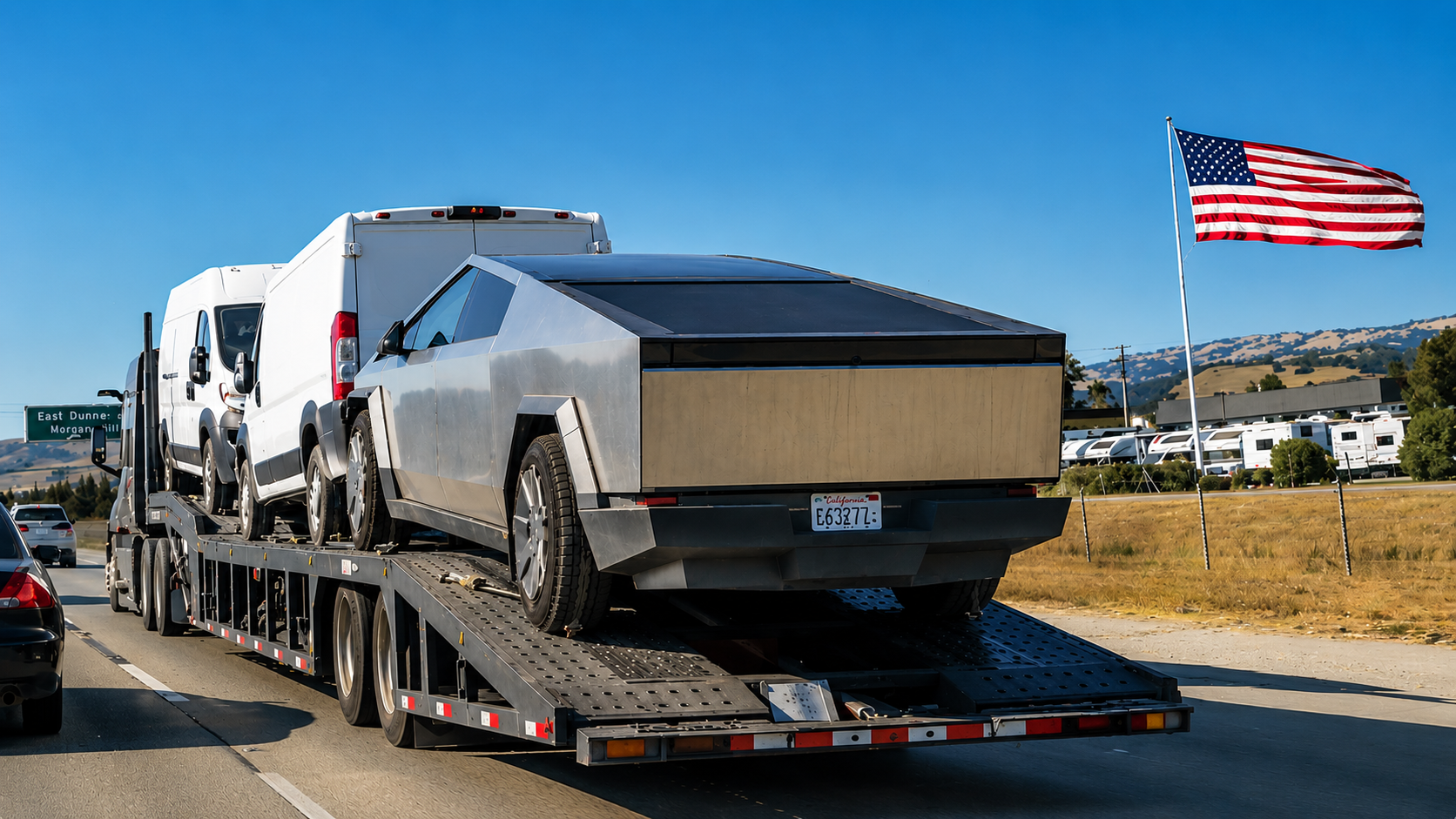

A consumer milestone for a Texas electric vehicle enthusiast transformed into an immediate transaction reversal, spotlighting the mounting logistical friction and inventory oversupply challenges facing the premium automotive sector. A buyer expecting a freshly manufactured, factory-ordered pickup rejected his vehicle on the exact day of delivery after uncovering a lengthy, undisclosed holding history in an open-air staging yard. The high-profile rejection has focused national attention on the transparency of modern dealership distribution networks and the hidden risks associated with long-term vehicle stagnation.
The transaction unfolded at a primary Tesla delivery center in Houston, Texas, where local consumer Reza Soltani had submitted an official electronic order for the company’s polarizing, stainless steel flagship pickup. Prepared to face the standard multi-month backlog that defined the vehicle’s initial commercial rollout, Soltani was initially thrilled when automated dealership systems processed his request within hours. The corporate platform instantly matched his account with a unique Vehicle Identification Number (VIN) and generated a notification confirming that his vehicle was fully prepped for same-day lot collection.
However, the unprecedented velocity of the logistics process immediately raised severe quality control flags for the experienced buyer, prompting him to dig deeper into the physical asset’s history before completing ownership paperwork. Soltani initiated a direct text inquiry through the proprietary corporate application, requesting a formal confirmation of the vehicle’s precise assembly timeline from an online service representative. The digital audit unmasked a surprising operational history, revealing that the assigned pickup had rolled off the manufacturing line on January 8, meaning the vehicle had spent over four months sitting static in an open storage field.
Atmospheric Inactivity vs. Premium Automotive Standards
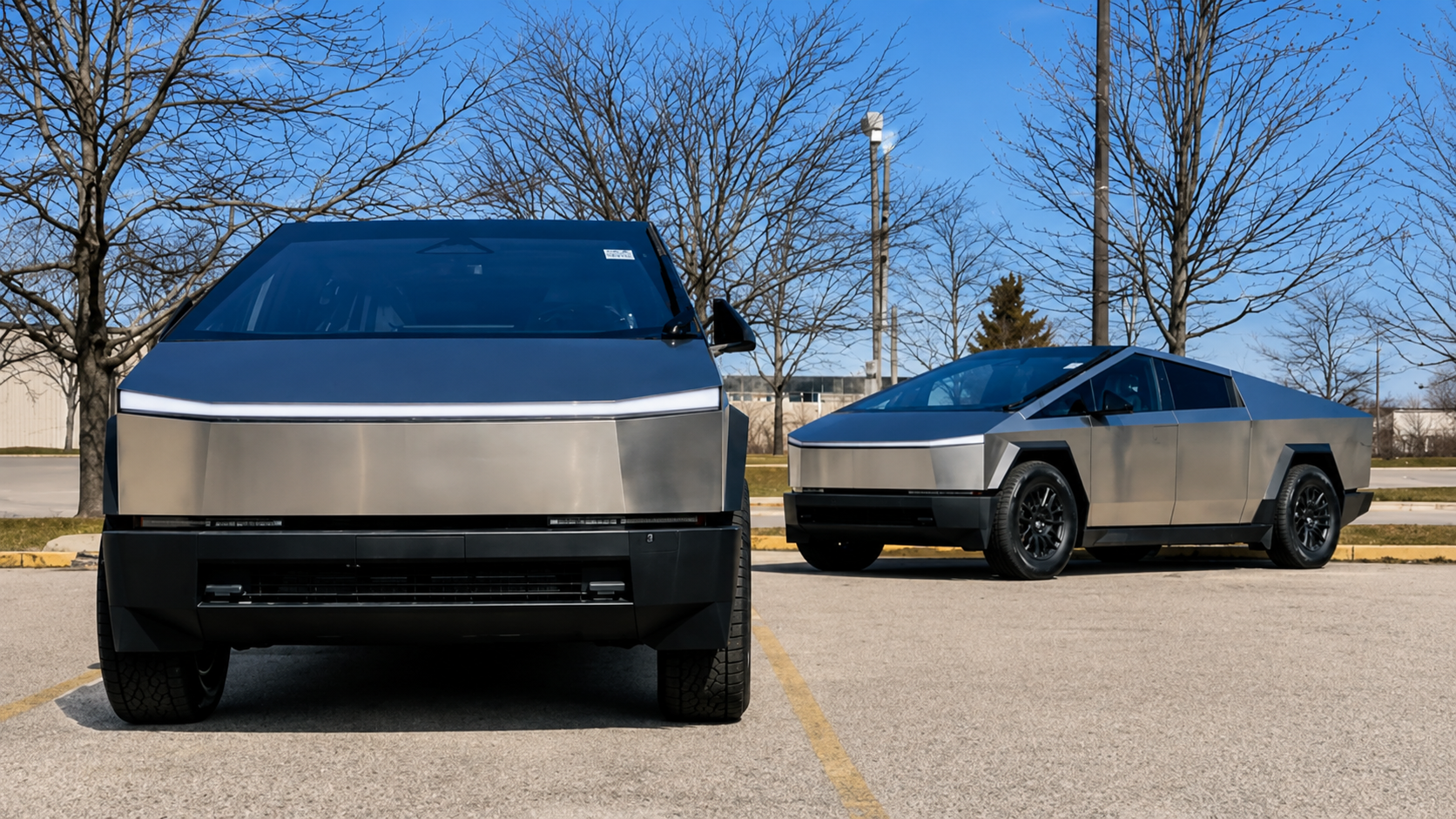
The core issue driving the Texas buyer’s immediate rejection centers on the severe mechanical and structural vulnerabilities that extended periods of outdoor storage pose to high-performance electric vehicles. Unlike standard internal combustion vehicles, modern electric trucks rely on complex lithium-ion battery architectures that are highly sensitive to prolonged inactivity, deep voltage discharge, and localized temperature swings. Automotive engineers warn that leaving a large traction battery sitting uncharged in variable weather can accelerate premature cell degradation and permanently diminish maximum range capacity.
Beyond the internal energy matrix, the vehicle’s highly unconventional external composition introduces an entirely separate layer of long-term storage complications. The pickup’s exterior relies on an unpainted, cold-rolled stainless steel alloy shell that lacks the traditional protective clear-coat finishes found on standard modern consumer automobiles. While highly resilient against impact forces, the raw metal panels are highly vulnerable to environmental staining, industrial fallout, and bird droppings, which can leave nearly indelible permanent etchings on the surface if left unwashed under the hot sun.
Compounding these anxieties, automotive historians point out that early production batches from this specific timeline were actively subject to severe structural recalls that required extensive, hands-on factory modification before delivery. Most notably, early units required comprehensive repairs to address a structural defect where a portion of the upper outer door frame, known as the cantrail, could completely detach from the vehicle body at highway speeds. For a consumer investing roughly $100,000 in a premium utility vehicle, accepting a reworked unit that had been exposed to the elements for a third of a year felt entirely unacceptable.
Stagnant Supply and the Realities of the Modern EV Market
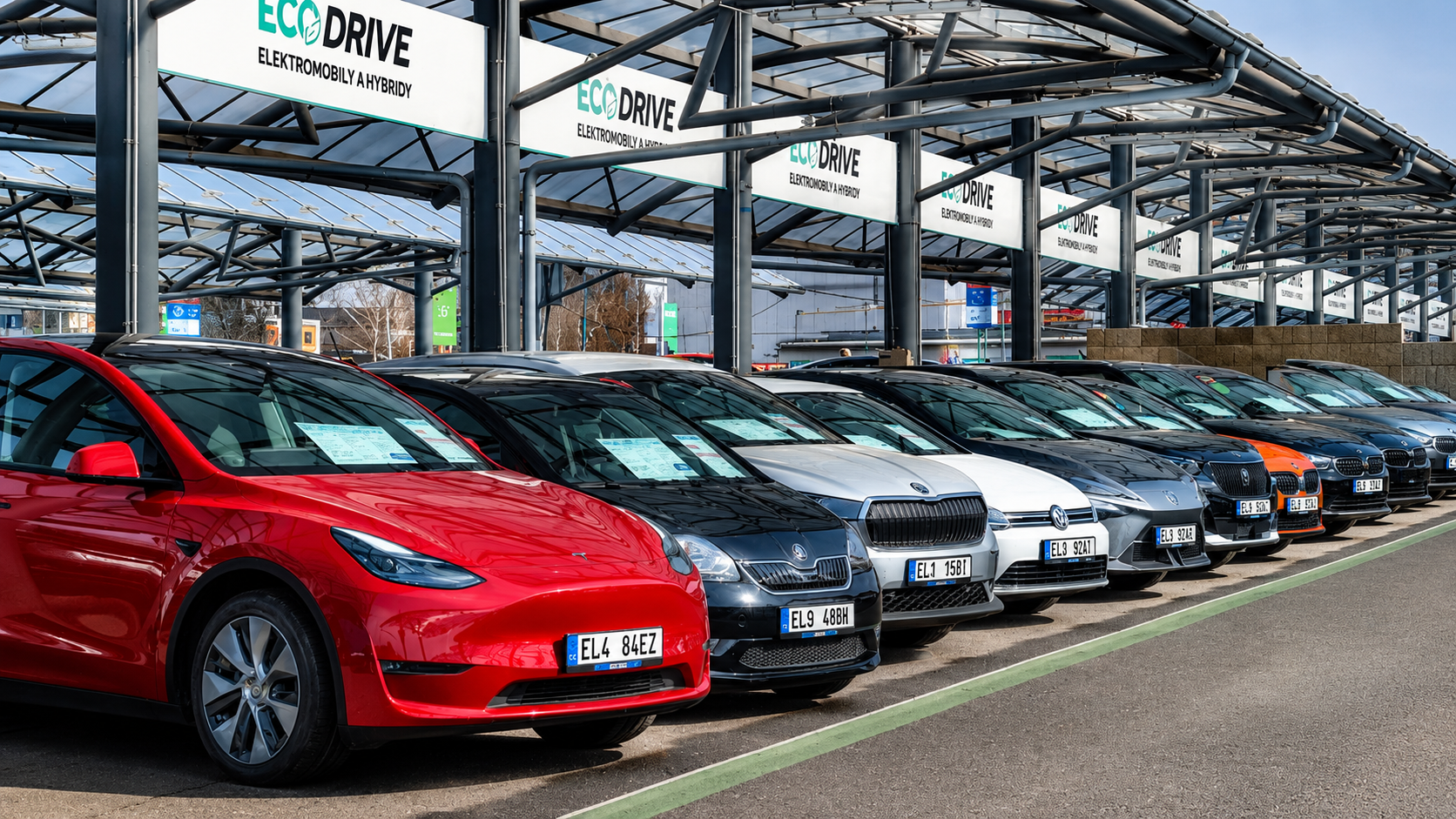
The real-world friction experienced by the Houston consumer provides a transparent window into a broader, systemic demand shift currently reshaping the domestic electric vehicle landscape. Industry analysts tracking drone mapping imagery over major production facilities, including Gigafactory Texas, have documented massive, expanding grids of finished, unsold vehicles filling peripheral parking lots. Independent retail inventory indices suggest that the initial wave of tech-forward early adopters has been fully exhausted, leaving manufacturers stuck with thousands of excess units that lack immediate buyers.
This growing inventory glut has forced corporate planners to adjust their broader production targets and introduce aggressive consumer incentives to clear out aging lot stock. Internal manufacturing records indicate that output goals for several high-volume assembly lines have been sharply scaled back, accompanied by significant workforce reductions across essential production cells.
To entice skeptical premium buyers, marketing teams have resorted to offering substantial temporary pricing discounts and introducing complimentary lifetime supercharging benefits on lingering inventory packages. “I asked through the app and someone replied with the exact date, because with the VIN you can only know the year,” Soltani shared in a detailed post within an exclusive digital owners collective, explaining how the sudden verification completely shattered his confidence in the asset’s underlying value.
Redefining Buyer Sovereignty in the Direct-to-Consumer Era

The high-profile Texas rejection serves as a prominent case study regarding the evolving dynamics of buyer sovereignty within a modern, direct-to-consumer automotive marketplace. Under traditional dealership frameworks, consumers could physically inspect an automobile, audit its odometer, and negotiate price adjustments based on lot aging before ever signing a financial contract. By compressing the fulfillment loop into an automated, app-based sequence, direct manufacturers risk alienating meticulous buyers who refuse to treat a major, low-liquidity asset purchase like a standard consumer electronics delivery.
The incident has triggered a wave of copycat audits across digital forums, with prospective electric vehicle buyers systematically requesting granular manufacturing timestamps before completing their collection appointments. Legal compliance experts note that while automotive regulations allow manufacturers to market an unsold vehicle as brand new regardless of its storage duration, buyers maintain the absolute legal right to refuse delivery at the final handover station. This persistent consumer pushback is forcing manufacturers to recalibrate their logistics software to prevent the automated dumping of older stock on unsuspecting clients.
The single-day vehicle rejection in Houston highlights the permanent, unyielding laws of consumer expectation that govern the luxury market. As automakers continue to invest billions of dollars to scale up domestic manufacturing lines, the ultimate test of success will depend on their ability to synchronize real-time demand with factory output. Until the industry introduces transparent tracking frameworks that successfully reassure buyers regarding battery health and storage preservation, the battle over lot transparency will remain an expensive bottleneck for the electric revolution.