CDC Reports 1,893 Measles Cases Across 40 U.S. Jurisdictions in 2026
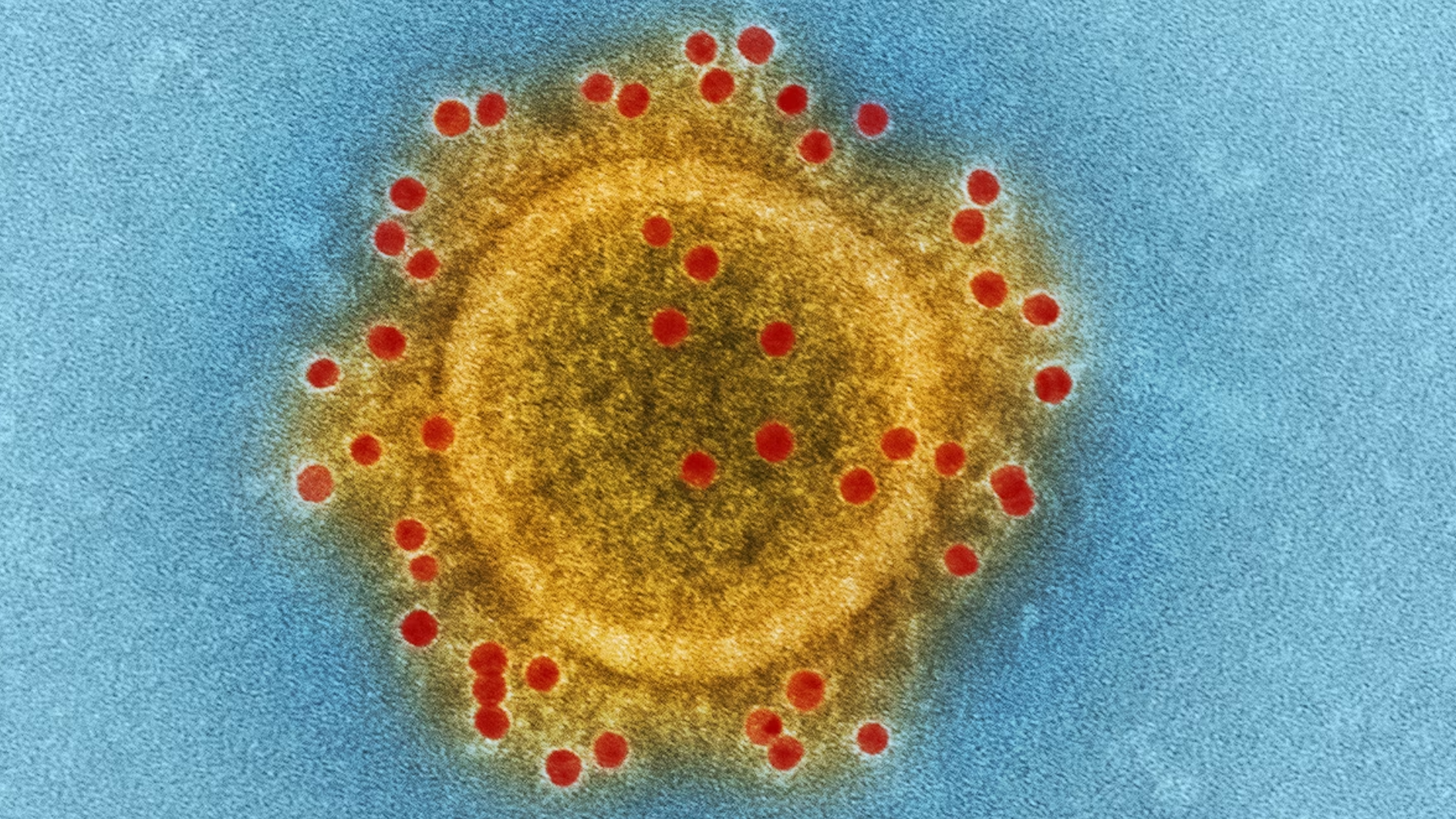

The United States is experiencing its largest measles surge in years, with the Centers for Disease Control and Prevention reporting 1,893 confirmed measles cases across 40 states and jurisdictions in 2026. Health officials say the outbreak has spread rapidly through multiple communities, raising concerns about declining vaccination rates and the growing risk of preventable infectious diseases returning to areas where they were once largely eliminated.
According to CDC data, the overwhelming majority of infections have occurred among people who were either unvaccinated or whose vaccination status remains unknown. Public health experts warn that measles is one of the most contagious viruses in the world, capable of spreading quickly in schools, households, healthcare facilities, and communities where vaccination coverage falls below recommended levels.
The rising case count has already led to hundreds of hospitalizations and several deaths nationwide, prompting renewed efforts from state and federal health agencies to increase awareness about vaccination, outbreak containment, and early detection of symptoms.
Why Measles Cases Are Rising So Quickly

Health officials say one of the primary factors behind the surge is declining childhood vaccination coverage in certain communities, which has allowed measles outbreaks to spread more easily once the virus is introduced. The CDC notes that measles outbreaks often begin when an infected traveler brings the virus into an area where vaccination rates are lower than the level needed to maintain herd immunity.
Measles is exceptionally contagious because the virus can remain in the air and on surfaces for up to two hours after an infected person leaves an area. According to the CDC, up to 90% of susceptible people exposed to the virus may become infected, making even a single case capable of triggering a larger outbreak if vaccination protections are weak.
Public health researchers have also pointed to growing vaccine hesitancy, misinformation, and disruptions to routine healthcare visits during recent years as contributing factors that may have left more children and adults vulnerable to infection than in previous decades.
What Health Officials Are Warning About
Although measles is often remembered for its distinctive rash, doctors warn that the illness can cause serious complications, particularly in young children, pregnant women, and people with weakened immune systems. Complications can include pneumonia, severe dehydration, brain swelling known as encephalitis, and in rare cases, death.
The CDC reports that approximately one in five unvaccinated people who contract measles in the United States may require hospitalization. Health officials have expressed concern that continued outbreaks could place additional strain on hospitals and public health systems, especially if cases continue spreading into larger population centers.
Symptoms typically begin with fever, cough, runny nose, and red watery eyes before the characteristic rash develops several days later. Because infected individuals can spread the virus before realizing they are sick, health experts emphasize the importance of quick diagnosis, isolation, and contact tracing whenever new cases are identified.
Vaccination Remains The Strongest Defense

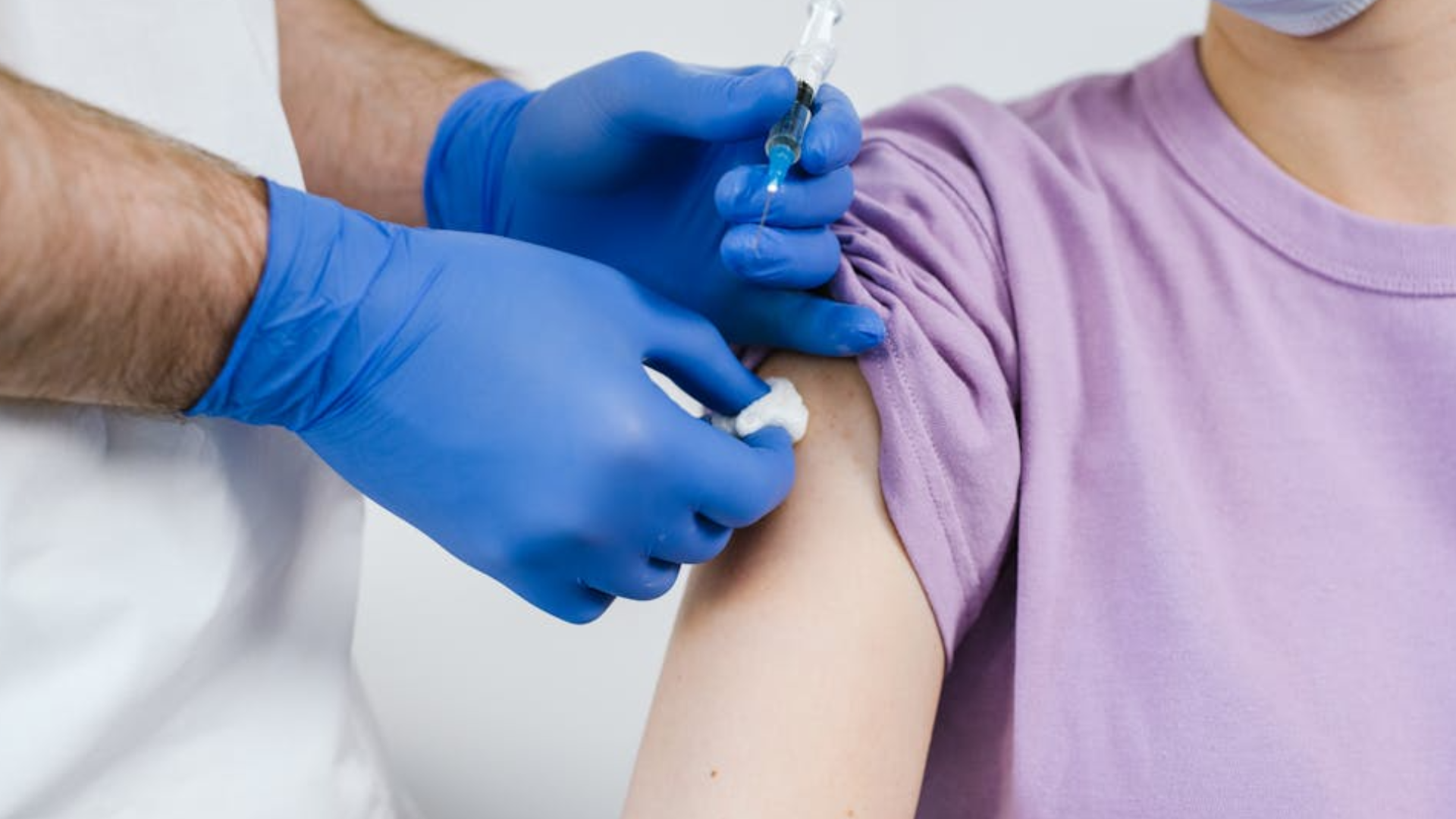
The CDC continues to stress that the measles, mumps, and rubella (MMR) vaccine remains the safest and most effective protection against measles, providing approximately 97% protection after two doses. Health officials say communities with high vaccination coverage remain far less likely to experience large outbreaks.
As the number of confirmed cases approaches 2,000 nationwide, public health agencies are increasing vaccination campaigns, educational outreach, and monitoring efforts in affected regions. Officials are encouraging parents to review vaccination records and ensure children receive recommended immunizations on schedule.
Ultimately, the 2026 measles surge serves as a stark reminder that diseases once considered largely controlled can quickly return when vaccination rates decline, highlighting the ongoing importance of public health preparedness, community immunity, and widespread access to preventive healthcare.