Sharp Drop in Canadian Tourism Sparks New Debate Around Trump Policies
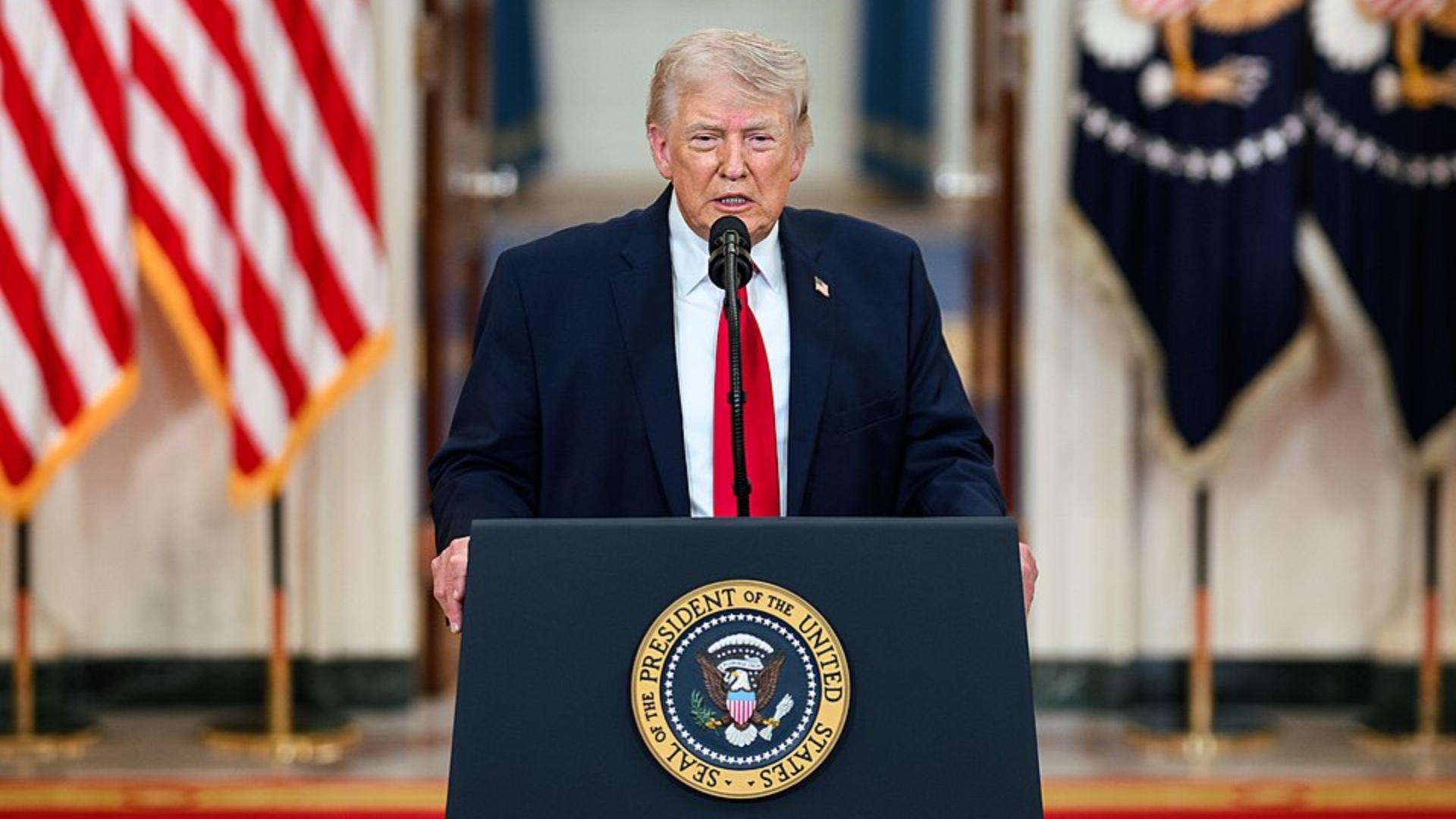

A sharp decline in Canadian tourism to the United States has sparked renewed debate over the impact of Donald Trump’s policies on cross-border travel and international visitor sentiment. Reports indicate that fewer Canadians are traveling south, citing concerns over political tensions, trade disputes, travel costs, and stricter border and immigration-related perceptions. The drop has raised alarms among tourism-dependent businesses in U.S. border states and major cities that rely heavily on Canadian visitors. The situation has quickly evolved into a broader political discussion about how policy decisions influence international travel behavior.
Canadian Visitor Numbers Have Fallen Significantly
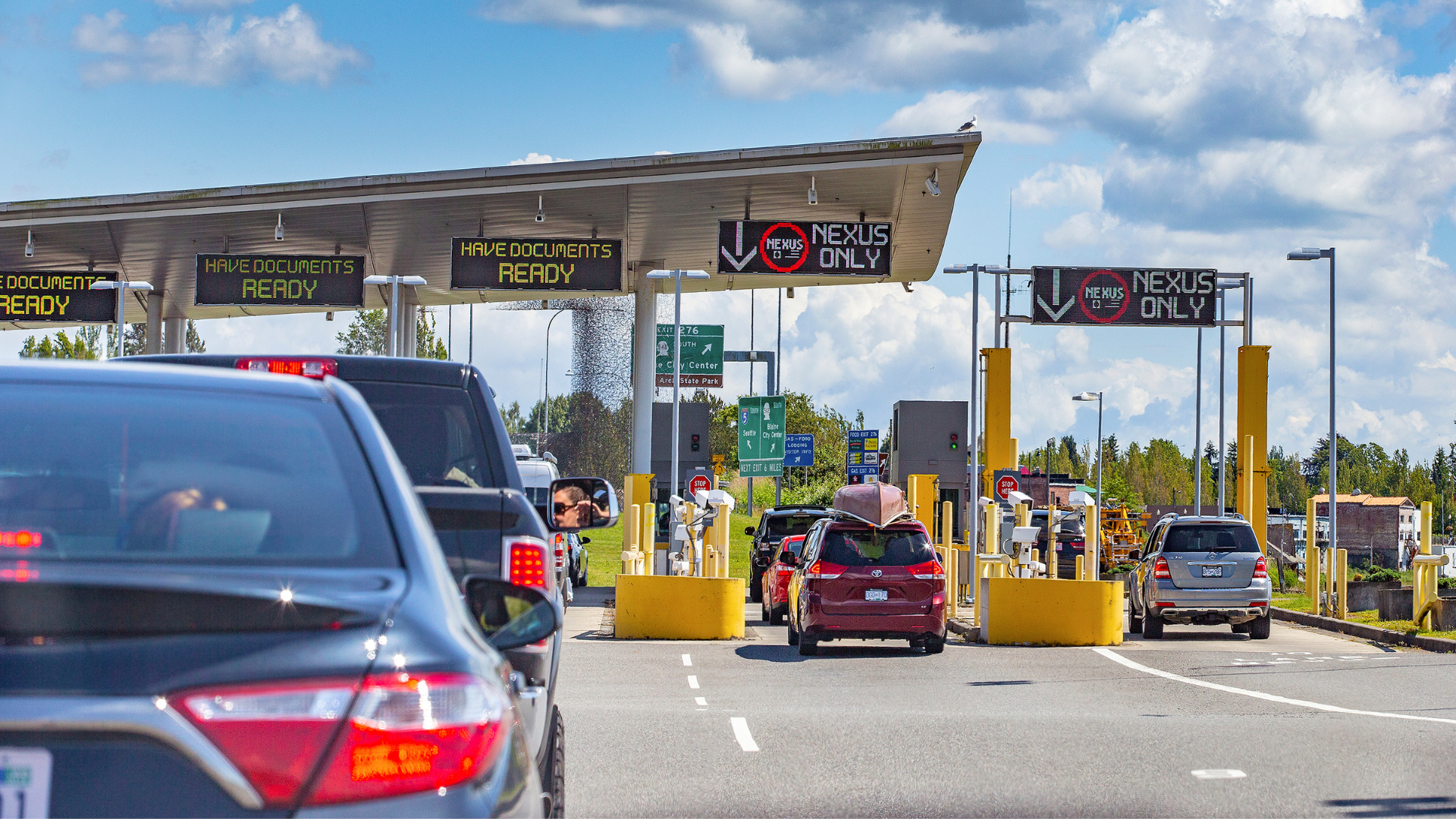
Recent travel data shows a noticeable decline in Canadian visitors entering the United States compared to previous years. Analysts report fewer bookings for flights, hotel stays, and road trips from Canada into major U.S. destinations. The slowdown is particularly visible in regions such as New York, Florida, and northern border states that typically receive high volumes of Canadian tourists. Experts say the trend marks one of the most significant shifts in cross-border travel patterns in recent years.
Border Travel and Road Trips Have Dropped
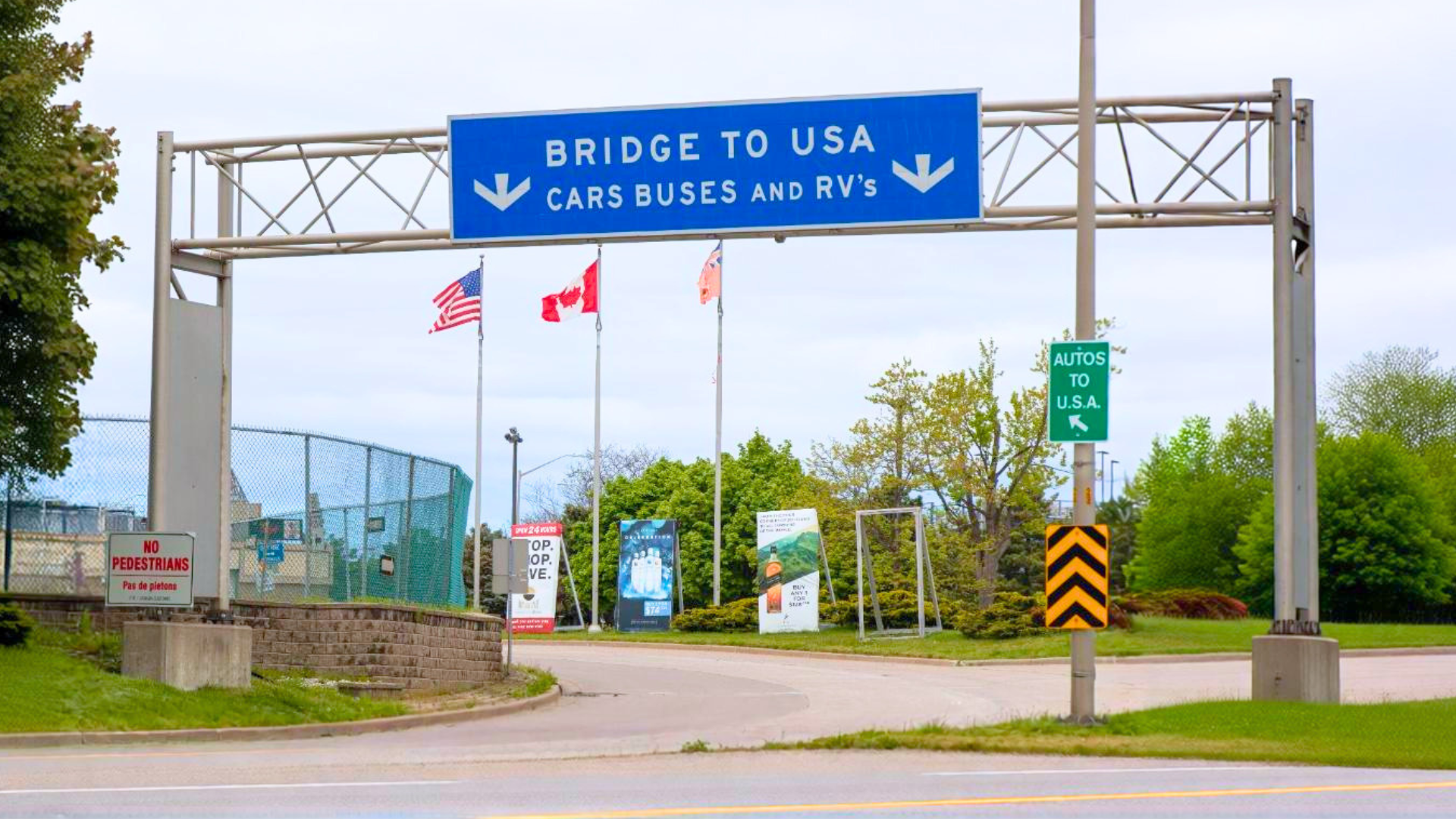
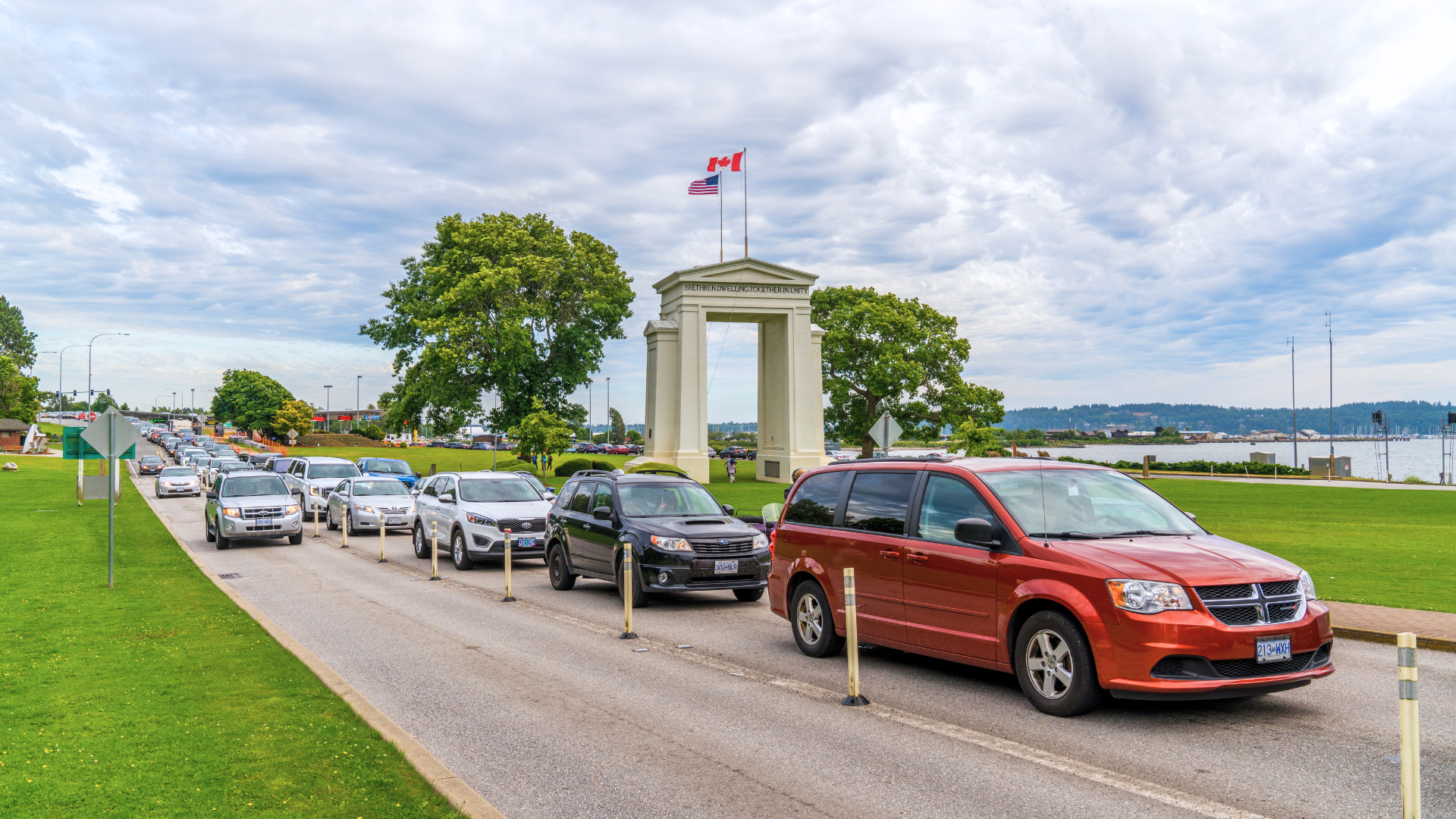
One of the most affected areas has been land travel, where Canadians traditionally make frequent road trips into the United States. Officials and travel analysts have reported fewer vehicles crossing at major border checkpoints, reflecting reduced discretionary travel. Factors such as economic uncertainty, exchange rates, and political tensions are believed to be contributing to the decline. Local businesses near border crossings have already reported reduced customer traffic and lower seasonal spending.
Trump Policies Are Being Linked to Travel Sentiment

Some analysts and media reports have linked the decline in Canadian tourism to policies and rhetoric associated with Donald Trump’s administration. These include trade tensions, tariff disputes, and stricter immigration enforcement policies that critics say may influence traveler perceptions. While supporters argue the policies are aimed at strengthening national security and economic interests, critics claim they may discourage international visitors. The debate has become increasingly politicized as tourism numbers continue to shift.
Tourism-Dependent Businesses Report Early Impacts

Hotels, restaurants, and retail businesses in key tourist destinations have begun reporting early signs of reduced Canadian customer activity. Border towns and popular vacation cities are particularly affected due to their reliance on seasonal Canadian travel. Business owners say even small percentage declines in international visitors can have noticeable financial consequences. Some operators are now adjusting marketing strategies to attract more domestic travelers to offset losses.
Currency and Travel Costs Also Play a Role

Economists note that travel decisions are also influenced by exchange rates, inflation, and rising accommodation costs in the United States. A weaker Canadian dollar compared to the U.S. dollar makes travel more expensive for many families. Increased airfare, hotel prices, and fuel costs have also contributed to reduced discretionary travel. Analysts say these financial pressures are compounding political and social factors affecting tourism.
Airlines and Travel Companies Adjust Strategies
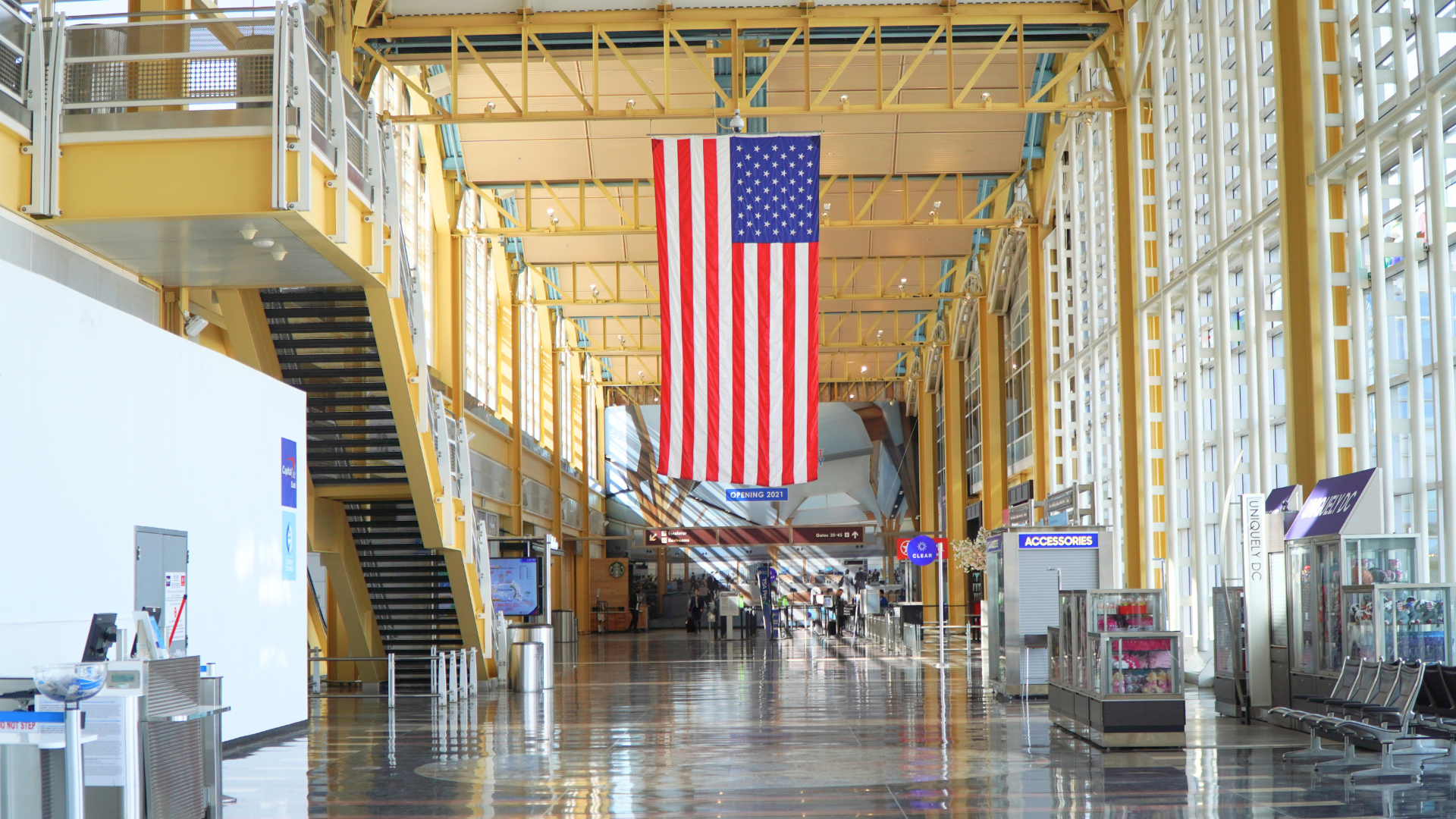
Airlines and travel companies are closely monitoring the decline in Canadian travel demand to the United States. Some carriers have adjusted flight schedules or shifted capacity toward other international destinations where demand remains stronger. Travel agencies are also reporting increased interest in alternative vacation locations outside the U.S. Industry experts say airlines may continue adapting routes if the trend persists through peak travel seasons.
Political Debate Intensifies Across Both Countries
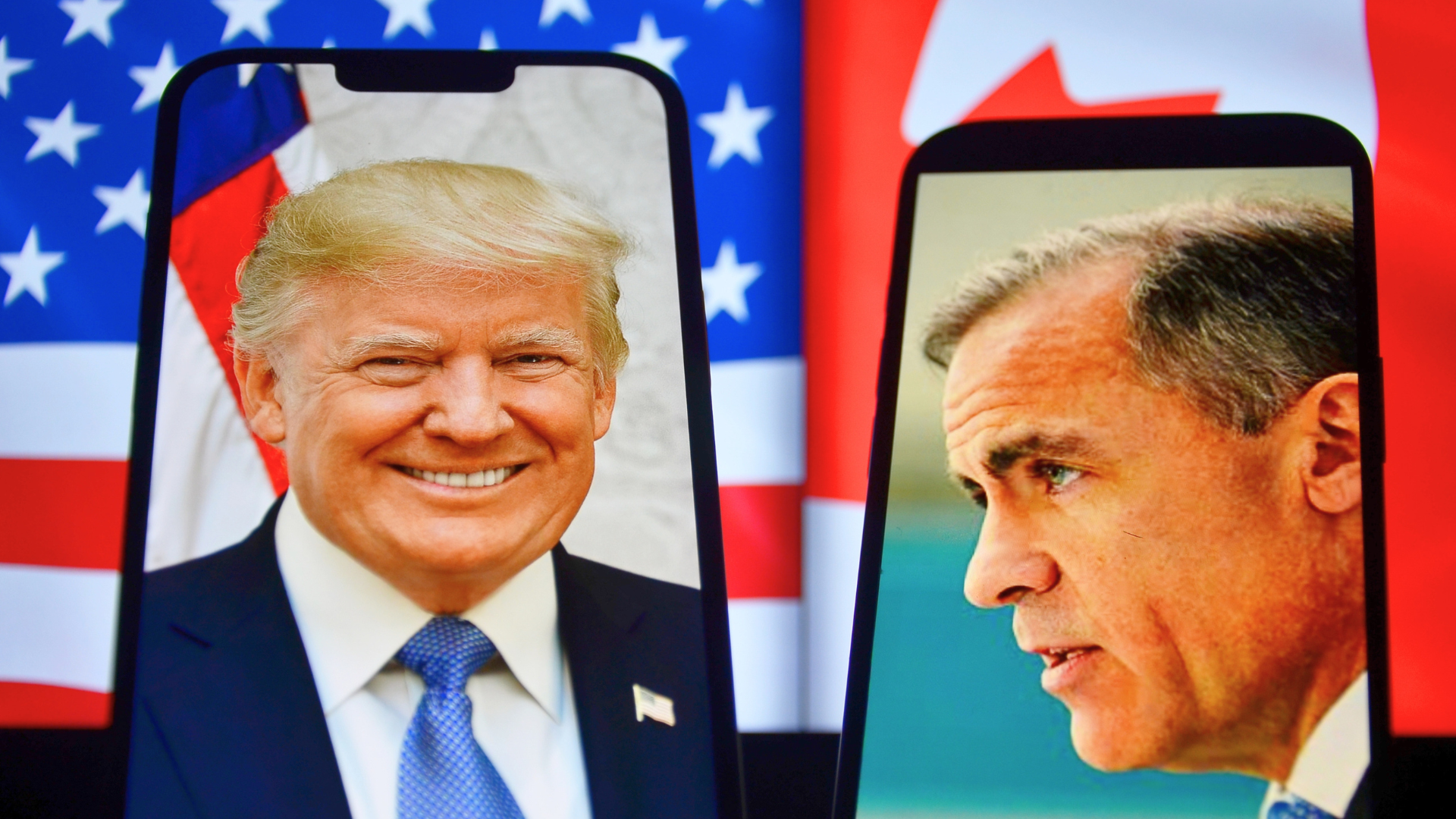
The decline in Canadian tourism has sparked political debate in both the United States and Canada. Critics of Trump’s policies argue that international perception plays a key role in tourism flows and cross-border relations. Supporters counter that travel fluctuations are driven primarily by economic conditions rather than politics. The issue has become part of a broader conversation about diplomacy, trade relations, and public perception between the two countries.
Economists Warn of Broader Economic Effects
Economists warn that sustained declines in Canadian tourism could have ripple effects across multiple sectors of the U.S. economy. Tourism contributes billions of dollars annually in spending across hotels, restaurants, transportation, and entertainment industries. A continued drop in international visitors could impact local tax revenues and employment in tourism-heavy regions. Analysts say recovery will depend on both economic stability and improvements in international travel sentiment.
A Cross-Border Tourism Shift Under Scrutiny
The sharp decline in Canadian tourism to the United States has triggered growing debate over the influence of political policy, economic conditions, and international relations on travel behavior. While Trump’s policies are cited by some analysts as a contributing factor, others point to broader financial and global trends affecting tourism worldwide. The impact is already being felt in border communities and tourism-dependent industries, raising concerns about long-term economic consequences. As discussions continue, the future of cross-border travel between the two nations remains uncertain and closely watched.