Another Worker Fired Over a Charlie Kirk Post Has Won a Six-Figure Settlement, This Time for $225,000

Suzanne Swierc, a former administrator at Ball State University, will receive a $225,000 settlement after filing a lawsuit tied to her dismissal over comments she shared on Facebook following the death of conservative activist Charlie Kirk. The agreement closes a legal dispute that quickly became part of a much broader national debate around online speech, public employment, and constitutional protections in the digital age.
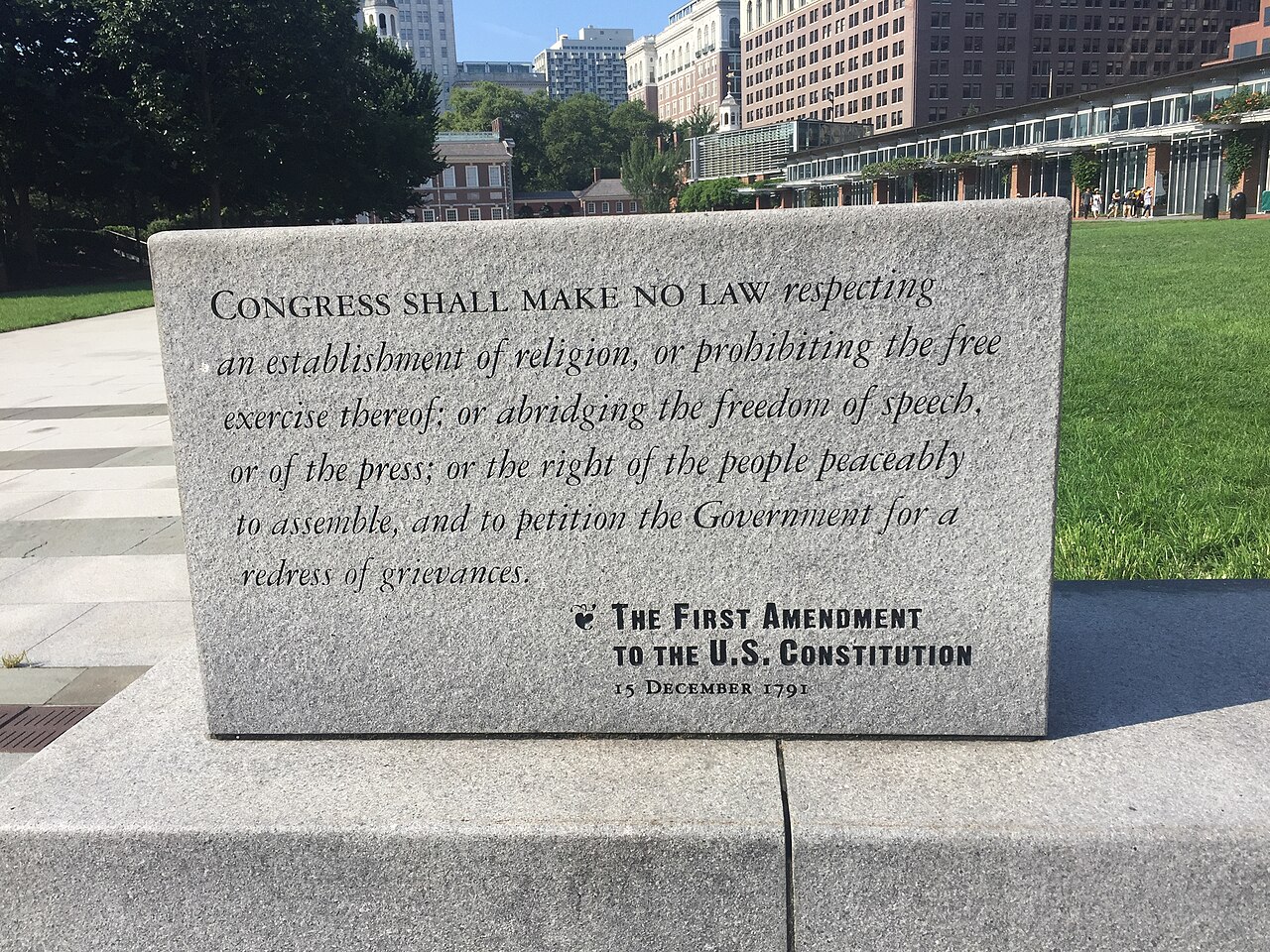
The lawsuit was supported by the American Civil Liberties Union, which argued that Swierc’s rights were violated because the comments were made as a private citizen discussing a matter tied to public discourse. Attorneys involved in the case maintained that government institutions cannot punish employees for protected speech expressed outside their professional responsibilities.
Before her termination, Swierc worked as director of health promotion and advocacy at the university’s campus in Indiana. School officials stated that the online reaction to her post created significant disruption, triggering complaints, backlash from donors, and concerns from parents connected to the institution.
Free Speech Battles Continue To Expand
The controversy emerged after Kirk was fatally shot on a university campus in Utah in September. As founder of Turning Point USA, Kirk had become one of the most recognizable conservative youth figures in American politics and was closely associated with support for President Donald Trump.
Swierc’s settlement is not an isolated case. Across the United States, several employees in both public and private sectors have faced disciplinary action or termination after posting comments related to Kirk’s death. Some of those legal battles have already resulted in substantial financial settlements.
Earlier this month, a former Florida state biologist secured a $485,000 agreement after suing over her dismissal tied to a reposted meme connected to Kirk. In another widely discussed case, a professor at Austin Peay State University was reinstated and awarded $500,000 following a lawsuit related to a post involving comments Kirk previously made about gun deaths and the Second Amendment.
How Online Reactions Escalated The Conflict

University officials stated that Swierc’s comments triggered a wave of outrage directed at the school. Administrators reportedly received angry emails, phone calls, and threats after screenshots of the Facebook post spread across social media platforms and political communities online.
According to statements from university leadership, some individuals warned they would stop donating to the institution, while at least one parent allegedly threatened to withdraw their children from enrollment. Officials also claimed that certain messages included violent threats, increasing concerns surrounding campus safety and public perception.
The situation reflects how quickly private online activity can become public controversy once screenshots begin circulating outside their original audience. Even posts shared under restricted privacy settings can rapidly spread beyond intended circles, especially when tied to polarizing political figures or emotionally charged events.
The Debate Over Speech And Employment Is Far From Over

The settlement involving Swierc adds another chapter to a growing national conversation about free speech, political polarization, and the power of online outrage. While the legal agreement resolves her specific lawsuit, the broader issues raised by the case continue to shape public debate across universities, workplaces, and digital platforms.
Organizations increasingly face pressure to respond quickly when employees become part of viral controversies. At the same time, constitutional advocates warn that reacting too aggressively can undermine protections designed to preserve open expression, especially within public institutions.
For now, the Swierc case stands as another example of how digital communication can carry consequences far beyond its original audience. A single social media post, once amplified online, can evolve into a national legal dispute involving constitutional rights, institutional authority, and competing interpretations of public responsibility.