Pope Leo XIV Calls for AI Regulation to Protect the ‘Common Good’
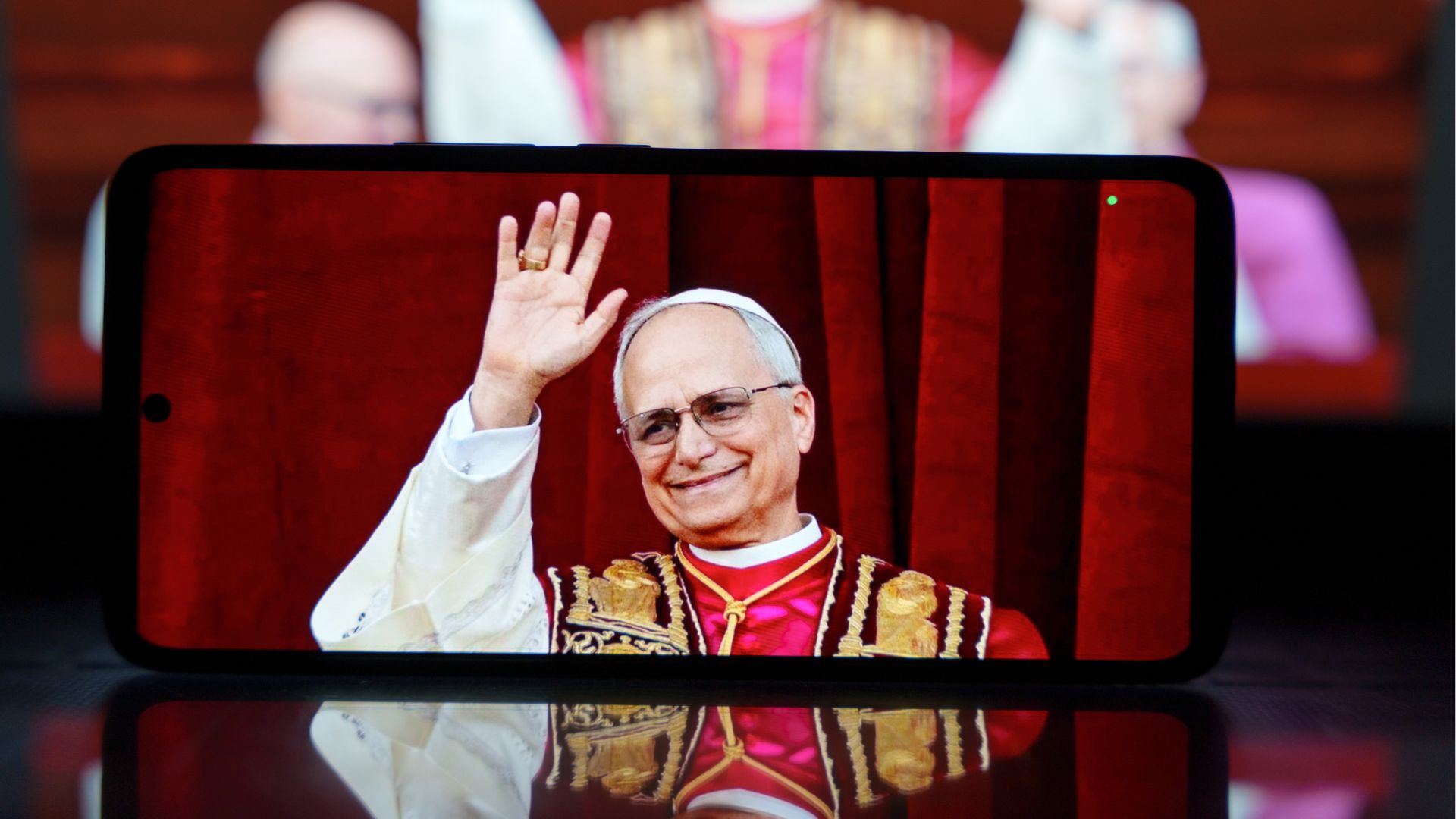

Pope Leo XIV has entered the growing global conversation around artificial intelligence with a message centered on ethics, responsibility, and human dignity. In his first encyclical, titled “Magnifica Humanitas,” the pontiff argues that AI development should not be driven exclusively by economic ambition or political competition. Instead, he calls for a more balanced approach that places humanity and social well being at the center of technological progress.
The document arrives during a period of rapid expansion in artificial intelligence, as governments and private companies continue investing heavily in systems capable of transforming industries, communication, and military operations. According to the pope, these advances cannot remain disconnected from moral reflection. He warns that societies risk allowing technology to shape the future without fully understanding its long term consequences.
Throughout the encyclical, Leo repeatedly emphasizes the idea of the “common good,” arguing that innovation should improve human life collectively rather than increase inequality or consolidate power within a small number of institutions. His position immediately attracted attention from political leaders, academics, and technology experts who view the Vatican’s intervention as an important voice within the international debate over AI regulation.
The Vatican’s Concerns About Power And Oversight
One of the strongest themes within the pope’s message involves the concentration of influence inside the AI industry. Leo criticizes the growing control that a handful of corporations now possess over data, digital infrastructure, and emerging technologies. In his view, allowing so much authority to remain in private hands creates serious risks for democratic systems and vulnerable populations.
The encyclical also challenges the idea that ethical promises made by technology companies are sufficient on their own. Pope Leo XIV insists that independent oversight and stronger legal frameworks are necessary to ensure accountability. He argues that governments and public institutions cannot step away from their responsibility to regulate technologies capable of reshaping labor markets, education, communication, and public life.
Another major concern raised in the document involves the influence of artificial intelligence on children and marginalized communities. The pope warns that systems designed without proper safeguards could deepen exclusion, manipulate behavior, and widen social inequalities. For the Vatican, technological progress should never come at the expense of human dignity or public trust.
Artificial Intelligence And The Future Of Human Work

Pope Leo XIV also dedicates significant attention to the impact artificial intelligence could have on employment and economic stability. The encyclical describes work as something far more meaningful than productivity or financial output. According to the pope, labor remains deeply connected to identity, purpose, and participation within society, making the future of employment a central ethical issue in the AI era.
As automation technologies become increasingly sophisticated, concerns about job displacement continue growing across multiple industries. Experts have already warned that AI systems may eventually replace millions of positions in sectors ranging from administration to logistics and customer service. Leo argues that economic efficiency alone cannot justify decisions that sacrifice workers and communities in pursuit of higher profits.
The pope also encourages political leaders and developers to think carefully about the social consequences of rapid automation. He insists that technological innovation must remain connected to human flourishing rather than treating people as expendable parts of larger economic systems. His message reflects a broader concern that unchecked AI expansion could deepen instability if societies fail to prepare responsibly for change.
A Moral Debate That Extends Beyond Technology

Among the most powerful sections of the encyclical is the pope’s criticism of artificial intelligence in modern warfare. Leo warns that advanced military systems risk normalizing remote conflict and distancing societies from the human cost of violence. He firmly states that irreversible lethal decisions should never be delegated entirely to machines, particularly in situations involving autonomous weapons or AI-assisted combat systems.
The document also questions whether older moral frameworks surrounding war remain adequate in an age shaped by machine learning and automated targeting technologies. According to the Vatican, technological advances have transformed the nature of conflict so dramatically that humanity must reconsider how responsibility and accountability operate during war. Leo calls for greater transparency whenever artificial intelligence is involved in military decision-making.
In its closing message, “Magnifica Humanitas” presents artificial intelligence not as an enemy of humanity, but as a test of collective responsibility. The pope argues that the future of AI will depend largely on the ethical choices societies make today. Rather than rejecting innovation, the Vatican calls for a world where technological progress remains guided by compassion, justice, and a genuine commitment to protecting human dignity.