Trump EPA Scraps Major ‘Forever Chemical’ Protections, Critics Warn of Health Risks
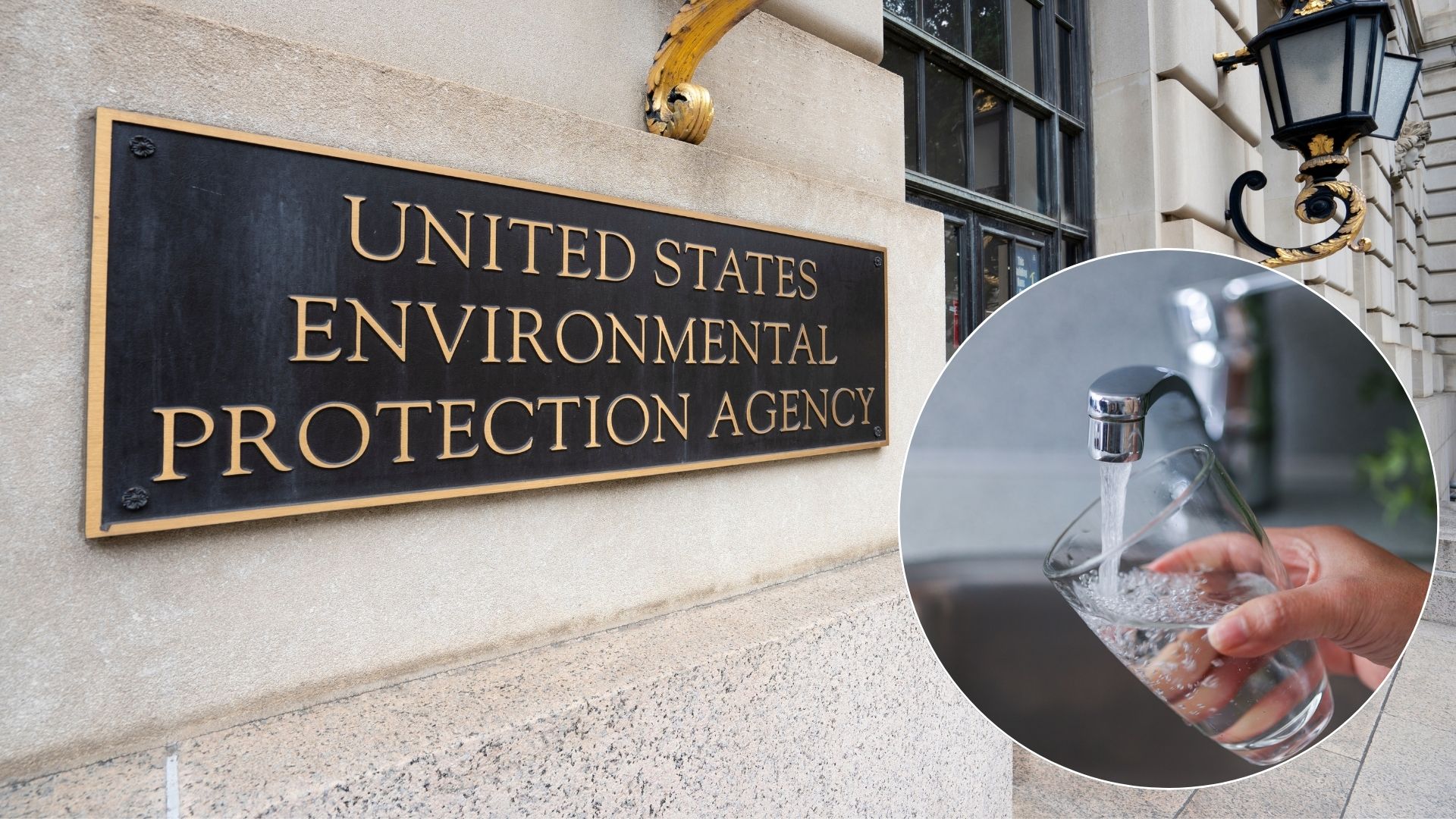

Americans concerned about toxic “forever chemicals” woke up to a major environmental policy reversal after the Trump administration’s Environmental Protection Agency announced plans to scale back several federal PFAS protections. The move immediately sparked criticism from scientists, environmental groups, and public health advocates who warn the decision could weaken safeguards for drinking water across the country.
The EPA said it will keep national standards for two of the most studied PFAS chemicals — PFOA (perfluorooctanoic acid) and PFOS (perfluorooctanesulfonic acid) — but plans to reconsider or delay rules involving four additional PFAS compounds. Those chemicals include PFHxS (perfluorohexanesulfonic acid), PFNA (perfluorononanoic acid), HFPO-DA (commonly known as GenX chemicals), and PFBS (perfluorobutanesulfonic acid).
Federal officials argued the changes are intended to reduce regulatory burdens on utilities and businesses while focusing enforcement efforts on the chemicals considered the highest risk. Critics, however, say the rollback could create dangerous gaps in oversight as PFAS contamination continues to spread through water systems, soil, and industrial sites nationwide.
Why ‘Forever Chemicals’ Alarm Scientists
PFAS, or per- and polyfluoroalkyl substances, are a large group of synthetic chemicals used for decades in products designed to resist heat, grease, stains, and water. They are commonly used in nonstick cookware, firefighting foam, waterproof clothing, food packaging, and industrial manufacturing materials. Scientists call them “forever chemicals” because they break down extremely slowly and can remain in the environment for decades.
Researchers have linked long-term PFAS exposure to several serious health concerns, including increased cholesterol levels, liver damage, immune system disruption, developmental problems in children, and certain cancers. Public health experts say even very small amounts may pose risks when exposure occurs over long periods.
Communities near military bases, airports, factories, and industrial zones have reported some of the highest contamination levels in the country. Environmental groups warn that weakening standards now could make cleanup efforts harder in the future as contamination spreads into rivers, groundwater systems, and municipal drinking supplies.
Critics Say Millions Could Face Greater Risk
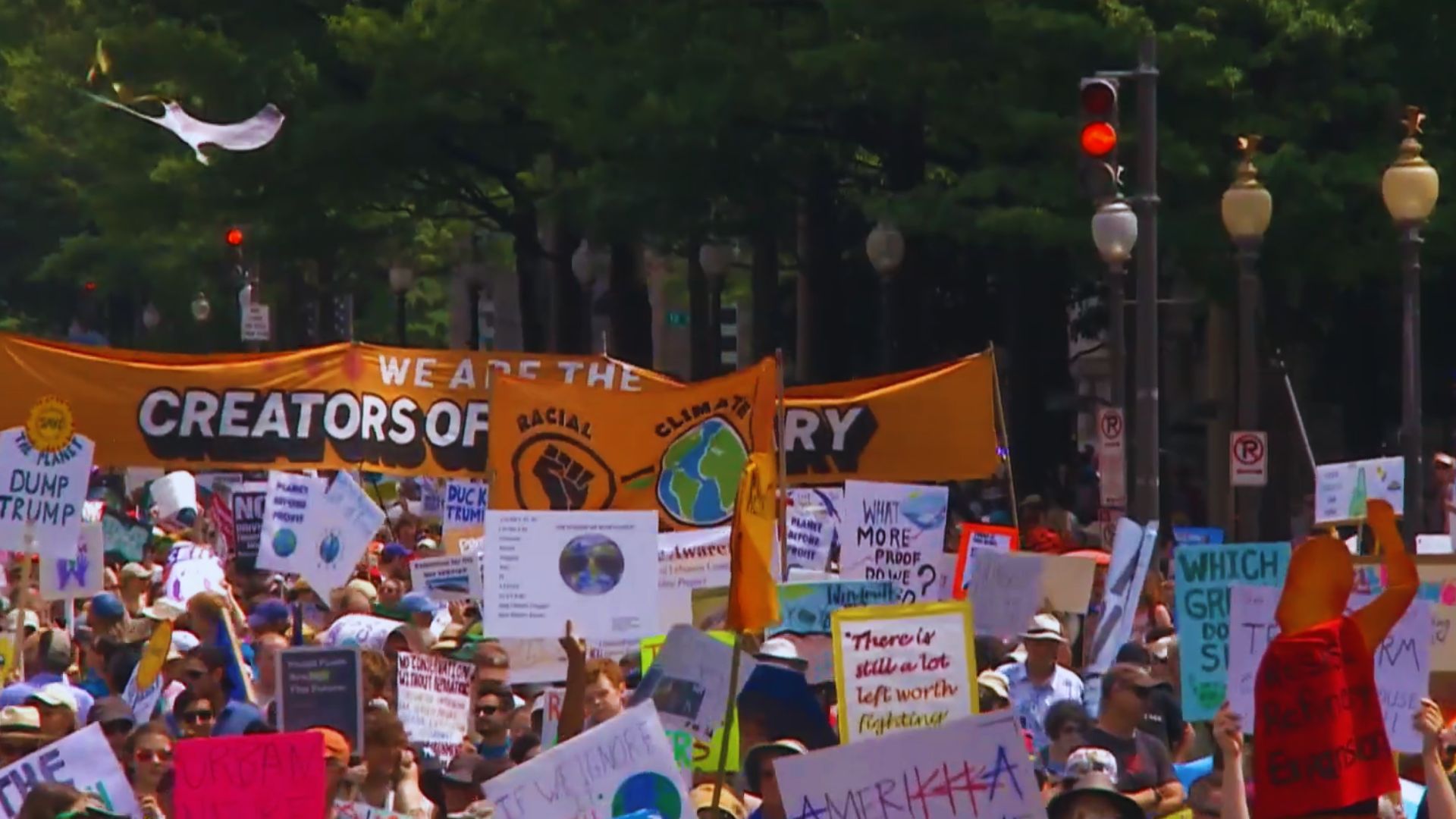
Environmental organizations and public health advocates reacted sharply to the EPA’s announcement, arguing the rollback places economic concerns ahead of human health. Several groups accused federal regulators of easing pressure on polluters while millions of Americans continue to live near contaminated water systems.
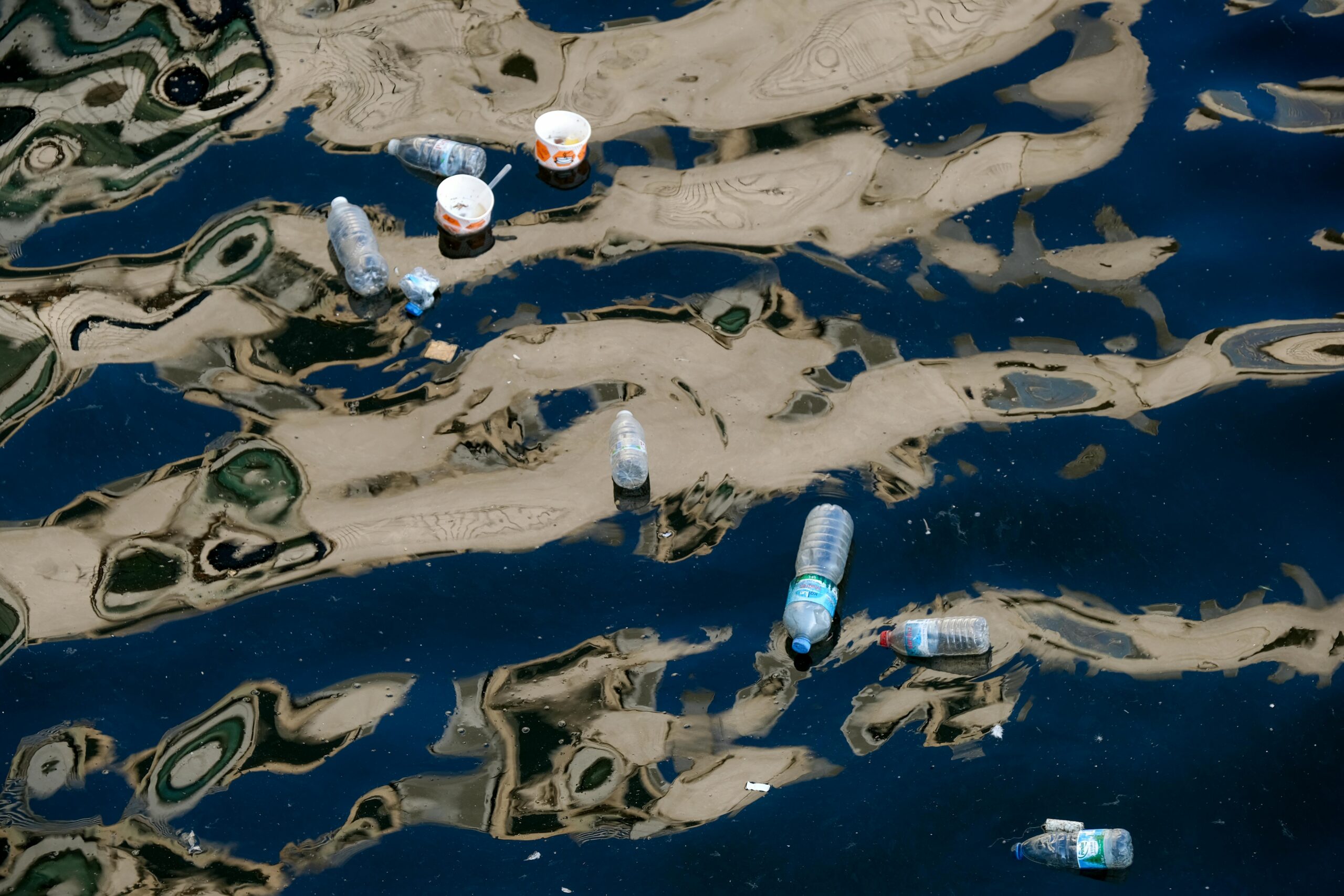
Critics also point to mounting evidence showing PFAS chemicals are now widespread in lakes, rivers, rainfall, soil, and even human blood samples. Because the chemicals accumulate over time, experts fear delayed regulation could expose communities to risks for decades before the full consequences become clear.
Some environmental advocates say the debate extends beyond policy and reflects growing frustration over how chemical contamination is managed nationwide. Activists are now calling for stricter cleanup standards, expanded testing requirements, and stronger protections for communities located near industrial pollution sites.
Cost Concerns And Legal Battles Intensify
Water utilities across the country are now facing uncertainty as officials try to determine how the federal rollback could affect future cleanup requirements and infrastructure investments. Many local agencies had already begun preparing expensive filtration systems designed to meet stricter PFAS standards announced previously.
Several states, including California, Michigan, and New Jersey, are expected to continue enforcing aggressive PFAS limits regardless of federal action. Environmental experts say that could create a patchwork system where protections vary significantly depending on where Americans live.
Meanwhile, legal battles surrounding PFAS contamination continue to grow. Chemical manufacturers and industrial companies are already facing lawsuits tied to polluted drinking water and alleged health impacts. Even with federal protections changing, scientists warn the long-term fight over “forever chemicals” is far from over.