Scientists Warn Five Western States Face Long-Term Risk From a Massive Cascadia Earthquake
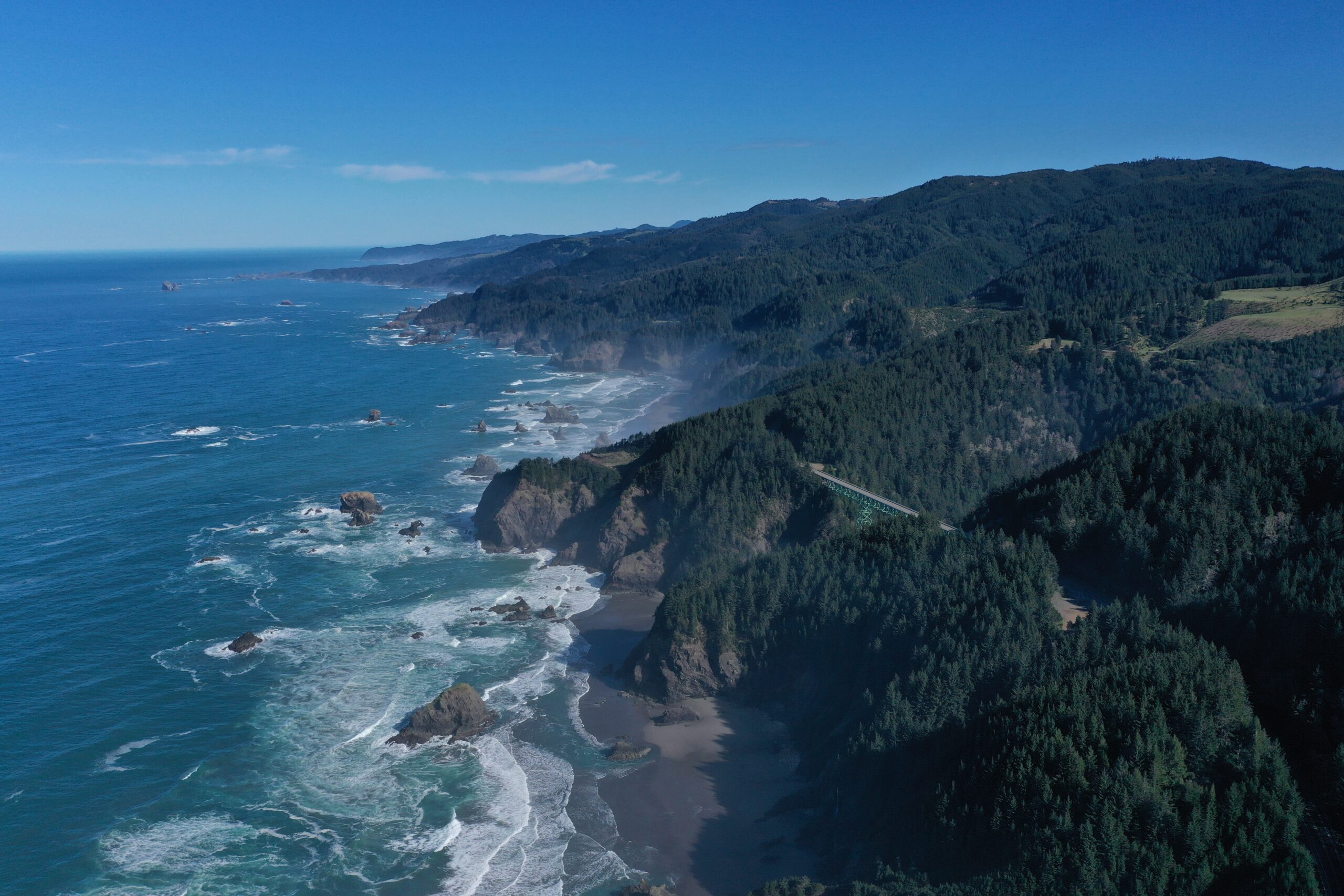

A colossal earthquake capable of reshaping the U.S. West Coast may not just be a future possibility — scientists warn it’s a matter of when, not if.
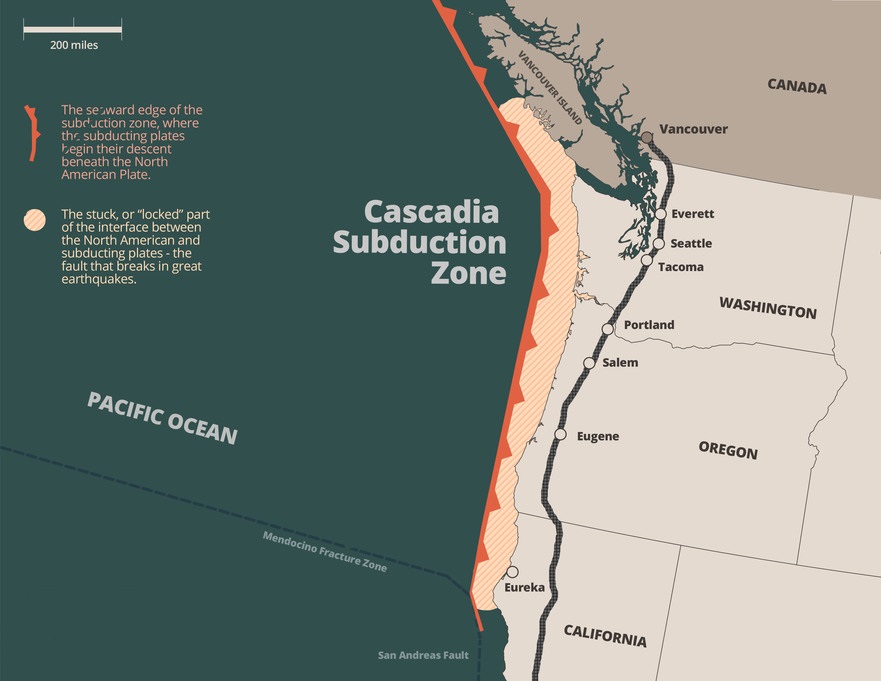
Researchers are raising fresh concerns over the Cascadia Subduction Zone, a massive offshore fault stretching roughly 700 miles from Northern California to British Columbia. The fault has the potential to unleash a catastrophic magnitude 9.0 earthquake comparable to the devastating 2011 Japan earthquake and the 2004 Indian Ocean disaster.
Federal and university researchers say the threat impacts five western states most directly: California, Oregon, Washington, Alaska, and Hawaii, due to tsunami risk and Pacific coastal vulnerability. Scientists estimate there is roughly a 15% chance of a magnitude 8.0 or larger Cascadia earthquake striking within the next 50 years.
New Research Suggests Damage Could Last Centuries
Scientists now believe the disaster could trigger much more than violent shaking and tsunami waves. New research published in 2025 found that entire sections of the Pacific Northwest coastline could suddenly sink by more than six feet after a major rupture.
Researchers say this land subsidence could permanently reshape coastal communities, turning previously dry land into flood-prone zones for decades or even centuries. Some towns in Oregon and Washington could experience repeated flooding long after the earthquake itself ends.
The earthquake is also expected to generate tsunami waves reaching up to 100 feet in some coastal areas. Emergency management officials warn that entire transportation systems, utilities, hospitals, and communication networks could remain damaged for months following the disaster.
Cascadia and San Andreas Faults May Be Connected
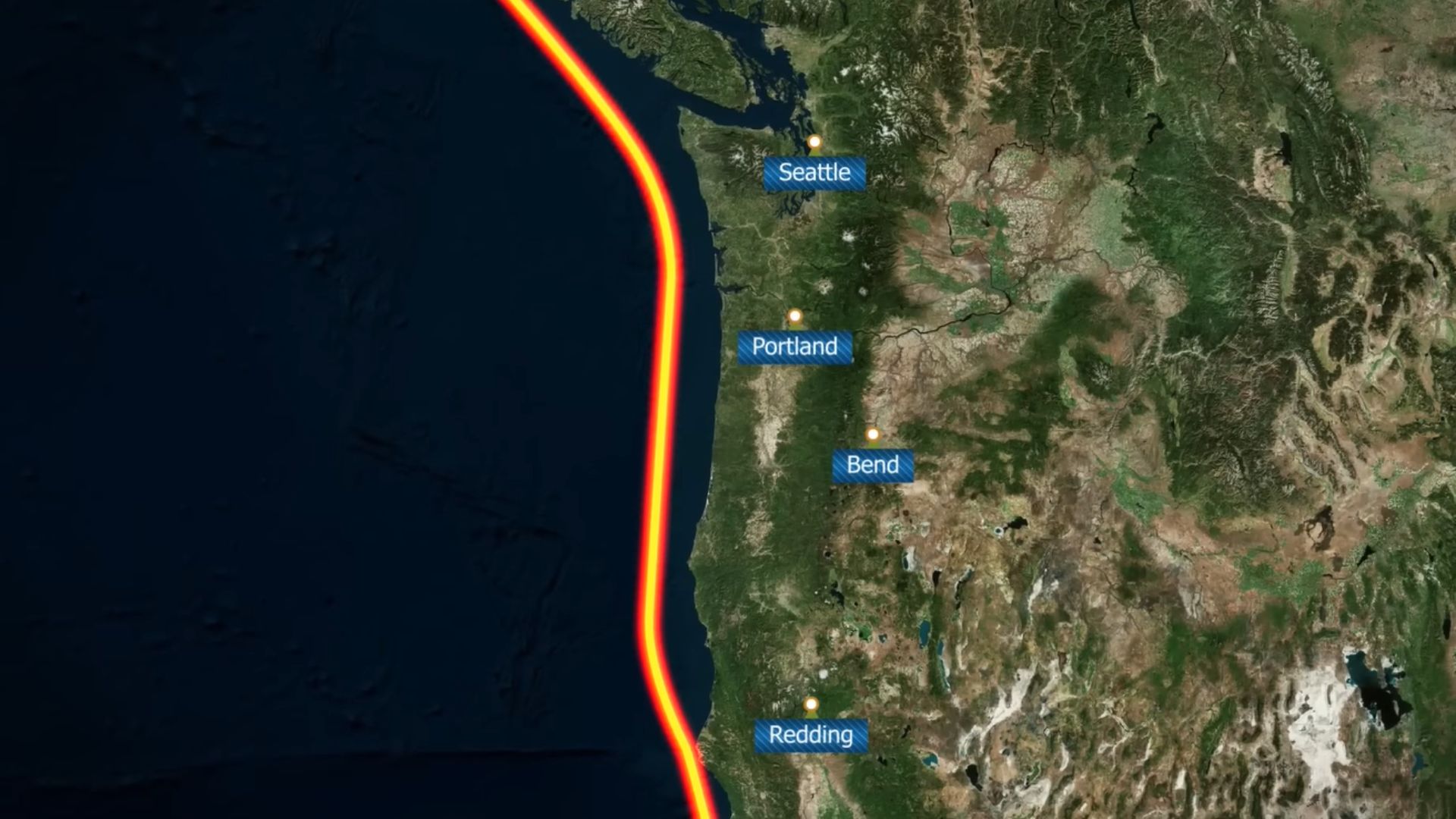
Adding to fears, scientists recently discovered evidence suggesting the Cascadia Subduction Zone and California’s San Andreas Fault may sometimes trigger each other. Researchers analyzing deep-sea sediment found signs that the two fault systems may have produced linked earthquakes multiple times over the last 3,000 years.
The studies suggest massive earthquakes could strike the Pacific Northwest and Northern California within minutes or hours of one another. Experts warn this scenario could overwhelm emergency responders nationwide and create simultaneous crises in cities including Seattle, Portland, San Francisco, and Vancouver.
Scientists identified at least 18 possible synchronized earthquake events in geological records. Researchers say the findings dramatically change how emergency planners must think about future disasters along the West Coast.
Officials Say Communities Must Prepare Now
Emergency management agencies across Oregon and Washington are already preparing for what many officials call “The Big One.” Counties are strengthening bridges, building resilience hubs, improving evacuation plans, and upgrading emergency communication systems.
Officials warn that residents in coastal communities may need to survive on their own for at least two weeks before outside aid can arrive. Some counties are encouraging neighborhoods to organize emergency response teams and create communication plans before disaster strikes.
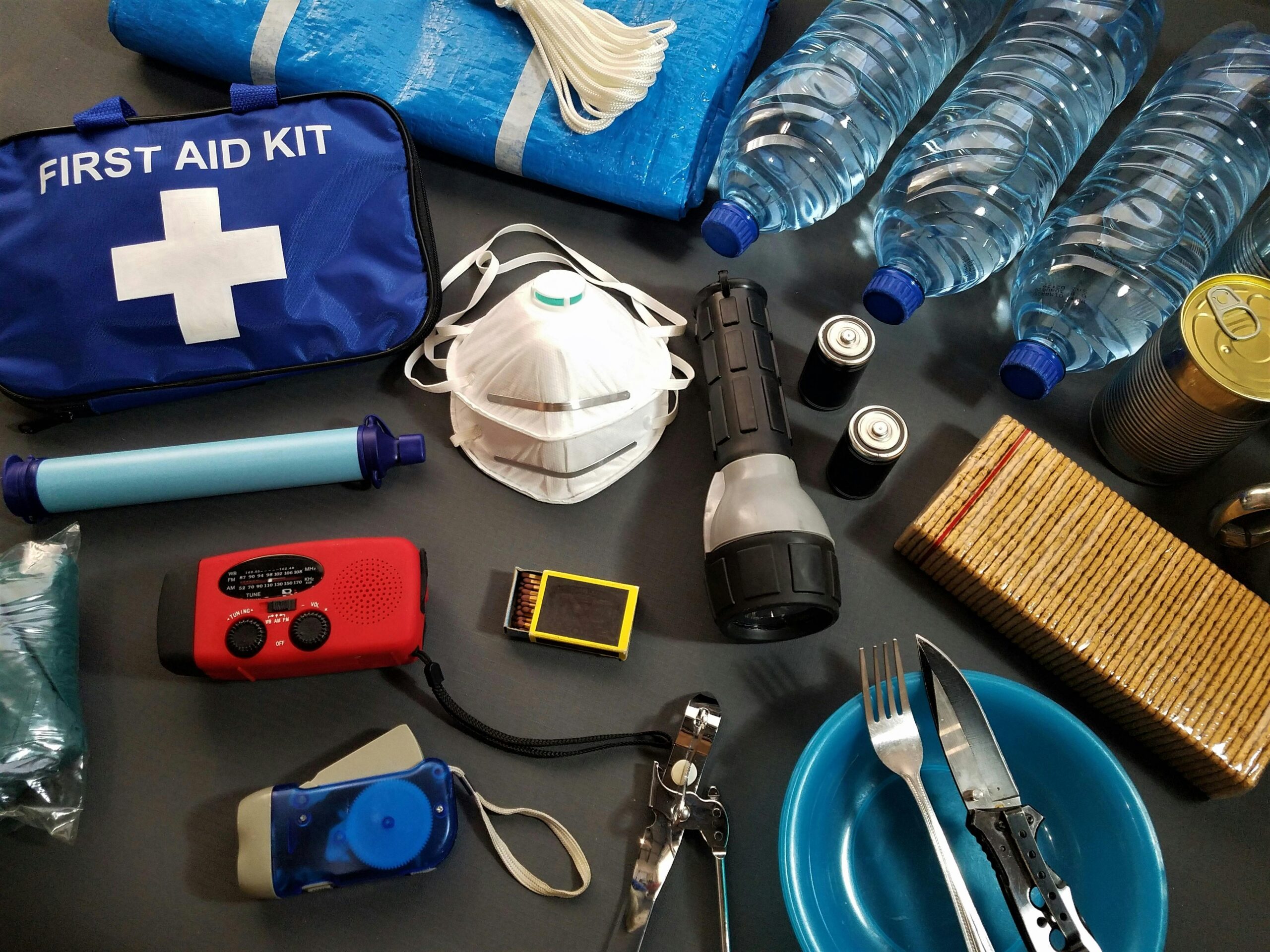
Experts continue urging families to prepare emergency kits, secure earthquake insurance if possible, and learn earthquake safety procedures such as “Drop, Cover, and Hold On.” While scientists cannot predict exactly when the next major Cascadia earthquake will occur, they agree that preparation now could save countless lives later.