Landlords Seek $1.5 Billion in Federal Compensation Over Rent Losses During Pandemic Eviction Ban
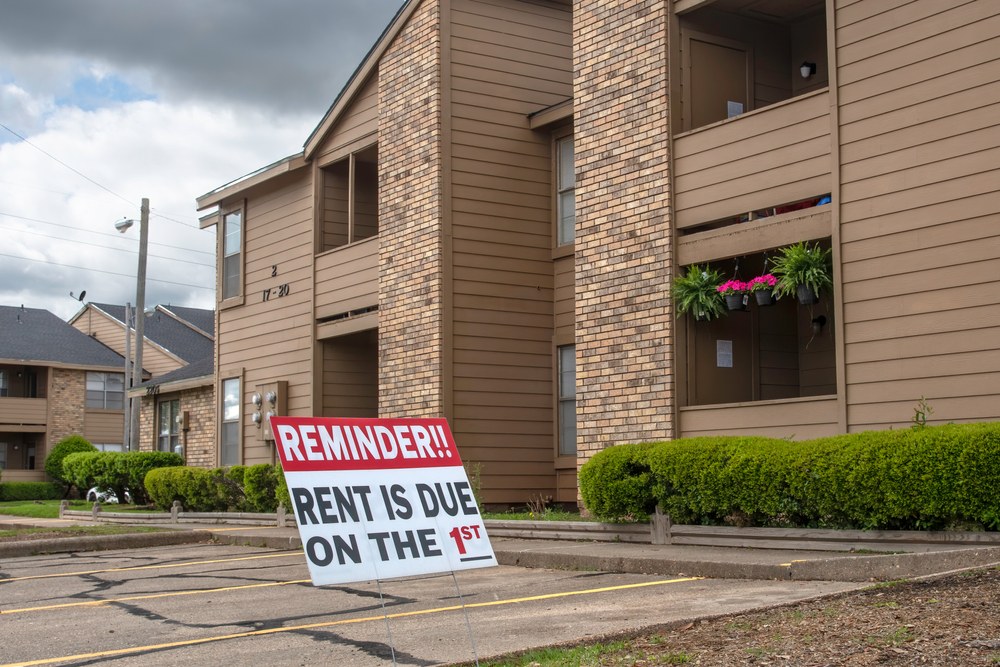


Nearly five years after the federal government halted many residential evictions during the COVID-19 emergency, landlords across the country are now pursuing up to $1.5 billion in compensation from Washington, arguing the policy unlawfully shifted public costs onto private property owners. More than 1,500 landlords have joined a federal lawsuit claiming the Centers for Disease Control and Prevention’s eviction moratorium amounted to a government “taking” under the Fifth Amendment, reopening one of the pandemic’s most divisive legal and economic debates.
The CDC’s Unprecedented Intervention

The eviction ban emerged during one of the most unstable periods of the pandemic. In September 2020, the CDC imposed a nationwide moratorium on evictions for nonpayment of rent, arguing that preventing homelessness and overcrowded housing would slow the spread of COVID-19. The Congressional Research Service described the order as unprecedented because it used federal public health authority to intervene in landlord-tenant law, an area traditionally controlled by states and local governments. The moratorium followed narrower protections included in the CARES Act earlier in 2020 and ultimately lasted until the Supreme Court blocked the CDC order in 2021.
Landlords Say The Financial Damage Was Severe
Property owners involved in the lawsuit argue the moratorium created cascading financial losses that continued long after the public health emergency faded. Texas landlord Matthew Haines said the policy cost him and his investors more than $1 million after tenants stopped paying rent during the nearly yearlong federal freeze. Landlords told the Associated Press they delayed repairs, took on debt, laid off workers, and in some cases sold properties entirely because rental income vanished while taxes, utilities, insurance, and mortgage obligations continued.
The Constitutional Argument Behind The Lawsuit

The legal challenge centers on the Fifth Amendment, which prohibits the government from taking private property for public use without just compensation. The plaintiffs argue the federal government effectively forced landlords to provide housing without payment in order to achieve a broader public health goal. Attorney Creighton Magid, representing the landlords, argued that while public health measures may be well intentioned, “the financial burden should be borne by the government, not individual property owners.” The plaintiffs initially lost in the U.S. Court of Federal Claims in 2022, but later won on appeal and entered settlement discussions with the Justice Department.
Federal Officials Faced Competing Housing Fears
At the height of the pandemic, policymakers feared a national eviction wave that could destabilize housing markets and worsen viral spread. According to the Congressional Research Service, the Aspen Institute estimated in 2020 that between 13 million and 17 million renter households were at risk of eviction due to pandemic-related economic hardship. Estimates for unpaid rent ranged from $25 billion to $70 billion by the end of that year. The CDC argued that widespread displacement would force families into shelters, crowded housing, or homelessness, increasing COVID-19 transmission risks nationwide.
Tenant Advocates Credit The Moratorium With Preventing Homelessness
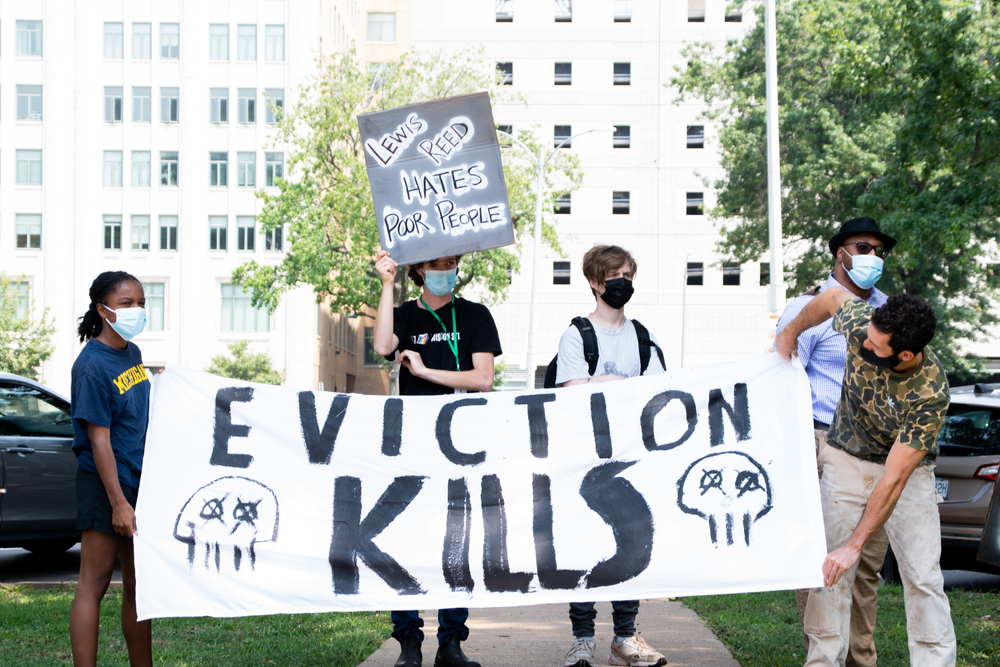
Housing advocates continue to defend the policy as a critical emergency intervention. Kathryn Leifheit of UCLA’s Fielding School of Public Health pointed to research published in JAMA Network Open showing homelessness rose 11% in a typical state in 2022 and would likely have risen 20% without eviction moratoriums. Former restaurant worker Dulcee Barnes told AP that the moratorium gave her and her roommates time to stabilize after losing their jobs in Miami during the pandemic, preventing immediate eviction and possible homelessness. For tenant advocates, the policy represented a public health safeguard rather than a confiscation of property rights.
Billions In Rental Assistance Did Not End The Dispute

Congress attempted to offset the economic strain with emergency rental assistance programs. The Congressional Research Service noted that the FY2021 Consolidated Appropriations Act included $25 billion for emergency rental aid. Tenant advocates further argue landlords benefited from $46.5 billion in federal emergency rental assistance overall, much of it directed toward areas with historically high eviction rates. But many landlords insist the programs were slow, inconsistent, and tangled in administrative delays. AP reported that some states struggled to distribute funds, while Arkansas and Nebraska declined portions of the federal aid entirely.
The Moratorium Changed How Many Landlords Screen Tenants

Even after the federal ban ended, landlords say the experience fundamentally altered how they approach renting properties. Some now impose stricter screening standards, avoid higher-risk tenants, or leave units vacant longer rather than risk prolonged nonpayment disputes. Virginia property manager Rick Jones said the pandemic intensified concerns about fraud and forged financial documents among rental applicants. Haines said eviction cases now take longer than before the pandemic, making landlords less willing to accept applicants with unstable income or uneven rental histories. Critics argue those tighter standards may ultimately make housing access harder for lower-income renters.
Courts Continue To Define The Limits Of Emergency Power
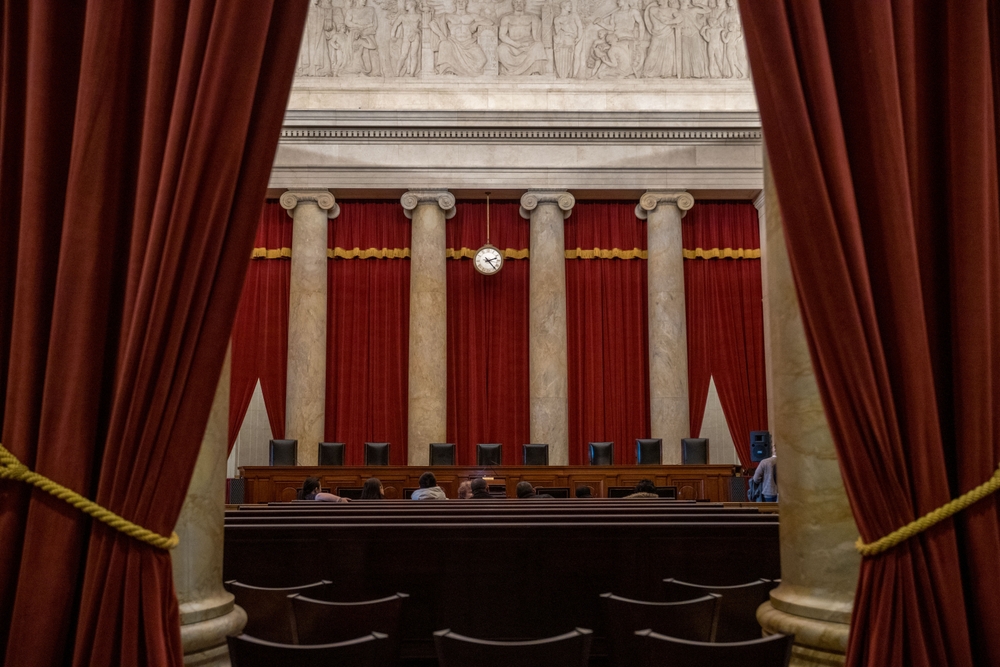
The legal and constitutional questions raised by the moratorium have continued to ripple through federal courts. The Supreme Court ultimately ruled that the CDC lacked congressional authorization to impose the nationwide eviction ban. Yet the compensation lawsuit goes further by testing whether emergency restrictions imposed during crises can create a government obligation to reimburse private citizens for economic losses. Legal experts say the outcome could influence future responses not only to pandemics, but also to climate disasters, public health emergencies, and other national crises where governments intervene in private contracts or property rights.
What Happens Next Could Shape Future Emergency Housing Policy
Settlement discussions between landlords and the Justice Department now carry implications well beyond the rental industry. A large federal payout could encourage future constitutional claims whenever emergency regulations impose financial burdens on private businesses. A government victory, however, could reinforce broad federal authority during public emergencies even when individual economic losses are substantial. As policymakers prepare for future crises, the unresolved question remains whether emergency protections designed to keep millions housed can coexist with constitutional protections for property owners without triggering years of litigation afterward.