Once-Booming Nevada Casino Hub Faces ‘Ghost Town’ Fears Amid Closures


On July 4, 2026, the last casino in Primm, Nevada will close its doors forever, leaving 344 people jobless and a small border town without its only reason to exist. Historians are already calling it a first: America’s original gambling ghost town. For decades, Primm was the electrifying first stop for millions of Californians chasing Vegas thrills. Now, the neon is going dark for good.
A Border Town Built on Borrowed Luck
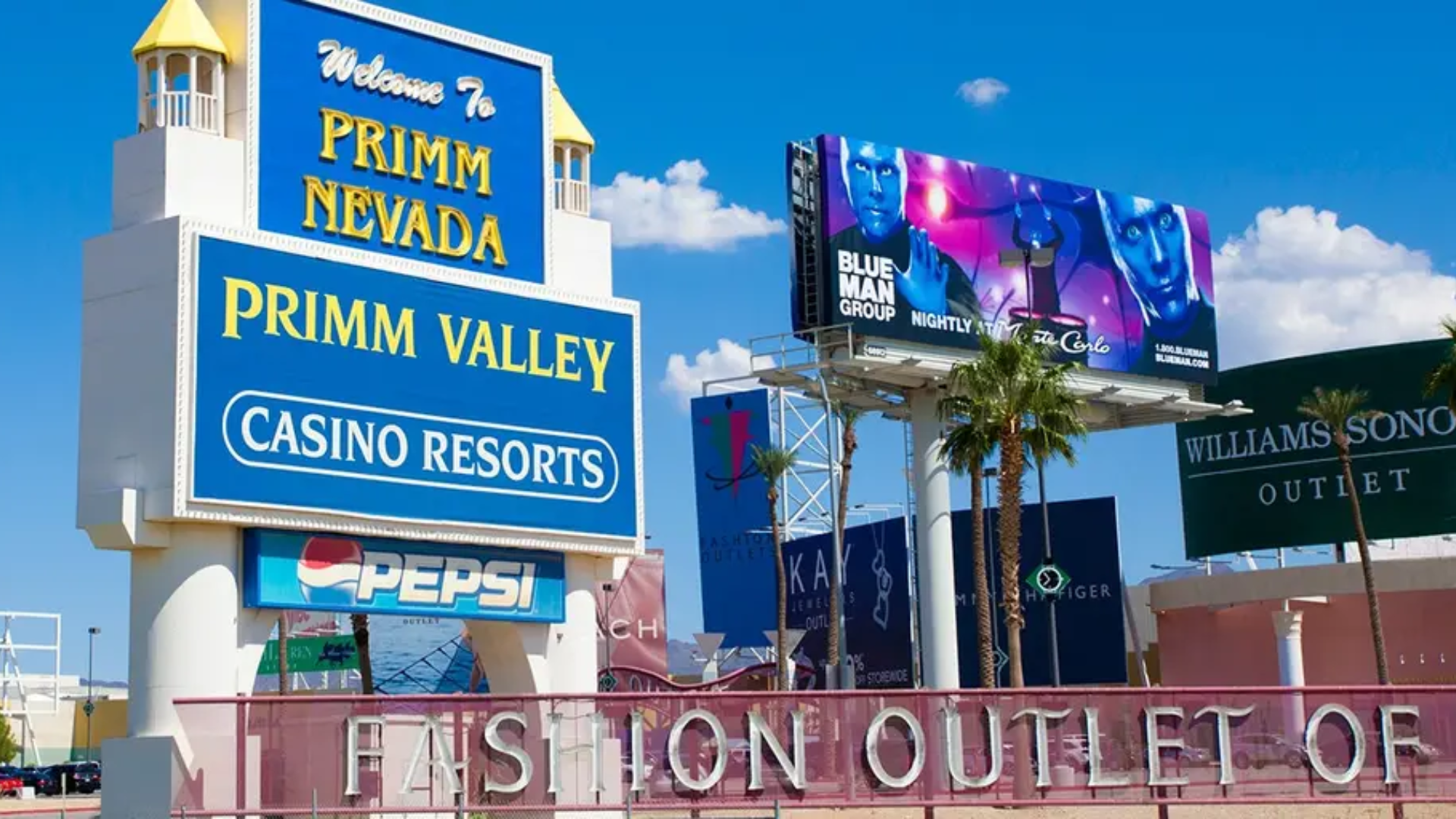
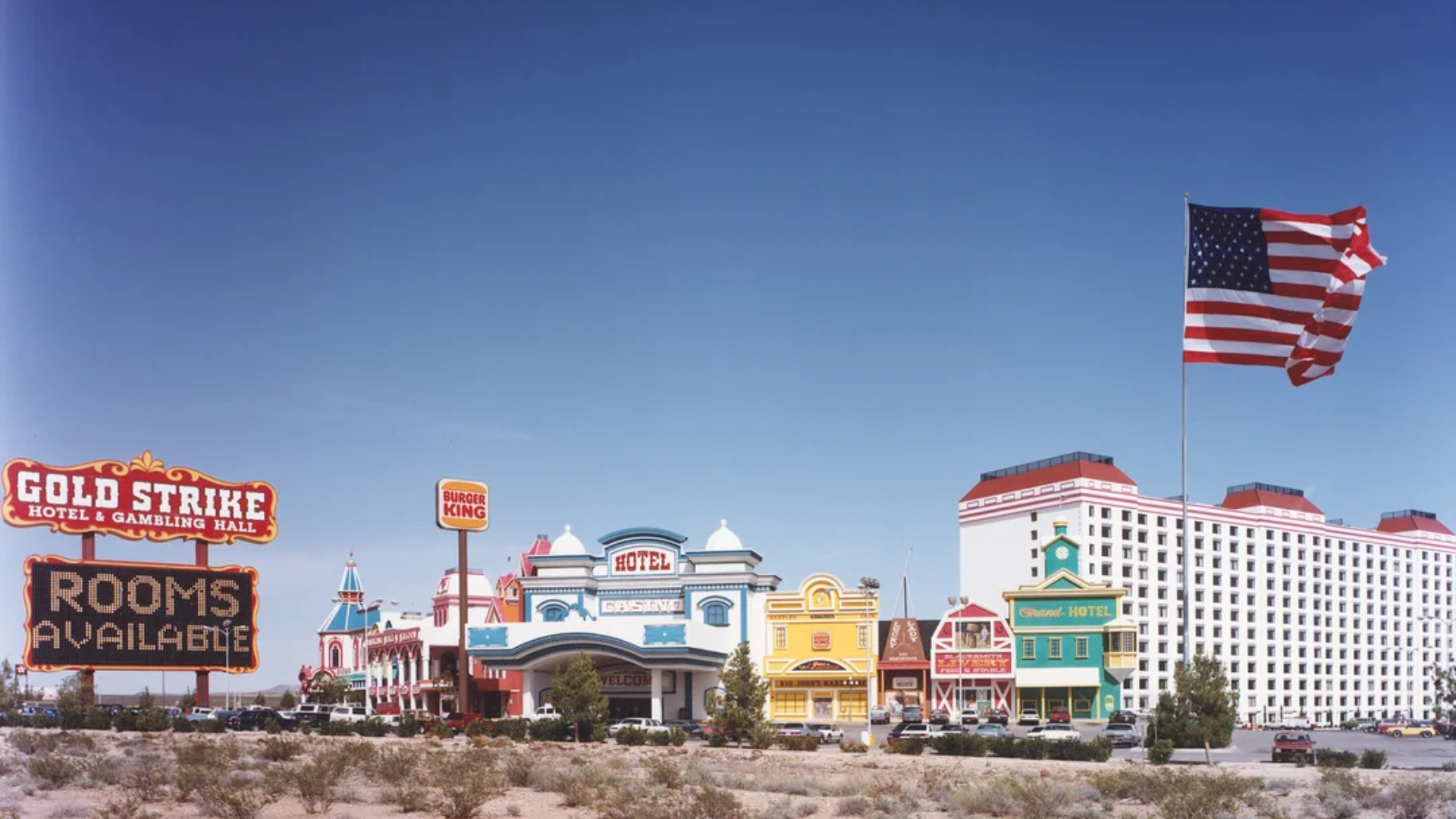
Primm sits on the California-Nevada state line, 38 miles south of the Las Vegas Strip. Since the 1970s, it served as the gateway for Californians who couldn’t wait to gamble. Travelers stopped there on their way to Vegas, or stayed to enjoy a cheaper version of the Sin City experience. At its peak, the town boasted three casino resorts, outlet shopping, a golf course, and even a roller coaster.
Three Casinos, One by One

Primm Valley Casino Resorts operated three properties under its umbrella. Whiskey Pete’s, the most recognizable landmark for border-crossing drivers with its castle-like silhouette, shut down in December 2024. Buffalo Bill’s, famous for its Desperado roller coaster and Old West theme, stopped full-time casino operations in July 2025. Primm Valley Resort, the complex’s last active property, will follow on Independence Day 2026, completing the shutdown. But what makes these closures devastating is that they are also a housing crisis.
The Human Cost Behind the Numbers

Parent company Affinity Gaming notified its 344 employees of permanent termination on May 5, 2026. Many of those workers also lived in company-owned Desert Oasis Apartments on-site. They must vacate by July 6, giving them just two days after losing their jobs to find new housing. Affinity pledged to stop charging rent and help coordinate government assistance.
California’s Casinos Stole the Crowd

The biggest blow to Primm came not from Las Vegas, but from its own neighboring state. “The success of Native American casinos in Southern California led to a decline in visitation,” according to Amanda Belarmino, associate professor of hospitality at the University of Nevada, Las Vegas. Californians who once crossed state lines just to gamble no longer needed to. Once the border crossing lost its novelty, Primm lost its purpose.
COVID Delivered the Killing Blow

Primm had already been weakening for 15 to 20 years before the pandemic arrived, according to Belarmino. “Development in California and partly development in Las Vegas” had steadily drained its customer base, she told Fox News Digital. When COVID-19 closed casinos in 2020, Primm’s three resorts shut down alongside the rest of Nevada’s gaming industry. Business never fully recovered. By mid-2024, the resort was so empty that an unstaffed cage was robbed of $652,000.
Too Many Rooms, Too Little Demand
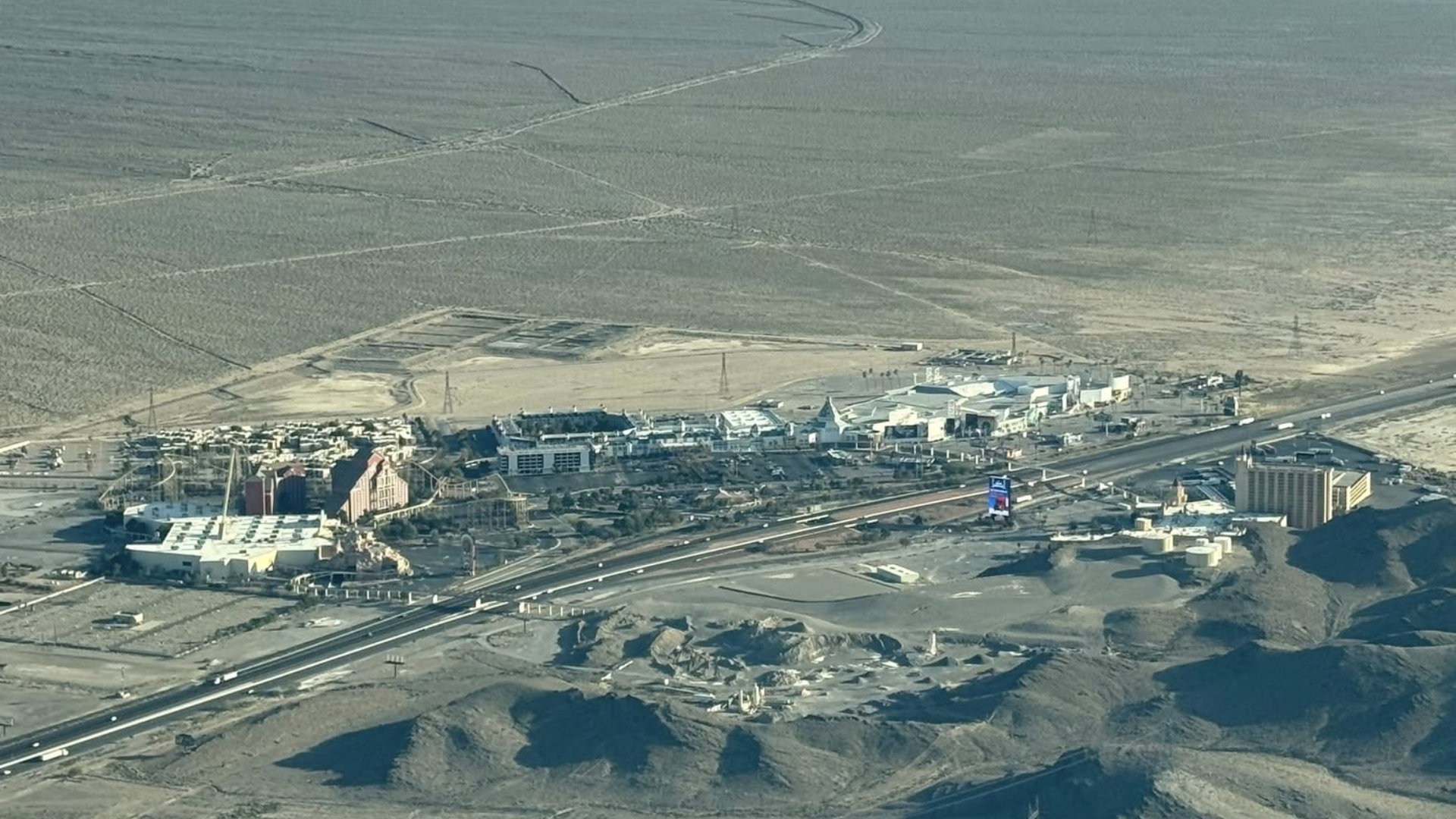
Even when Primm was thriving, cracks were forming. Affinity Gaming’s own general counsel acknowledged in a 2024 letter to Clark County commissioners that traffic at the state line was too concentrated on weekends to support three full-time properties. “Three hotels in that area were a bit too much,” echoed Michael Green, associate professor of history at UNLV. The town’s attractions, from buffets to the famous Bonnie and Clyde death car exhibit, could not fill that gap.
What the Founders Are Trying to Save
Not everyone has surrendered. Cory Clemetson, grandson of town founder Ernest Primm and president of the local landowners’ group, confirmed his family is working to identify buyers for the properties. The Primm family is also reportedly pushing to keep the gas stations along Interstate 15 open for the millions of drivers who still travel that corridor. Without fuel and food stops, the highway stretch becomes significantly more difficult for travelers.
Gambling Is Far From Dying

Primm’s collapse does not signal the end of casino gaming, experts say. David G. Schwartz, UNLV professor and gaming historian, compares gambling’s future to retail: people still shop in person for big, experiential purchases. High-stakes baccarat, he argues, is unlikely to move online. But low-stakes convenience gambling, like lottery tickets, will shift to phones. The question is whether destination resorts can reinvent themselves around something bigger than the casino floor alone.
The Next Chapter for Border-Town America

Las Vegas has already found its answer: arenas, stadiums, and spectacles like the Sphere have replaced casino openings as the city’s biggest draws. Primm never had the runway to make that pivot. When the last lights go out on July 4, a town built entirely on the thrill of crossing a state line will stand as a cautionary chapter in American tourism history. What fills that silence, if anything, remains an open question.