Jeff Bezos Proposes Eliminating Federal Income Tax For The Bottom Half Of U.S. Earners


Jeff Bezos, founder of Amazon and one of the wealthiest people in the world, is proposing that the bottom half of American earners should pay no federal income tax at all. Speaking in an interview with CNBC, Bezos argued that workers earning under roughly $50,000 to $75,000 a year are paying thousands of dollars annually to a system where their combined contributions amount to only about 3 percent of total federal tax revenue. His position: that amount could be offset through spending adjustments, and those workers should simply be left alone.
The scale of what Bezos is describing is significant. More than 100 million Americans fall into the income range his proposal would affect. To illustrate the burden he believes is unjustified, Bezos pointed to specific examples from New York: a nurse earning $75,000 who pays more than $12,000 a year in federal taxes, and entry-level Amazon workers earning around $50,000 who may pay roughly $10,000. “That’s absurd,” Bezos said. “Zero is a nice number,” he added, describing what he believes the effective federal tax rate for those earners should be.
Bezos said he plans to take the proposal directly to President Donald Trump, citing his ability to engage with policymakers in Washington. Any actual change to federal tax law would require congressional approval and would face substantial debate over budget impacts, revenue offsets, and distributional effects across income groups. The proposal has no legislative vehicle behind it yet and remains a public argument rather than a formal policy. But coming from one of the most prominent business figures in the country, it is already drawing attention from both sides of the tax debate.
The Spending Argument Behind the Tax Proposal

Bezos was careful to frame his proposal not as a call to raise taxes on the wealthy but as an argument that the United States has a spending problem rather than a revenue problem. He said that even doubling his own personal tax bill would not materially improve the financial conditions facing lower-income Americans, contending that the volume of revenue collected is less important than how that revenue is allocated. His position places the emphasis on government efficiency and spending decisions rather than on the question of who pays and at what rate.
He also criticized the structure of the existing tax code, describing it as filled with loopholes and characterizing it as a form of “crony capitalism.” That framing positions his argument within a broader critique of how the tax system operates in practice, where complexity and carve-outs benefit those with the resources to navigate them while ordinary workers pay straightforward rates on their wages. Bezos did not rule out higher taxes on wealthier Americans but described that as a policy choice rather than a fiscal necessity, arguing the more urgent priority is reforming how existing tax dollars are spent.
The 3 percent figure Bezos cited is central to his argument. If the bottom half of earners collectively contribute only about 3 percent of federal income tax revenue, the fiscal impact of eliminating that burden is relatively contained compared to the relief it would deliver to the individuals paying it. Whether that gap can realistically be closed through spending reductions alone is a question economists are likely to debate at length. Federal spending cuts of any meaningful size involve tradeoffs that affect the same lower-income households Bezos says he wants to help, and the revenue math would require careful independent analysis before any proposal moved forward.
Two Economies, One Tax Code

A recurring theme in Bezos’s interview was what he described as the existence of two separate economic realities operating inside the United States simultaneously. In one, entrepreneurs, investors, and business owners have access to capital, opportunity, and upside. In the other, workers face rising costs for housing, food, healthcare, and transportation with limited ability to build financial security regardless of how hard they work. Bezos said he views his tax proposal as a direct response to that divide, putting more money in the hands of people in the second economy without requiring them to navigate any additional program or application.
The cost of living dimension of his argument lands with particular relevance given current conditions. Grocery prices, rent, and utility costs have remained elevated for lower and middle-income households following years of above-average inflation. For a worker earning $50,000 a year and paying $10,000 in federal taxes, the effective take-home income is constrained in ways that limit options on housing location, food quality, childcare, and savings. Bezos’s framing presents the tax bill itself as one of the more direct and solvable pressures on that budget, even if the political path to eliminating it is anything but straightforward.
Bezos also addressed criticism from Representative Alexandria Ocasio-Cortez, who has argued that billion-dollar fortunes reflect systemic problems rather than individual achievement. Asked about her claim that it is impossible to ethically earn a billion dollars, Bezos defended large-scale wealth accumulation as the natural result of businesses growing to serve millions of customers who voluntarily choose their services. “At what point did that money all of a sudden become unethical?” he said. His response did not resolve the underlying disagreement but drew a clear line between his view of how wealth is created and the critique that questions whether that process should produce outcomes of the scale it currently does.
What Would Actually Have to Happen for This to Become Law
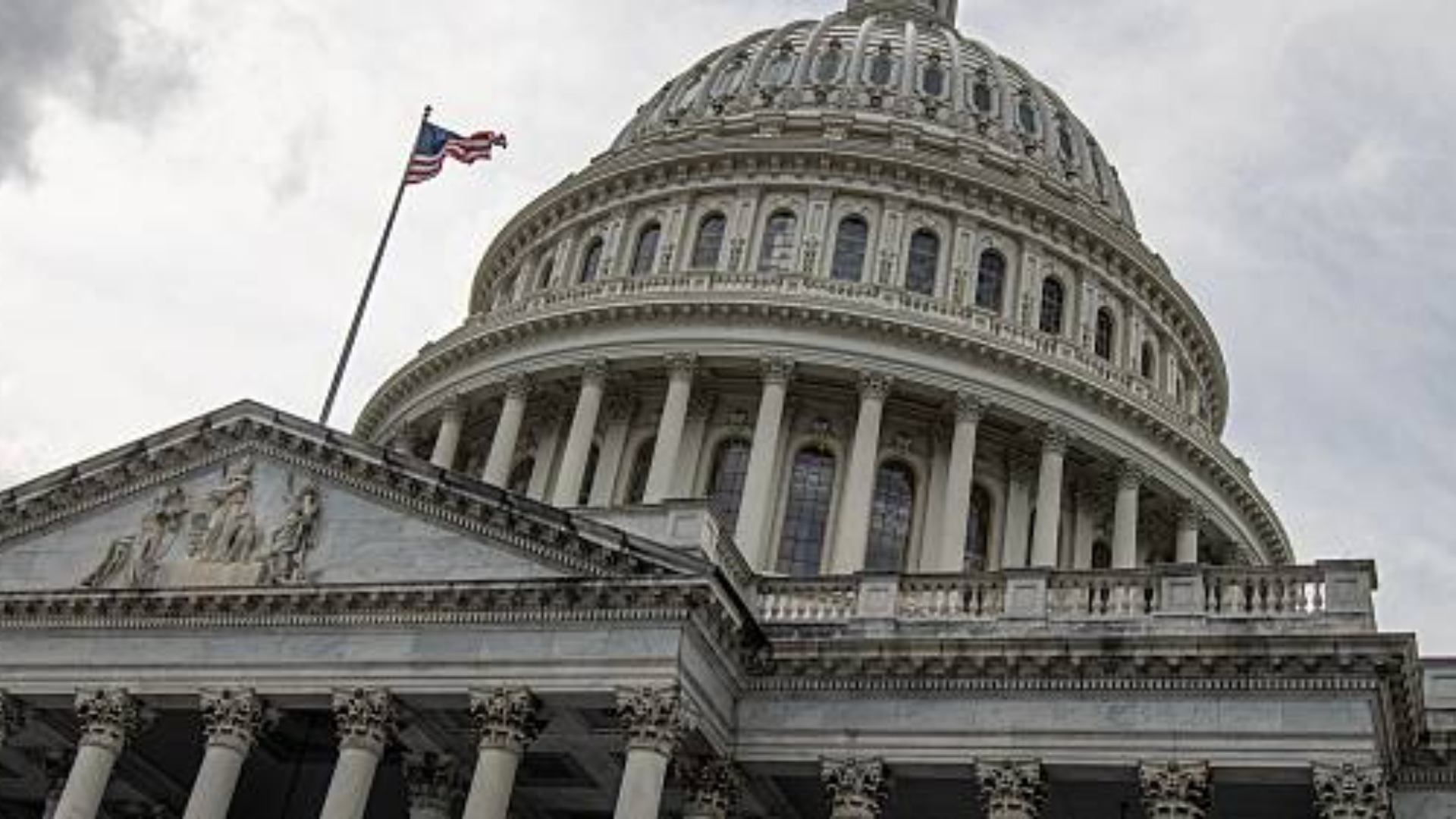
Bezos’s proposal faces a long road from interview comment to enacted policy. Federal tax law is written by Congress, and any legislation eliminating income taxes for the bottom half of earners would need to pass both the House and Senate while satisfying competing concerns about deficit impacts, revenue replacement, and distributional fairness. The current political environment, in which both parties are navigating the fiscal consequences of existing tax cuts and rising federal debt, does not make large new revenue reductions easy to move through the legislative process, regardless of who is advocating for them.
The proposal also enters a policy landscape where tax relief for lower-income workers is not a new idea. The existing standard deduction, the Earned Income Tax Credit, and the Child Tax Credit already reduce or eliminate federal income tax liability for many lower-income households. The Tax Policy Center has estimated that a significant share of Americans already pay no federal income tax in a given year. How Bezos’s proposal would interact with those existing provisions, and what the net new benefit would be for households currently paying some federal tax, would require detailed scoring to determine the actual population affected and the cost involved.
Whether or not his proposal advances politically, Bezos has introduced a frame that is likely to persist in the tax debate: that the share of federal revenue contributed by the bottom half of earners is small enough that eliminating it would be fiscally manageable, and that the relief delivered to those individuals would be immediate and concrete. That argument will be tested against competing claims about budget impacts, fairness, and the role of taxation in funding public services that lower-income Americans also depend on. The conversation Bezos started in that CNBC interview is unlikely to end there, particularly with more than 100 million people directly affected by whatever answer Washington eventually provides.