Trump Pledged To Refill The Emergency Oil Reserve But A Global Energy Crisis Authorized Record Depletions


America keeps hundreds of millions of barrels of crude oil locked in underground salt caverns along the Gulf Coast for one purpose: emergencies. President Trump promised voters he would fill those caverns back up. Instead, the reserve just lost nearly 10 million barrels in a single week, the largest one-week drop ever recorded. The reason traces back to a conflict halfway around the world that has upended global energy markets since February 2026.
What the Strategic Petroleum Reserve Actually Is
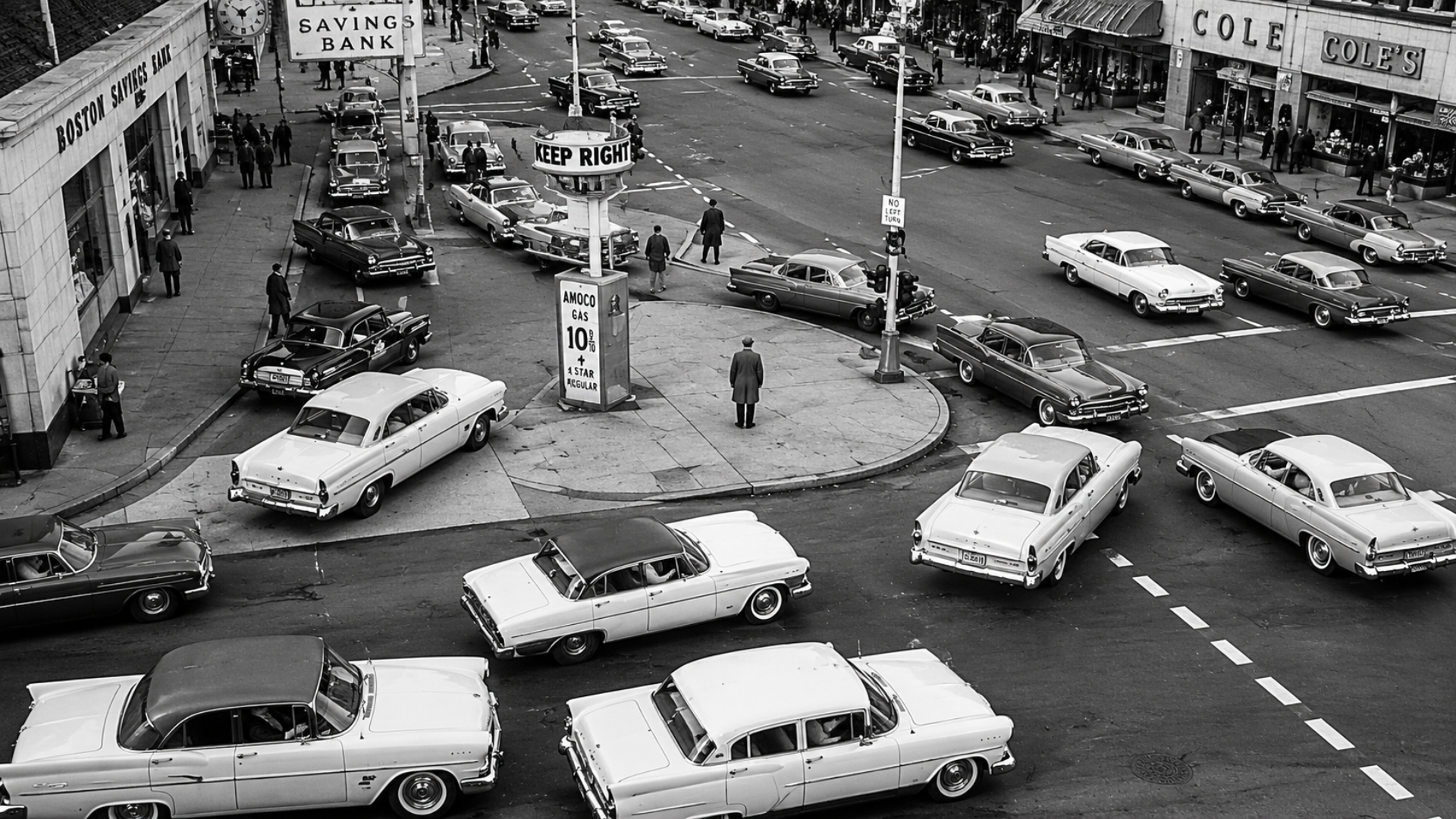
The Strategic Petroleum Reserve was created after the 1973 OPEC oil embargo left American drivers sitting in gas lines for hours. Congress decided the country needed a buffer, a stockpile large enough to keep fuel flowing if foreign supply suddenly dried up. The reserve peaked near 727 million barrels around 2009. Today it holds roughly 374 million barrels, less than half that peak, and far below the cushion Washington once relied on during global supply shocks.
The War in the Middle East
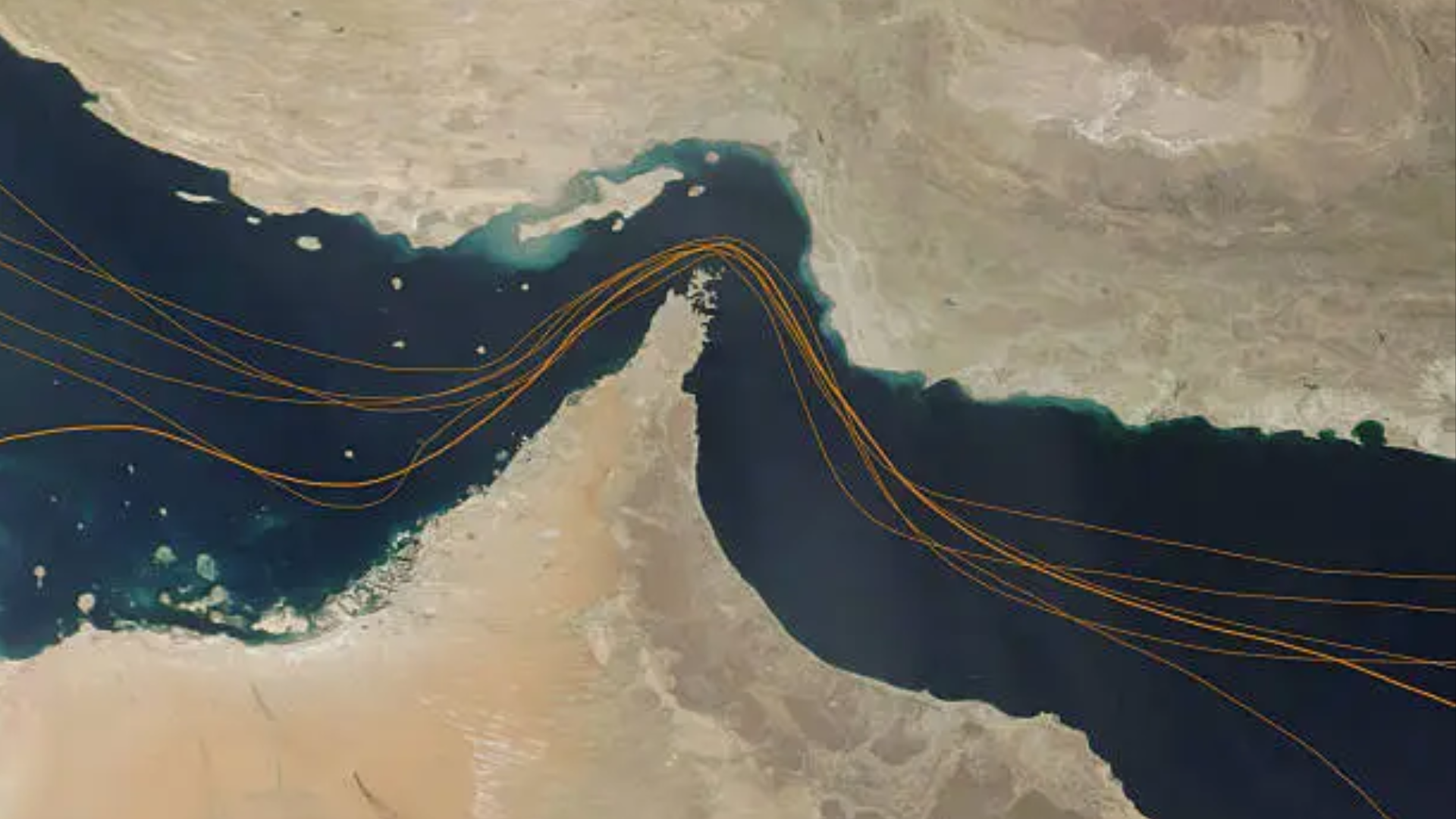
Hundreds of tankers sat idle on both sides of the Strait of Hormuz after Iran effectively closed the waterway following U.S. and Israeli attacks on Tehran in late February 2026, pushing oil prices above $100 for the first time since Russia’s invasion of Ukraine. The Strait, which normally carries more than 20 million barrels of oil per day, saw shipments collapse to roughly 3.8 million barrels per day by early April.
The Largest Emergency Oil Release in History
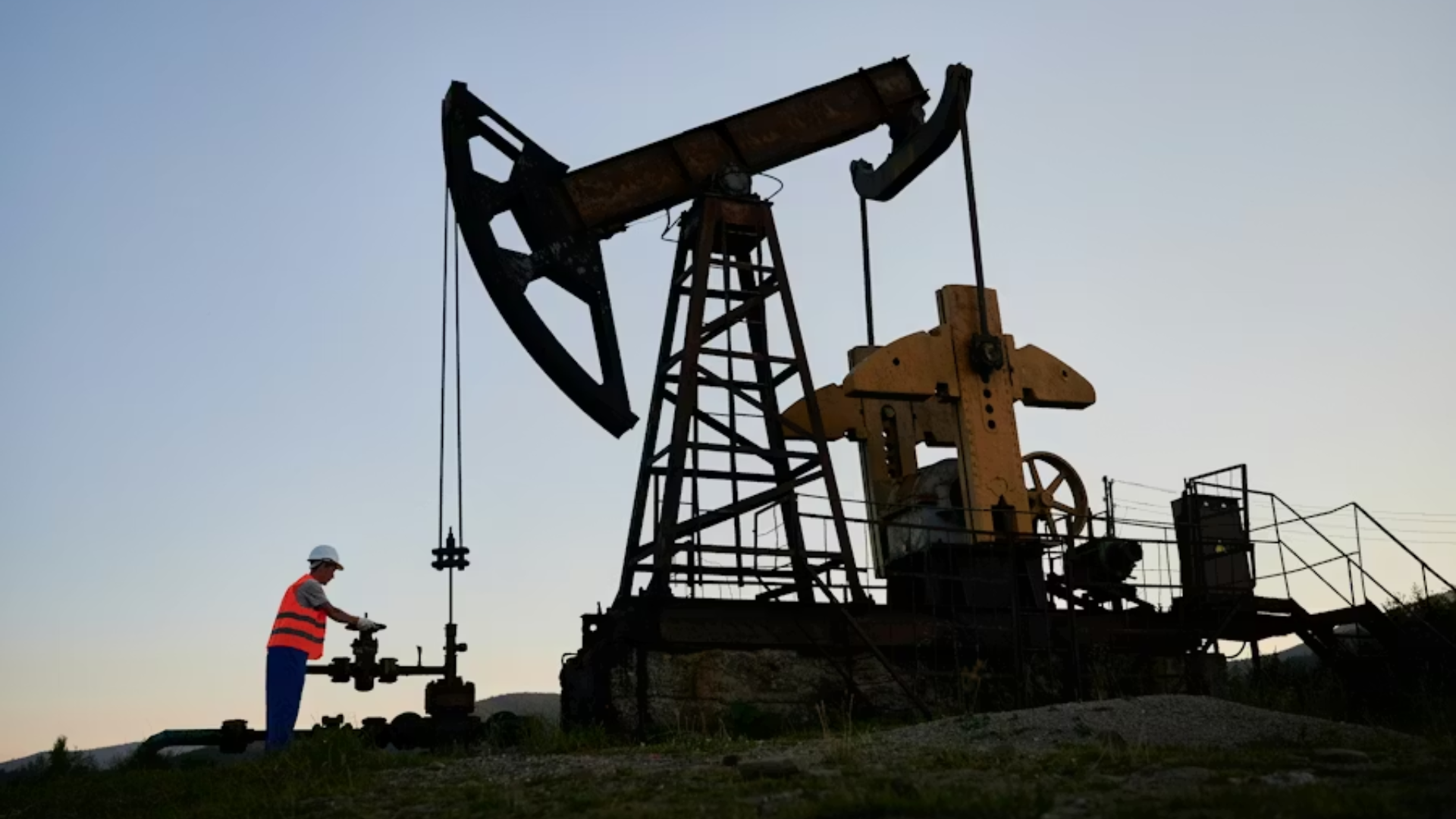
The International Energy Agency announced it would release 400 million barrels of oil from the strategic reserves of its 32 member nations, the largest coordinated release in the agency’s history, as the global economy absorbed the shock of a near-total halt to Hormuz tanker traffic. The United States made the single largest national commitment, pledging 172 million barrels, with the Department of Energy quickly awarding contracts to eight companies drawing from storage sites in Texas and Louisiana.
Oil Prices Spiked to Levels Not Seen in Years
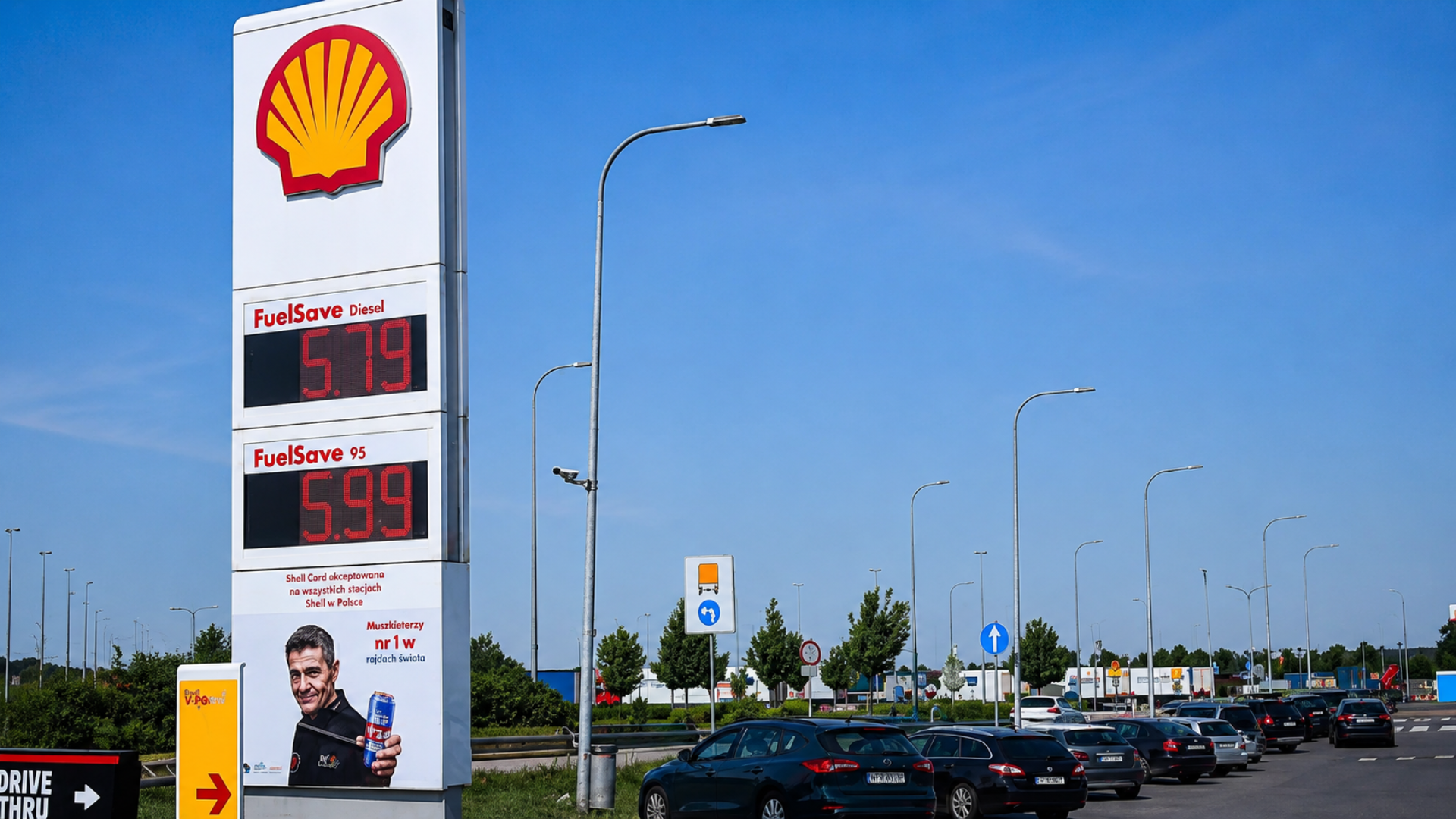
The market responded sharply to the Hormuz closure. West Texas Intermediate crude spiked to $114.58 a barrel in early April at the height of the conflict, and was still trading above $101 in mid-May. Brent crude briefly traded above $108 this month while physical cargo premiums surged during the peak of tanker disruption fears. For American households, those prices translated directly into higher costs at the gas pump and on heating bills.
Trump’s Promise Collides With a Political Reality

Trump repeatedly criticized the Biden administration’s massive 2022 and 2023 reserve releases during his campaign, promising to refill the SPR. Yet the Iran war reversed an initial 22-million-barrel gain made through 2025, and the administration is now draining emergency crude reserves again while oil prices remain above $100 a barrel. Buying replacement barrels at today’s prices means paying a premium over what the government received when it sold them years ago.
Record Withdrawals, Two Weeks Running

Standard Chartered reported that U.S. SPR inventories fell by 9.9 million barrels in the week ending May 15, following a decline of 8.6 million barrels the previous week, bringing total SPR volumes to approximately 374 million barrels and quickly approaching what analysts described as operational stress limits. Together, those two weeks represent the fastest consecutive pace of withdrawals ever recorded, raising urgent questions about how much buffer remains.
Gas Prices May Hold for Now, but the Bigger Risk Is Tomorrow
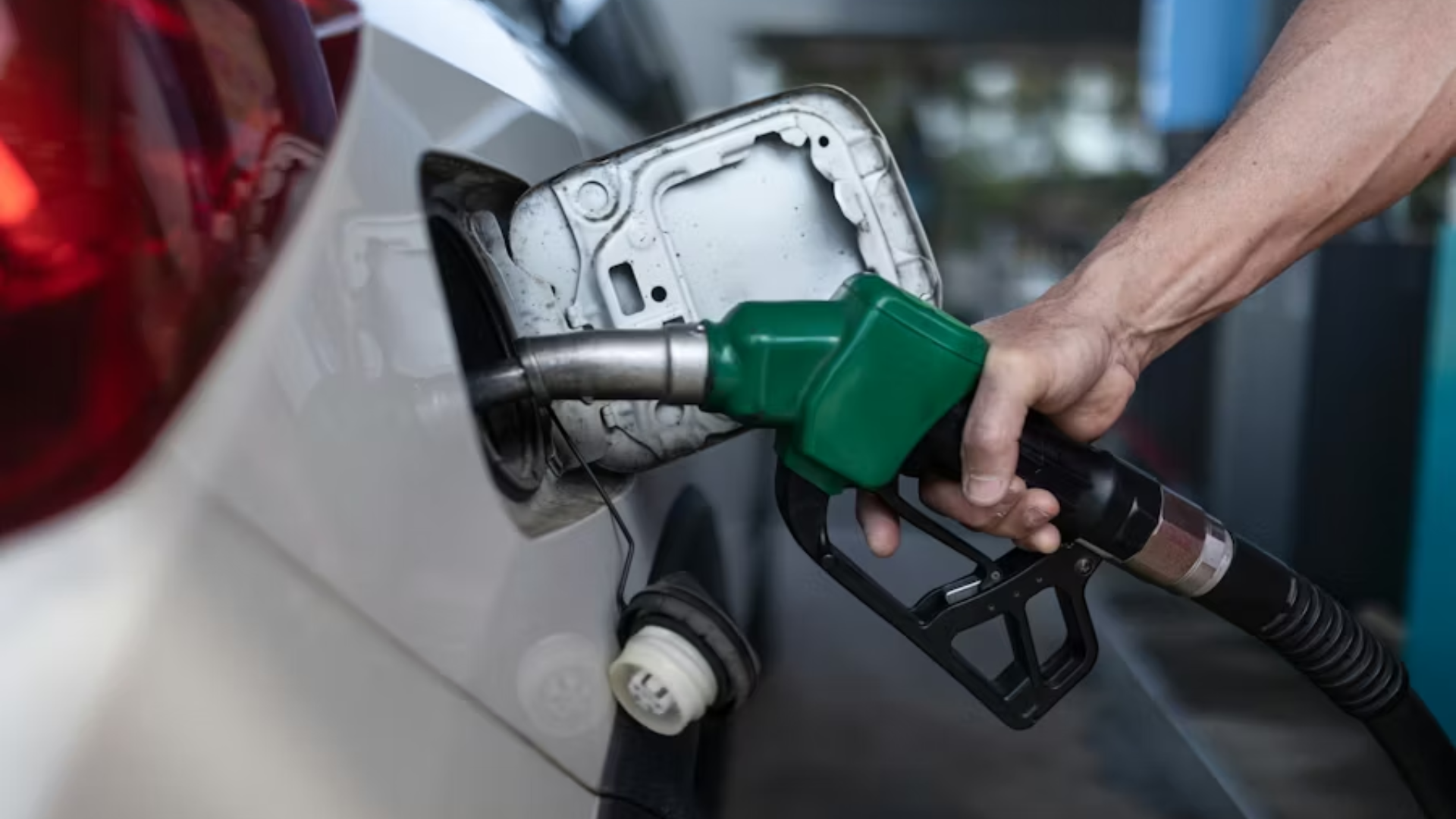
According to Patrick De Haan, Head of Petroleum Analysis at GasBuddy, the weekly drop reflects pre-authorized sales and transfers, not a new crisis, and motorists should not expect an immediate spike at the pump. However, De Haan noted that even a large SPR decline does not come close to offsetting the 15 to 18 million barrels per day affected by the Strait of Hormuz closure. Energy analysts say the real danger is a future supply shock hitting an already-depleted reserve.
What Analysts Are Watching Next
Standard Chartered warned that the rapid drawdowns represent only a temporary fix, and that physical oil market tightness is likely to return once reserve releases end, unless a deal to reopen the Strait of Hormuz can be reached. The next two weekly EIA petroleum reports will show whether withdrawals are slowing. If draws continue near the current pace, the SPR could fall below 365 million barrels within a month, a symbolically and strategically significant threshold.
A Safety Net With Fewer Threads Left
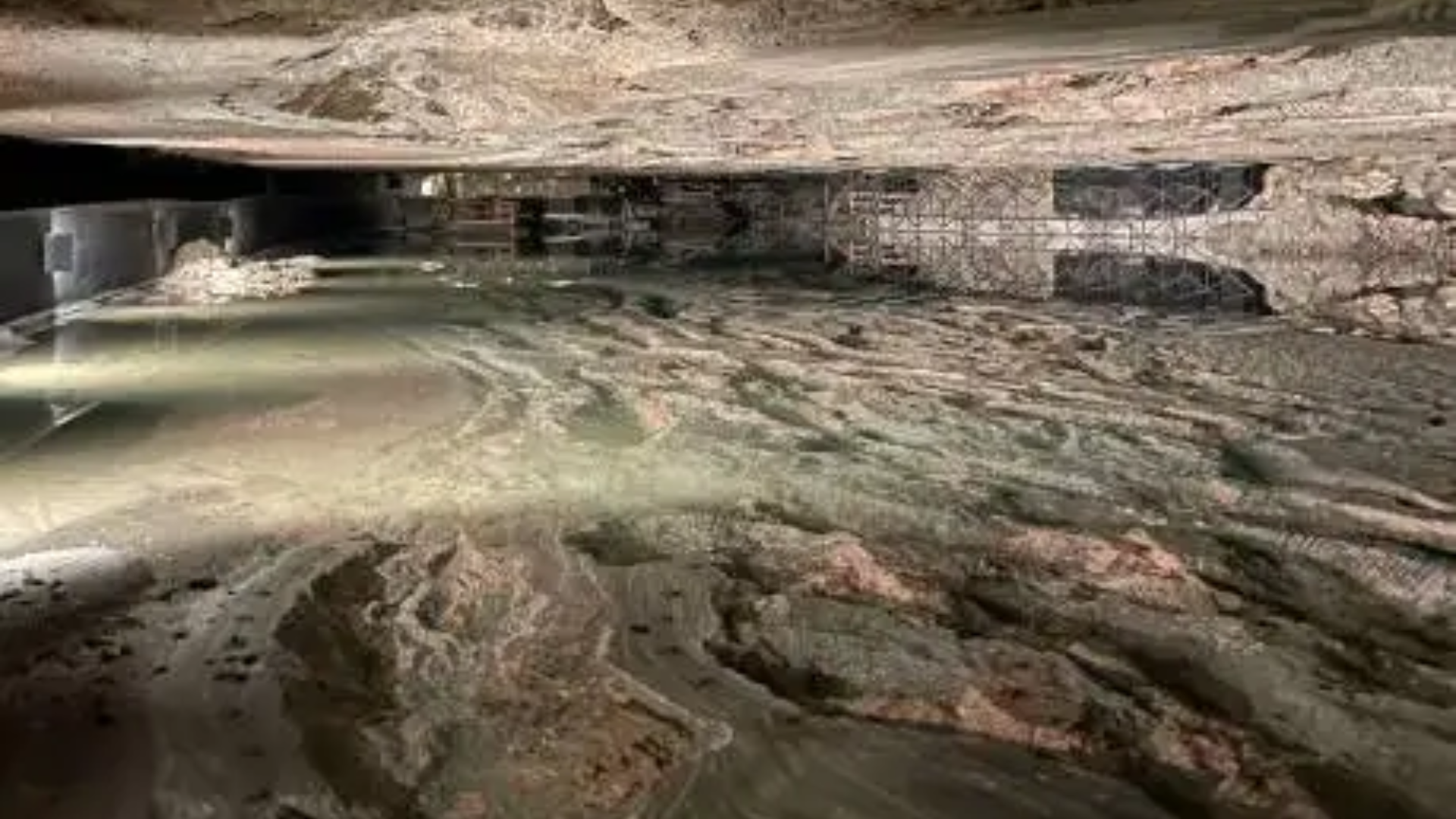
The Strategic Petroleum Reserve was built on a simple idea: store oil when times are good, release it when things go wrong. The problem is that times have gone wrong more often and more severely than the reserve’s architects imagined. With the stockpile at roughly half its peak capacity, every future crisis arrives with less room to absorb the blow.